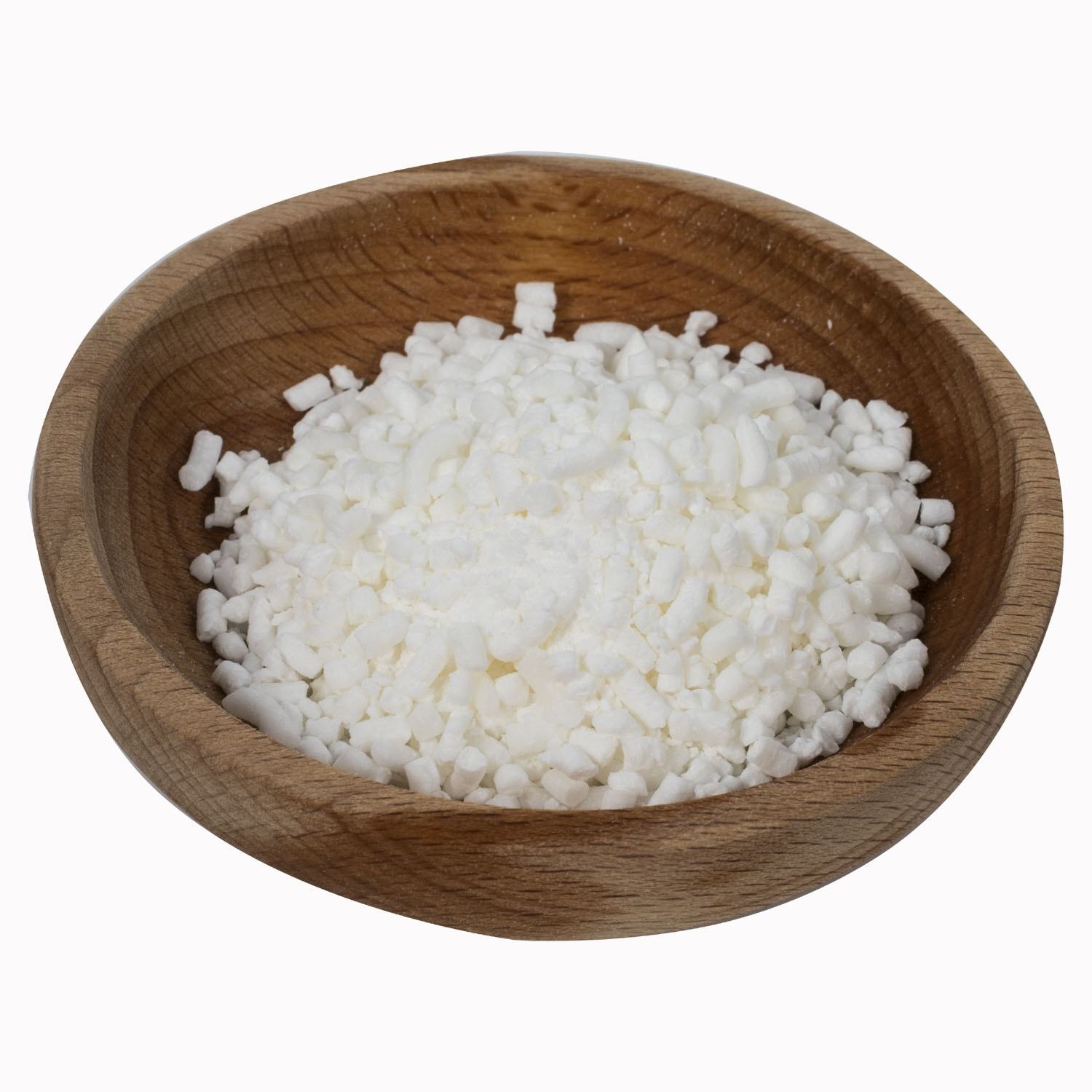











Sodium Cocoyl Sarcosinate Liquid CAS 61791-59-1 is a highly effective anionic amino acid surfactant synthesized from coconut oil fatty acids and sarcosine, operating within the Cosmetic Raw Materials category. This Sodium N-cocoyl sarcosinate functions by significantly reducing surface tension and providing excellent foaming properties even in the presence of sebum or hard water environments. As a mild N-Cocoyl sarcosine sodium salt, it acts as a primary or secondary cleansing agent in large-scale formulation processes, exhibiting synergistic effects when combined with other ionic systems. The specific molecular structure allows this Cocoyl sarcosine sodium to form stable, dense lathers while maintaining a very low irritation profile, making it a critical Sodium cocoyl methyl glycine component for the industrial compounding of gentle cleansing matrices and oral care systems. Our facility is equipped to provide competitive factory pricing for formulation engineers requiring customized specifications regarding active matter concentration and pH levels. We ensure comprehensive regulatory compliance by supplying MSDS, TDS, COA documentation with every shipment, facilitating seamless bulk supply for global manufacturing operations.
Sodium Cocoyl Sarcosinate Liquid CAS 61791-59-1
- CAS: 61791-59-1
- Synonyms: Sodium N-cocoyl sarcosinate, N-Cocoyl sarcosine sodium salt, Cocoyl sarcosine sodium, Sodium cocoyl methyl glycine, Amino acid surfactant
- Einecs: 263-193-2
- Grade: Cosmetic Grade / Industrial Grade
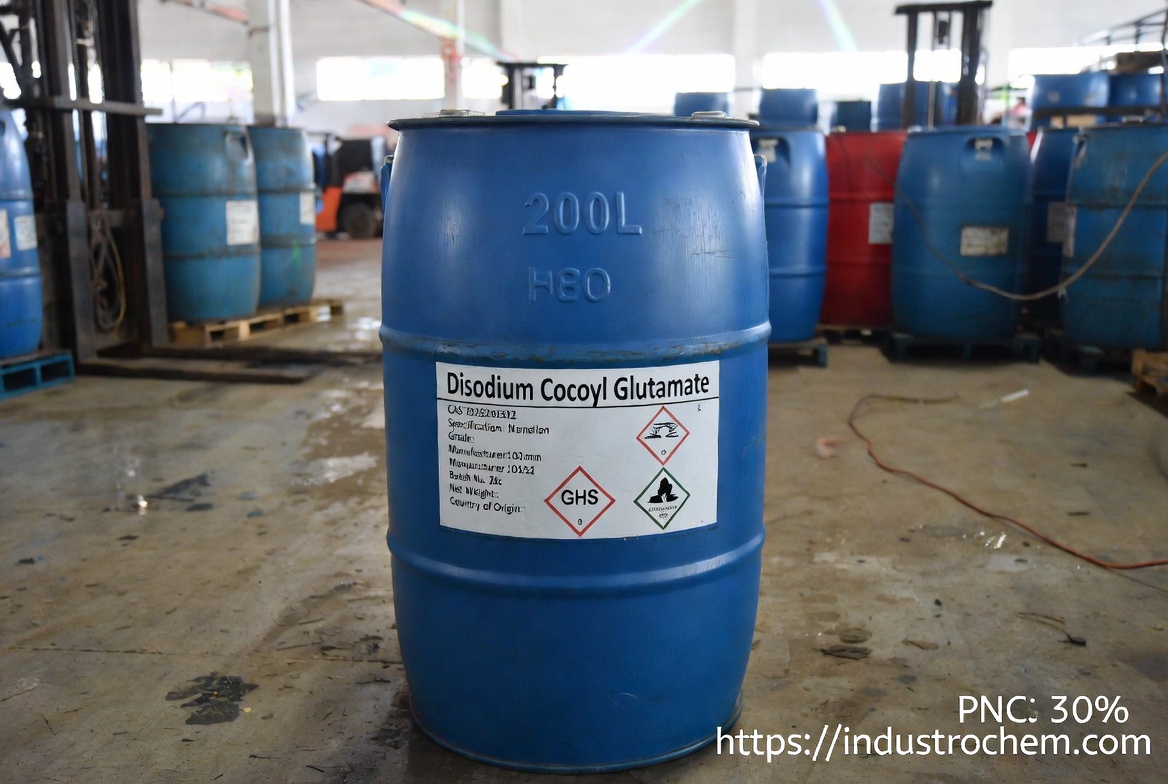
- Package: 200kg/drum, 1000kg/IBC drum, or bulk isotank
Product Description
Technical Data
| Physicochemical Properties | Specification (Typical Data) |
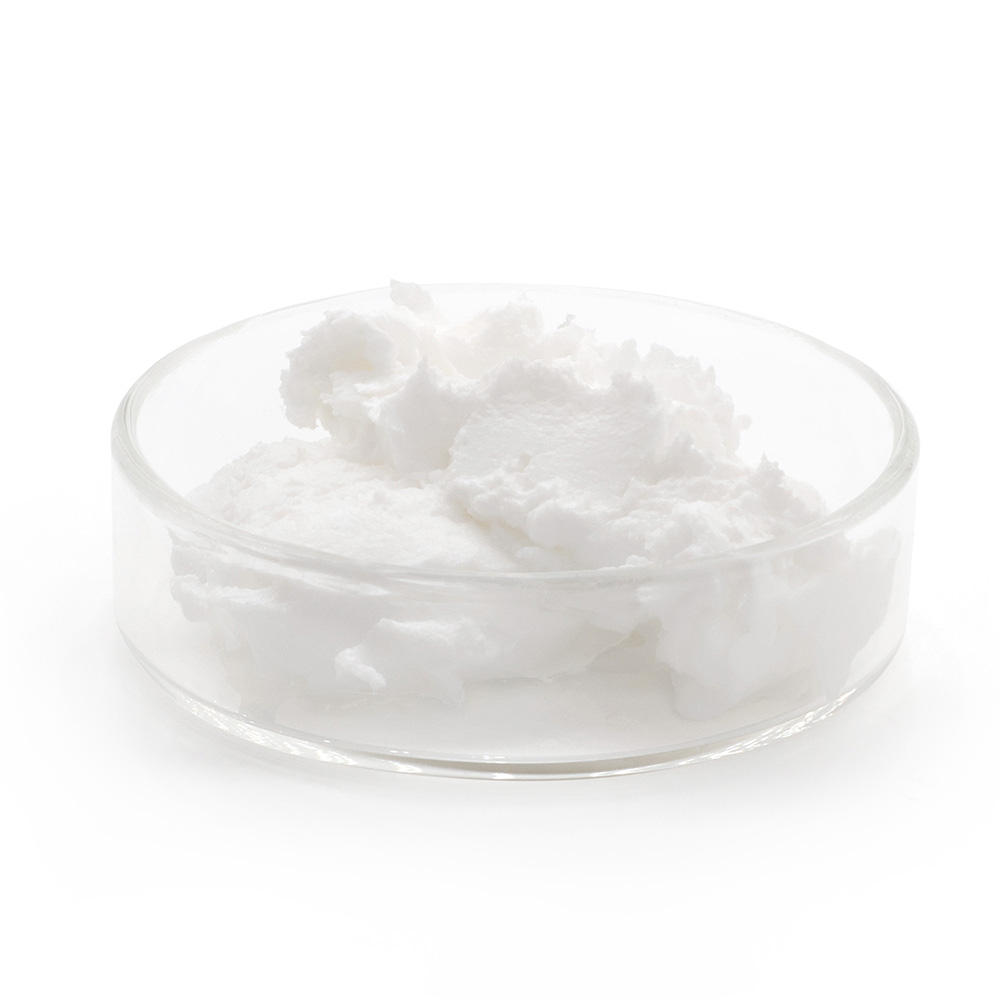
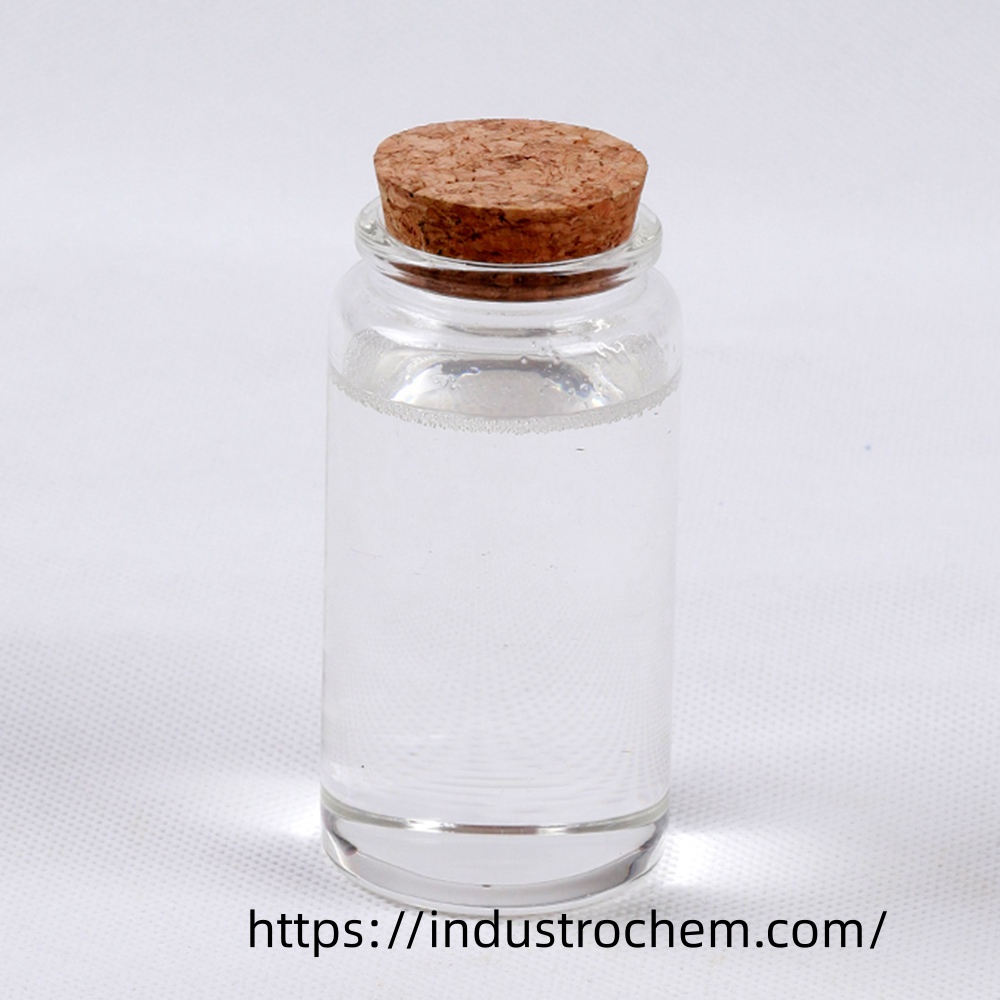
| Appearance | Colorless to light yellow clear liquid |
| Active Matter Content | 30.0% ± 1.0% |
| pH Value (10% aq. sol) | 7.5 – 9.5 |
| Free Alkali (as $NaOH$) | ≤ 0.2% |
| Sodium Chloride Content | ≤ 0.2% |
| Free Fatty Acid | ≤ 1.5% |
| Solubility | Soluble in water |
Applications
- Cosmetic Formulations: Utilized as a mild primary or secondary surfactant in the large-scale manufacturing of sulfate-free facial cleansers, body washes, and premium shampoos.
- Oral Care Production: Applied as an effective foaming agent and enzyme inhibitor in toothpaste manufacturing due to its low toxicity profile and resistance to hard water.
- Institutional Cleaning: Used in specialized, mild institutional cleansers and medical scrubs where high skin compatibility and rapid biodegradability are strictly required.
Storage & Safety
- Storage: Store in a tightly sealed container within a cool, dry, and well-ventilated warehouse. Keep away from strong acids and oxidizing agents. If crystallization or increased viscosity occurs at lower temperatures, warm gently to room temperature and stir until uniform before use.
- Safety (PPE): Operators should wear chemical splash goggles, protective gloves, and standard factory workwear. Avoid prolonged contact with skin and eyes. In the event of exposure, flush the affected area immediately with copious amounts of clean water.
Quality Assurance
Our production center adheres to rigorous quality control standards, utilizing advanced titration methods and High-Performance Liquid Chromatography (HPLC) to accurately monitor the active matter, residual sodium chloride, and free fatty acid content. The synthesis process is conducted under strict environmental controls to minimize trace impurities, ensuring the surfactant’s stability, clarity, and foaming performance meet the exact tolerances required for high-end cosmetic and pharmaceutical applications.
FAQ - Technical & Supply Chain
-
Q:
How is the active matter concentration of Sodium Cocoyl Sarcosinate Liquid CAS 61791-59-1 verified for batch consistency?
A: The chemical identity and exact concentration of this amino acid surfactant are confirmed through standardized two-phase titration methods and pH analysis. This ensures the active sodium salt content remains consistently stable at the typical 30% industrial specification, clearly distinguishing it from unneutralized sarcosine derivatives or alternative fatty acid mixtures. -
Q:
Is this anionic surfactant compatible with cationic conditioning agents in a complex liquid formulation?
A: Yes, unlike many traditional high-charge anionic surfactants, it exhibits unique compatibility with certain cationic polymers and biocidal agents under specific pH conditions. It is typically applied in 2-in-1 conditioning matrices and specialized cleansing systems where it maintains clarity and stability without causing severe precipitation or phase separation.
Documents and Product Support
For product review and sourcing evaluation, supporting documents can be coordinated according to the product type, inquiry stage, and order requirements.
- COA for batch-based quality reference
- TDS for key physical and chemical information
- SDS / MSDS for handling, storage, and safety reference
- Packing information for sample, trial, and bulk orders
- Technical communication based on application and specification requirements
Information to Confirm Before Quotation
Clear sourcing information helps reduce specification mismatch and allows a more accurate quotation before sample or bulk order discussion.
- Product name and CAS number
- Application or intended end use
- Required purity, grade, or specification
- Sample quantity, trial order, or bulk demand
- Preferred packing form or net weight
- Destination country or port
- Required documents or compliance expectations
Packaging, Storage, and Handling Notes
Packaging form, storage conditions, shelf life, and shipment arrangements should be confirmed according to the product characteristics, package size, and destination requirements.
Before order confirmation, buyers are advised to review the corresponding product documents and confirm whether any special storage, labeling, or handling requirements apply.
Sample, Bulk Order and Repeat Supply Support
Support can be arranged for sample discussion, bulk supply planning, packaging confirmation, and routine sourcing communication based on the actual product and order requirements.
For repeat-use formulations or long-term procurement plans, buyers may discuss specification consistency, packaging preferences, delivery expectations, and document coordination in advance.