Polyquaternium-10 is a functional personal care formulation ingredient rather than a consumer finished product. As a cationic cellulose polymer, it is used to improve conditioning, antistatic performance, combability and deposition in shampoos, conditioners, body washes and related rinse-off or leave-on systems.
Polyquaternium-10 (PQ-10) CAS 68610-92-4
- CAS: 68610-92-4
- Synonyms: Polyquaternium 10, PQ-10, Quaternized hydroxyethyl cellulose, Cationic cellulose polymer
- Einecs: 210-239-4
- Molecular Formula: C₈H₆O₆
- Grade: Cosmetic Grade / Industrial Grade
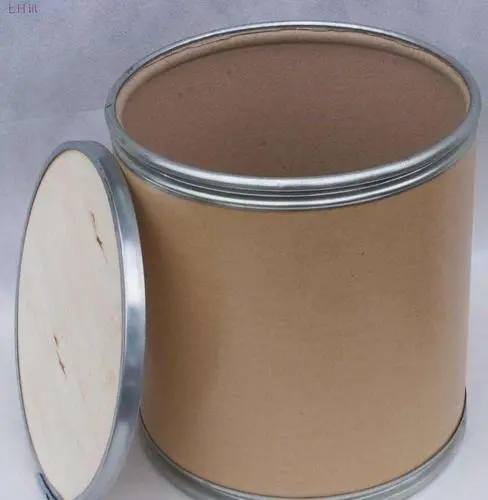
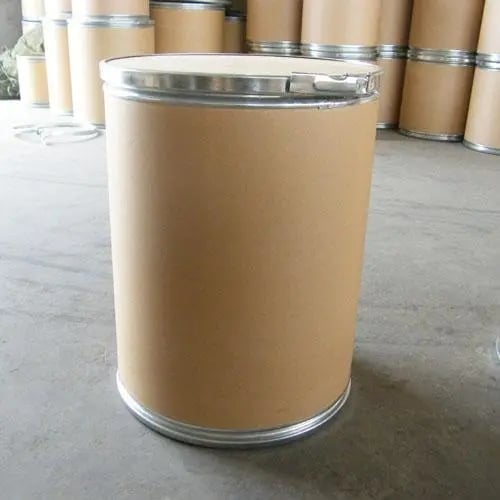
- Package: 1 kg / 25 kg / 1000 kg (plastic drum or bag)
Product Description
Polyquaternium-10 is a cationic cellulose polymer used as a functional conditioning ingredient in personal care formulations. It is primarily applied in shampoos, conditioners, body washes, facial cleansers and related systems where improved combability, antistatic performance, film formation and deposition are required.
Polyquaternium-10, also known as PQ-10, is a water-soluble quaternized cellulose derivative commonly used as a conditioning and performance-enhancing polymer in personal care formulations. Its cationic character helps it deposit effectively on negatively charged hair and skin surfaces, making it especially useful in cleansing and conditioning systems.
This material is typically selected for its ability to improve wet combability, reduce static, enhance softness, support film formation and contribute to formulation aesthetics. It is not positioned as a finished consumer product, but as a formulation ingredient for hair care, skin cleansing and related cosmetic or daily chemical applications.
| Product Name | Polyquaternium-10 |
| Common Abbreviation | PQ-10 |
| CAS Number | 68610-92-4 |
| Product Identity | Functional personal care formulation ingredient / cationic conditioning polymer |
| Chemical Type | Quaternized hydroxyethyl cellulose derivative |
| Primary Function | Conditioning, antistatic, film-forming and formulation support |
| Typical Use Sector | Hair care, skin cleansing and personal care formulations |
| Documentation | COA, TDS and SDS/MSDS may be provided according to supply arrangement |
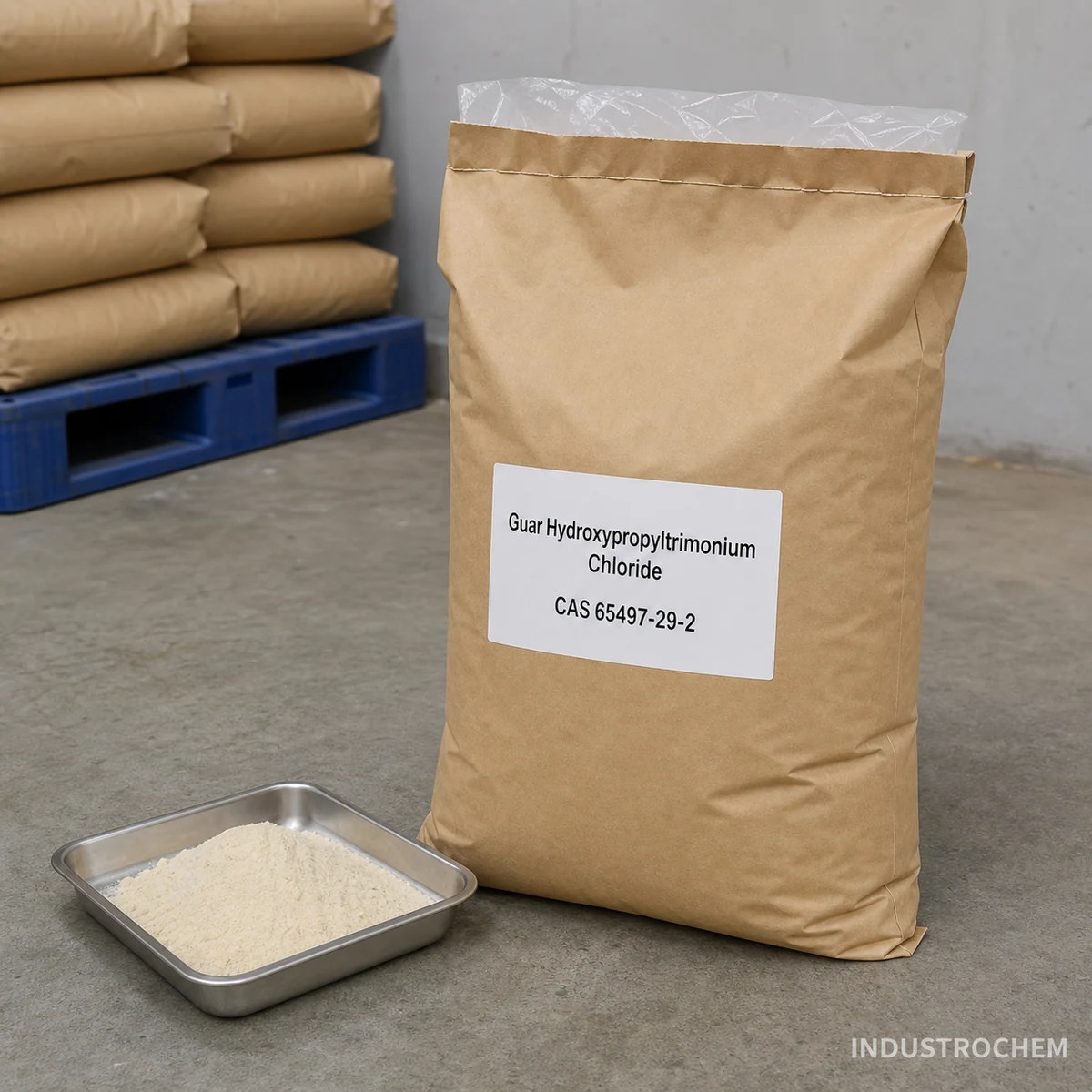
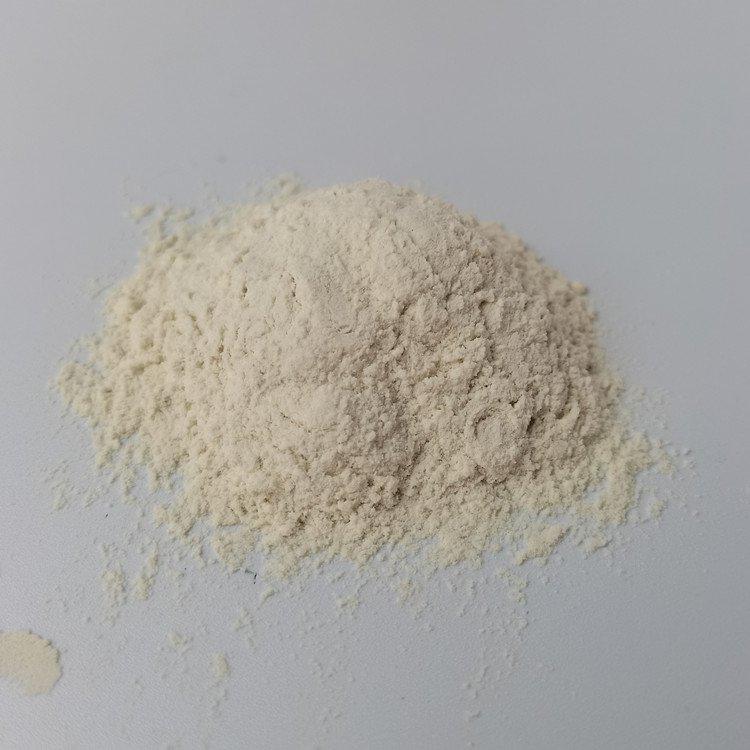
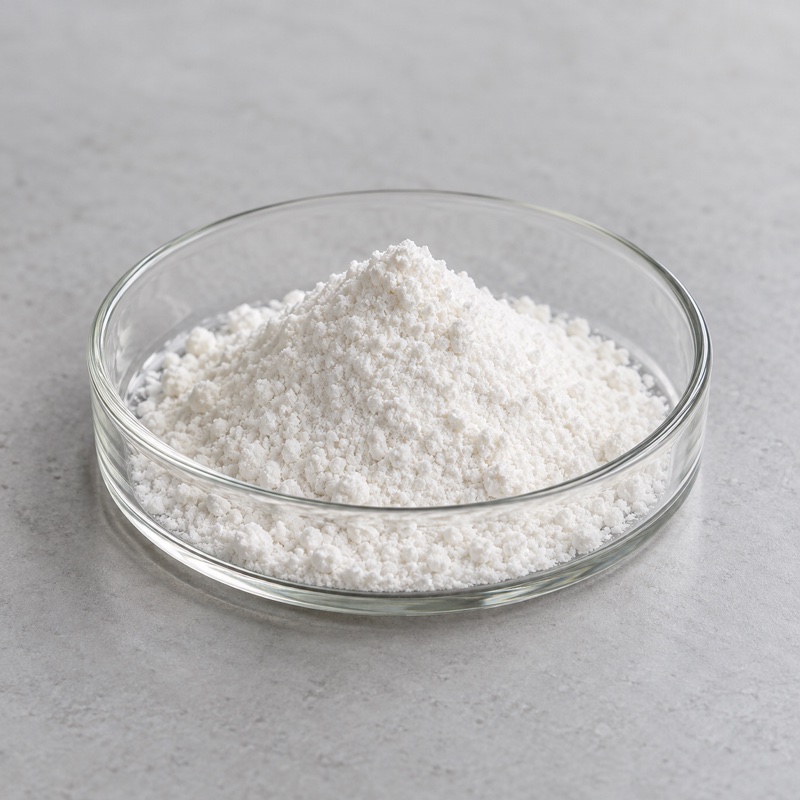
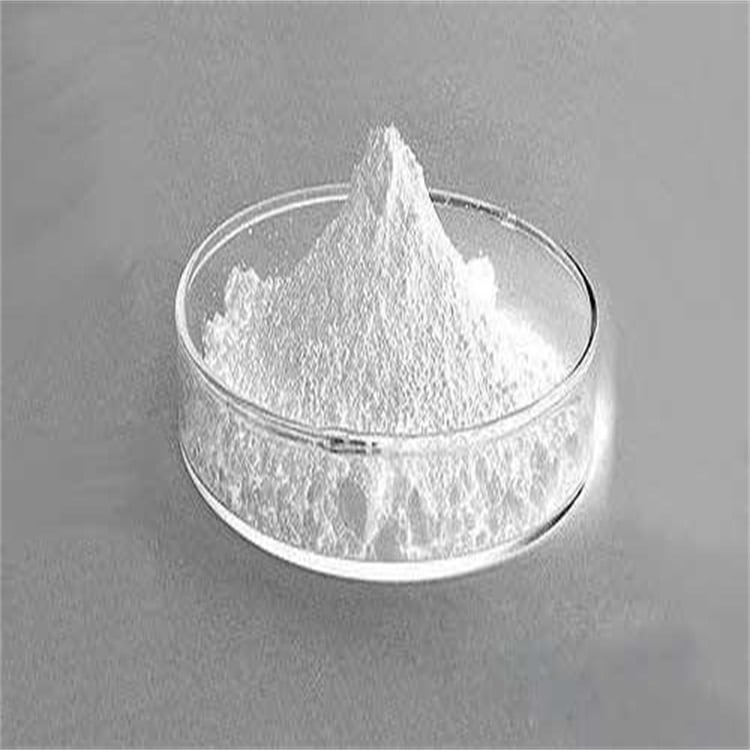
| Appearance | Usually supplied as a free-flowing powder or granulated polymer, depending on grade |
| Solubility | Water-soluble |
| Ionic Character | Cationic |
| Key Performance Attributes | Substantivity to hair and skin, conditioning effect, antistatic behavior, film formation, viscosity contribution and surfactant compatibility in suitable systems |
| Formulation Role | Helps improve sensory profile, deposition and overall performance in rinse-off and selected leave-on products |
Note: Polymer materials such as Polyquaternium-10 are commonly supplied in grade-specific forms, so fixed single-molecule parameters such as molecular formula, molecular weight or universal purity values are not always suitable for product-page presentation unless tied to a specific grade standard.
- Shampoos: improves wet combability, reduces static and supports a smoother hair feel after washing.
- Hair conditioners and 2-in-1 systems: contributes conditioning, softness and improved manageability.
- Body washes and facial cleansers: helps provide a milder sensory profile and a conditioned after-feel.
- Hair styling products: may contribute film formation, texture support and feel improvement depending on formulation design.
- Creams and lotions: in selected systems, it may be used where film-forming or conditioning support is required.
- Personal care formulation development: used as a specialty additive where deposition, compatibility and sensory enhancement are important.
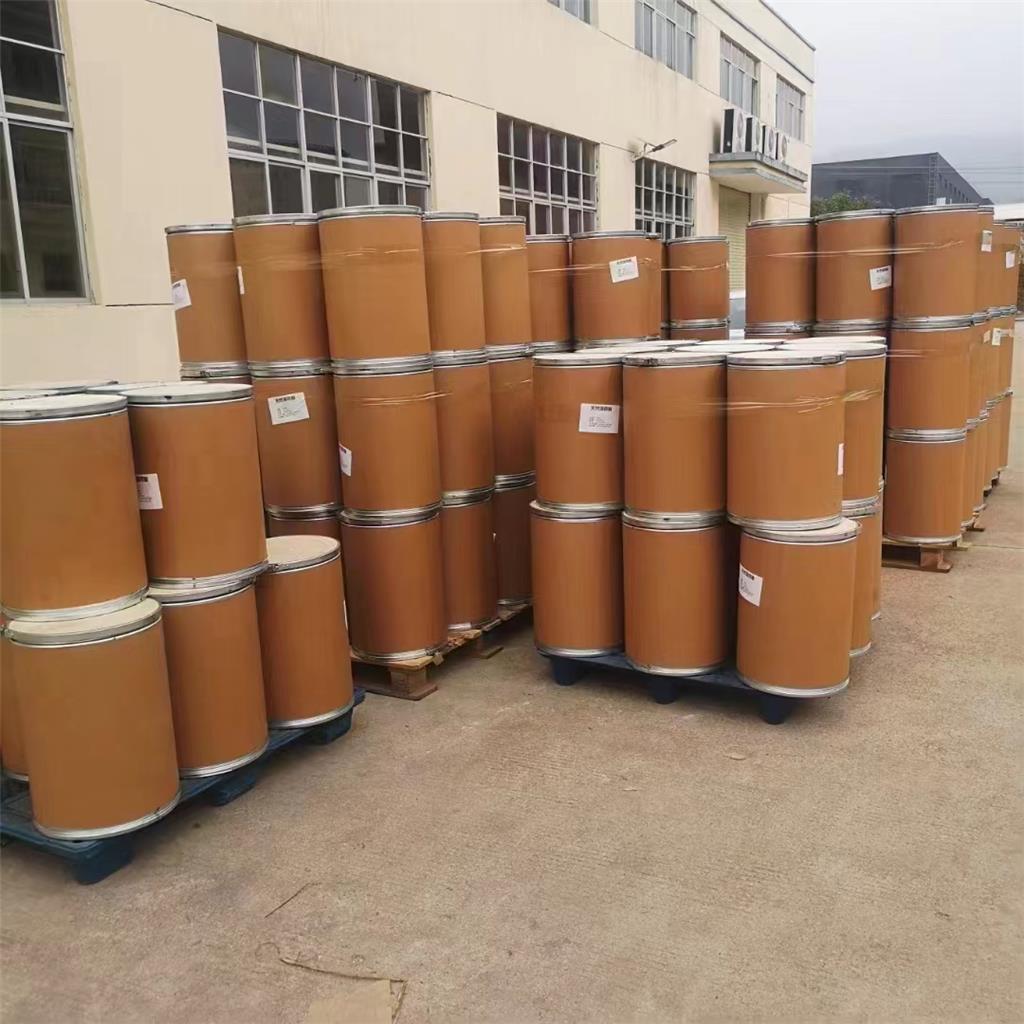
Packaging may vary by grade and supply arrangement. Common trade packaging formats include small evaluation packs, standard bag packaging and larger bulk units for industrial distribution.
- Sample or small-pack options for evaluation
- Standard 25 kg packaging for routine industrial handling
- Larger bulk packaging subject to logistics and product grade
- Store in a cool, dry and well-ventilated place.
- Keep the container tightly closed when not in use.
- Protect from moisture, direct sunlight and excessive heat.
- Avoid storage in conditions that may cause caking, contamination or packaging damage.
- Handle according to current SDS and local workplace safety procedures.
- Avoid unnecessary dust generation during transfer or weighing.
- Use appropriate personal protective equipment such as gloves, eye protection and suitable workwear.
- Avoid direct contact with eyes and prolonged contact with skin.
- For industrial use, hygiene, ventilation and handling controls should be aligned with the specific production environment.
FAQ - Technical & Supply Chain
Documents and Product Support
For product review and sourcing evaluation, supporting documents can be coordinated according to the product type, inquiry stage, and order requirements.
- COA for batch-based quality reference
- TDS for key physical and chemical information
- SDS / MSDS for handling, storage, and safety reference
- Packing information for sample, trial, and bulk orders
- Technical communication based on application and specification requirements
Information to Confirm Before Quotation
Clear sourcing information helps reduce specification mismatch and allows a more accurate quotation before sample or bulk order discussion.
- Product name and CAS number
- Application or intended end use
- Required purity, grade, or specification
- Sample quantity, trial order, or bulk demand
- Preferred packing form or net weight
- Destination country or port
- Required documents or compliance expectations
Packaging, Storage, and Handling Notes
Packaging form, storage conditions, shelf life, and shipment arrangements should be confirmed according to the product characteristics, package size, and destination requirements.
Before order confirmation, buyers are advised to review the corresponding product documents and confirm whether any special storage, labeling, or handling requirements apply.
Sample, Bulk Order and Repeat Supply Support
Support can be arranged for sample discussion, bulk supply planning, packaging confirmation, and routine sourcing communication based on the actual product and order requirements.
For repeat-use formulations or long-term procurement plans, buyers may discuss specification consistency, packaging preferences, delivery expectations, and document coordination in advance.