







Chemical products
  • Cationic Guar Gum CAS 71329-50-5

Cationic Guar Gum CAS 71329-50-5

Cationic Guar Gum (guar hydroxypropyltrimonium chloride), CAS 71329-50-5, is a water-soluble quaternary conditioning polymer supplied for shampoos, conditioners, hair masks, body washes, liquid soaps and shaving creams. Confirm the required grade, then request a quotation with COA/TDS/SDS for bulk supply.

  • CAS: 71329-50-5
  • Synonyms: Guar hydroxypropyltrimonium chloride, GHPTC, Guar gum 2-hydroxy-3-(trimethylammonio)propyl ether chloride, Cationic guar derivative
  • Grade: Cosmetic Grade
  • Package: 25kg Net Multi-wall Paper Bag or Paper Drum with PE liner
Request a quote
Share:

Product Description

Cationic Guar Gum, CAS 71329-50-5, also known as guar hydroxypropyltrimonium chloride, is a water-soluble quaternary ammonium derivative of natural guar gum.

Synonyms: guar hydroxypropyltrimonium chloride; GHPTC; guar gum 2-hydroxy-3-(trimethylammonio)propyl ether chloride; cationic guar derivative.

CAS: 71329-50-5.

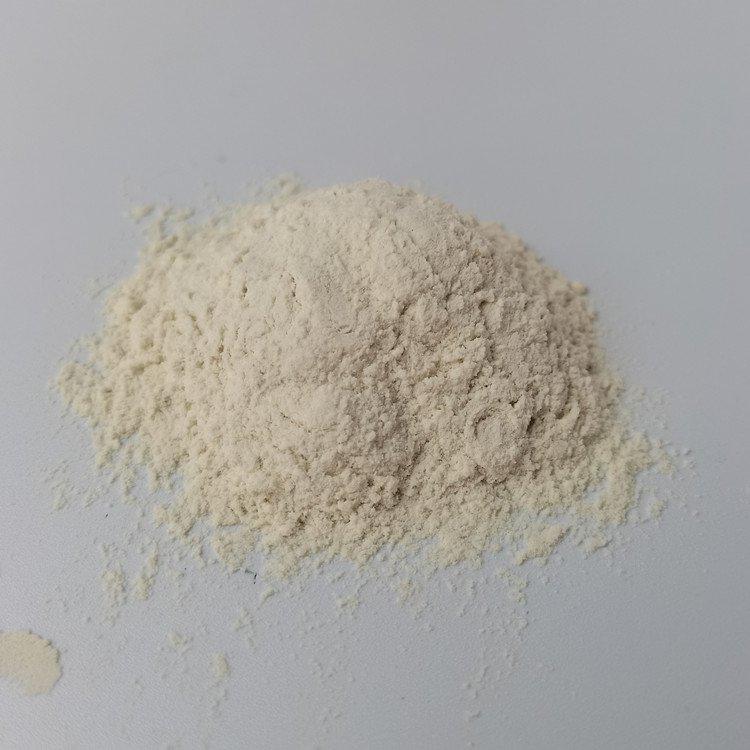
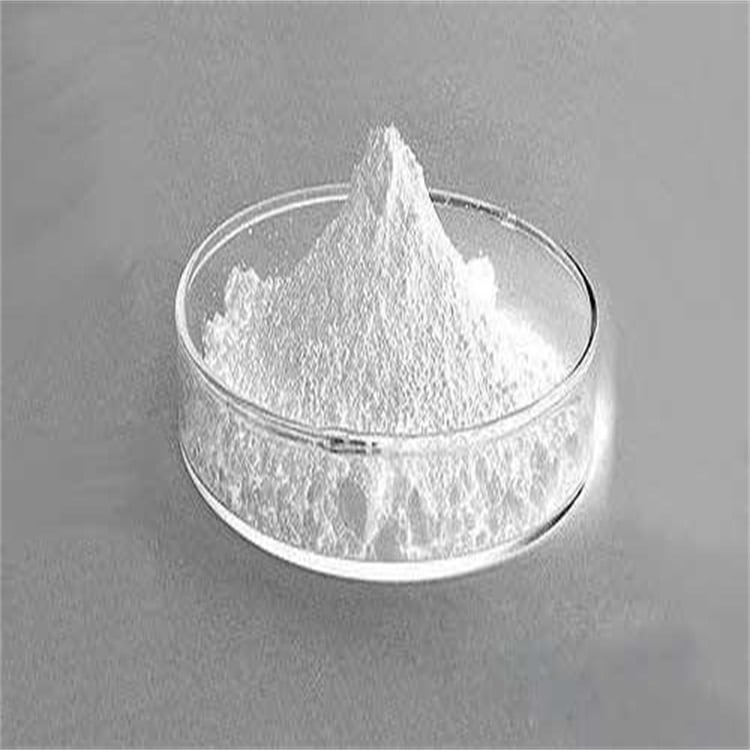
It is a light-yellow to yellowish fine powder with a mild characteristic odor.

A 1% aqueous solution typically has a viscosity of about 2,500–4,500 mPa·s and a pH of about 5.5–7.0.

It has a nitrogen content of about 1.3–1.7%, with moisture no more than 10.0% and ash no more than 1.5%.

Its cationic charge adheres to the negatively charged surface of damaged hair and skin.

It improves wet and dry combability, reduces static and supports deposition of conditioning actives such as silicones and oils.

It forms a coacervate with anionic surfactants during rinsing, helping deposit conditioning ingredients onto hair and skin.

It is used in 2-in-1 conditioning shampoos, hair conditioners and hair masks.

It is used in body washes, shower gels, liquid hand soaps and shaving creams for slip and after-rinse softness.

It is compatible with anionic systems such as SLES and SLS bases and helps build creamy, stable lather.

It is typically used at 0.1–0.5% in formulations, dispersed in water with agitation.

Confirm viscosity, pH, nitrogen content, moisture, ash, particle size, total plate count and mold/yeast.

Store in a cool, dry, ventilated area away from excessive heat and direct sunlight.

Keep containers tightly closed, as the powder is hygroscopic and becomes slippery when wet; clean dry spills before washing.

Confirm packaging with the requested quantity and destination requirements.

The page is an RFQ entry point and does not state stock, price, MOQ or fixed lead time.

For an RFQ, state the intended use, required grade, quantity, packaging, destination and document needs.

FAQ - Technical & Supply Chain

  • Q:

    What is Cationic Guar Gum CAS 71329-50-5?

    A: Cationic Guar Gum CAS 71329-50-5, also known as guar hydroxypropyltrimonium chloride, is a water-soluble quaternary ammonium derivative of natural guar gum. It is used as a conditioning polymer in shampoos, body washes and other personal-care products.
  • Q:

    How does Cationic Guar Gum condition hair?

    A: Its cationic charge attaches to the negatively charged surface of damaged hair, improving wet and dry combability, reducing static and helping deposit conditioning actives such as silicones or oils onto the hair.
  • Q:

    What is the coacervation effect?

    A: During rinsing, cationic guar can form a complex with anionic surfactants in the formula. This coacervate separates from the diluted shampoo and deposits conditioning ingredients onto the hair or skin instead of washing them all away.
  • Q:

    Can Cationic Guar Gum be used in anionic surfactant systems?

    A: Yes. It is designed to be compatible with anionic systems such as SLES and SLS bases. It helps build creamy, stable lather and supports deposition of conditioning actives in 2-in-1 shampoos and rinse-off cleansers.
  • Q:

    What are the main applications?

    A: Cationic Guar Gum is used in conditioning shampoos, hair conditioners, hair masks, body washes, shower gels, liquid hand soaps and shaving creams. It improves softness, slip, detangling and after-rinse skin feel.
  • Q:

    What is the typical usage level and how should it be dispersed?

    A: It is commonly used at 0.1% to 0.5% in formulations, although the exact level depends on the desired conditioning and viscosity. Disperse it in water with agitation and add it to the aqueous or surfactant phase according to the formula.
  • Q:

    What special handling or storage is required?

    A: The powder is hygroscopic and becomes slippery when wet, so keep containers tightly closed and clean dry spills before washing. Store in a cool, dry area away from heat, moisture and direct sunlight; the shelf life is about 24 months.

Ordering & Documentation

Key information for document requests, quotations, and supply planning.

Documents

Tell us which documents your procurement team needs. Before an order, we will check whether the quoted source can provide them for the offered lot.

Quotation

Send the CAS number, grade, quantity, packing preference and destination.

Sample & Supply

Ask whether samples, trial quantities or repeat orders are possible. We will check each request against the sourced product and current offer.

Storage & Shipping

Product-specific conditions are confirmed before order.

Contact Form

Use our contact form to send us your questions, suggestions or comments. We will respond as soon as possible.
For a quotation, please include the product name or CAS number, quantity, grade or application, and destination country or port. Tell us if you need a sample, COA, TDS or SDS.