










Chemical products
  • Behentrimonium Chloride (BTAC) CAS 17301-53-0
  • Behentrimonium Chloride (BTAC) CAS 17301-53-0
  • Behentrimonium Chloride (BTAC) CAS 17301-53-0
  • Behentrimonium Chloride (BTAC) CAS 17301-53-0

Behentrimonium Chloride (BTAC) CAS 17301-53-0

Behentrimonium Chloride (BTAC, CAS 17301-53-0), also known as docosyltrimethylammonium chloride, is supplied for hair conditioners, treatment masks and related antistatic personal-care formulations. COA, TDS and SDS are available for the supplied grade. Contact us with your application or target specification, quantity and destination for a quotation.

  • CAS: 17301-53-0
  • Synonyms: Behentrimonium chloride; docosyltrimethylammonium chloride; behenyltrimethylammonium chloride; BTAC; BTMAC
  • Einecs: 241-327-0
  • Molecular Formula: C25H54ClN
  • Grade: Behentrimonium Chloride grades specified by cationic active content, carrier composition and physical form
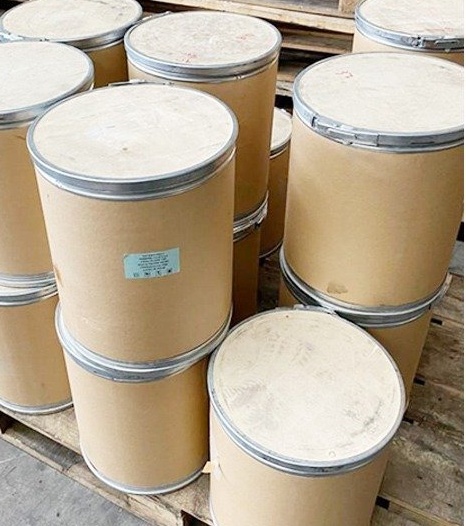
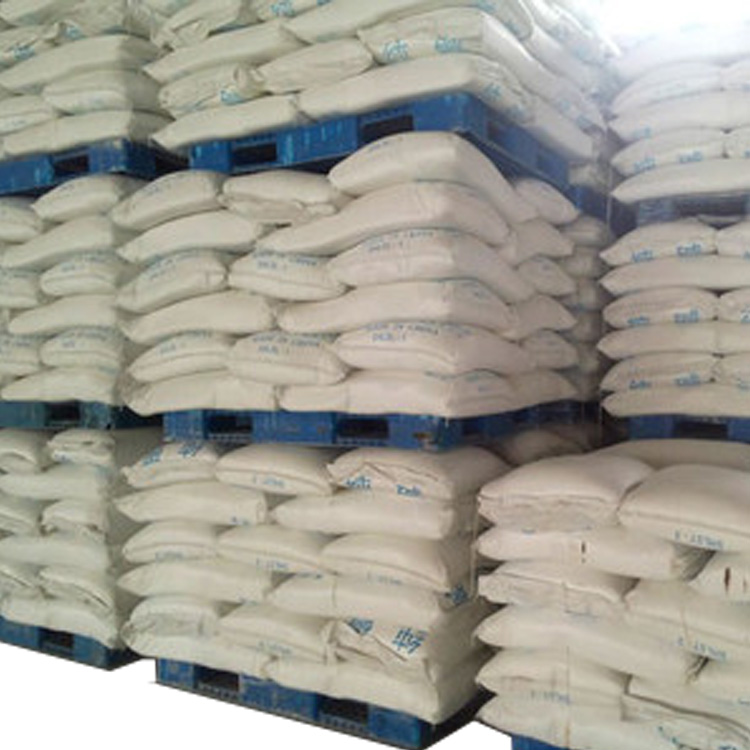
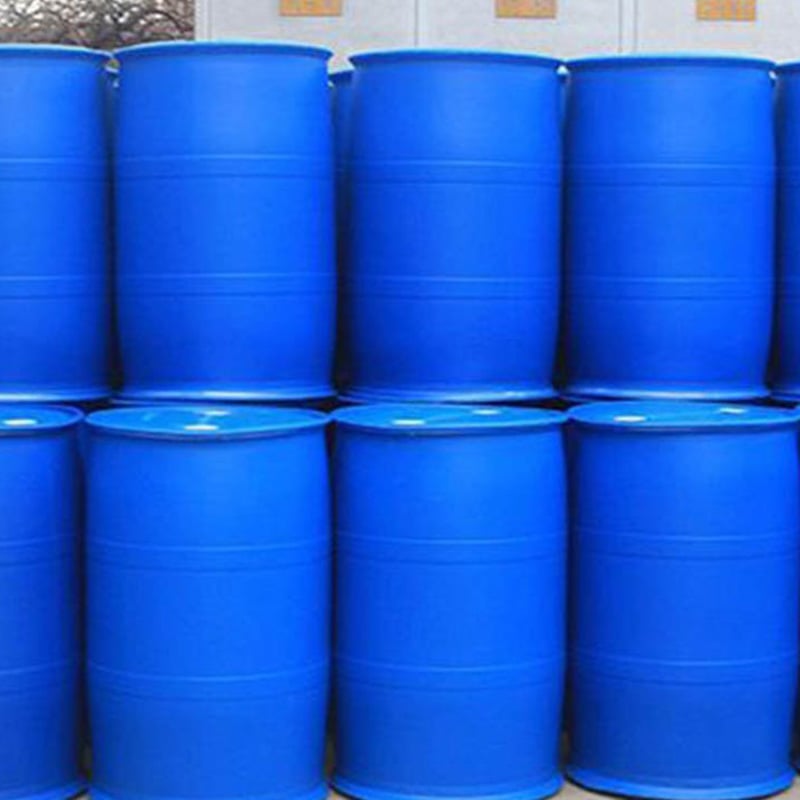
  • Package: We specify BTAC packaging in our quotation according to the selected grade, quantity and destination.
Request a quote
Share:

Product Description

Behentrimonium Chloride (BTAC, CAS 17301-53-0), also known as Docosyltrimethylammonium Chloride, is a long-chain cationic quaternary ammonium ingredient for hair-conditioning, antistatic and related formulation systems.

Product Overview

Function in hair-care formulations

Behentrimonium Chloride is a cationic conditioning surfactant. Its positively charged group is attracted to negatively charged hair surfaces, helping it remain on the hair during rinsing. In a suitable formulation, it can improve wet and dry combability, soften hair feel and reduce static.

Typical applications

Common applications include cream conditioners, conditioning rinses and hair-treatment masks. It is used where easier detangling, softness and antistatic performance are needed. The supplied grade and the complete formula determine the processing method and finished-product feel, so evaluate a sample in the intended formulation before substitution or scale-up.

Comparing commercial grades

Compare offers on active BTAC content as well as product weight. A lower-active grade requires more raw material to deliver the same amount of BTAC and contributes more carrier or co-ingredients. Their identity and the product’s physical form influence incorporation into the formula. Follow the supplied-grade TDS for heating and dispersion conditions.

Chemical Name Behentrimonium Chloride (Docosyltrimethylammonium Chloride)
CAS Number 17301-53-0
Synonyms Behentrimonium Chloride; Docosyltrimethylammonium Chloride; Behenyltrimethylammonium Chloride; BTAC
EINECS Number 241-327-0
Molecular Formula C₂₅H₅₄ClN
Grade Behentrimonium Chloride grades specified by cationic active content, carrier composition and physical form
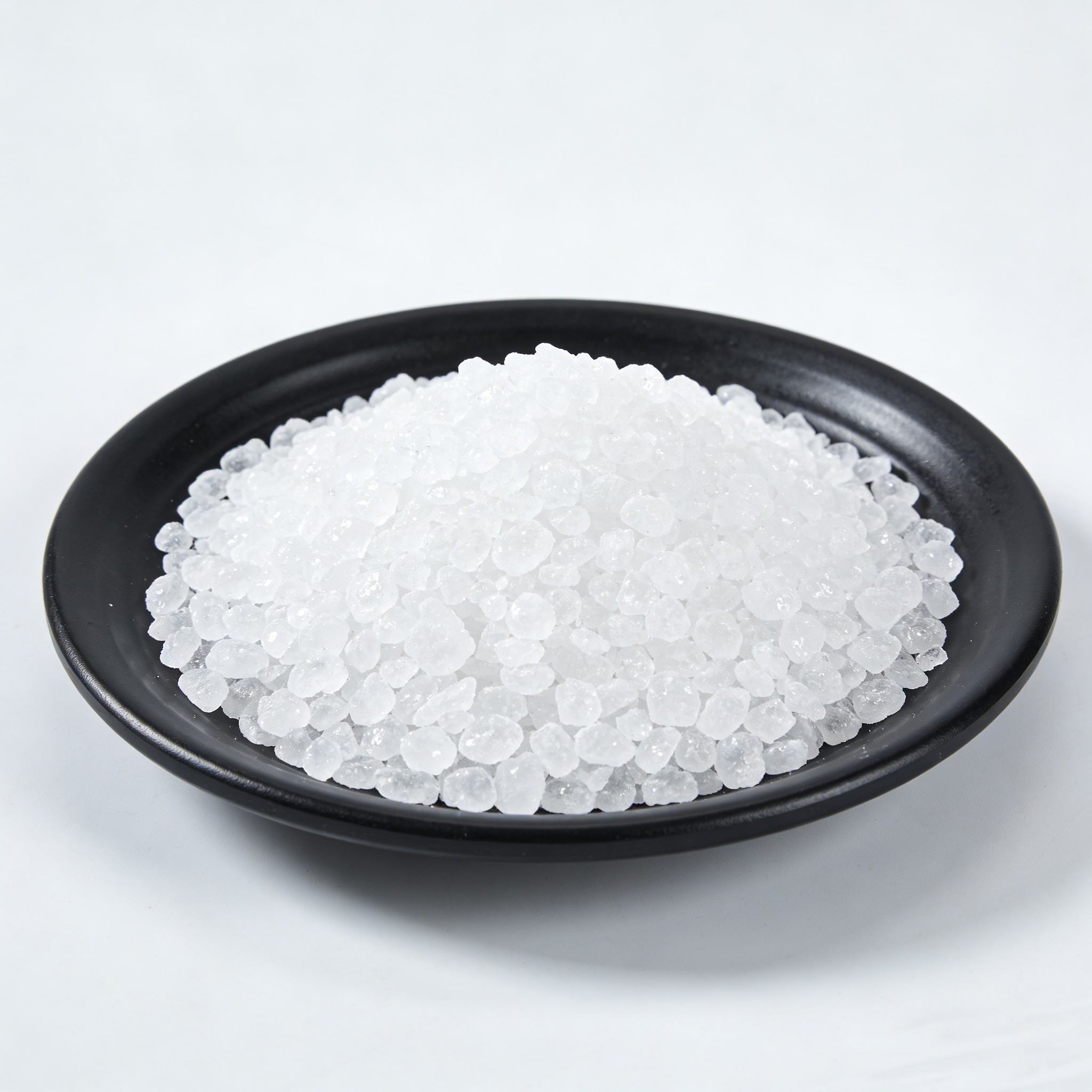
Appearance Commercial BTAC grades include pellets and flakes; physical form and carrier composition vary by grade.
Content Cationic active matter (wt%), with the assay method stated. Dry matter and alkyl-chain distribution are separate characteristics and do not replace the active-content specification.
pH Value For BTAC grades, pH is reported with sample concentration, solvent and test method so results can be compared on the same basis.
Packaging We specify BTAC packaging in our quotation according to the selected grade, quantity and destination.

Quality checks for grade selection

Cationic active matter can be measured by surfactant titration using a method suitable for the product matrix. ISO 2871-2 covers relevant long-chain quaternary ammonium compounds, but excludes samples containing anionic or amphoteric surfactants. Compare the assay basis, carrier composition and alkyl-chain distribution when changing grades. A total-active result alone does not establish the proportion of the C22 homologue.

If chromatographic testing is specified, agree the target components, sample preparation and reporting basis. Chromatographic area percentages must not be treated automatically as active-matter weight percentages.

Related ingredients for conditioner development

Cetearyl alcohol (cetostearyl alcohol) is a complementary fatty alcohol used with BTAC to help build the consistency and structure of cream conditioners. It is not a replacement for the cationic conditioning active.

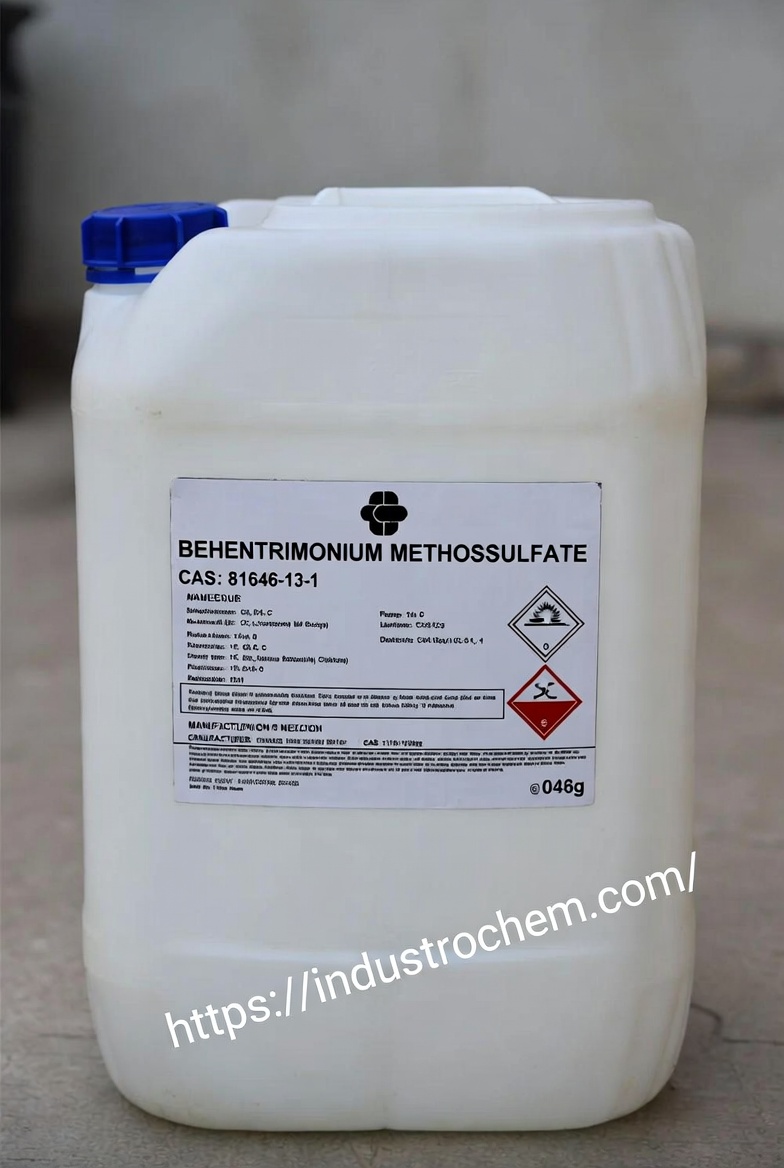
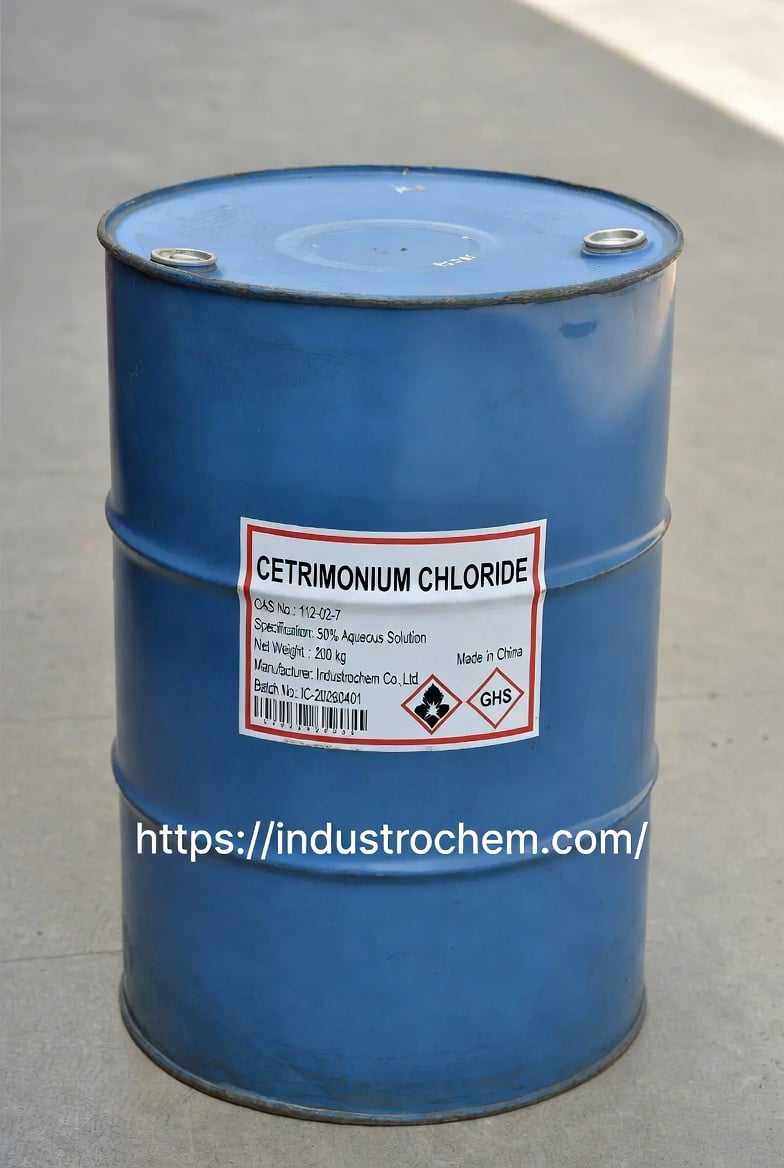
For conditioning-agent selection, compare cetrimonium chloride (CTAC, C16), steartrimonium chloride (STAC, C18) and behentrimonium methosulfate (BTMS). The alkyl-chain length, counterion and commercial-grade composition can differ; assess formulation performance rather than substituting equal supplied weights.

FAQ - Technical & Supply Chain

  • Q:

    Is Docosyltrimethylammonium Chloride the same material as Behentrimonium Chloride?

    A: Yes. Both names identify the C22 quaternary ammonium chloride with CAS 17301-53-0. Commercial materials can nevertheless differ in active content, carrier and physical form, so the supplied-grade specification must be confirmed separately.
  • Q:

    Can Behentrimonium Chloride replace Behentrimonium Methosulfate directly?

    A: No. BTAC is a chloride salt; BTMS is a methosulfate salt. Compare equal amounts of cationic active matter, then account for each grade’s fatty alcohols, solvents and other co-ingredients. Substitution requires formulation trials to check processing, viscosity, stability and conditioning performance.
  • Q:

    Which commercial-form details matter when selecting Behentrimonium Chloride?

    A: Confirm active matter, carrier or co-ingredients, physical form, free amine, water, colour and odour. These affect heating, dispersion and the cationic-active level delivered to the formula; the product name and CAS number alone do not define them.

Ordering & Documentation

Key information for document requests, quotations, and supply planning.

Documents

Tell us which documents your procurement team needs. Before an order, we will check whether the quoted source can provide them for the offered lot.

Quotation

Send the CAS number, grade, quantity, packing preference and destination.

Sample & Supply

Ask whether samples, trial quantities or repeat orders are possible. We will check each request against the sourced product and current offer.

Storage & Shipping

Product-specific conditions are confirmed before order.

Contact Form

Use our contact form to send us your questions, suggestions or comments. We will respond as soon as possible.
For a quotation, please include the product name or CAS number, quantity, grade or application, and destination country or port. Tell us if you need a sample, COA, TDS or SDS.