









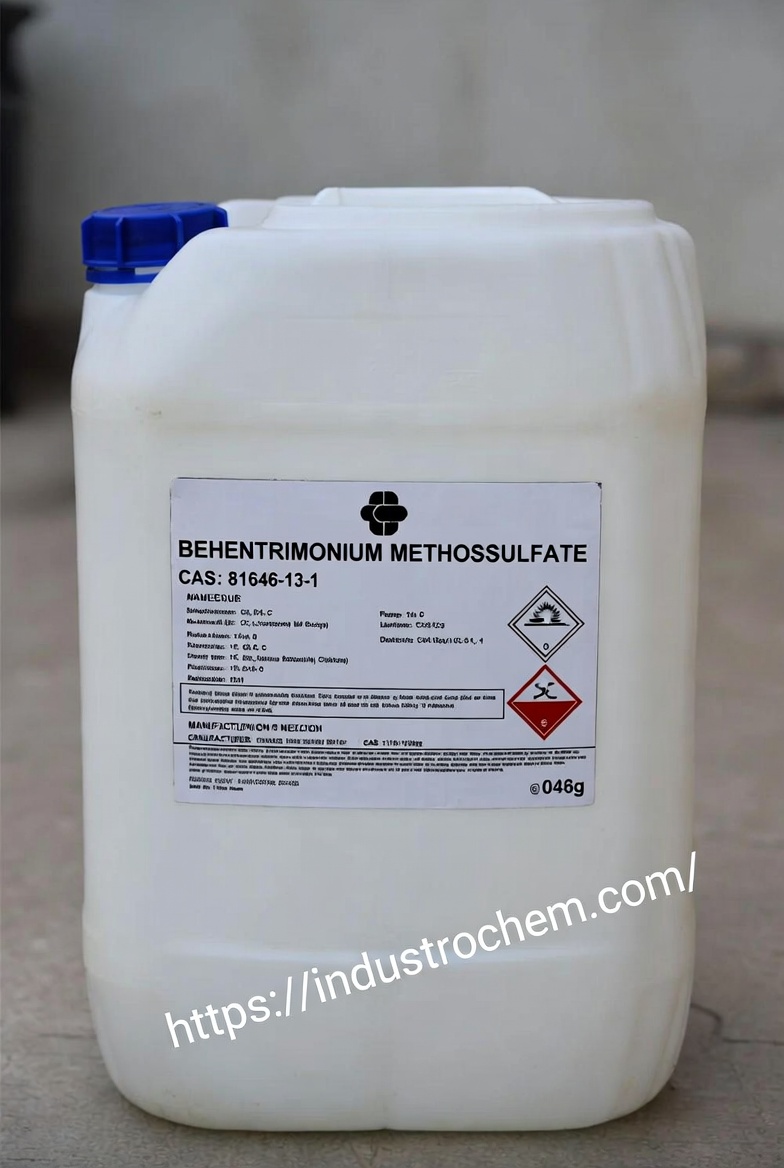
Behentrimonium Methosulfate, also called BTMS or docosyltrimethylammonium methosulfate, CAS 81646-13-1, is a cationic quaternary ammonium conditioning ingredient supplied as flakes or pellets and positioned for hair care and personal care formulations. Confirm the required grade, then request a quotation with COA/TDS/SDS for bulk supply.
Behentrimonium Methosulfate (BTMS) CAS 81646-13-1
- CAS: 81646-13-1
- Synonyms: Docosyltrimethylammonium Methosulfate; BTMS; Behentrimonium Methosulfate
- Einecs: 279-791-1
- Molecular Formula: C26H57NO4S
- Grade: Cosmetic / personal care formulation grade
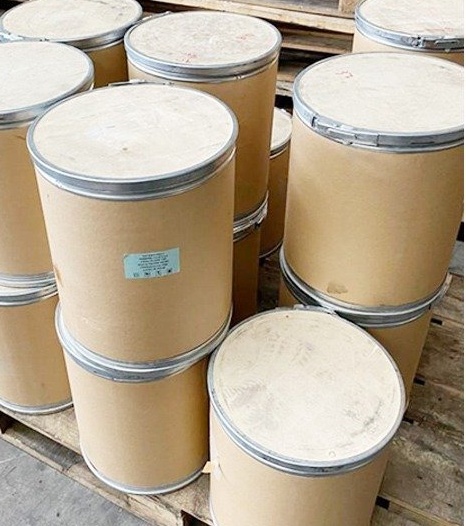
- Package: Bags or fiber drums for solid forms
Product Description
Behentrimonium Methosulfate (BTMS) CAS 81646-13-1 is a cationic quaternary ammonium compound with EC 279-791-1 and molecular formula C26H57NO4S.
Synonyms: Docosyltrimethylammonium Methosulfate; BTMS; Behentrimonium Methosulfate.
CAS: 81646-13-1.
Molecular formula: C26H57NO4S.
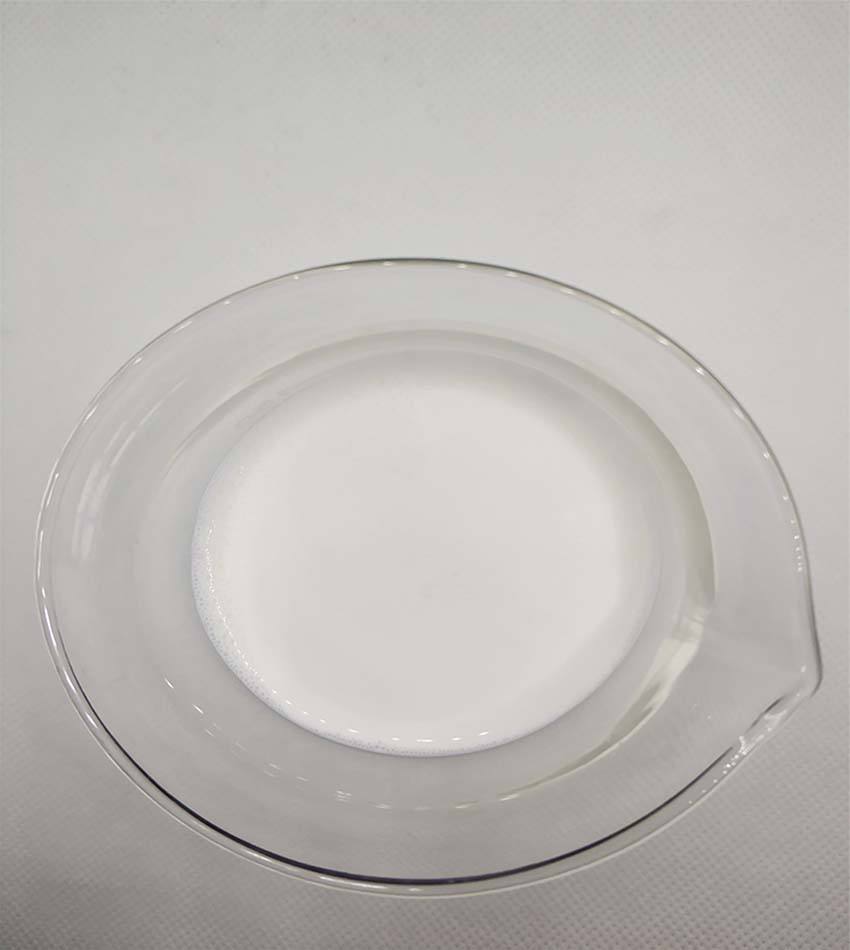
It is supplied as white to off-white flakes or pellets.
It has a molecular weight of about 479.8 g/mol.
It is positioned as a conditioning emulsifier and deposition aid for hair care.
It is used in hair conditioners and rinse-off conditioning systems.
It is used in hair masks, treatment creams, and leave-in or detangling formulations.
It deposits onto negatively charged hair surfaces to improve slip, detangling, softness, and static control.
It is commonly supplied as a self-emulsifying blend with fatty alcohols such as cetearyl alcohol for easier handling.
Confirm the required cosmetic grade, active content, appearance, and related specifications for the chosen grade.
Check compatibility with the target conditioner or cream formulation and confirm the recommended use level.
Store the flakes or pellets in sealed containers in a cool, dry, well-ventilated area, away from moisture, direct sunlight, and excessive heat.
Protect the packaging to prevent caking, contamination, and changes in consistency.
Confirm packaging suitable for the solid form and order quantity, and follow the current SDS.
Confirm grade, packaging, and specification as required.
The page is an RFQ entry point and does not state stock, price, MOQ, or fixed lead time.
For an RFQ, state the intended application, required grade, quantity, packaging, destination, and document needs.
FAQ - Technical & Supply Chain
-
Q:
What is Behentrimonium Methosulfate CAS 81646-13-1?
A: It is a cationic quaternary ammonium surfactant with the chemical name docosyltrimethylammonium methyl sulfate and molecular formula C26H57NO4S. Its molecular weight is about 479.8 g/mol, and it is widely referred to as BTMS. -
Q:
Why is BTMS often supplied as a blend rather than a pure powder?
A: Commercial hair-care grades are frequently blended with fatty alcohols such as cetearyl alcohol to create a self-emulsifying conditioning base. The blend is easier to handle as flakes or pellets and can be incorporated into hot-process emulsions. -
Q:
How does Behentrimonium Methosulfate condition hair?
A: Because it is cationic, it can deposit onto negatively charged hair surfaces and improve slip, detangling, softness, and static control. This makes it useful in rinse-off conditioners, hair masks, and leave-in conditioning products. -
Q:
What is the difference between Behentrimonium Methosulfate and Behentrimonium Chloride?
A: Both are cationic conditioning quaternary compounds with similar detangling benefits, but the methosulfate form is commonly commercialized as a blended self-emulsifying system with fatty alcohols. Behentrimonium Chloride may be supplied as a less blended conditioning active, so the required stabilizer or fatty alcohol should be confirmed for the specific grade. -
Q:
How should formulators use it?
A: It is normally added to the heated oil phase of a conditioner or cream formulation and mixed until dispersed before cooling. The exact melting point and active content depend on the blend, so formulators should confirm the supplier specification and recommended use level. -
Q:
How should Behentrimonium Methosulfate be stored?
A: Store the flakes or pellets in sealed containers in a cool, dry, well-ventilated area, away from moisture, direct sunlight, and excessive heat. Protecting the packaging helps prevent caking, contamination, and changes in consistency.
Ordering & Documentation
Key information for document requests, quotations, and supply planning.
Documents
Tell us which documents your procurement team needs. Before an order, we will check whether the quoted source can provide them for the offered lot.
Quotation
Send the CAS number, grade, quantity, packing preference and destination.
Sample & Supply
Ask whether samples, trial quantities or repeat orders are possible. We will check each request against the sourced product and current offer.
Storage & Shipping
Product-specific conditions are confirmed before order.