










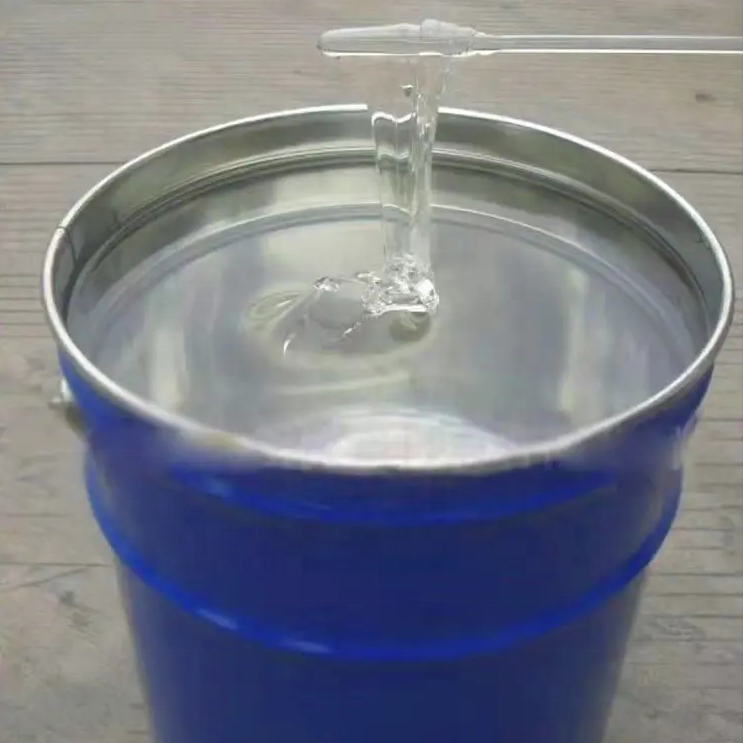
Dimethiconol (CAS 31692-79-2) is a high molecular weight hydroxyl-terminated silicone gum utilizing its unique reactive end-groups to provide superior substantivity and conditioning to hair and skin surfaces. Chemically identified as Dihydroxypolydimethylsiloxane, this ultra-viscous, clear fluid (often supplied diluted in Cyclopentasiloxane or Dimethicone for ease of use) functions as a premier film-former that physically seals split ends and creates a breathable, velvety barrier on the skin. Unlike standard Dimethicone, the presence of hydroxyl groups allows for specific interactions with keratin and other actives, making it extensively integrated into hair serums, anti-frizz treatments, and long-lasting foundations to deliver a non-tacky, soft-focus finish. We ensure bulk supply capabilities for this material, providing access to competitive factory pricing and customized specifications to meet specific viscosity ranges (from fluids to gums) and blend ratios. Full technical documentation, including MSDS, TDS, COA, is available to support compliance and safety protocols.
Dimethiconol CAS 31692-79-2
- CAS: 9006-65-9
- Synonyms: Hydroxy-terminated polydimethylsiloxane, Hydroxy-terminated PDMS, Dimethyl siloxane hydroxy-terminated, Silicone Gum, Polydimethylsiloxane diol
- Einecs: 618-493-1
- Molecular Formula: (C2H6OSi)n
- Grade: Cosmetic Grade / Industrial Grade / Food Grade (Defoamer base)
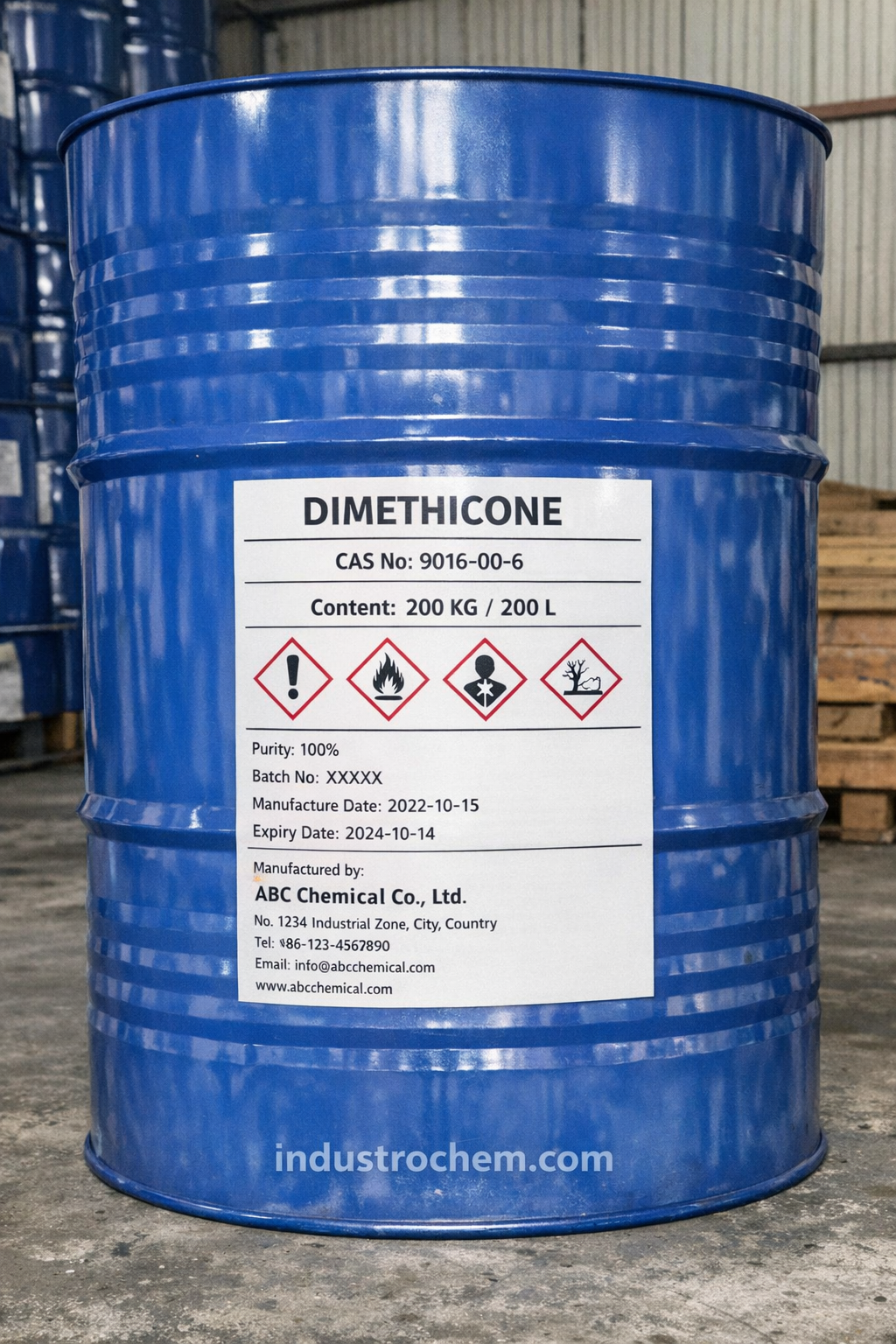
- Package: 200kg/Iron Drum, 1000kg/IBC Tote, or small plastic drums.
Product Description
Dimethiconol CAS 31692-79-2 is a clear, colorless, and odorless linear polydimethylsiloxane fluid. It is non-reactive and stable against oxidation, making it a fundamental ingredient in many industries.
In the Cosmetic Industry, it is valued for its ability to form a protective barrier on the skin, providing a smooth, velvety feel without stickiness. It improves the spreadability of creams and lotions and acts as a conditioning agent in hair care products.
In Industrial Applications, it serves as a high-performance release agent, lubricant, and dielectric fluid due to its resistance to temperature extremes and shear breakdown.
Physicochemical Properties
Note: Properties may vary slightly depending on the viscosity grade selected. The data below is typical for standard viscosity (e.g., 350 cSt).
| Parameter | Specification (Standard) |
|---|---|
| Appearance | Colorless, transparent oily liquid |
| Odor | Odorless to mild |
| Viscosity (at 25°C) | 10 ~ 1,000,000 cSt (Common: 350, 1000 cs) |
| Specific Gravity (25°C) | 0.960 – 0.975 g/cm³ |
| Refractive Index (25°C) | 1.4030 – 1.4060 |
| Flash Point (Open Cup) | ≥ 300°C (High viscosity grades) |
| Volatile Matter (150°C, 3h) | ≤ 1.5% |
| Acid Value | ≤ 0.01 mgKOH/g |
| Heavy Metals (Pb) | ≤ 5 ppm |
| Solubility | Soluble in non-polar solvents; Insoluble in water and ethanol |
Applications
- Personal Care & Cosmetics:
- Skin Care: Used in creams, lotions, and sunscreens to provide a non-greasy, smooth feel and water resistance.
- Hair Care: Conditioners and hair oils to improve shine, detangling, and softness (repair split ends).
- Makeup: Foundations and primers for better texture and longevity.
- Lubricants & Release Agents:
- Mold release agent for rubber, plastic, and metal casting.
- Lubricant for treadmill belts, O-rings, and rubber seals.
- Automotive & Home Care:
- Main ingredient in car polishes, tire shine, and furniture waxes to provide gloss and protection.
- Defoaming:
- Used as an antifoam agent in petroleum processing and industrial fermentation.
Storage Conditions
- Temperature: Store in a cool, dry place generally below 40°C.
- Container: Keep containers tightly closed when not in use. Avoid contact with moisture.
- Incompatibility: Avoid contact with strong acids, strong alkalis, and strong oxidizing agents.
- Shelf Life: 36 months in original unopened packaging.
Safety Precautions
- Handling: Generally considered safe and non-toxic. However, spills are extremely slippery. Clean up spills immediately using absorbent materials (sand/sawdust).
- Eye Contact: Non-irritating to slightly irritating. Rinse with water if contact occurs.
- Skin Contact: Non-irritating. Wash with soap and water after handling.
- Environmental: Do not discharge large quantities into drains or surface waters.
- Note: Not intended for medical injection use.
FAQ - Technical & Supply Chain
-
Q:
How does Dimethiconol CAS 31692-79-2 differ from standard Dimethicone?
A: The primary chemical difference is the "Hydroxyl" (-OH) termination on the polymer chain. This makes Dimethiconol slightly more polar and reactive than the methyl-terminated Dimethicone, allowing for better adhesion (substantivity) to hair fibers, making it the superior choice for split-end repair and long-lasting conditioning. -
Q:
Why is Dimethiconol often sold as a blend (e.g., with Cyclopentasiloxane)?
A: Pure Dimethiconol is an extremely viscous "gum" (like semi-solid rubber) that is difficult to handle or mix directly. Blending it with a volatile carrier like Cyclopentasiloxane (D5) or low-viscosity Dimethicone creates a flowable fluid that is easy to formulate with while retaining the high-performance conditioning properties of the gum.
Documents and Product Support
For product review and sourcing evaluation, supporting documents can be coordinated according to the product type, inquiry stage, and order requirements.
- COA for batch-based quality reference
- TDS for key physical and chemical information
- SDS / MSDS for handling, storage, and safety reference
- Packing information for sample, trial, and bulk orders
- Technical communication based on application and specification requirements
Information to Confirm Before Quotation
Clear sourcing information helps reduce specification mismatch and allows a more accurate quotation before sample or bulk order discussion.
- Product name and CAS number
- Application or intended end use
- Required purity, grade, or specification
- Sample quantity, trial order, or bulk demand
- Preferred packing form or net weight
- Destination country or port
- Required documents or compliance expectations
Packaging, Storage, and Handling Notes
Packaging form, storage conditions, shelf life, and shipment arrangements should be confirmed according to the product characteristics, package size, and destination requirements.
Before order confirmation, buyers are advised to review the corresponding product documents and confirm whether any special storage, labeling, or handling requirements apply.
Sample, Bulk Order and Repeat Supply Support
Support can be arranged for sample discussion, bulk supply planning, packaging confirmation, and routine sourcing communication based on the actual product and order requirements.
For repeat-use formulations or long-term procurement plans, buyers may discuss specification consistency, packaging preferences, delivery expectations, and document coordination in advance.


