










Chemical products
  • Glutathione Reduced CAS 70-18-8

Glutathione Reduced CAS 70-18-8

Glutathione Reduced, CAS 70-18-8, also known as L-glutathione or GSH, is a tripeptide antioxidant supplied for cosmetic, food and pharmaceutical applications. Confirm the required grade and specification, then request a quotation with COA/TDS/SDS for bulk supply.

  • CAS: 70-18-8
  • Synonyms: L-Glutathione Reduced, GSH, Gamma-L-glutamyl-L-cysteinyl-glycine, Glutathione SH, N-(N-L-gamma-Glutamyl-L-cysteinyl)glycine
  • Einecs: 200-725-4
  • Molecular Formula: C₁₀H₁₇N₃O₆S
  • Grade: Cosmetic Grade / Food Grade / Pharmaceutical Grade
  • Package: 1kg/Aluminum Foil Bag, 5kg/Carton, or 25kg/Drum.
Request a quote
Share:

Product Description

Glutathione Reduced, CAS 70-18-8, also called L-glutathione or GSH, is a tripeptide made from glutamic acid, cysteine and glycine.

Synonyms: L-Glutathione Reduced; GSH; Gamma-L-glutamyl-L-cysteinyl-glycine; Glutathione SH; N-(N-L-gamma-Glutamyl-L-cysteinyl)glycine.

CAS: 70-18-8.

It has the molecular formula C10H17N3O6S and a molecular weight of 307.33 g/mol.

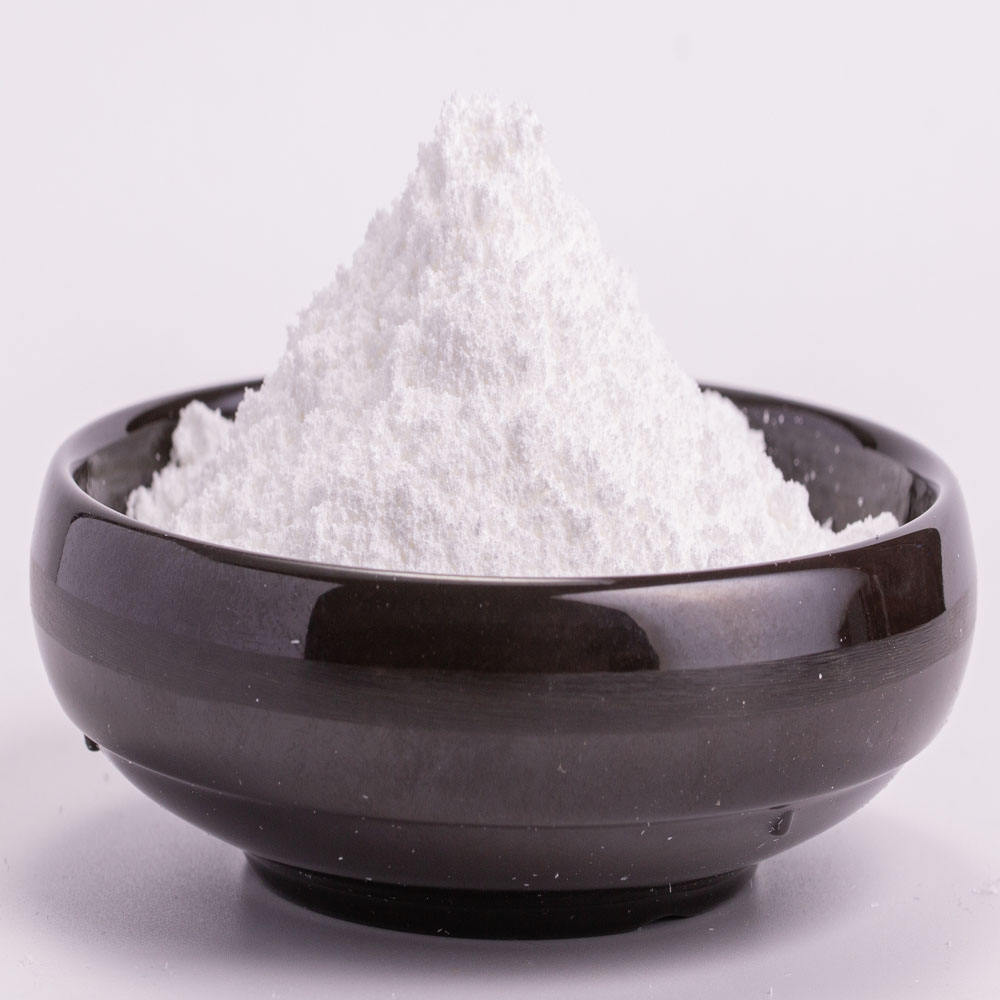
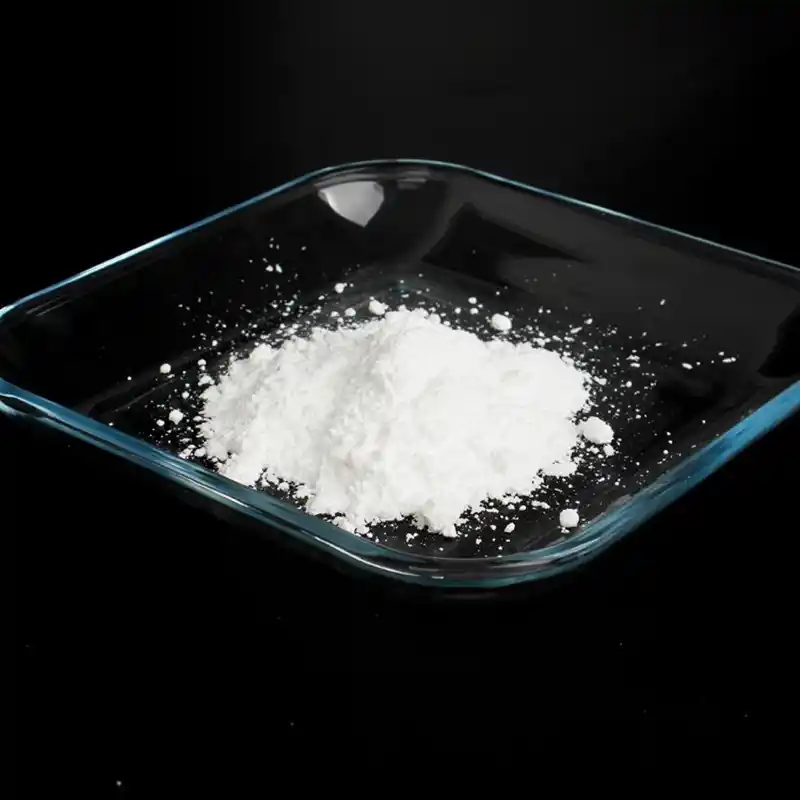
It appears as a white to off-white crystalline powder.

It has an assay of 98.0–101.0% and a specific rotation of -15.5° to -17.5°.

It is freely soluble in water.

GSH is the active reduced form containing a free thiol group; GSSG is the oxidized disulfide form.

It inhibits tyrosinase and shifts pigment production from darker eumelanin toward lighter pheomelanin.

It neutralizes free radicals and regenerates other antioxidants such as vitamin C and vitamin E.

It binds to toxins and heavy metals in the liver and supports their excretion.

It is produced by fermentation and is of non-animal origin, suitable for vegetarian and clean-label products.

It is used in whitening creams and serums at typically 0.5–5% and in anti-aging formulations.

It is used in capsules and tablets for liver support and immune support.

Confirm appearance, identification, assay, solubility, specific rotation, melting point, loss on drying, residue on ignition, heavy metals, arsenic, bulk density and clarity of solution.

It is sensitive to moisture and oxidation; store tightly sealed in a cool, dry, light-resistant place, with 2–8°C recommended for long-term storage.

Confirm packaging with the requested quantity and destination requirements.

The page is an RFQ entry point and does not state stock, price, MOQ or fixed lead time.

For an RFQ, state the intended use, required grade and specification, quantity, packaging, destination and document needs.

FAQ - Technical & Supply Chain

  • Q:

    What is Glutathione Reduced CAS 70-18-8?

    A: Glutathione Reduced CAS 70-18-8, also called L-glutathione or GSH, is a tripeptide made from glutamic acid, cysteine, and glycine. It has the molecular formula C10H17N3O6S, EC number 200-725-4, and molecular weight 307.33 g/mol.
  • Q:

    What is the difference between Glutathione Reduced (GSH) and Oxidized Glutathione (GSSG)?

    A: GSH is the active reduced form containing a free thiol group, so it can donate electrons to neutralize free radicals and support antioxidant activity. GSSG is the oxidized disulfide form produced after GSH reacts; cells can convert GSSG back to GSH through glutathione reductase.
  • Q:

    Why is Glutathione Reduced used in skin-brightening cosmetics?

    A: It can affect melanin synthesis by inhibiting tyrosinase and shifting pigment production away from darker eumelanin toward lighter pheomelanin. It also acts as an antioxidant and helps regenerate other antioxidants such as vitamin C and vitamin E.
  • Q:

    Is Glutathione Reduced stable in aqueous cosmetic formulations?

    A: Pure reduced glutathione can be sensitive to oxidation in water-based products. Formulators often use fresh powder-liquid mixing, anhydrous or low-water bases, protective packaging, pH control, and stabilizers or chelating agents to maintain potency.
  • Q:

    What are the typical grades and storage conditions for Glutathione Reduced?

    A: Common commercial grades include pharmaceutical, food, and cosmetic grade, with USP/EP/JP-style assay often in the 98.0-101.0% range. It is normally stored in tightly sealed containers under cool, dry conditions and protected from light, moisture, and heat.

Ordering & Documentation

Key information for document requests, quotations, and supply planning.

Documents

Tell us which documents your procurement team needs. Before an order, we will check whether the quoted source can provide them for the offered lot.

Quotation

Send the CAS number, grade, quantity, packing preference and destination.

Sample & Supply

Ask whether samples, trial quantities or repeat orders are possible. We will check each request against the sourced product and current offer.

Storage & Shipping

Product-specific conditions are confirmed before order.

Contact Form

Use our contact form to send us your questions, suggestions or comments. We will respond as soon as possible.
For a quotation, please include the product name or CAS number, quantity, grade or application, and destination country or port. Tell us if you need a sample, COA, TDS or SDS.