









• Dipeptide-2 Powder CAS 24587-37-9
  • Dipeptide-2 Powder CAS 24587-37-9
  • Dipeptide-2 Powder CAS 24587-37-9

Dipeptide-2 Powder CAS 24587-37-9

Dipeptide-2 (CAS 24587-37-9) is a synthetic low-molecular-weight peptide consisting of valine and tryptophan, utilized primarily as a functional active ingredient in cosmetic eye care formulations. This specific Valyl-Tryptophan sequence functions as a lymphatic circulation booster, inhibiting Angiotensin Converting Enzyme (ACE) to facilitate fluid drainage and reduce edema in the periorbital area. As a targeted H-Val-Trp-OH component, it is typically incorporated into anti-puffiness creams and serums to improve skin elasticity and reduce the appearance of under-eye bags. Unlike general hydrolyzed proteins, this precise VW peptide offers defined bioactivity for targeted localized application. We provide this cosmetic peptide with competitive factory pricing to support personal care manufacturing and ensure bulk supply availability for formulation scale-up. Our facility accommodates customized specifications for purity and peptide content, while every shipment is fully documented with MSDS, TDS, COA files to meet international cosmetic regulations.

  • CAS: 24587-37-9
  • Einecs: 246-324-8
  • Molecular Formula: C₁₆H₂₁N₃O₃
  • Grade: Cosmetic grade peptide, purity (HPLC) typically ≥98%
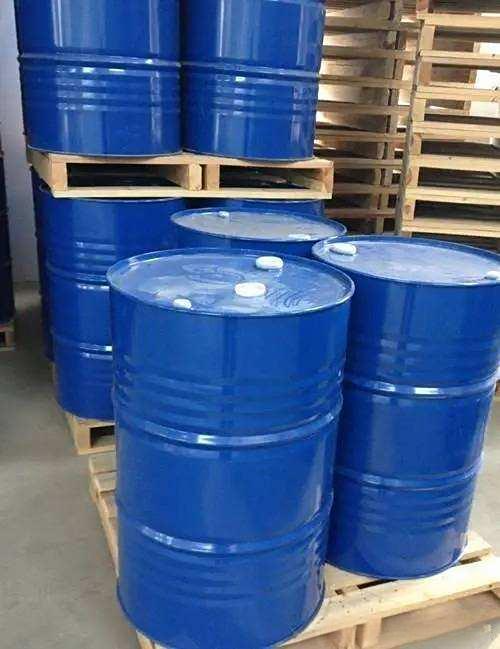
  • Package: 1–10 g R&D vials; 100 g / 500 g / 1 kg aluminum foil bags or fiber drums with double PE liners (custom packaging available)
Request a quote
Share:

Product Description

Dipeptide-2 is a small synthetic peptide consisting of valine and tryptophan, widely used as a cosmetic active in eye-contour formulations to help reduce puffiness, under-eye bags and dark circles. With high peptide purity and stable quality, it is suitable for use in premium eye creams, serums, masks and other anti-aging products.

📧 Email: info@industrochem.com – Contact our technical sales team for latest prices, COA and formulation support.

Physicochemical Properties

Physicochemical Properties (Typical Values, Not for Specification)

PropertyValue / Description
CAS No.24587-37-9
Molecular formulaC₁₆H₂₁N₃O₃
Molecular weight303.36 g/mol (theoretical)
Peptide sequenceVal-Trp (VW), H-Val-Trp-OH
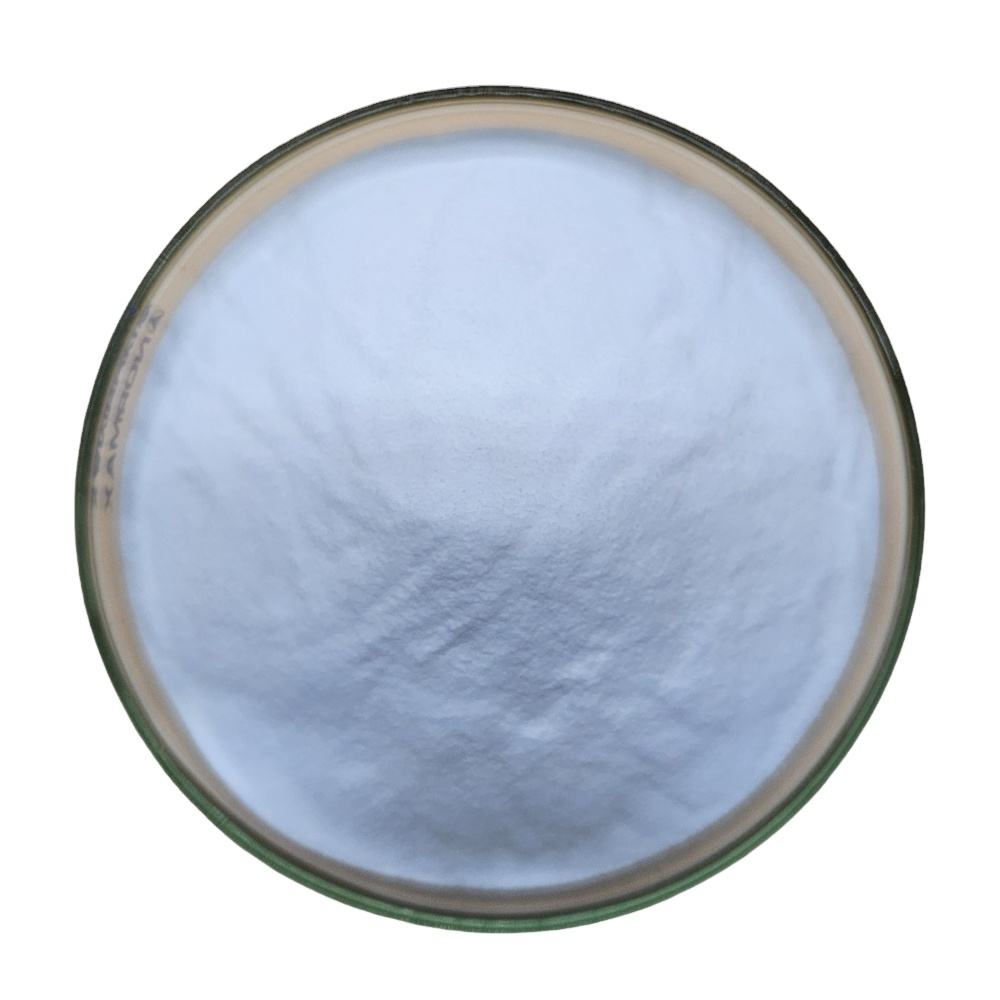
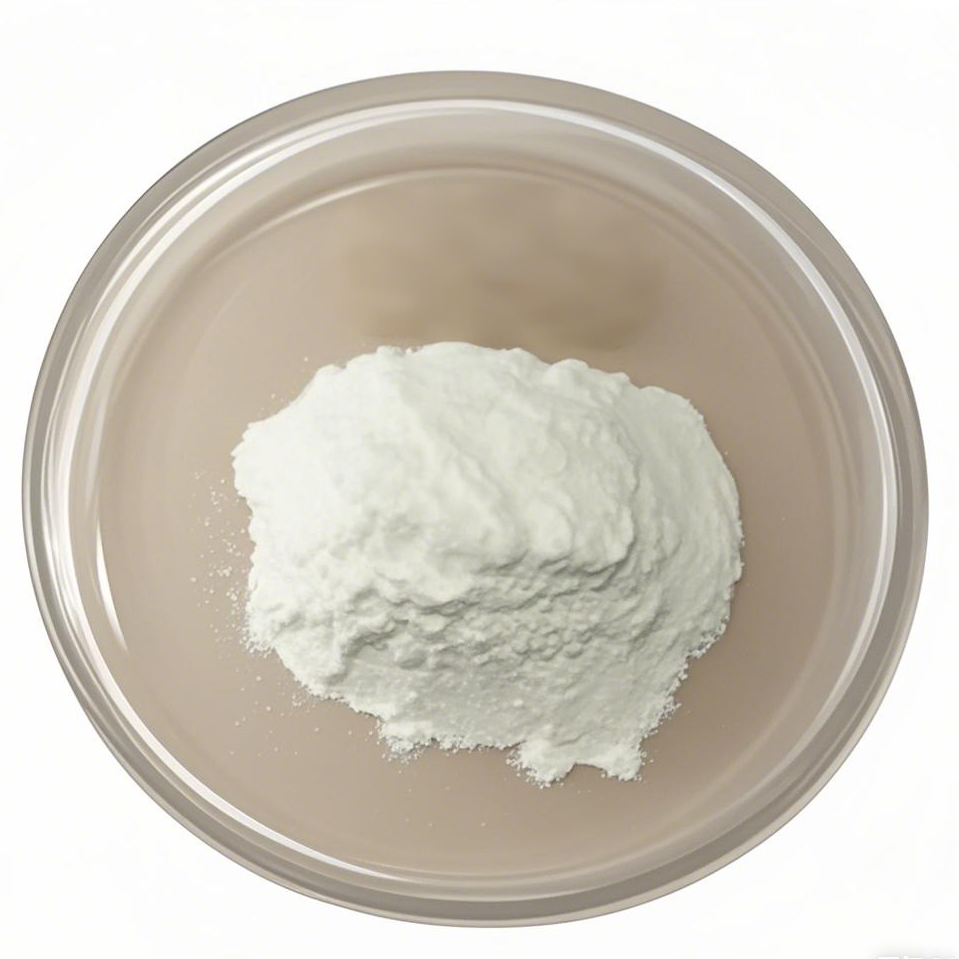
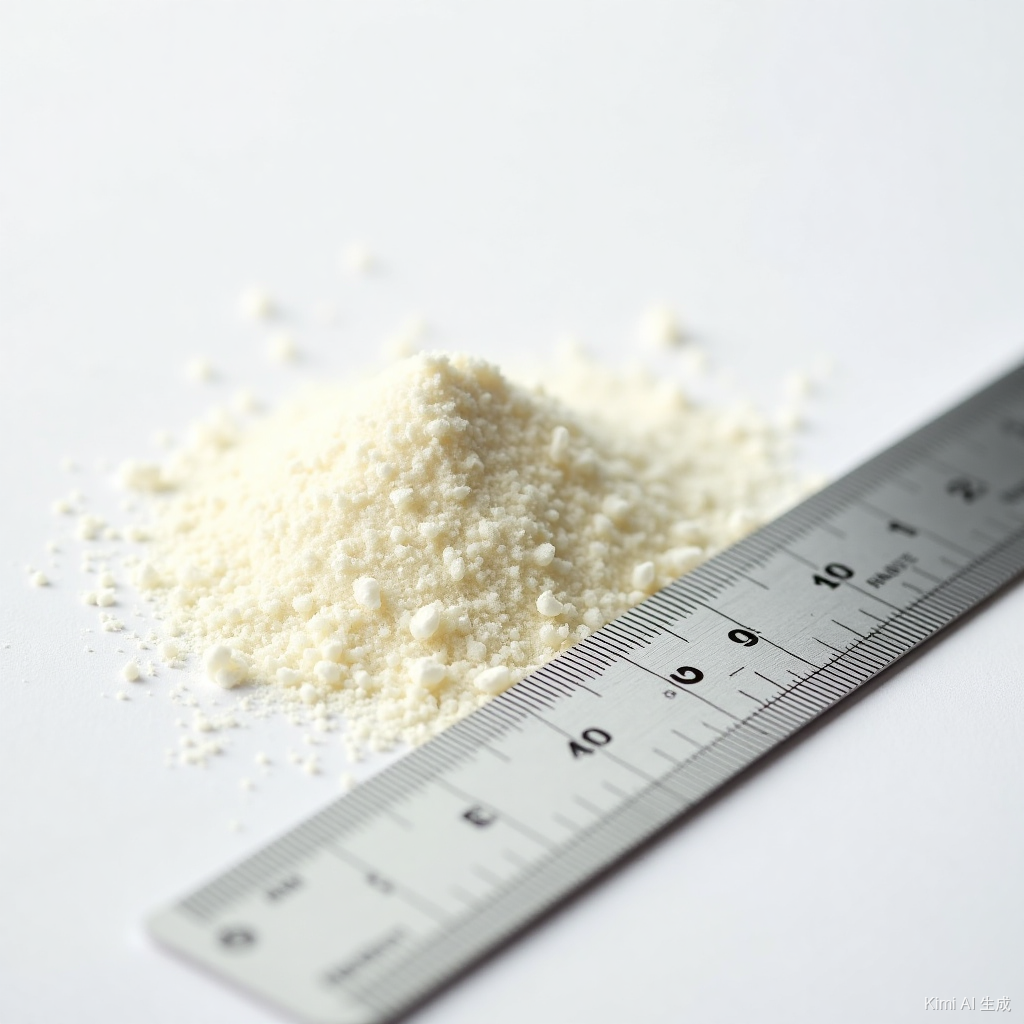
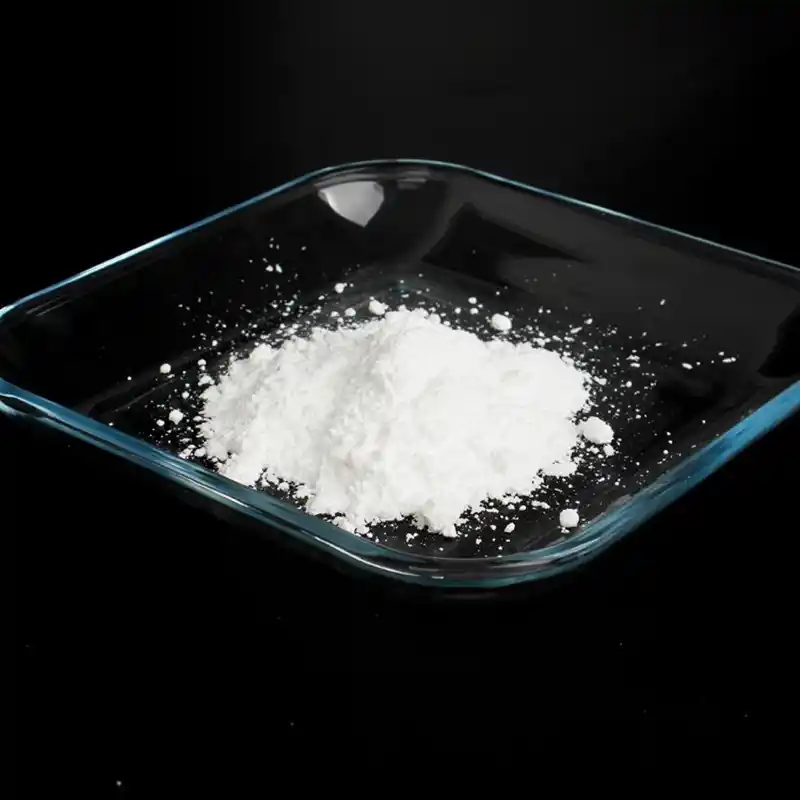
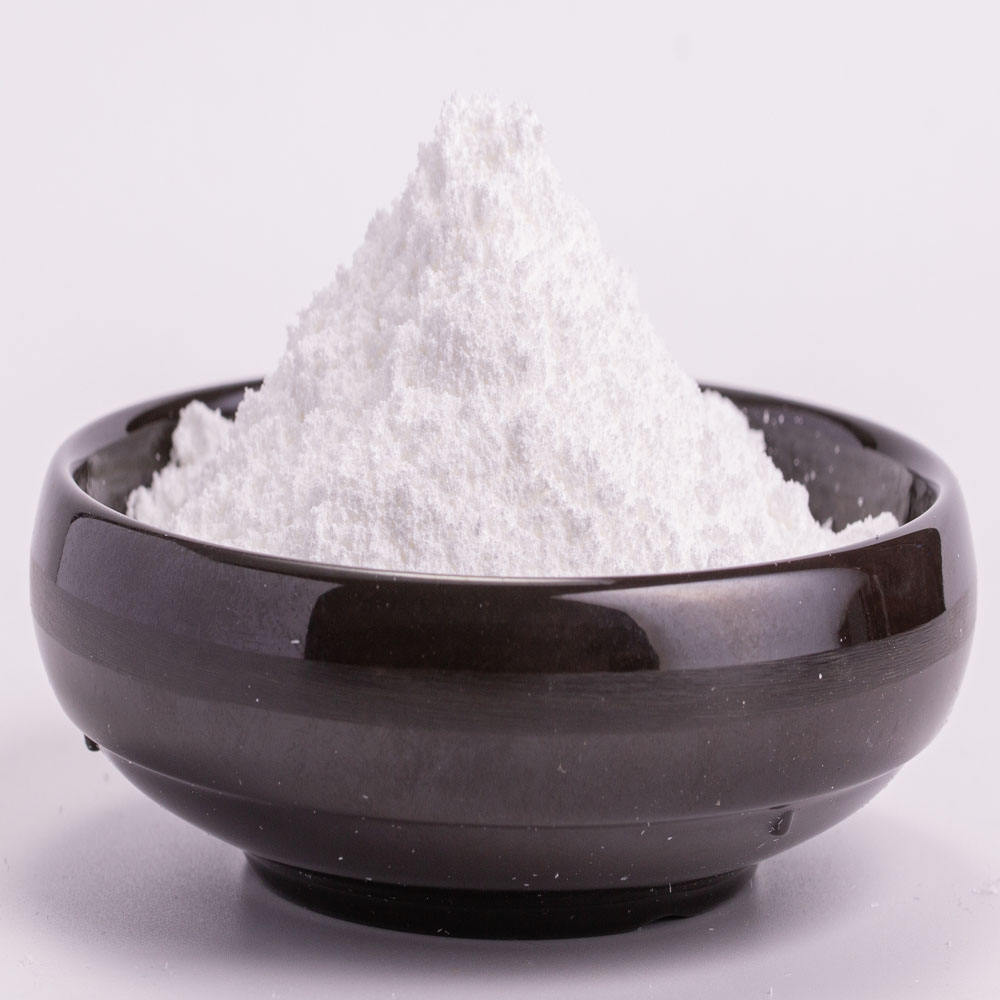
AppearanceWhite to off-white crystalline / amorphous powder
Purity (HPLC)≥98% (cosmetic / peptide grade, typical)
Peptide content≥80% peptide content (typical cosmetic-grade specification)
Density~1.27–1.30 g/cm³ (predicted)
Boiling point (predicted)~604.8 ± 55.0 °C at 760 mmHg
LogP (predicted)~1.3–1.5
pKa (predicted)~3.1 (carboxyl group)
SolubilityWater-soluble; supplied as powder for aqueous systems (insoluble in oils)
Recommended formulation pH~5.0–7.0 for optimal stability and skin compatibility
FormLyophilized / spray-dried peptide powder
Storage temperature (long term)−20 °C (tightly sealed, protected from light and moisture)
Storage temperature (short term)2–8 °C for opened packages to be used within a few months
Shelf life (unopened, proper storage)Typically 24 months from manufacturing date

Applications

Dipeptide-2 is designed for cosmetic use only (not a drug, not for injection or internal use). It is especially popular in eye-care and anti-aging skincare lines.

Main Functional Claims

  • Helps improve lymphatic micro-circulation in the eye contour area
  • Assists in reducing under-eye puffiness and the appearance of eye bags
  • Contributes to reducing the look of dark circles under the eyes
  • Acts as a skin-conditioning and anti-aging peptide, supporting smoother and more elastic skin

Typical Application Areas

  • Eye creams and eye-contour serums (gel, emulsion or lotion formats)
  • Under-eye masks, hydrogel patches, sheet masks
  • Anti-aging facial serums and creams, especially for delicate areas
  • Premium cosmetic formulas targeting tired-looking eyes, morning puffiness and fine lines

Suggested Use Level in Finished Formulations

  • Typical dosage: 0.005–0.5%
  • Maximum level (for most systems): up to ~0.7%, subject to stability and safety testing in your own formulation
  • Add during the cool-down phase (≤40 °C) of emulsions or directly into serums/gels to avoid peptide degradation.

Storage Conditions

To maintain peptide activity and product quality:

  1. Unopened original packaging
    • Store at −20 °C in a freezer or deep-cool storage.
    • Keep container tightly closed, protected from moisture and direct light.
    • Avoid repeated temperature cycling (freeze–thaw).
  2. Opened packaging
    • Reseal inner liner and outer container immediately after use.
    • For frequent lab use, keep at 2–8 °C and use within a few months; for longer-term storage, return to −20 °C when possible.
  3. Formulated products
    • Follow your finished product stability data, but in general store at room temperature away from direct sunlight.
    • Recommended formulation pH: 5.0–7.0 to balance peptide stability and skin tolerance.

Safety Precautions

Based on available SDS and cosmetic ingredient data, Dipeptide-2 is not classified as a hazardous substance under most chemical regulations when handled as a raw material, but standard laboratory and factory hygiene must always be observed.

Handling

  • For industrial / laboratory use only, not for pharmaceutical, injection or direct consumer use.
  • Avoid direct contact with eyes and skin in raw form; avoid inhalation of dust.
  • Use suitable PPE: lab coat, gloves, safety glasses or goggles.
  • Handle in a well-ventilated area; avoid generating dust.

First Aid

  • Inhalation: Move to fresh air; seek medical attention if irritation or discomfort persists.
  • Skin contact: Wash with soap and plenty of water; remove contaminated clothing.
  • Eye contact: Rinse cautiously with clean water for several minutes; seek medical advice if irritation continues.
  • Ingestion: Rinse mouth with water; do not induce vomiting; seek medical help immediately.

Fire & Spill

  • Use standard extinguishing media (dry chemical, CO₂, foam) for surrounding fire.
  • In case of spill, avoid dust, collect mechanically into a suitable container for disposal according to local regulations.

FAQ - Technical & Supply Chain

  • Q:

    How does the chemical structure of CAS 24587-37-9 define its function in cosmetics?

    A: CAS 24587-37-9 identifies the specific dipeptide sequence L-Valyl-L-tryptophan, structurally designed to inhibit ACE activity, which chemically distinguishes it from non-functional moisturizing peptides.
  • Q:

    Is this powder suitable for aqueous cosmetic serums?

    A: Yes, this peptide powder is typically hydrophilic and is intended for dissolution in the aqueous phase of cosmetic emulsions or clear serums below 40°C.
Documents

Documents and Product Support

For product review and sourcing evaluation, supporting documents can be coordinated according to the product type, inquiry stage, and order requirements.

  • COA for batch-based quality reference
  • TDS for key physical and chemical information
  • SDS / MSDS for handling, storage, and safety reference
  • Packing information for sample, trial, and bulk orders
  • Technical communication based on application and specification requirements
Quotation

Information to Confirm Before Quotation

Clear sourcing information helps reduce specification mismatch and allows a more accurate quotation before sample or bulk order discussion.

  • Product name and CAS number
  • Application or intended end use
  • Required purity, grade, or specification
  • Sample quantity, trial order, or bulk demand
  • Preferred packing form or net weight
  • Destination country or port
  • Required documents or compliance expectations
Storage & Handling

Packaging, Storage, and Handling Notes

Packaging form, storage conditions, shelf life, and shipment arrangements should be confirmed according to the product characteristics, package size, and destination requirements.

Before order confirmation, buyers are advised to review the corresponding product documents and confirm whether any special storage, labeling, or handling requirements apply.

Supply Support

Sample, Bulk Order and Repeat Supply Support

Support can be arranged for sample discussion, bulk supply planning, packaging confirmation, and routine sourcing communication based on the actual product and order requirements.

For repeat-use formulations or long-term procurement plans, buyers may discuss specification consistency, packaging preferences, delivery expectations, and document coordination in advance.

Contact Form

Use our contact form to send us your questions, suggestions or comments. We will respond as soon as possible.