










• Sodium Hyaluronate CAS 9067-32-7

Sodium Hyaluronate CAS 9067-32-7

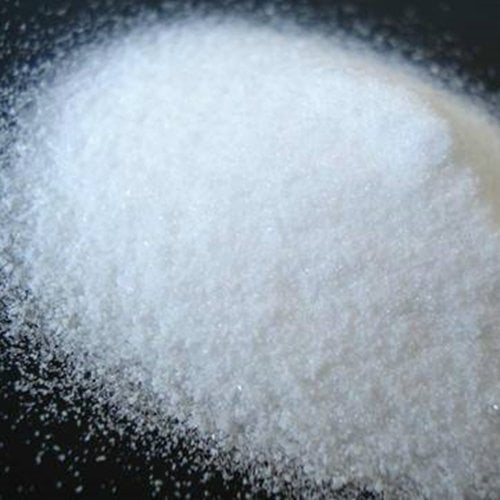
Sodium Hyaluronate (CAS 9067-32-7), chemically identified as the sodium salt of hyaluronic acid, is a naturally occurring glycosaminoglycan functioning as a premier humectant and viscoelastic agent in cosmetic skin care formulation and biomedical applications. This white hygroscopic powder, also technically referred to as hyaluronan sodium or sodium hyaluronate polymer, serves as a structural hydrator capable of holding up to 1,000 times its weight in water, ensuring deep hydration in serums, creams, and ophthalmic solutions. We provide bulk supply of this high-purity ingredient with competitive factory pricing to support personal care and medical device manufacturers. Our manufacturing capabilities cover various molecular weights, making MSDS, TDS, COA available alongside customized specifications to target precise permeation or film-forming properties.

  • CAS: 9067-32-7
  • Synonyms: Hyaluronic acid sodium salt, Hyaluronan sodium, Sodium hyaluronate polymer, poly(sodium hyaluronate), sodium hyaluronate biopolymer
  • Einecs: 618-620-0
  • Molecular Formula: (C14H20NO11Na)n
  • Grade: Cosmetic / Pharmaceutical grade
  • Package: 1 kg aluminum foil bag; 5 kg & 10 kg fiber drum with double PE liner, or customized on request
Request a quote
Share:

Product Description

Sodium Hyaluronate is the sodium salt of hyaluronic acid, a naturally occurring glycosaminoglycan widely used in skin care, pharmaceuticals and medical devices for its excellent moisturizing, lubricating and biocompatible properties. Produced by microbial fermentation and purified to low-impurity levels, it is suitable for high-end cosmetic formulations and selected pharmaceutical applications.

📧 Email: info@industrochem.com to request the latest factory price, COA/TDS and free sample evaluation.

Physicochemical Properties

ItemSpecification (Typical)
Product nameSodium Hyaluronate
CAS No.9067-32-7
EINECS No.618-620-0
Molecular formula(C₁₄H₂₂NNaO₁₁)ₙ
Molecular weight (monomer unit)approx. 403.31 g/mol
AppearanceWhite to off-white, free-flowing or fibrous powder
OdorPractically odorless
Assay (on dry basis)≥ 98.0%
pH (0.1–1.0% solution, 25 °C)6.0 – 7.5
SolubilityFreely soluble in water; practically insoluble in organic solvents
Melting point> 200 °C (decomposition)
Viscosity (0.1–1.0% aq., 25 °C)As per grade: low, medium or high MW (specified on COA)
Loss on drying≤ 10.0%
Residue on ignition≤ 20.0%
Heavy metals≤ 20 ppm
OriginMicrobial fermentation (non-animal)

(Parameters can be adjusted to your in-house specification; final values are confirmed on COA for each batch.)


Applications

1. Cosmetics & Personal Care

  • Moisturizing serums, essences and ampoules
  • Lotions, creams, eye creams and masks
  • Cleansers, toners, make-up bases and foundations
  • Hair care products (leave-in treatments, conditioners)

Key benefits for formulators:

  • Strong humectant effect; helps reduce TEWL (transepidermal water loss)
  • Improves skin smoothness, elasticity and plumpness
  • Enhances sensory profile and film-forming on skin surface
  • Works synergistically with glycerin, panthenol, ceramides and other actives

2. Pharmaceutical & Medical Uses

  • Ophthalmic preparations (eye drops, viscoelastic solutions – according to local regulations)
  • Topical formulations for wound care and scar management
  • Intra-articular or injectable products (where permitted, subject to GMP and registration)

3. Nutraceuticals & Functional Foods

  • Joint health, skin beauty and anti-aging supplements (capsules, sachets, beverages)
  • Combination formulas with collagen, chondroitin, vitamins and minerals

4. Other Industrial Uses

  • Biomedicine, tissue engineering and cell culture media (R&D and specialty applications)

Storage Conditions

  • Store in tightly closed original packaging.
  • Keep in a cool, dry and well-ventilated area, recommended storage temperature 2–8 °C or below 25 °C away from heat sources.
  • Protect from moisture, direct sunlight and strong oxidizing agents.
  • Avoid long exposure of opened bags to air; reseal promptly after each use.
  • Under recommended conditions, typical shelf life is 24 months from manufacturing date (see product label/COA).

Safety Precautions

Sodium Hyaluronate is generally regarded as safe and well tolerated when used as directed in cosmetic and pharmaceutical formulations.

Basic handling recommendations for factory and laboratory staff:

  • Avoid generating dust; handle in areas with adequate ventilation.
  • Wear appropriate PPE: dust mask or respirator, safety glasses and protective gloves.
  • In case of eye contact: rinse immediately with plenty of water; seek medical advice if irritation persists.
  • In case of skin contact: wash with soap and water.
  • Avoid inhalation of fine powder; move to fresh air if discomfort occurs.
  • Not intended for direct household use; always formulate before end-use and comply with local regulations for cosmetics, pharmaceuticals or foods.
  • Dispose of spilled material and waste according to local environmental regulations.

For detailed safety information, please request our latest MSDS by email.

FAQ - Technical & Supply Chain

  • Q:

    How is Sodium Hyaluronate (CAS 9067-32-7) chemically distinguished from pure Hyaluronic Acid?

    A: Sodium Hyaluronate is the salt form of Hyaluronic Acid; chemically, the replacement of the acid proton with a sodium ion renders the molecule significantly more stable, resistant to oxidation, and water-soluble, making it the preferred form for industrial formulation compared to the unstable acid form.
  • Q:

    Does the molecular weight of this material impact its industrial application scope?

    A: Yes, the molecular weight is a critical specification; low molecular weight grades are intended for deep tissue penetration in anti-aging serums, while high molecular weight grades are utilized for surface hydration and film-forming in barrier repair products.
Documents

Documents and Product Support

For product review and sourcing evaluation, supporting documents can be coordinated according to the product type, inquiry stage, and order requirements.

  • COA for batch-based quality reference
  • TDS for key physical and chemical information
  • SDS / MSDS for handling, storage, and safety reference
  • Packing information for sample, trial, and bulk orders
  • Technical communication based on application and specification requirements
Quotation

Information to Confirm Before Quotation

Clear sourcing information helps reduce specification mismatch and allows a more accurate quotation before sample or bulk order discussion.

  • Product name and CAS number
  • Application or intended end use
  • Required purity, grade, or specification
  • Sample quantity, trial order, or bulk demand
  • Preferred packing form or net weight
  • Destination country or port
  • Required documents or compliance expectations
Storage & Handling

Packaging, Storage, and Handling Notes

Packaging form, storage conditions, shelf life, and shipment arrangements should be confirmed according to the product characteristics, package size, and destination requirements.

Before order confirmation, buyers are advised to review the corresponding product documents and confirm whether any special storage, labeling, or handling requirements apply.

Supply Support

Sample, Bulk Order and Repeat Supply Support

Support can be arranged for sample discussion, bulk supply planning, packaging confirmation, and routine sourcing communication based on the actual product and order requirements.

For repeat-use formulations or long-term procurement plans, buyers may discuss specification consistency, packaging preferences, delivery expectations, and document coordination in advance.

Contact Form

Use our contact form to send us your questions, suggestions or comments. We will respond as soon as possible.