










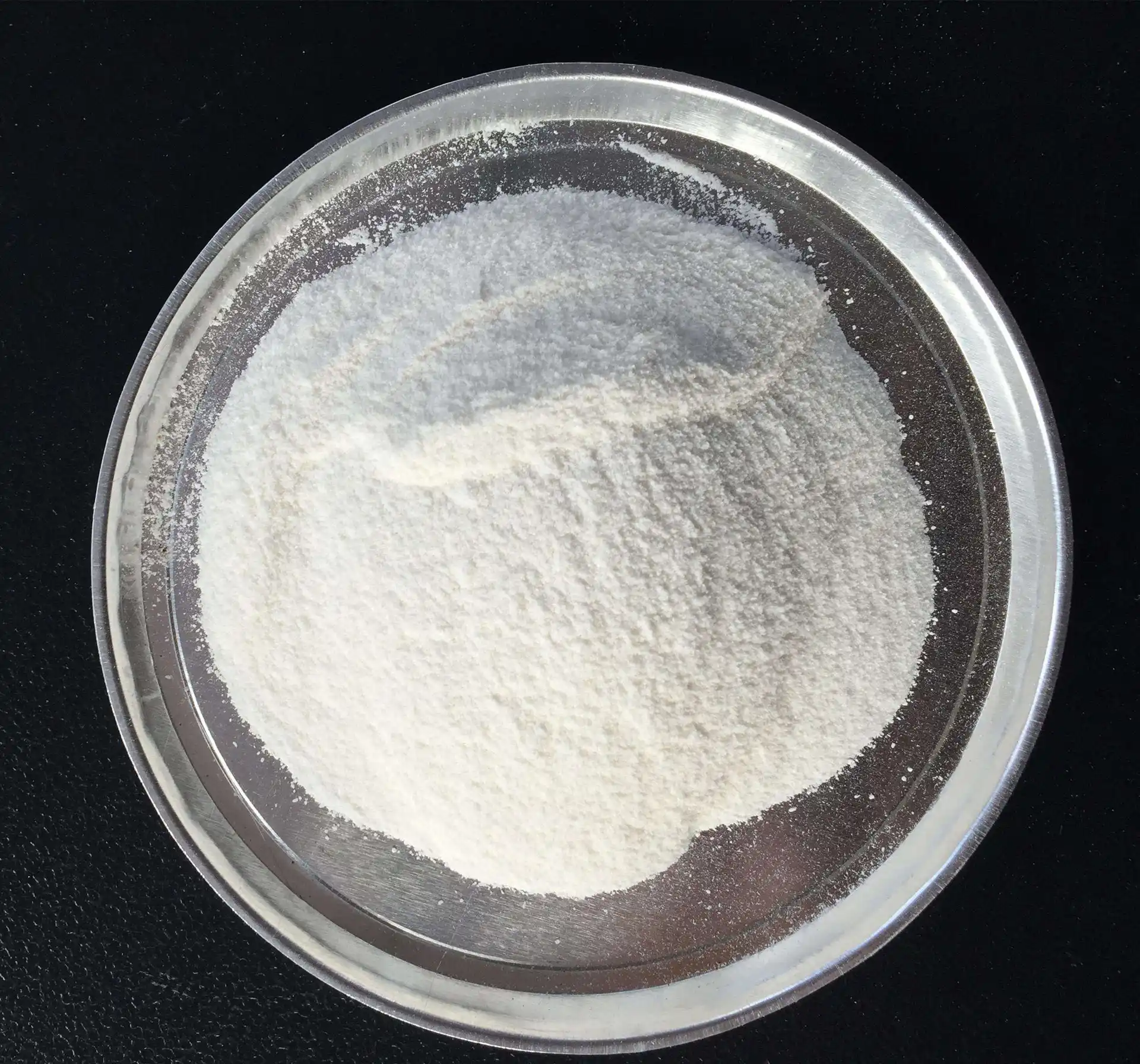
• Sodium Alginate CAS 9005-38-3
  • Sodium Alginate CAS 9005-38-3

Sodium Alginate CAS 9005-38-3

Sodium Alginate (CAS 9005-38-3), chemically identified as the sodium salt of alginic acid, is a natural anionic polysaccharide functioning as a premier thickening agent and rheology modifier in textile printing paste formulation and food processing. Extracted from brown algae (Phaeophyceae), this hydrophilic powder, also technically referred to as algin or sodium polymannuronate, serves as a key binder in reactive dye printing to ensure sharp definition and color yield, and acts as a gelling agent in food hydrocolloid systems. We provide bulk supply of this industrial ingredient with competitive factory pricing to optimize production costs for textile and food manufacturers. Our processing facilities strictly control viscosity and particle size, making MSDS, TDS, COA available alongside customized specifications to meet specific printing mesh or food grade (E401) standards.

  • CAS: 9005-38-3
  • Synonyms: Algin, Alginic acid sodium salt, Sodium polymannuronate, Sodium alginate polymer, Alginate
  • Einecs: 618-415-6
  • Molecular Formula: (C₆H₇O₆Na)ₙ
  • Grade: Food grade / Industrial grade
  • Package: 25 kg paper-plastic composite bag with PE inner liner; jumbo bags or OEM packing on request
Request a quote
Share:

Product Description

Sodium alginate is a water-soluble polysaccharide derived from brown seaweed. It is widely used as a thickener, stabilizer, gelling agent and film-former in food, pharmaceutical, textile printing, personal care and other industrial formulations.

We supply consistent-quality sodium alginate from Chinese factories, with stable viscosity grades, competitive bulk prices and full technical support (COA, MSDS, TDS, samples).

📧 Email: info@industrochem.com – Send us your required grade, viscosity and application, and we will reply with a tailored quotation and technical data pack.

Physicochemical Properties

PropertyTypical Value / Range*
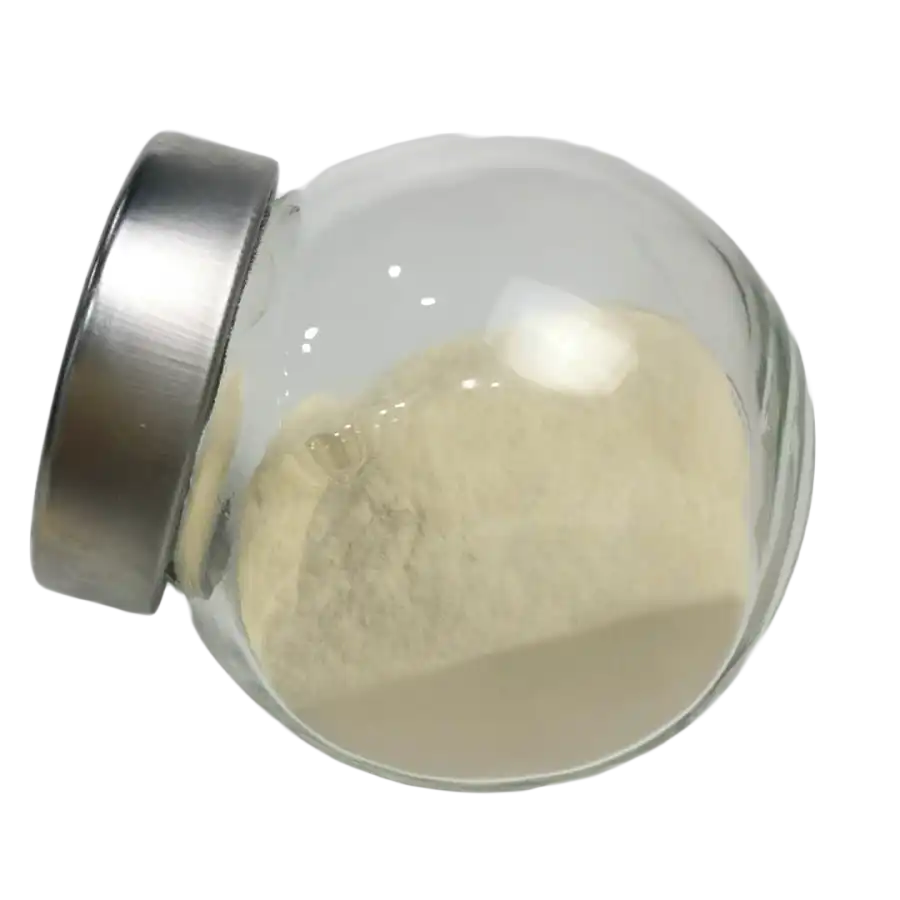
AppearanceWhite to off-white, free-flowing powder
OdorOdorless
CAS9005-38-3
Einecs618-415-6
Molecular formula(C₆H₇O₆Na)ₙ
SolubilitySoluble in water, forms viscous colloidal solution; insoluble in ethanol, ether, chloroform
pH (1% aq. solution, 20°C)6.0 – 8.0
Typical viscosity grades (1% solution)20–50, 100–200, 300–400, 500–600, 800–900 mPa·s (customizable)
Bulk densityApprox. 0.5 – 0.9 g/cm³ (tapped)
True densityApprox. 1.0 g/cm³ (25°C)
Moisture (loss on drying)≤ 15.0%
Ash (ignition residue as Na₂O)Approx. 30 – 37%
Melting / decomposition temperature~99 °C (softening; decomposes on strong heating)
Stability (aqueous solution)Most stable at pH 4–10; precipitates below pH 3

*Exact specs can be adjusted according to your internal standard (food/FCC, pharma, industrial).


Applications

1. Food & Beverage (E401)

  • As a thickener and stabilizer in sauces, salad dressings, dairy products, yogurt, ice cream and desserts.
  • Provides smooth mouthfeel, suspension stability, freeze–thaw resistance and controlled viscosity.
  • Used in restructured foods, fruit preparations and bakery fillings for water retention and anti-syneresis.

2. Pharmaceutical & Nutraceutical

  • Used as a binder and disintegrant in tablets and capsules.
  • Thickening agent in oral suspensions, syrups and antacid/GERD formulations (forms a protective gel with calcium ions).
  • Carrier or matrix polymer in controlled-release dosage forms and microencapsulation systems.

3. Textile Printing & Dyeing

  • Common printing thickener for reactive dyes on cotton, viscose and blended fabrics.
  • Delivers good color yield, levelness and easy washing-off, with low impact on shade and handle.

4. Personal Care & Household

  • Rheology modifier in toothpaste, facial masks, lotions, shampoos, gels and hand soaps.
  • Provides natural, mild thickening and helps stabilize emulsions and suspensions.

5. Other Industrial Uses

  • Binder for welding rods, ceramics and foundry molds.
  • Thickener and stabilizer in coatings, paper, adhesives and construction chemicals.
  • Component of immobilized enzyme/cell carriers and hydrogel systems in biotech and water treatment.

If you tell us your industry (food, pharma, textile, cosmetic, etc.) and process conditions, we can recommend the most suitable viscosity grade and quality standard.


Storage Conditions

To maintain product quality during transport and storage:

  • Store in a cool, dry and well-ventilated warehouse. Recommended temperature: ≤ 25°C, relative humidity < 65%.
  • Keep bags tightly sealed after opening to avoid moisture absorption and caking (sodium alginate is hygroscopic).
  • Avoid direct sunlight, high temperature, strong acids and strong oxidizing agents.
  • Use strictly on a FIFO (first in, first out) basis.
  • Typical shelf life: 24 months from production date in unopened original packaging (exact shelf life can follow your factory COA).

Safety Precautions

Sodium alginate is generally regarded as a low-toxicity, non-irritant material and is widely approved for use in food, cosmetics and pharmaceuticals.

Basic handling advice for workers:

  • Avoid generating excessive dust; local exhaust ventilation is recommended at handling points.
  • Wear dust mask/respirator, safety glasses and gloves when handling large quantities.
  • Inhalation: move to fresh air; seek medical attention if discomfort persists.
  • Skin contact: wash with soap and water; remove contaminated clothing.
  • Eye contact: rinse cautiously with water for several minutes; seek medical advice if irritation continues.
  • Spill: sweep or vacuum up the dry powder carefully and place in appropriate containers; avoid dispersing dust.

Material is not classified as hazardous under CLP in typical SDS, but local regulations and your internal HSE rules should always be followed.

For detailed safety information and transport classification, we can provide MSDS, COA and other regulatory documents with your inquiry.

FAQ - Technical & Supply Chain

  • Q:

    Does the CAS registry number 9005-38-3 encompass all viscosity grades of this polymer?

    A: Yes, this CAS identifier technically covers the entire class of Sodium Alginate polymers regardless of their chain length or molecular weight, meaning it applies equally to both low-viscosity textile grades and high-viscosity food grades provided the chemical identity remains the sodium salt of alginic acid.
  • Q:

    Why is Sodium Alginate chemically designated as the standard thickener for reactive printing on cotton?

    A: Ideally intended for cellulosic fiber printing, its chemical structure contains carboxyl groups that repel the anionic reactive dyes, preventing the thickener from reacting with the dye itself; this ensures the color bonds only to the fabric and allows the paste to wash off completely without stiffening the textile.
Documents

Documents and Product Support

For product review and sourcing evaluation, supporting documents can be coordinated according to the product type, inquiry stage, and order requirements.

  • COA for batch-based quality reference
  • TDS for key physical and chemical information
  • SDS / MSDS for handling, storage, and safety reference
  • Packing information for sample, trial, and bulk orders
  • Technical communication based on application and specification requirements
Quotation

Information to Confirm Before Quotation

Clear sourcing information helps reduce specification mismatch and allows a more accurate quotation before sample or bulk order discussion.

  • Product name and CAS number
  • Application or intended end use
  • Required purity, grade, or specification
  • Sample quantity, trial order, or bulk demand
  • Preferred packing form or net weight
  • Destination country or port
  • Required documents or compliance expectations
Storage & Handling

Packaging, Storage, and Handling Notes

Packaging form, storage conditions, shelf life, and shipment arrangements should be confirmed according to the product characteristics, package size, and destination requirements.

Before order confirmation, buyers are advised to review the corresponding product documents and confirm whether any special storage, labeling, or handling requirements apply.

Supply Support

Sample, Bulk Order and Repeat Supply Support

Support can be arranged for sample discussion, bulk supply planning, packaging confirmation, and routine sourcing communication based on the actual product and order requirements.

For repeat-use formulations or long-term procurement plans, buyers may discuss specification consistency, packaging preferences, delivery expectations, and document coordination in advance.

Contact Form

Use our contact form to send us your questions, suggestions or comments. We will respond as soon as possible.