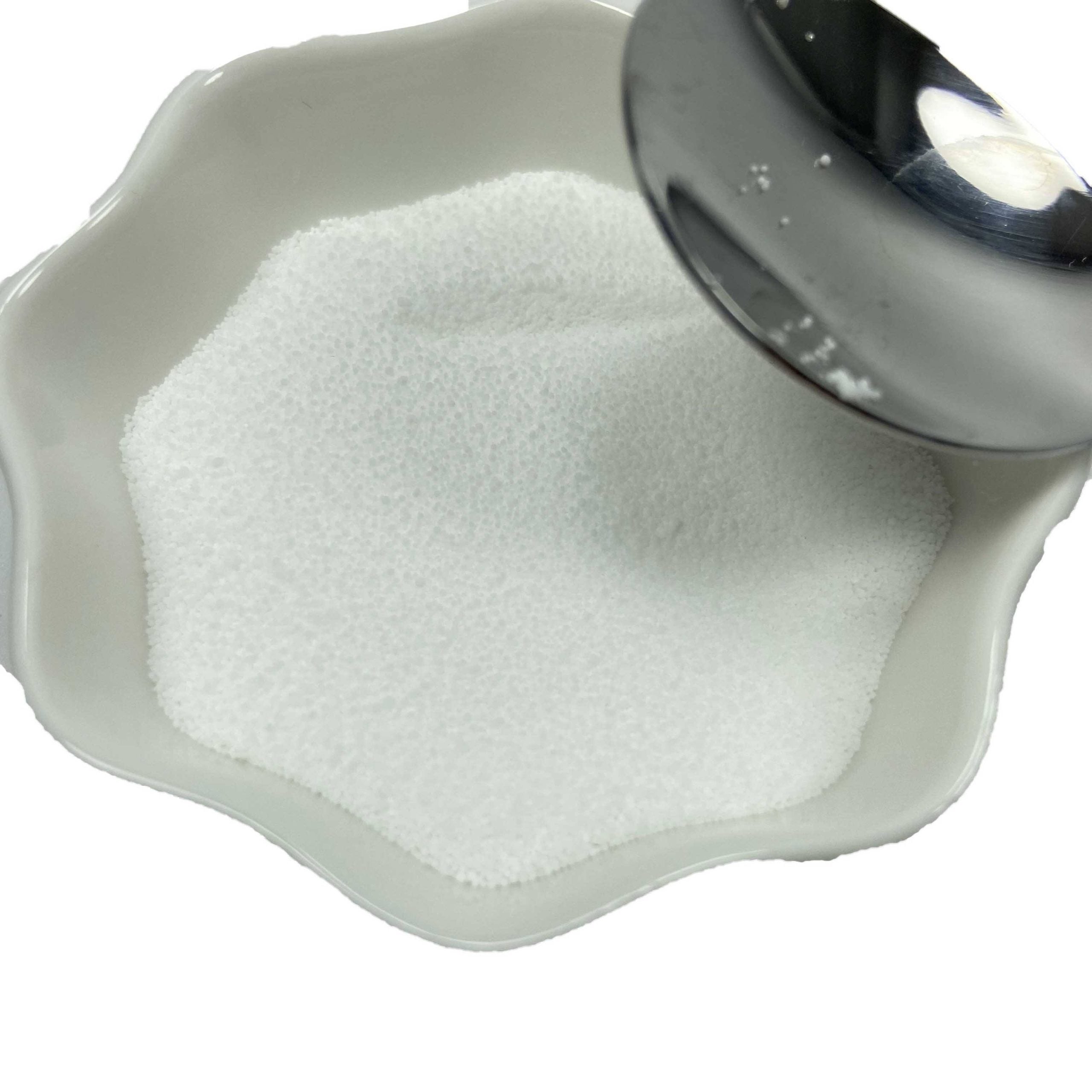










Calcium Chloride Dihydrate CAS 10035-04-8 is a hygroscopic inorganic salt chemically defined as calcium dichloride dihydrate , functioning primarily as a rapid setting accelerator in concrete formulations and a density-modifying agent in oil drilling brines. Also known as Calcium chloride 2-hydrate or Hydrophilite, this flake or granular material is utilized to facilitate low-temperature curing in cementitious systems and acts as a desiccant in industrial drying processes. We provide professional access to this material with competitive factory pricing and the ability to meet customized specifications for various manufacturing requirements. Our commitment to technical transparency ensures that every shipment is accompanied by comprehensive MSDS, TDS, COA documentation to support your quality assurance protocols, and we maintain capacity for consistent bulk supply to facilitate large-scale industrial operations.
Calcium Chloride Dihydrate CAS 10035-04-8
- CAS: 10035-04-8
- Synonyms: Calcium dichloride dihydrate, Calcium chloride 2-hydrate, CaCl2 dihydrate, Calcium(II) chloride dihydrate, Hydrophilite
- Einecs: 233-140-8
- Molecular Formula: CaCl2·2H2O
- Grade: Food Grade (FCC), Technical Grade, Oilfield Grade
- Package: 25kg PE/PP bags, 1000kg Jumbo bags with moisture-proof liners.
Product Description
Physicochemical Properties
The following specifications represent our standard export-grade flakes, optimized for high solubility and low impurity.
| Property | Technical Grade (Standard) | Food Grade (Refined) |
|---|---|---|
| Purity (CaCl2CaCl2) | ≥ 74.0% | 74.0% – 77.0% |
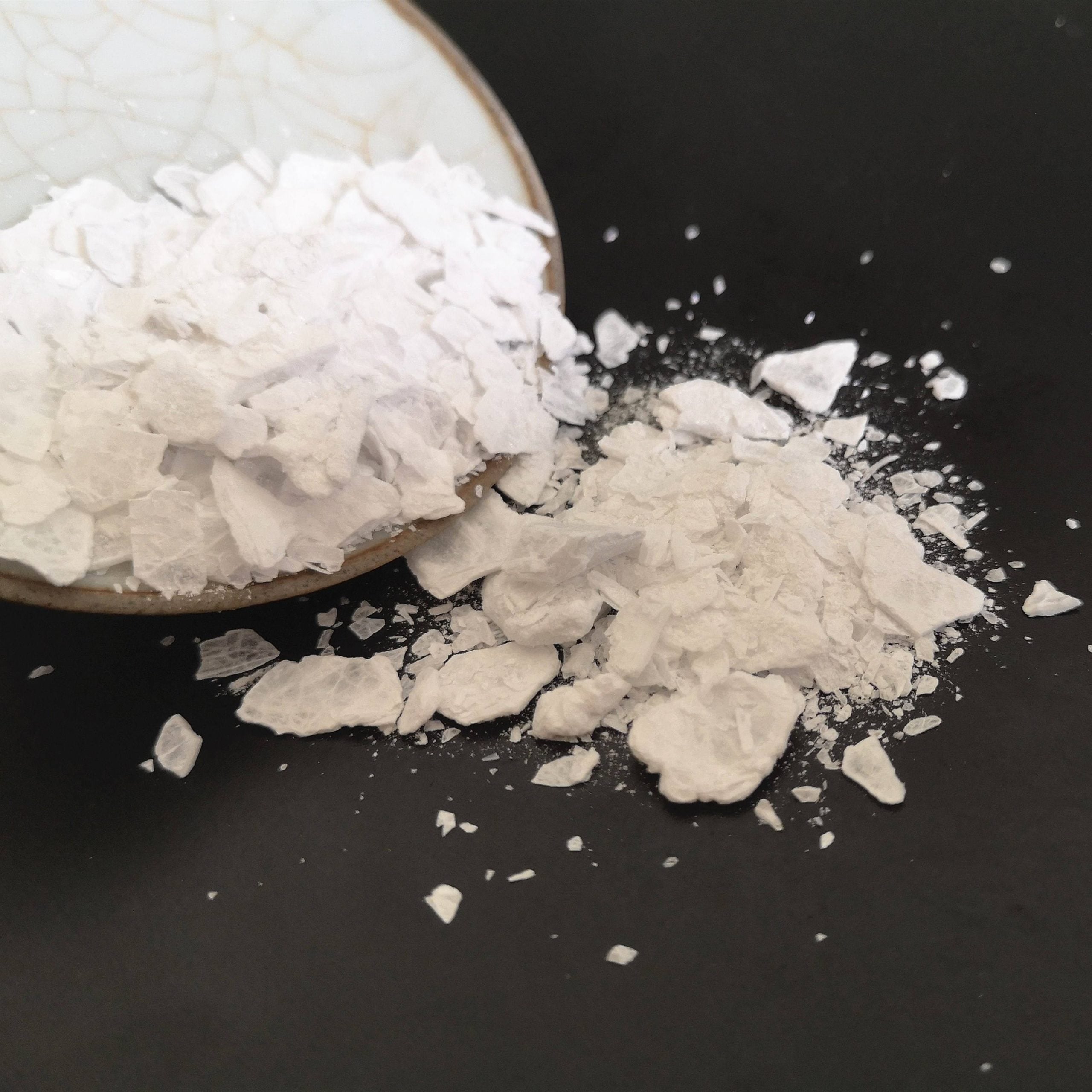
| Appearance | White Flakes / Pellets | Pure White Flakes |
| Alkalinity as Ca(OH)2Ca(OH)2 | ≤ 0.20% | ≤ 0.15% |
| Alkali Metal Chlorides | ≤ 5.0% | ≤ 3.0% |
| Water Insoluble | ≤ 0.1% | ≤ 0.05% |
| Magnesium (as MgCl2MgCl2) | ≤ 0.5% | ≤ 0.3% |
| Iron (Fe) | ≤ 0.005% | ≤ 0.003% |
| pH (5% aqueous solution) | 8.0 – 11.0 | 7.5 – 9.0 |
| Heavy Metals (as Pb) | N/A | ≤ 0.001% |
Primary Applications
1. Oil & Gas Industry (Oilfield Grade)
In drilling, our Dihydrate Calcium Chloride is used to increase the density of clear-water brines and to provide inhibitive properties to drilling muds, preventing the swelling of reactive clays in the wellbore.
2. Road Maintenance & De-icing
It is one of the most effective de-icers available. It works at temperatures as low as -25°C, significantly lower than traditional rock salt. It is also used as a dust suppressant on unpaved roads by absorbing moisture from the air to keep the surface damp.
3. Food Processing (E509)
- Cheese Making: Restores calcium balance to heat-treated milk.
- Canning: Acts as a firming agent to keep vegetables (like pickles and peppers) crunchy.
- Brewing: Adjusts mineral content in water to influence the beer’s flavor and yeast activity.
4. Construction (Accelerator)
Added to concrete mixes to speed up the initial setting time, especially in cold weather environments, allowing for faster project completion.
For projects that require the lower-water form, see Calcium Chloride Anhydrous.
Storage & Handling
The “Sponge” Effect: Calcium Chloride is highly hygroscopic. This means it will actively “pull” moisture out of the air.
- Storage: Must be stored in a dry, cool warehouse. Keep bags tightly sealed.
- Caking Prevention: Even if the chemical purity remains unchanged, caking can make it difficult to use. Always store on pallets and avoid stacking more than 20 bags high for long periods.
- Shelf Life: 24 months, provided the moisture-proof seal is not compromised.
Safety Precautions
- Exothermic Reaction: When dissolving Dihydrate Calcium Chloride in water, it releases heat. Always add the chemical to water slowly while stirring. Never add water to a pile of Calcium Chloride.
- Skin & Eye Protection: It is a desiccant. Direct contact will dry out skin and irritate eyes. Wear safety goggles and gloves.
- First Aid: In case of contact with eyes, rinse immediately with plenty of water for at least 15 minutes and seek medical advice.
Why Source From Us?
We understand that for an importer, the color and the pH stability of the brine are just as important as the percentage. Our production lines are equipped with optical sorters to ensure our flakes remain pure white, and our laboratory tests every batch for heavy metal compliance.
For current lead times and shipping schedules to your port: 📧 Contact: info@industrochem.com
FAQ - Technical & Supply Chain
-
Q:
What is Calcium Chloride Dihydrate CAS 10035-04-8?
A: Calcium Chloride Dihydrate CAS 10035-04-8 is the two-water crystalline form of calcium chloride, with molecular formula CaCl2·2H2O and molecular weight about 147.02. It has EINECS number 233-140-8 and is commonly supplied as white flakes or pellets. -
Q:
How does Calcium Chloride Dihydrate differ from anhydrous calcium chloride?
A: The dihydrate is CAS 10035-04-8 and contains two water molecules per calcium chloride unit, so its CaCl2 content is lower than the anhydrous form CAS 10043-52-4. Anhydrous calcium chloride is more concentrated and more aggressively hygroscopic, while the dihydrate is easier to handle for many brine, food, and de-icing applications. -
Q:
Why does the product specification list 74-77% purity instead of 99%?
A: This table expresses purity as CaCl2 content in the hydrated product. Calcium chloride dihydrate naturally contains water of crystallization, so a high-quality dihydrate typically corresponds to roughly 74-77% CaCl2; some suppliers instead state a dihydrate assay of 99-107% on the hydrated basis. Buyers should compare grade, basis, and intended use together. -
Q:
What are the main oilfield and de-icing applications?
A: Oilfield-grade calcium chloride dihydrate is used to increase clear-water brine density and help inhibit reactive clay swelling in drilling fluids. For road maintenance and de-icing, it works at temperatures down to about -25 C and is also used as a dust suppressant because it can retain moisture. -
Q:
How is Calcium Chloride Dihydrate used in food and construction?
A: Food-grade material, listed as E509, is used as a firming agent, sequestrant, and calcium source in products such as cheese and canned foods. In construction, it can act as a concrete setting accelerator and early-strength aid, especially in cold-weather concreting. -
Q:
How should Calcium Chloride Dihydrate be handled and stored?
A: Keep it in closed, moisture-proof packaging and store in a dry area away from direct water contact. The product is hygroscopic, so prolonged exposure to humid air can cause caking or liquid absorption; the offered PE/PP bags and jumbo bags are intended to limit moisture ingress.
Ordering & Documentation
Key information for document requests, quotations, and supply planning.
Documents
COA, TDS, SDS/MSDS and packing details are available on request.
Quotation
Send the CAS number, grade, quantity, packing preference and destination.
Sample & Supply
Support is available for samples, trial orders, bulk and repeat supply.
Storage & Shipping
Product-specific conditions are confirmed before order.