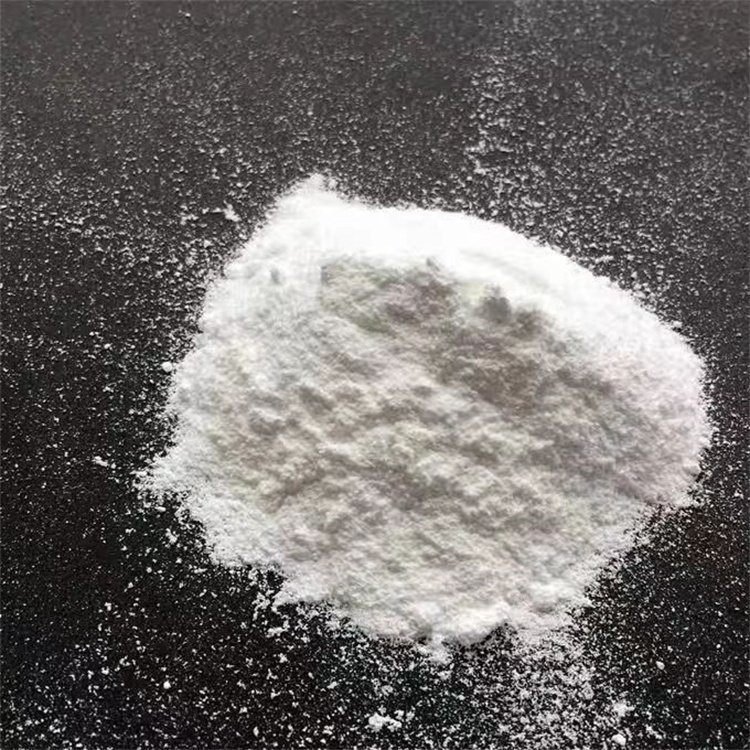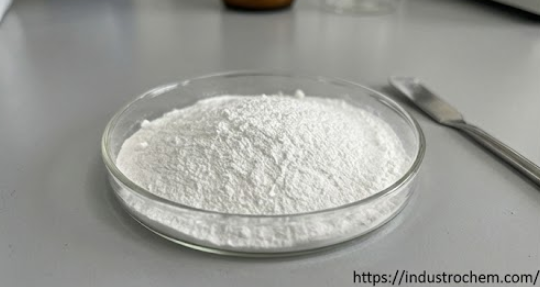
Zinc Carbonate CAS 3486-35-9 is an inorganic zinc salt chemically defined as carbonic acid zinc salt , functioning primarily as a hydrogen sulfide scavenger in oil drilling fluids and an activator in rubber vulcanization processes. Also known as Smithsonite or Zinc monocarbonate, this white crystalline powder is utilized to remove sulfur contaminants from industrial gas streams and serves as a precursor in the manufacturing of pharmaceutical formulations and zinc-based pigments. We provide professional access to this material with competitive factory pricing and the ability to meet customized specifications for various manufacturing requirements. Our commitment to technical transparency ensures that every shipment is accompanied by comprehensive MSDS, TDS, COA documentation to support your quality assurance protocols, and we maintain capacity for consistent bulk supply to facilitate large-scale industrial operations.
Basic Zinc Carbonate CAS 5263-02-5
- CAS: 5263-02-5
- Synonyms: Zinc carbonate hydroxide, Zinc hydroxycarbonate, Zinc subcarbonate, Basic zinc carbonate, Zn5(CO3)2(OH)6
- Einecs: 226-076-7
- Molecular Formula: Zn5(CO3)2(OH)6
- Grade: Industrial Grade / Feed Grade / Rubber Grade
- Package: 25kg/bag (Plastic woven bag with PE liner) or 500kg/1000kg Jumbo Bag.
Product Description
Key Benefits of Our Product:
- High Dispersibility: Our micro-fine powder ensures that even in high-speed mixing, it disperses evenly without creating “white spots” in the rubber matrix.
- Sulfur Scavenging: In the oil and gas sector, it reacts rapidly with (Hydrogen Sulfide), making it an essential desulfurizer for drilling muds.
- Low Impurities: We strictly control Lead (Pb) and Cadmium (Cd) levels, making our product suitable for sensitive applications like veterinary feed additives or pharmaceutical skin protectants.
Physicochemical Properties
Typical analysis for our Standard Export Grade (Basic Zinc Carbonate).
| Parameter | Specification (Industrial Grade) | Specification (High Purity) |
|---|---|---|
| Zinc (Zn) Content | ≥ 57.0% | ≥ 57.5% |
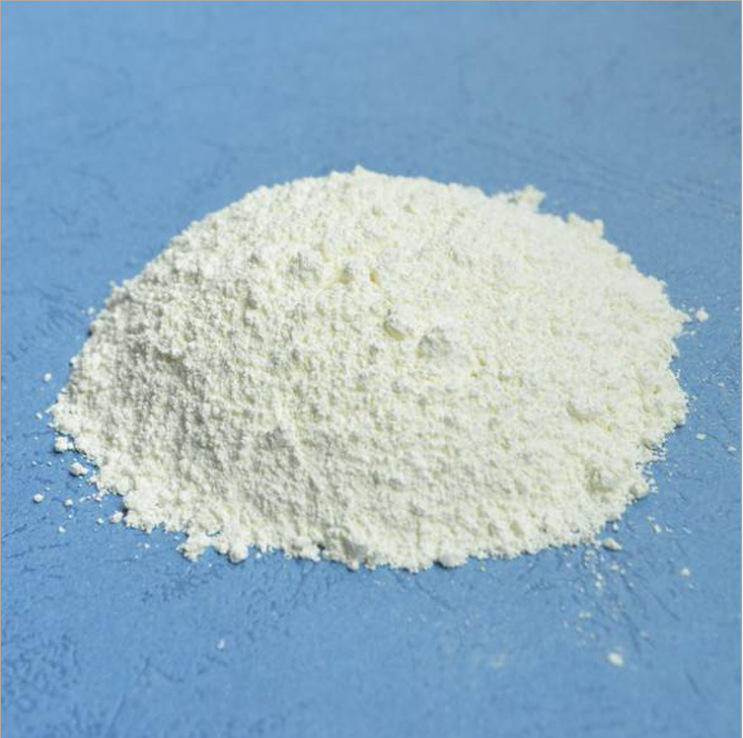
| Appearance | Fine White Powder | Fine White Powder |
| Loss on Ignition (LOI) | 25.0% – 28.0% | 25.0% – 28.0% |
| Whiteness | ≥ 92.0% | ≥ 95.0% |
| Moisture (H2OH2O) | ≤ 2.5% | ≤ 2.0% |
| Lead (Pb) | ≤ 0.005% | ≤ 0.002% |
| Cadmium (Cd) | ≤ 0.002% | ≤ 0.001% |
| Water Soluble Matter | ≤ 1.0% | ≤ 0.5% |
Applications
- Rubber Industry:
- Primary vulcanization activator for transparent, translucent, and light-colored rubber products.
- Used in latex products (gloves, tubing) as a cross-linking agent.
- Oil & Gas (Oilfield Grade):
- Acts as a fast-acting desulfurizer in water-based drilling fluids. It effectively removes H2S, protecting equipment from corrosion and ensuring worker safety.
- Agriculture & Animal Feed:
- Used as a trace element supplement for Zinc deficiency in livestock.
- Personal Care & Cosmetics:
- Found in skin-protectant powders and calamine lotions due to its mild antiseptic and soothing properties.
- Rayon Production:
- Used in the manufacturing of rayon fibers and as a chemical raw material for the production of other zinc salts.
For rubber formulations specified around the oxide rather than the carbonate, see Zinc Oxide.
Storage Conditions
- Avoid Acids: Zinc Carbonate reacts vigorously with acids. Never store it near acidic chemicals.
- Moisture Control: While it is relatively stable, the powder is prone to clumping if exposed to high humidity. Store in a cool, dry, and ventilated warehouse.
- Seal Integrity: Always keep the inner PE bag sealed. If left open, the powder may absorb atmospheric moisture, affecting its flowability in automatic dosing systems.
Safety Precautions
- Dust Inhalation: Like any fine powder, prolonged inhalation can irritate the respiratory tract. Workers should wear dust masks (N95 or equivalent) during hopper loading.
- Skin/Eye Contact: Generally non-toxic and non-irritating, but it is a drying agent. Rinse with water if contact occurs.
- Environment: While Zinc is a necessary nutrient, large spills in waterways can be toxic to aquatic life. Ensure spills are contained and disposed of according to local environmental regulations.
Partner with a Specialized Manufacturer
We don’t just supply Zinc Carbonate; we provide the peace of mind that comes with stable quality. For large-scale industrial users, we offer batch-to-batch consistency—a critical factor for automated rubber injection molding.
Looking for a reliable supply chain partner in China? 📧 Reach out to us for a custom quote: info@industrochem.com

FAQ - Technical & Supply Chain
-
Q:
What is Basic Zinc Carbonate CAS 5263-02-5?
A: Basic Zinc Carbonate CAS 5263-02-5 is a zinc carbonate hydroxide with EINECS 226-076-7 and molecular formula Zn5(CO3)2(OH)6. It is also called zinc subcarbonate or zinc hydroxycarbonate and is supplied as a fine white powder. -
Q:
How is Basic Zinc Carbonate different from neutral zinc carbonate?
A: Basic Zinc Carbonate CAS 5263-02-5 contains both carbonate and hydroxide groups, while neutral zinc carbonate is CAS 3486-35-9 with the simpler ZnCO3 structure. The basic form has different zinc content, loss on ignition, and industrial behavior, so the CAS number must be matched to the actual grade. -
Q:
Why is Basic Zinc Carbonate used as a rubber vulcanization activator?
A: Its fine particle size and good dispersibility help activate sulfur vulcanization while avoiding white spots in transparent, translucent, and light-colored rubber. It is commonly used in latex products such as gloves and tubing as a cross-linking aid. -
Q:
How does Basic Zinc Carbonate work as an oilfield hydrogen sulfide scavenger?
A: In drilling muds and fluids, basic zinc carbonate reacts with hydrogen sulfide and converts it to insoluble zinc sulfide. This reduces hazardous H2S levels and helps protect personnel and equipment in oil and gas operations. -
Q:
Why do feed and pharmaceutical grades control zinc content, LOI, lead, and cadmium?
A: Zinc content and loss on ignition identify the basic carbonate composition, while low lead and cadmium limits are necessary for animal nutrition, veterinary feed additives, and skin-protectant applications. The listed high-purity grade uses stricter Pb, Cd, moisture, and water-soluble matter limits.
Ordering & Documentation
Key information for document requests, quotations, and supply planning.
Documents
COA, TDS, SDS/MSDS and packing details are available on request.
Quotation
Send the CAS number, grade, quantity, packing preference and destination.
Sample & Supply
Support is available for samples, trial orders, bulk and repeat supply.
Storage & Shipping
Product-specific conditions are confirmed before order.