










Chemical products
  • Zinc Oxide CAS 1314-13-2

Zinc Oxide CAS 1314-13-2

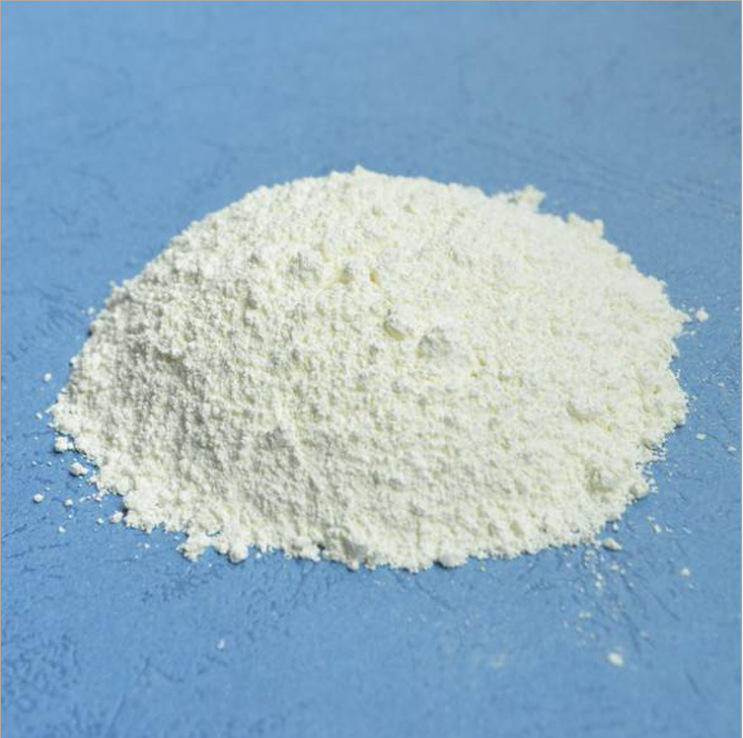
Zinc Oxide (CAS 1314-13-2) is a functional inorganic compound serving as a critical activator in rubber vulcanization and a white pigment in ceramic formulations. Rubber Accelerator CBS (CZ) is a related accelerator in sulphur-vulcanised rubber systems; actual cure packages must be evaluated as a whole. Chemically identified as Zinc monoxide or Zinc white, this fine white powder functions to improve thermal stability and UV resistance in polymer matrices. As a high-purity C.I. Pigment White 4 material, it ensures consistent opacity and curing efficiency within industrial coating and elastomer production. We ensure bulk supply capabilities for this material, providing access to competitive factory pricing and customized specifications to meet specific surface area requirements. Full technical documentation, including MSDS, TDS, COA, is available to support compliance and safety protocols.

  • CAS: 1314-13-2
  • Synonyms: Zinc monoxide, Zinc white, Flowers of zinc, C.I. Pigment White 4
  • Einecs: 215-222-5
  • Molecular Formula: ZnO
  • Grade: Industrial Grade (99.7%), Rubber Grade, Cosmetic/Pharma Grade, Nano Grade
  • Package: 25kg/PP bag with PE liner, 500kg/1000kg Jumbo bags, or customized packaging upon request.
Request a quote
Share:

Product Description

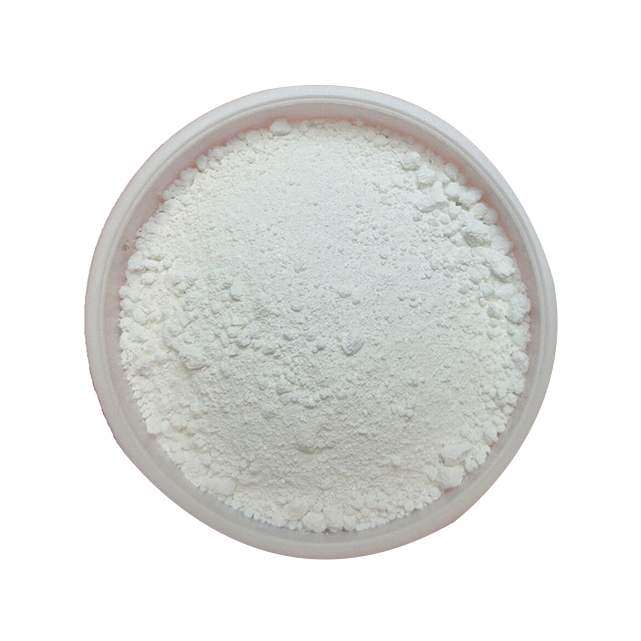
Zinc Oxide (ZnO) is a versatile inorganic compound appearing as a fine white powder. At Industrochem, our Zinc Oxide is produced using high-purity zinc ingots as raw materials through the Indirect Process, ensuring a purity level of up to 99.7%. Our Nano Zinc Oxide variant offers a significantly higher specific surface area and enhanced UV absorption capabilities, making it transparent in formulations—ideal for high-end coatings and sunscreens. Whether you require a vulcanization activator for tires or a high-opacity pigment for paints, our ZnO provides consistent performance and easy dispersibility.

Physicochemical Properties

PropertyValue (Typical Industrial Grade)
ZnO Content≥ 99.7%
AppearanceFine White Powder
Density5.606 g/cm³
Melting Point1975 °C
Particle Size (D50)0.2 – 0.4 μm (Nano: 20-100 nm)
Specific Surface Area45 – 55 m²/g (Nano: >80 m²/g)
Loss on Ignition≤ 0.2%
Pb (Lead)≤ 0.001%
Cd (Cadmium)≤ 0.0005%
Cu (Copper)≤ 0.0001%
Insoluble in HCl≤ 0.003%

Applications

  1. Rubber & Tire Industry: Acts as a crucial vulcanization activator and reinforcing agent. It improves the thermal conductivity, wear resistance, and anti-aging properties of rubber products.
  2. Coatings & Paints: Used as a high-quality inorganic white pigment. It provides excellent hiding power, anti-corrosion properties, and acts as a mold inhibitor and UV stabilizer.
  3. Cosmetics & Sunscreens: Especially in Nano form, it serves as a broad-spectrum physical UV filter (UVA/UVB), providing high transparency and non-irritating protection.
  4. Ceramics & Glass: Functions as a fluxing agent to reduce the melting temperature and enhance the gloss and durability of ceramic glazes.
  5. Electronics: Used in the production of varistors, thermistors, and image recording materials due to its unique semiconducting properties.
  6. Agriculture: Applied as a zinc micronutrient in fertilizers and animal feed additives to promote growth and health.

Storage Conditions

  • Environment: Store in a cool, dry, and well-ventilated warehouse.
  • Moisture Protection: Keep containers tightly closed to prevent moisture absorption and clumping.
  • Segregation: Store away from strong acids, strong bases, and edible chemical raw materials.
  • Shelf Life: 24 months from the date of manufacture if stored in original, unopened packaging.

Safety Precautions

  • Handling: Avoid dust formation. Use local exhaust ventilation or wear appropriate dust masks (N95/P2) during handling to avoid inhalation.
  • Personal Protection: Wear safety goggles and protective gloves to prevent skin and eye irritation.
  • Ingestion: Do not eat, drink, or smoke in the workplace. Wash hands thoroughly after handling.
  • Environmental: Prevent large quantities of the product from entering sewage systems or water sources. Zinc oxide is classified as toxic to aquatic life with long-lasting effects.
image 4

FAQ - Technical & Supply Chain

  • Q:

    What is Zinc Oxide CAS 1314-13-2, and what does the listing cover?

    A: Zinc oxide is an inorganic zinc compound supplied as a white to off-white powder. This listing covers industrial, rubber, cosmetic or pharmaceutical, and nano grades, with the main uses including rubber activation, ceramics, coatings, personal care, feed and electronics.
  • Q:

    Which zinc oxide grade should be selected for rubber compared with cosmetics?

    A: Rubber grade normally requires a consistent high assay, low heavy-metal content and suitable particle fineness for use as a vulcanization activator. Cosmetic or sunscreen grades require tighter purity and particle-size control, while nano grade is selected when transparency and broad UV coverage are more important.
  • Q:

    How does zinc oxide work as a rubber vulcanization activator?

    A: It works with accelerators and fatty acids to form active sulfur-curing intermediates, improving cross-link density, tensile strength, heat resistance and durability in tires, hoses, seals and other rubber compounds.
  • Q:

    Why is zinc oxide used in sunscreen formulations?

    A: Zinc oxide is a broad-spectrum mineral UV filter that absorbs and scatters UVA and UVB radiation. Cosmetic and nano grades are preferred for skin compatibility, low whitening or controlled transparency, with the final formulation still subject to the destination market's cosmetic rules.
  • Q:

    What other industrial applications require zinc oxide?

    A: Beyond rubber and personal care, it is used in ceramics and glazes, glass, paints and anticorrosive coatings, plastics, adhesives, animal-feed zinc supplementation, varistors, ferrites and other electronics applications.
  • Q:

    What specifications and packaging should buyers confirm before ordering?

    A: Confirm zinc oxide assay, lead, cadmium, arsenic and other heavy-metal limits, particle size or specific surface area, bulk density, whiteness, moisture and any grade-specific suitability data. Packaging is normally 25 kg PP bags with PE liner, 500 kg or 1000 kg jumbo bags, or custom packaging on request.

Ordering & Documentation

Key information for document requests, quotations, and supply planning.

Documents

COA, TDS, SDS/MSDS and packing details are available on request.

Quotation

Send the CAS number, grade, quantity, packing preference and destination.

Sample & Supply

Support is available for samples, trial orders, bulk and repeat supply.

Storage & Shipping

Product-specific conditions are confirmed before order.

Contact Form

Use our contact form to send us your questions, suggestions or comments. We will respond as soon as possible.