









• Stearic Acid CAS 57-11-4
  • Stearic Acid CAS 57-11-4

Stearic Acid CAS 57-11-4

Stearic Acid (CAS 57-11-4) is a saturated, long-chain fatty acid derived from the hydrolysis of triglycerides, serving as a critical processing agent within the broader category of Rubber Auxiliaries & Antioxidants. Operating as a highly effective internal lubricant and vulcanization activator, this stable octadecanoic acid reduces surface tension in polymer blends, making the cetylacetic acid integral to the compounding of natural and synthetic rubber profiles. Its amphiphilic molecular structure provides excellent particulate dispersion capabilities and thermal stability when deployed as a fundamental n-octadecanoic acid formulation ingredient in demanding plastic extrusion and molding environments. To support large-scale continuous manufacturing schedules, our facility maintains extensive bulk supply capabilities, ensuring consistent iodine and acid values with customized specifications to meet precise rheological parameters, all backed by competitive factory pricing and comprehensive technical documentation including MSDS, TDS, COA.

  • CAS: 57-11-4
  • Synonyms: Octadecanoic acid, Cetylacetic acid, n-Octadecanoic acid, 1-Heptadecanecarboxylic acid
  • Einecs: 200-313-4
  • Molecular Formula: C18H36O2
  • Grade: Industrial Grade
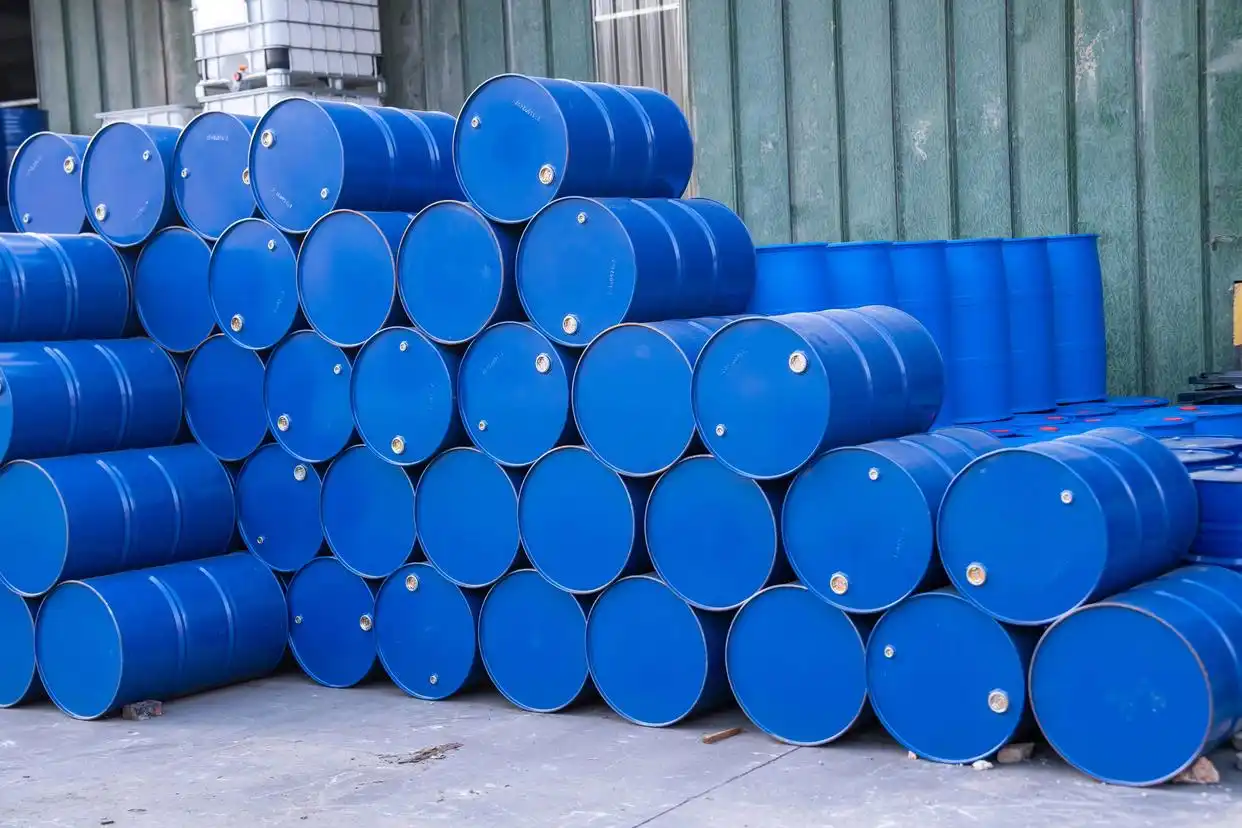
  • Package: 25kg/bag (kraft paper bag with PE inner liner), 600kg/jumbo bag
Request a quote
Share:

Product Description

Technical Data

Physicochemical PropertiesStandard Specification (Standard Industrial 1801 Grade)
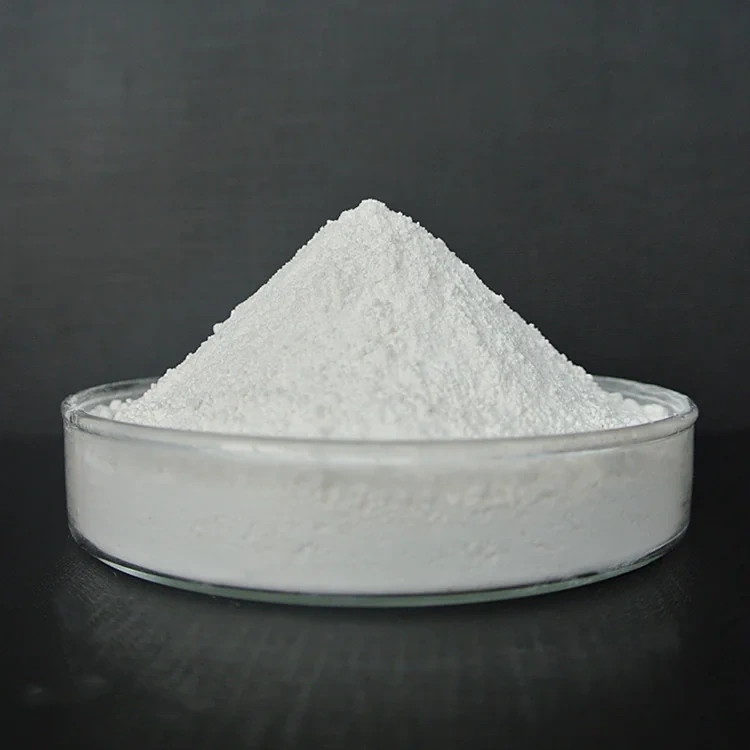
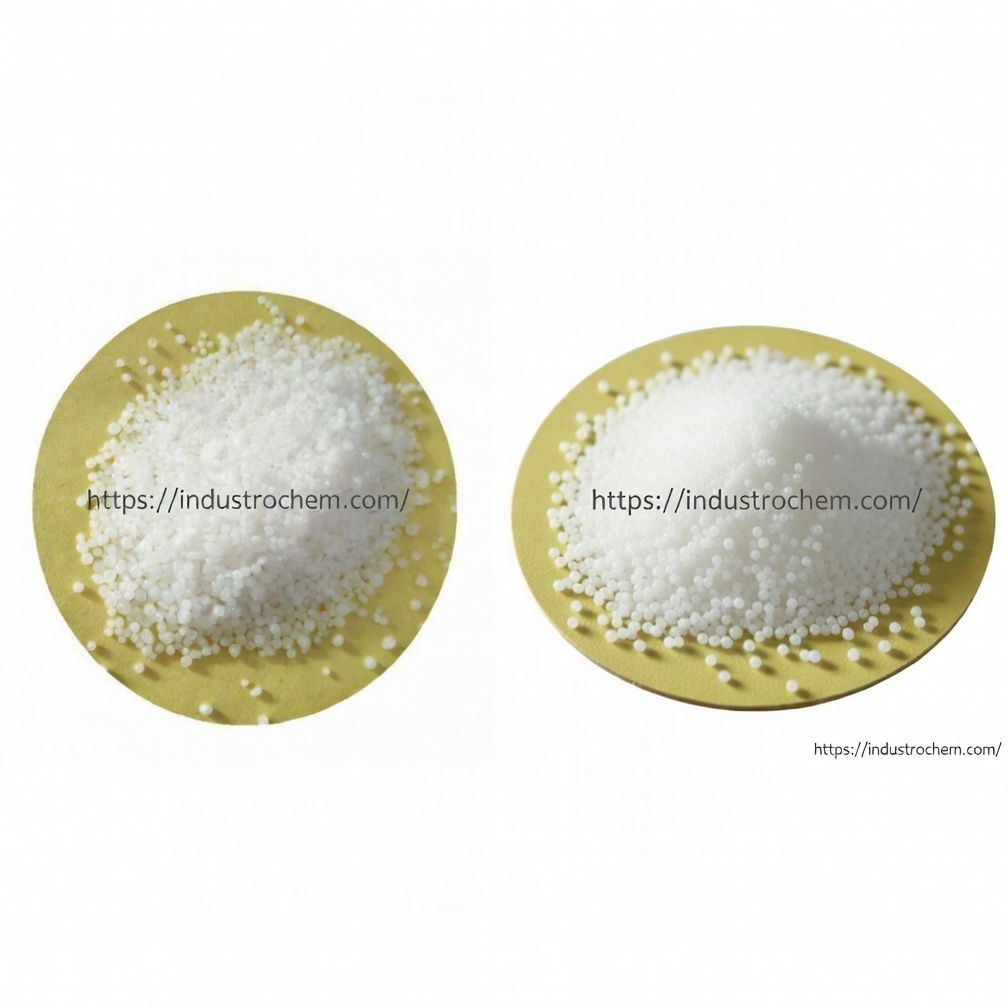
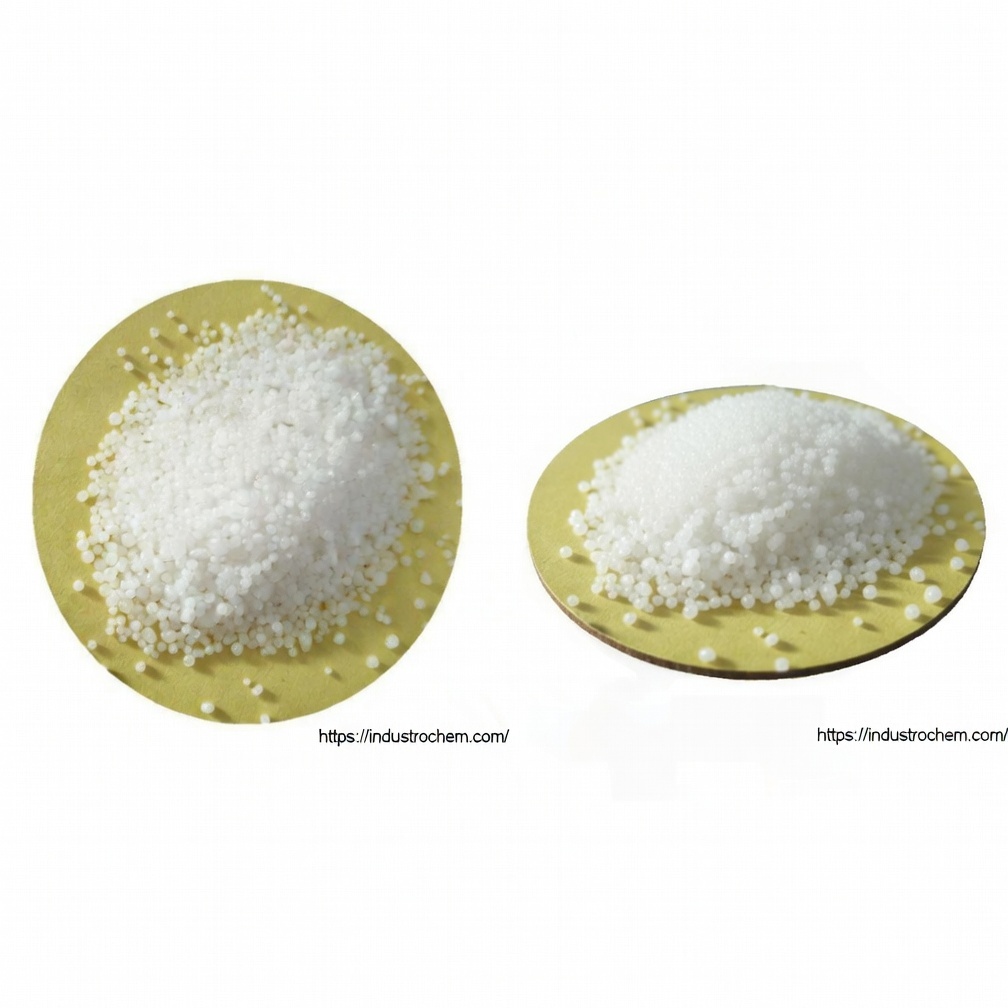
AppearanceWhite flaky, bead, or solid powder
Acid Value205 – 210 mg KOH/g
Saponification Value206 – 211 mg KOH/g
Iodine Value≤ 4.0 g I2/100g
Titer (Congealing Point)54.0 – 57.0 °C
Color (Hazen)≤ 400
Moisture Content≤ 0.2%
SolubilityInsoluble in water; soluble in hot ethanol, ether, and chloroform

Applications:

  • Rubber Compounding: Functions as a vital vulcanization activator and carbon black dispersion agent in natural and synthetic elastomer formulations, enhancing the cross-linking efficiency of tire treads and industrial conveyor belts.
  • Plastic Extrusion: Utilized as a highly effective external lubricant and release agent in rigid PVC pipe and profile manufacturing, significantly reducing melt viscosity and preventing polymer adhesion to metallic processing equipment.
  • Industrial Polishes & Coatings: Applied as an emulsifying matrix and thickening base in the formulation of industrial metal polishes, protective barrier waxes, and heavy-duty textile sizing compounds.

Storage & Safety:

  • Storage Conditions: Store in a cool, dry, and well-ventilated warehouse environment away from direct sunlight, open flames, and strong oxidizing agents. Ambient storage temperatures should be maintained below 40°C to prevent the agglomeration or melting of flakes/beads.
  • Safety & Handling: While physiologically inert, the handling of fatty acid powders can generate combustible dust. Industrial operations require standard local exhaust ventilation. Personnel must utilize NIOSH-approved particulate dust masks, safety goggles, and protective work clothing to prevent mild mechanical irritation to the respiratory tract and eyes.

Quality Assurance:

Our production facility enforces rigorous quality control protocols aligned with ISO 9001 industrial standards. Every manufacturing batch undergoes advanced Gas Chromatography (GC) analysis to verify the precise C18 (stearic) to C16 (palmitic) carbon chain distribution ratio. We continuously monitor iodine values and acid values via automated titration systems to ensure the oxidative stability, color consistency, and functional performance of the fatty acid matrix comply fully with international bulk manufacturing specifications.

FAQ - Technical & Supply Chain

  • Q:

    How does the titer value identify the specific carbon chain distribution of this Stearic Acid?

    A: The titer, or congealing point, directly reflects the ratio of C18 to C16 fatty acids within the formulated blend. A titer ranging between 54.0°C and 57.0°C definitively identifies a standard industrial grade optimized for rubber vulcanization activation, whereas higher titers denote a much higher purity of C18 intended for specialized cosmetic or pharmaceutical esterification.
  • Q:

    Is this saturated fatty acid typically applied as an internal lubricant or an external release agent in polymer extrusion processes?

    A: It functions dualistically depending on the polarity of the polymer matrix; it is primarily intended as an external release agent in rigid PVC systems due to its limited matrix compatibility, but acts as a highly effective internal viscosity modifier and pigment dispersing agent in flexible elastomer compounding.
Documents

Documents and Product Support

For product review and sourcing evaluation, supporting documents can be coordinated according to the product type, inquiry stage, and order requirements.

  • COA for batch-based quality reference
  • TDS for key physical and chemical information
  • SDS / MSDS for handling, storage, and safety reference
  • Packing information for sample, trial, and bulk orders
  • Technical communication based on application and specification requirements
Quotation

Information to Confirm Before Quotation

Clear sourcing information helps reduce specification mismatch and allows a more accurate quotation before sample or bulk order discussion.

  • Product name and CAS number
  • Application or intended end use
  • Required purity, grade, or specification
  • Sample quantity, trial order, or bulk demand
  • Preferred packing form or net weight
  • Destination country or port
  • Required documents or compliance expectations
Storage & Handling

Packaging, Storage, and Handling Notes

Packaging form, storage conditions, shelf life, and shipment arrangements should be confirmed according to the product characteristics, package size, and destination requirements.

Before order confirmation, buyers are advised to review the corresponding product documents and confirm whether any special storage, labeling, or handling requirements apply.

Supply Support

Sample, Bulk Order and Repeat Supply Support

Support can be arranged for sample discussion, bulk supply planning, packaging confirmation, and routine sourcing communication based on the actual product and order requirements.

For repeat-use formulations or long-term procurement plans, buyers may discuss specification consistency, packaging preferences, delivery expectations, and document coordination in advance.

Contact Form

Use our contact form to send us your questions, suggestions or comments. We will respond as soon as possible.