• Chloroprene Rubber CAS 9010-98-4

Chloroprene Rubber CAS 9010-98-4

Chloroprene Rubber (CR), commonly referred to as polychloroprene, is a general-purpose synthetic elastomer used across rubber processing industries where resistance to oil, weathering, ozone, and moderate heat is required. It is widely applied in molded rubber goods, industrial belts, wire and cable sheathing, and adhesive formulations.

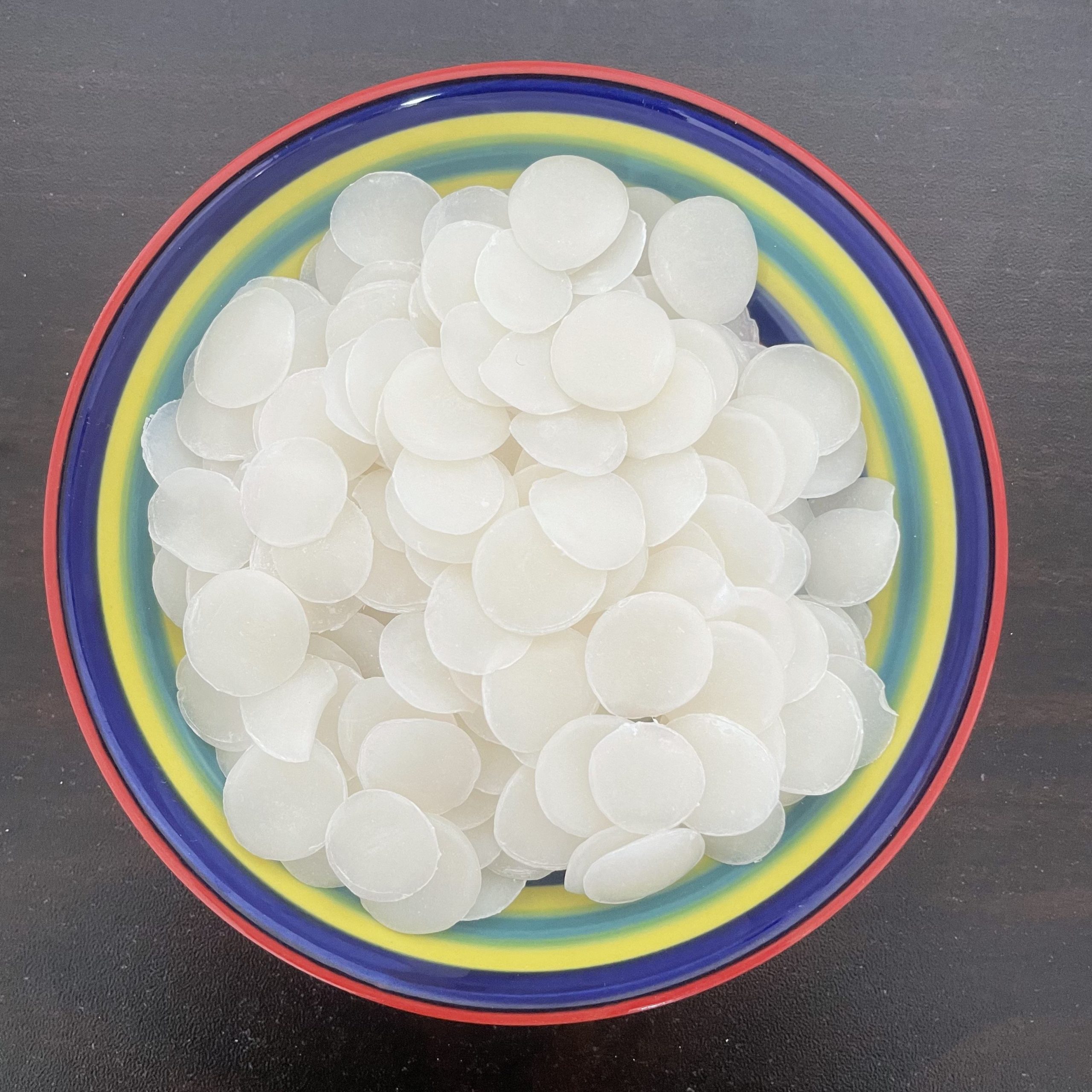
In commercial supply, Chloroprene Rubber is typically provided as solid bales or chips suitable for compounding and further processing. Different grades are available depending on polymerization type and application direction (e.g., general molding, adhesives). Standard export packaging is used, with supporting documents such as COA, TDS, and SDS available for industrial procurement.

  • CAS: 9010-98-4
  • Synonyms: Polychloroprene; CR Rubber; Neoprene
  • Molecular Formula: (C4H5Cl)n
  • Grade: Industrial grades (e.g., general-purpose, adhesive grade, sulfur-modified types)
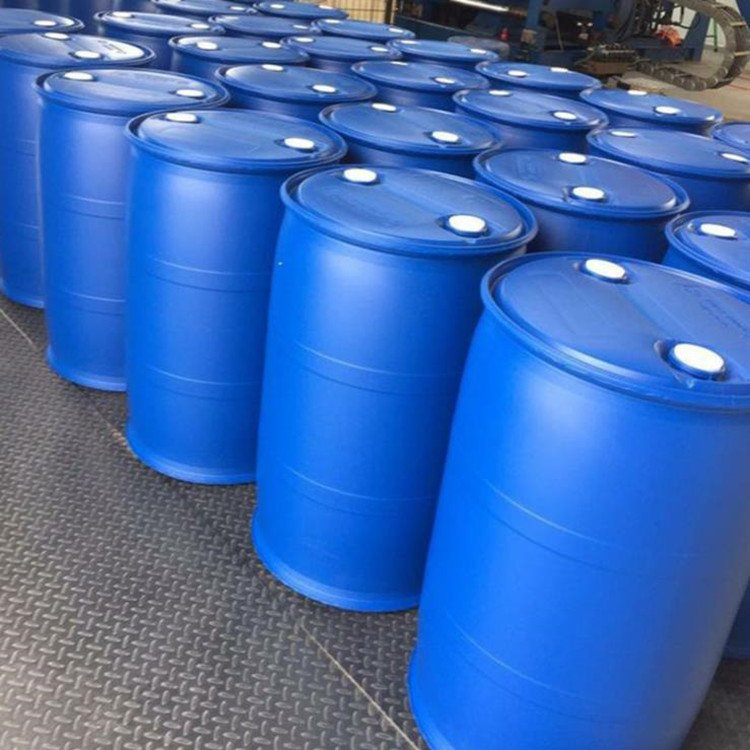
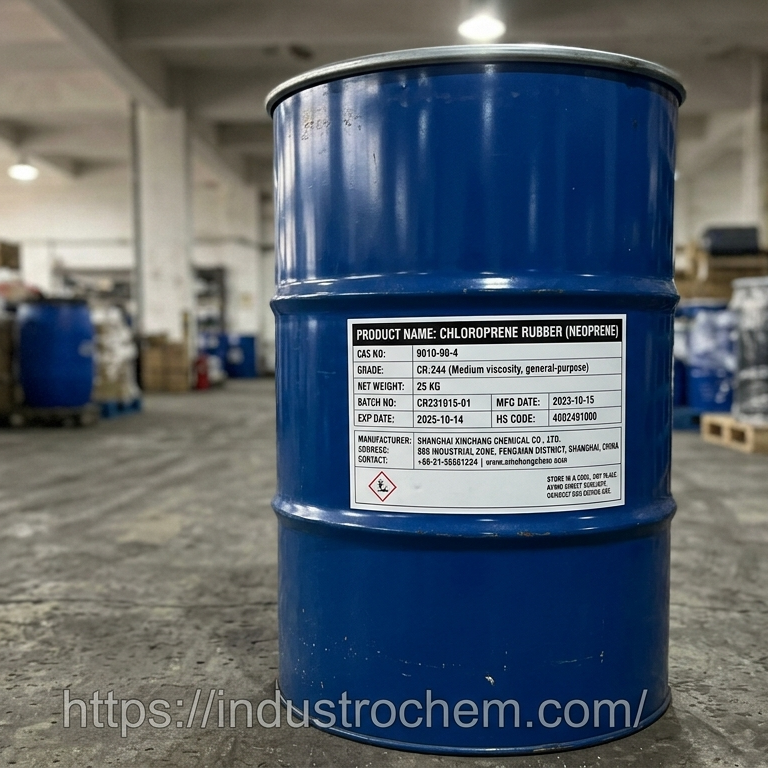
  • Package: Supplied in solid bale or block form with standard export packaging; packaging can be arranged based on shipment and handling requirements
Request a quote
Share:

Product Description

Physicochemical Properties

AppearanceLight-colored solid bales or chips
Polymer TypePolychloroprene (synthetic elastomer)
DensityApprox. 1.20–1.25 g/cm³
Glass Transition TemperatureApprox. -40°C
SolubilityInsoluble in water; soluble in selected organic solvents (for adhesive grades)
Oil ResistanceModerate to good
Weather & Ozone ResistanceGood
FormSolid elastomer (bale or chip)

Typical Applications

  • Industrial rubber products: Used in hoses, belts, gaskets, seals, and molded rubber parts requiring balanced mechanical and aging properties.
  • Adhesive formulations: Widely used in solvent-based adhesives for bonding rubber, metal, leather, and other substrates.
  • Wire and cable sheathing: Applied as protective insulation material due to its weather and flame resistance characteristics.
  • Coated fabrics and construction materials: Used in applications such as conveyor belts, coated textiles, and waterproofing systems.

Packaging

Chloroprene Rubber is typically supplied in solid bale or block form, wrapped in protective film and packed in cartons or on pallets for handling and transportation. The packaging is designed to prevent contamination and maintain material integrity during storage and shipment.

For export supply, bales are usually palletized and secured to facilitate safe loading and unloading. Packaging configurations may vary depending on grade type and order quantity.

Storage

Store in a cool, dry, and well-ventilated warehouse away from direct sunlight and heat sources. Avoid prolonged exposure to high temperatures to prevent premature aging of the polymer. Keep packaging intact and avoid contamination with dust, oils, or incompatible materials.

FAQ

  • What is Chloroprene Rubber mainly used for?
    It is used in industrial rubber products, adhesives, and cable sheathing where oil resistance and weather stability are required.
  • Is Chloroprene Rubber the same as Neoprene?
    Yes, neoprene is a common trade name for polychloroprene rubber.
  • In what form is the product supplied?
    It is typically supplied as solid bales or chips for further compounding and processing.
  • Are different grades available?
    Yes, multiple grades are available depending on processing method and application, such as general-purpose or adhesive grades.
  • How should it be stored?
    It should be stored in a cool, dry place away from heat and sunlight to maintain stability.
  • Can technical documents be provided?
    Yes, COA, TDS, and SDS are available to support industrial use and procurement.

FAQ - Technical & Supply Chain

Documents

Documents and Product Support

For product review and sourcing evaluation, supporting documents can be coordinated according to the product type, inquiry stage, and order requirements.

  • COA for batch-based quality reference
  • TDS for key physical and chemical information
  • SDS / MSDS for handling, storage, and safety reference
  • Packing information for sample, trial, and bulk orders
  • Technical communication based on application and specification requirements
Quotation

Information to Confirm Before Quotation

Clear sourcing information helps reduce specification mismatch and allows a more accurate quotation before sample or bulk order discussion.

  • Product name and CAS number
  • Application or intended end use
  • Required purity, grade, or specification
  • Sample quantity, trial order, or bulk demand
  • Preferred packing form or net weight
  • Destination country or port
  • Required documents or compliance expectations
Storage & Handling

Packaging, Storage, and Handling Notes

Packaging form, storage conditions, shelf life, and shipment arrangements should be confirmed according to the product characteristics, package size, and destination requirements.

Before order confirmation, buyers are advised to review the corresponding product documents and confirm whether any special storage, labeling, or handling requirements apply.

Supply Support

Sample, Bulk Order and Repeat Supply Support

Support can be arranged for sample discussion, bulk supply planning, packaging confirmation, and routine sourcing communication based on the actual product and order requirements.

For repeat-use formulations or long-term procurement plans, buyers may discuss specification consistency, packaging preferences, delivery expectations, and document coordination in advance.

Contact Form

Use our contact form to send us your questions, suggestions or comments. We will respond as soon as possible.