










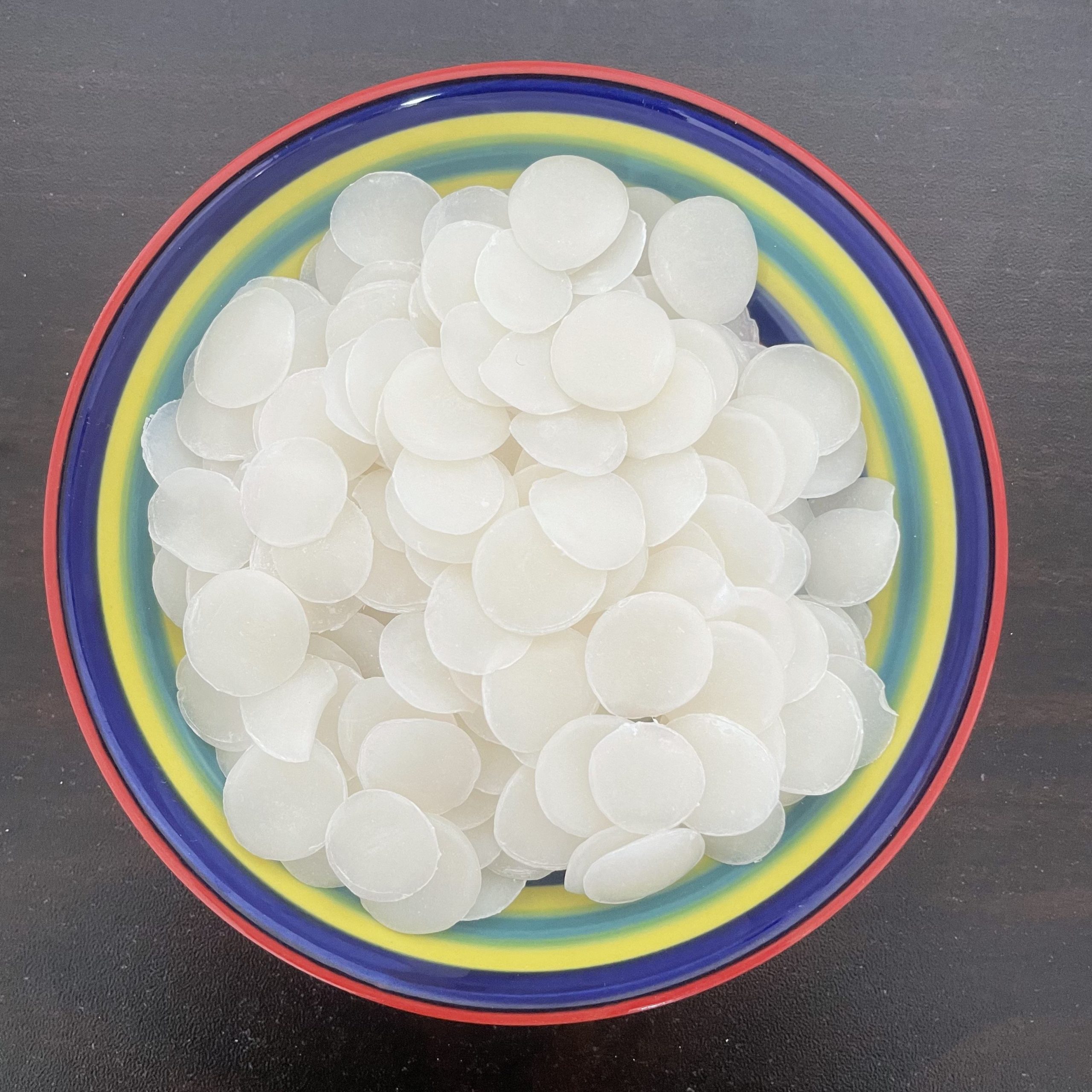
Chlorosulfonated Polyethylene (CAS 68037-39-8), commercially known as CSM Rubber (and historically associated with the Hypalon® brand), is a high-performance synthetic elastomer utilizing its saturated chemical backbone to provide exceptional resistance to weathering, ozone, and corrosive chemicals. Chemically identified as a chlorosulfonated derivative of polyethylene, this white to pale yellow rubbery solid functions to bridge the gap between thermoplastics and thermoset rubbers, offering superior color stability and oil resistance compared to standard neoprene. As a specialized Halogenated elastomer, it is extensively integrated into heavy-duty wire and cable sheathing, automotive fuel hoses, and industrial roofing membranes where long-term durability against UV radiation and oxidizing acids is critical. We ensure bulk supply capabilities for this material, providing access to competitive factory pricing and customized specifications to meet specific Mooney viscosity (e.g., CSM 20, CSM 40) and chlorine content requirements. Full technical documentation, including MSDS, TDS, COA, is available to support compliance and safety protocols.
Chlorosulfonated Polyethylene CSM CAS 68037-39-8
- CAS: 68037-39-8
- Synonyms: CSM Rubber, Hypalon (Brand equivalent), Chlorosulfonated polyethylene rubber, Sulfonyl chloride polyethylene, Synthetic rubber CSM
- Einecs: 202-905-8
- Molecular Formula: (C2H3Cl)m.(C2H4SO2Cl)n
- Grade: Industrial Grade
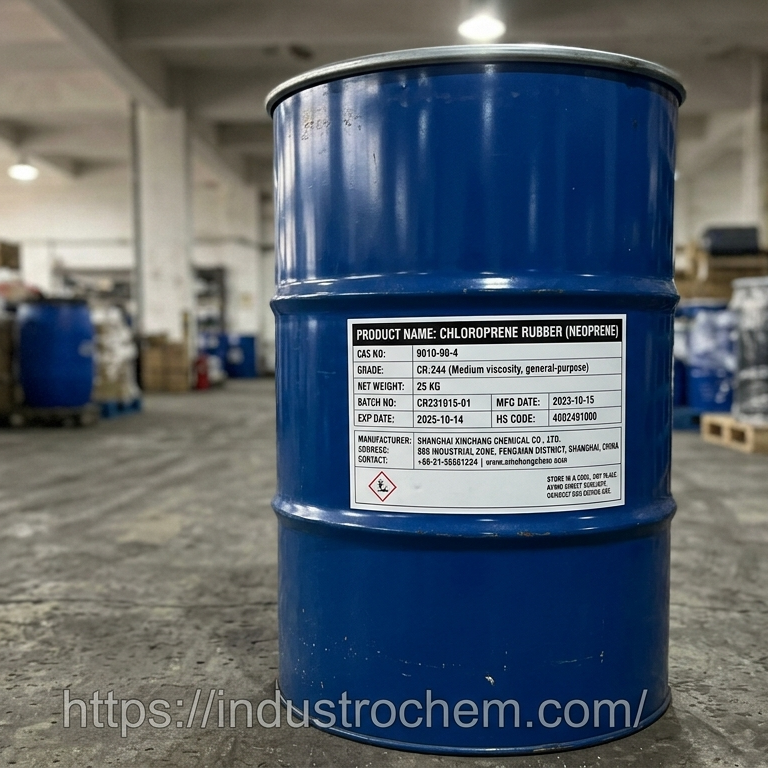
- Package: 25kg/Polypropylene (PP) Woven Bag or Kraft Paper Bag with PE liner.
Product Description
Chlorosulfonated Polyethylene (CSM) is a high-performance synthetic rubber material produced by the reaction of polyethylene with chlorine and sulfur dioxide. This saturation process gives the polymer a completely saturated main chain, providing exceptional resistance to environmental factors.
Our CSM Rubber is characterized by its superior resistance to ozone, weathering, ultraviolet (UV) light, and strong oxidizing chemicals. It also exhibits excellent color stability, oil resistance, and thermal stability (up to 150°C). It is widely used as a raw material for specialty rubber products requiring durability in harsh conditions. We offer various grades with different chlorine contents and Mooney viscosities to suit extrusion, calendering, and molding processes.
Physicochemical Properties
The following specifications cover our standard range of export grades (Typical data for CSM-20, CSM-30, CSM-40 series):
| Test Item | Specification | Note |
|---|---|---|
| Appearance | White to pale yellow chips | Clean, free of foreign matter |
| Chlorine Content | 29.0% – 43.0% | Adjustable by Grade |
| Sulfur Content | 1.0% – 1.5% | — |
| Mooney Viscosity (ML 1+4, 100°C) | 30 – 100 | Low to High Viscosity avail. |
| Volatile Matter | ≤ 0.5% | — |
| Ash Content | ≤ 0.3% | — |
| Tensile Strength | ≥ 25.0 MPa | (Vulcanizate property) |
| Elongation at Break | ≥ 450% | (Vulcanizate property) |
| Specific Gravity | 1.11 – 1.26 g/cm³ | Depends on Chlorine content |
| Solubility | Soluble in aromatic hydrocarbons (Toluene, Xylene) | — |
Applications
CSM Rubber is a versatile elastomer used in demanding industrial sectors:
- Automotive Industry:
- Used for fuel hoses, power steering hoses, hydraulic hoses, and spark plug boots due to its oil and heat resistance.
- Air intake ducts and emission control components.
- Wire & Cable:
- Premium sheathing and jacketing material for mining cables, shipboard cables, and nuclear power plant cables.
- Provides excellent flame retardancy and weather resistance.
- Industrial Rubber Goods:
- Rubber Rollers: Used in steel mills and printing due to abrasion and chemical resistance.
- Linings: Chemical resistant tank linings and pond liners.
- Belts: Synchronous belts and V-belts.
- Marine & Outdoor:
- Inflatable Boats: Coating material for fabrics used in high-end inflatable boats and life rafts.
- Waterproofing: Single-ply roofing membranes and construction waterproofing.
- Adhesives & Coatings:
- Used as a base for high-performance adhesives and anti-corrosion paints.
Storage Conditions
- Environment: Store in a cool, dry, and well-ventilated warehouse.
- Temperature: Maintain storage temperature below 30°C.
- Protection: Keep away from direct sunlight, rain, and moisture. The material is sensitive to UV in its raw form before compounding.
- Stacking: Do not stack pallets too high to prevent the chips from blocking (sticking together) due to pressure.
- Shelf Life: typically 24 months from the date of manufacture if stored correctly.
Safety Precautions
- Handling: Wear industrial gloves and safety glasses. Use in a well-ventilated area.
- Processing Safety: During vulcanization or high-temperature processing, trace amounts of Hydrogen Chloride (HCl) and Sulfur Dioxide (SO2) may be released. Ensure manufacturing facilities have adequate exhaust ventilation.
- Fire Safety: While CSM has flame-retardant properties, the raw material can burn. In case of fire, use water spray, foam, or dry powder extinguishers.
- Skin Contact: Wash thoroughly with soap and water after handling.
- Disposal: Dispose of waste according to local environmental regulations (Non-hazardous solid waste).
FAQ - Technical & Supply Chain
-
Q:
Chemically, what gives Chlorosulfonated Polyethylene (CSM) CAS 68037-39-8 its superior weather resistance?
A: Chlorosulfonated Polyethylene (CAS 68037-39-8) possesses a completely saturated polymer backbone (lacking double bonds), which makes it chemically immune to attack by ozone, oxygen, and UV radiation—agents that typically degrade unsaturated rubbers like natural rubber or SBR. -
Q:
Is this rubber suitable for acid-resistant industrial linings?
A: Yes, this material is typically applied in corrosion-resistant linings for chemical tanks and hoses because it exhibits outstanding resistance to strong oxidizing acids (such as sulfuric and nitric acid) and alkalis.
Documents and Product Support
For product review and sourcing evaluation, supporting documents can be coordinated according to the product type, inquiry stage, and order requirements.
- COA for batch-based quality reference
- TDS for key physical and chemical information
- SDS / MSDS for handling, storage, and safety reference
- Packing information for sample, trial, and bulk orders
- Technical communication based on application and specification requirements
Information to Confirm Before Quotation
Clear sourcing information helps reduce specification mismatch and allows a more accurate quotation before sample or bulk order discussion.
- Product name and CAS number
- Application or intended end use
- Required purity, grade, or specification
- Sample quantity, trial order, or bulk demand
- Preferred packing form or net weight
- Destination country or port
- Required documents or compliance expectations
Packaging, Storage, and Handling Notes
Packaging form, storage conditions, shelf life, and shipment arrangements should be confirmed according to the product characteristics, package size, and destination requirements.
Before order confirmation, buyers are advised to review the corresponding product documents and confirm whether any special storage, labeling, or handling requirements apply.
Sample, Bulk Order and Repeat Supply Support
Support can be arranged for sample discussion, bulk supply planning, packaging confirmation, and routine sourcing communication based on the actual product and order requirements.
For repeat-use formulations or long-term procurement plans, buyers may discuss specification consistency, packaging preferences, delivery expectations, and document coordination in advance.


