










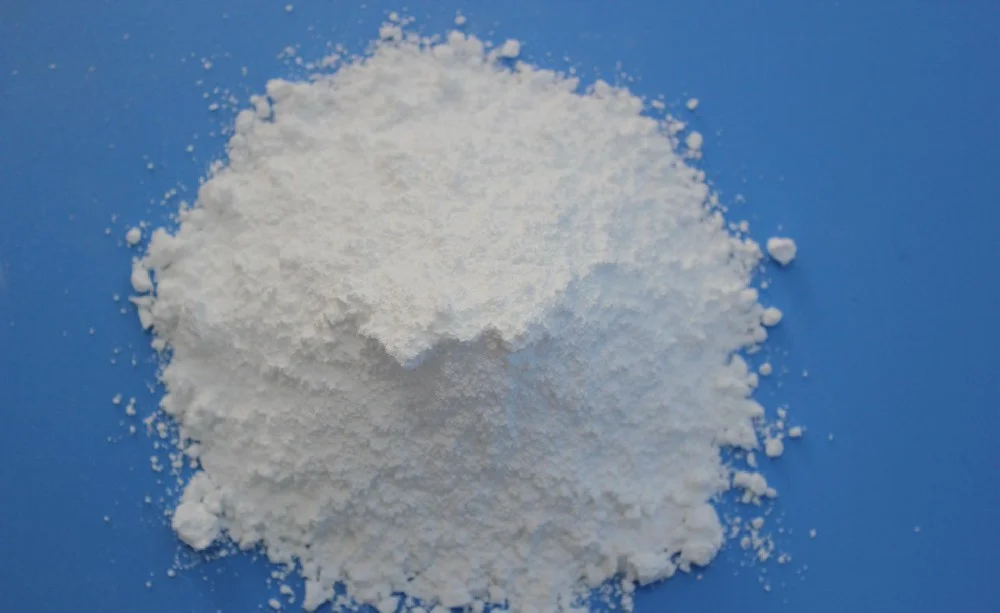
• Magnesium Hydroxide (CAS 1309-42-8)

Magnesium Hydroxide (CAS 1309-42-8)

Magnesium Hydroxide (Mg(OH)2) is an inorganic compound supplied under CAS 1309-42-8 for halogen-free flame retardant, smoke suppression, and water treatment applications. We can discuss industrial and flame-retardant grades, customized particle size, coated or uncoated options, and supporting documents such as COA, TDS, and SDS/MSDS according to buyer requirements.


  • CAS: 1309-42-8
  • Synonyms: Magnesium dihydroxide, Brucite, Milk of magnesia (suspension), Magnesium hydroxide powder, MDH flame retardant
  • Einecs: 215-170-3
  • Molecular Formula: Mg(OH)₂
  • Grade: Industrial / Flame-retardant grade (95–99% Mg(OH)₂, customized on request)
  • Package: 25 kg woven bag with inner PE liner / 500–1000 kg jumbo bag on pallet, customizable

Request a quote
Share:

Product Description

Product Overview

Magnesium hydroxide is an inorganic alkaline powder widely used as an environmentally friendly flame retardant, acid scavenger and smoke suppressant in plastics, rubber, cable compounds and industrial wastewater treatment. It offers high decomposition temperature, good thermal stability and low smoke, making it a popular halogen-free alternative to traditional flame retardant systems.

📧 Email: info@industrochem.com – Send us your specifications (grade, particle size, packaging) to get a tailored factory quotation.


Physicochemical Properties

ItemTypical Value / Description
Chemical NameMagnesium hydroxide
CAS No.1309-42-8
EINECS No.215-170-3
Molecular FormulaMg(OH)₂
AppearanceWhite to off-white fine powder
OdorOdorless
Assay (Mg(OH)₂)95.0–99.0% min (depending on grade)
Magnesium Oxide (as MgO)Approx. 63–65% (by ignition)
Loss on Ignition30–34%
Bulk Density0.30–0.60 g/cm³ (tapped, grade dependent)
Particle Size (D50)1–10 μm typical (can be customized for different applications)
Oil Absorption20–40 g / 100 g
pH (10% slurry, 25 °C)9.5–11.0
Specific Surface Area (BET)5–20 m²/g (typical range)
Refractive Index~1.57
Decomposition TemperatureApprox. 330–350 °C (releases water, absorbs heat)
Solubility in WaterPractically insoluble; ~0.009 g/L at 20 °C
Hardness~2.5 (Mohs)
Heavy MetalsIn line with common industrial flame-retardant standards
Halogen ContentHalogen-free

(The above values are typical data from industrial production and can be adjusted according to your required grade and particle size specification.)


Applications

  1. Halogen-Free Flame Retardant & Smoke Suppressant
    • Used in PVC cable compounds, PE/PP, EVA, rubber, thermosetting resins and engineering plastics.
    • Decomposes at high temperature to release water and absorb heat, diluting combustible gases and reducing smoke.
  2. Industrial Wastewater & Flue Gas Treatment
    • Acts as an alkaline neutralizing agent and heavy-metal precipitant in acidic wastewater.
    • Used in desulfurization and denitrification systems as a magnesium-based alkaline source.
  3. Chemical Intermediate & Catalyst Carrier
    • Raw material for magnesium salts (e.g. magnesium oxide, magnesium sulfate).
    • Carrier or additive in catalysts and ceramic formulations.
  4. Paper, Coatings & Filler Applications
    • Functional filler in paper, coatings and inks to improve whiteness, opacity and flame resistance.
    • Used in certain rubber and elastomer formulations for improved mechanical properties and flame behavior.
  5. Other Industrial Uses
    • Acid scavenger in polymer processing.
    • Additive for building materials, mineral composites and other environmental products.

Storage Conditions

  • Store in a cool, dry and well-ventilated warehouse.
  • Keep the bags tightly closed to avoid moisture absorption and contamination.
  • Avoid direct sunlight and keep away from strong acids, ammonium salts and incompatible materials.
  • Recommended storage temperature: 5–35 °C.
  • Under proper storage conditions, typical shelf life is 24 months from production date; re-test before use if over the recommended period.

Safety Precautions

  • Magnesium hydroxide is generally considered low-toxicity, but industrial handling rules should still be followed.
  • Avoid dust generation; use local exhaust ventilation when charging or transferring the powder.
  • Wear appropriate PPE: dust mask or respirator, safety goggles and protective gloves.
  • In case of eye contact: rinse immediately with plenty of clean water for at least 15 minutes and seek medical advice if irritation persists.
  • In case of skin contact: wash with water and soap; remove contaminated clothing.
  • If inhaled: move the person to fresh air; get medical attention if respiratory irritation occurs.
  • Spill handling: sweep or vacuum up the material carefully to avoid dust; collect into suitable containers for reuse or disposal according to local regulations.

FAQ - Technical & Supply Chain

  • Q:

    At what specific temperature range does the endothermic decomposition of this mineral commence?

    A: Magnesium Hydroxide begins to decompose and release chemically bound water at approximately 300°C to 320°C; this high thermal stability allows it to be processed in engineering plastics (like Nylon and PP) that require higher extrusion temperatures, where other retardants might degrade prematurely.
  • Q:

    Why is this compound considered a "buffered" neutralizer in wastewater treatment applications?

    A: Due to its low solubility in water, it provides a controlled release of hydroxyl ions that automatically buffers the pH at a maximum of about 9.0, preventing the accidental "pH overshoot" into the hazardous alkaline range that frequently occurs with more aggressive agents like caustic soda.
Documents

Documents and Product Support

For product review and sourcing evaluation, supporting documents can be coordinated according to the product type, inquiry stage, and order requirements.

  • COA for batch-based quality reference
  • TDS for key physical and chemical information
  • SDS / MSDS for handling, storage, and safety reference
  • Packing information for sample, trial, and bulk orders
  • Technical communication based on application and specification requirements
Quotation

Information to Confirm Before Quotation

Clear sourcing information helps reduce specification mismatch and allows a more accurate quotation before sample or bulk order discussion.

  • Product name and CAS number
  • Application or intended end use
  • Required purity, grade, or specification
  • Sample quantity, trial order, or bulk demand
  • Preferred packing form or net weight
  • Destination country or port
  • Required documents or compliance expectations
Storage & Handling

Packaging, Storage, and Handling Notes

Packaging form, storage conditions, shelf life, and shipment arrangements should be confirmed according to the product characteristics, package size, and destination requirements.

Before order confirmation, buyers are advised to review the corresponding product documents and confirm whether any special storage, labeling, or handling requirements apply.

Supply Support

Sample, Bulk Order and Repeat Supply Support

Support can be arranged for sample discussion, bulk supply planning, packaging confirmation, and routine sourcing communication based on the actual product and order requirements.

For repeat-use formulations or long-term procurement plans, buyers may discuss specification consistency, packaging preferences, delivery expectations, and document coordination in advance.

Contact Form

Use our contact form to send us your questions, suggestions or comments. We will respond as soon as possible.