










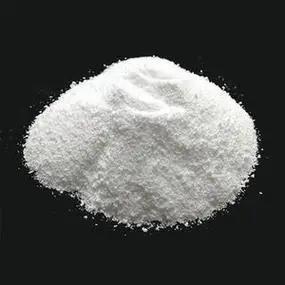
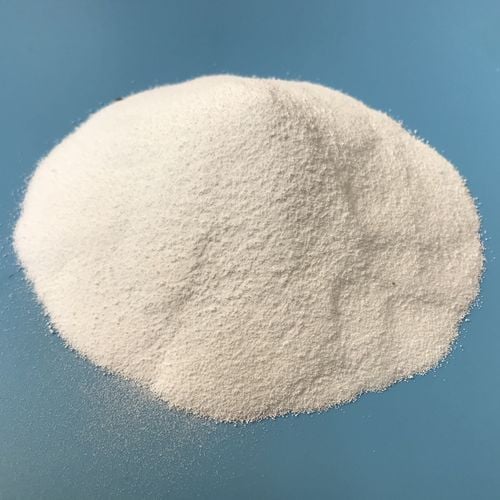
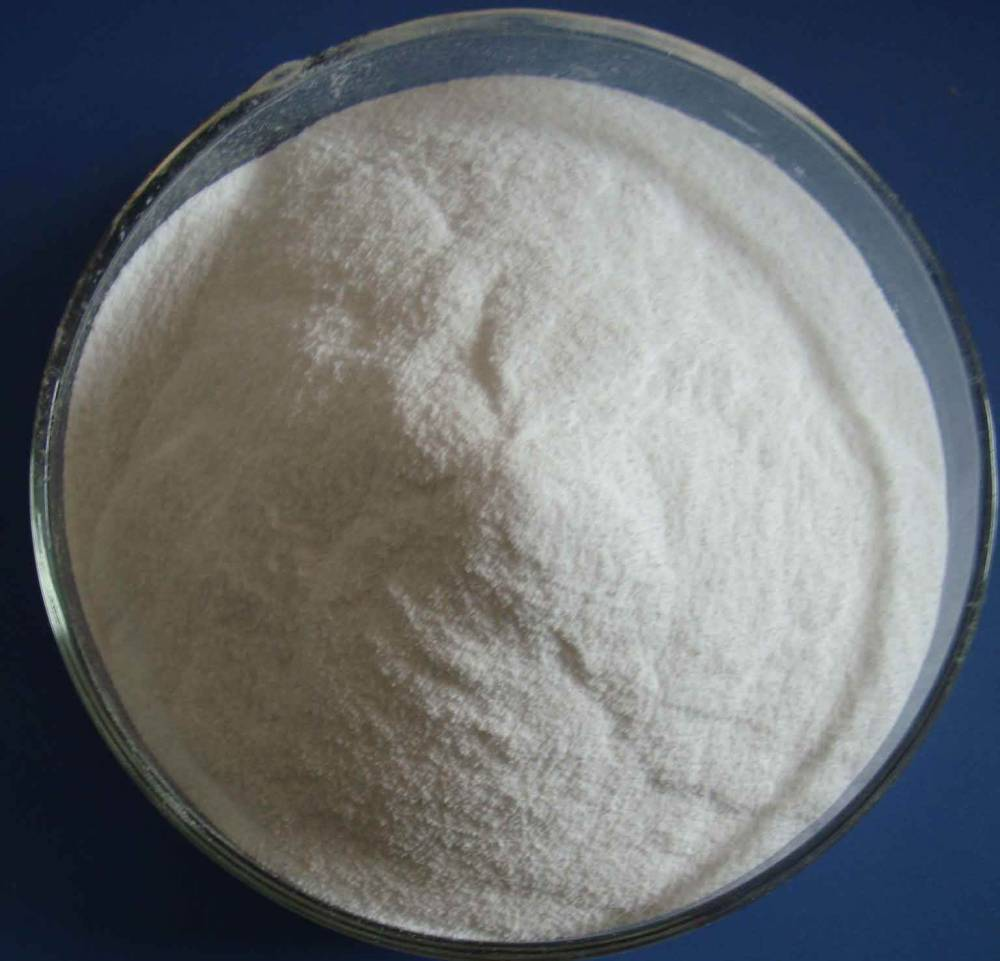
Sodium Tripolyphosphate (CAS 7758-29-4), chemically identified as pentasodium triphosphate, is an inorganic salt functioning as a highly efficient builder and water softener in detergent powder formulation and ceramic processing. This white crystalline powder, extensively technically recognized as STPP or sodium triphosphate, acts as a sequestering agent to bind calcium and magnesium ions in hard water, preventing soil redeposition in laundry processes and reducing viscosity in ceramic slurries. We provide bulk supply of this industrial raw material with competitive factory pricing to ensure performance consistency for chemical compounders. Our production capacity ensures strict phase control (Phase I/II ratio), making MSDS, TDS, COA available alongside customized specifications to meet specific solubility or density requirements.
Sodium Tripolyphosphate CAS 7758-29-4
- CAS: 7758-29-4
- Synonyms: STPP, Pentasodium triphosphate, Sodium triphosphate, Triphosphoric acid pentasodium salt, Pentasodium tripolyphosphate
- Einecs: 231-838-7
- Molecular Formula: Na5P3O10
- Grade: Industrial / Detergent Grade, Food Grade (on request)
- Package: 25 kg bags, jumbo bags or customized packing
Product Description
Sodium Tripolyphosphate (STPP) is a white, free-flowing inorganic phosphate widely used as a builder, sequestrant and dispersing agent in detergents, ceramics, water treatment and food processing. It improves cleaning efficiency, softens water, disperses solids and stabilizes formulations.
For up-to-date specifications, price and COA, feel free to contact:
📧 Email: info@industrochem.com
Physicochemical Properties
| Item | Typical Value |
|---|---|
| Chemical Name | Sodium Tripolyphosphate |
| CAS | 7758-29-4 |
| Einecs | 231-838-7 |
| Molecular Formula | Na₅P₃O₁₀ |
| Molecular Weight | Approx. 367.86 g/mol |
| Appearance | White powder or granular solid |
| Assay (Na₅P₃O₁₀) | ≥ 94.0% (industrial grade), ≥ 95.0% (food) |
| P₂O₅ Content | ≥ 56.0–57.0% |
| Water Insolubles | ≤ 0.1% |
| Fe (iron) | ≤ 0.01% (food grade on request lower) |
| pH (1% aqueous solution, 25°C) | 9.2 – 10.0 |
| Bulk Density | 0.70 – 0.90 g/cm³ (granular) |
| Solubility | Easily soluble in water, insoluble in alcohol |
| Hygroscopicity | Slightly hygroscopic |
| Melting / Decomposition | Decomposes on strong heating (> 600°C) |
| Form | Powder, fine granular, or compact granular |
| Shelf Life | 24 months in original unopened packing |
Applications
1. Detergent & Cleaning Industry
- Main builder in household powder detergents, laundry powders and dishwashing formulations
- Softens hard water by chelating Ca²⁺ and Mg²⁺ ions, enhancing surfactant efficiency
- Prevents redeposition of soil and improves whitening effect
- Used in industrial cleaning agents for textiles, leather and metal surfaces
2. Water Treatment & Industrial Use
- Sequestrant for scale-forming ions in industrial water circulation systems
- Helps prevent deposition of calcium and magnesium salts in boilers, heat exchangers and pipelines
- Dispersing agent in drilling fluids and other industrial slurries
3. Ceramics, Tiles & Construction
- Deflocculant in ceramic slip and sanitary ware bodies to reduce viscosity at lower water content
- Improves green strength and dimensional stability of ceramic products
- Assists dispersion of pigments and fillers in building materials
4. Food Processing (Food Grade STPP)
- Moisture retention agent for meat, poultry and seafood products (under local food regulations)
- Improves texture, juiciness and yield during processing and freezing
- Helps maintain color and reduce drip loss
(Food applications must comply with local legislation and usage limits.)
5. Other Uses
- Dispersant and sequestering agent in paper, pigment and dye industries
- Auxiliary for leather processing and oilfield chemicals
For related condensed phosphate raw materials, see Tetrasodium Pyrophosphate and Sodium Acid Pyrophosphate.
Storage Conditions
- Store in cool, dry and well-ventilated warehouses.
- Keep bags tightly closed to avoid moisture absorption and caking.
- Avoid exposure to rain, high humidity and direct sunlight.
- Keep away from strong acids and incompatible materials.
- Use on a first-in, first-out (FIFO) basis to ensure optimal performance.
Safety Precautions
- Sodium Tripolyphosphate is generally classified as low acute toxicity, but it can cause:
- Eye irritation
- Mild skin and respiratory irritation, especially in dusty conditions
- Avoid creating and inhaling dust; provide local exhaust ventilation where powder is handled.
- Recommended personal protective equipment (PPE):
- Safety goggles or face shield
- Dust mask or respirator suitable for nuisance dust
- Protective gloves and work clothing
First Aid Measures
- Inhalation: Move the person to fresh air. Rinse mouth and blow nose. Seek medical attention if discomfort persists.
- Skin Contact: Wash with plenty of water and mild soap. Remove contaminated clothing.
- Eye Contact: Rinse cautiously with clean water for several minutes. Remove contact lenses if present and easy to do. Get medical advice if irritation continues.
- Ingestion: Rinse mouth with water. Do not induce vomiting. Seek medical attention if a large amount has been swallowed or if symptoms occur.

FAQ - Technical & Supply Chain
-
Q:
What is Sodium Tripolyphosphate CAS 7758-29-4?
A: Sodium tripolyphosphate, commonly called STPP, is an inorganic condensed phosphate supplied as a white granular or powdered solid. It is widely used as a builder in detergents and as a sequestrant, dispersant and water softener. -
Q:
How does STPP differ from trisodium phosphate?
A: STPP is a condensed polyphosphate containing three phosphorus atoms linked through oxygen bridges, while trisodium phosphate is a simple orthophosphate. STPP provides stronger calcium and magnesium sequestration, dispersion and detergent-building performance. -
Q:
Why does the Phase I to Phase II ratio matter?
A: STPP can exist in different hydrated crystalline forms, often called Phase I and Phase II. Their ratio affects hydration rate and detergent-slurry processing behavior, so manufacturers often specify the preferred ratio for their production line. -
Q:
What are the main applications?
A: Major uses include laundry and dishwashing detergents, industrial cleaners, water treatment, ceramic processing, mineral flotation, textile auxiliaries and food processing where an appropriate food-grade material is required. -
Q:
Which grades and packaging are available?
A: The listing covers industrial/detergent grade, with food grade available on request. Packing includes 25 kg bags, jumbo bags or customized packaging according to order volume and delivery requirements. -
Q:
What specifications should be checked before ordering?
A: Confirm grade, P2O5 content, pH, whiteness, water-insoluble matter, heavy metals, particle size and any food-grade requirements. Request the batch analysis, technical data and safety information before purchase. -
Q:
How should STPP be stored and handled?
A: Store in a cool, dry, ventilated area in tightly closed containers away from moisture, acids and incompatible materials. Use dust-control measures and suitable respiratory protection, and avoid releasing material to drains without appropriate treatment.
Ordering & Documentation
Key information for document requests, quotations, and supply planning.
Documents
COA, TDS, SDS/MSDS and packing details are available on request.
Quotation
Send the CAS number, grade, quantity, packing preference and destination.
Sample & Supply
Support is available for samples, trial orders, bulk and repeat supply.
Storage & Shipping
Product-specific conditions are confirmed before order.


