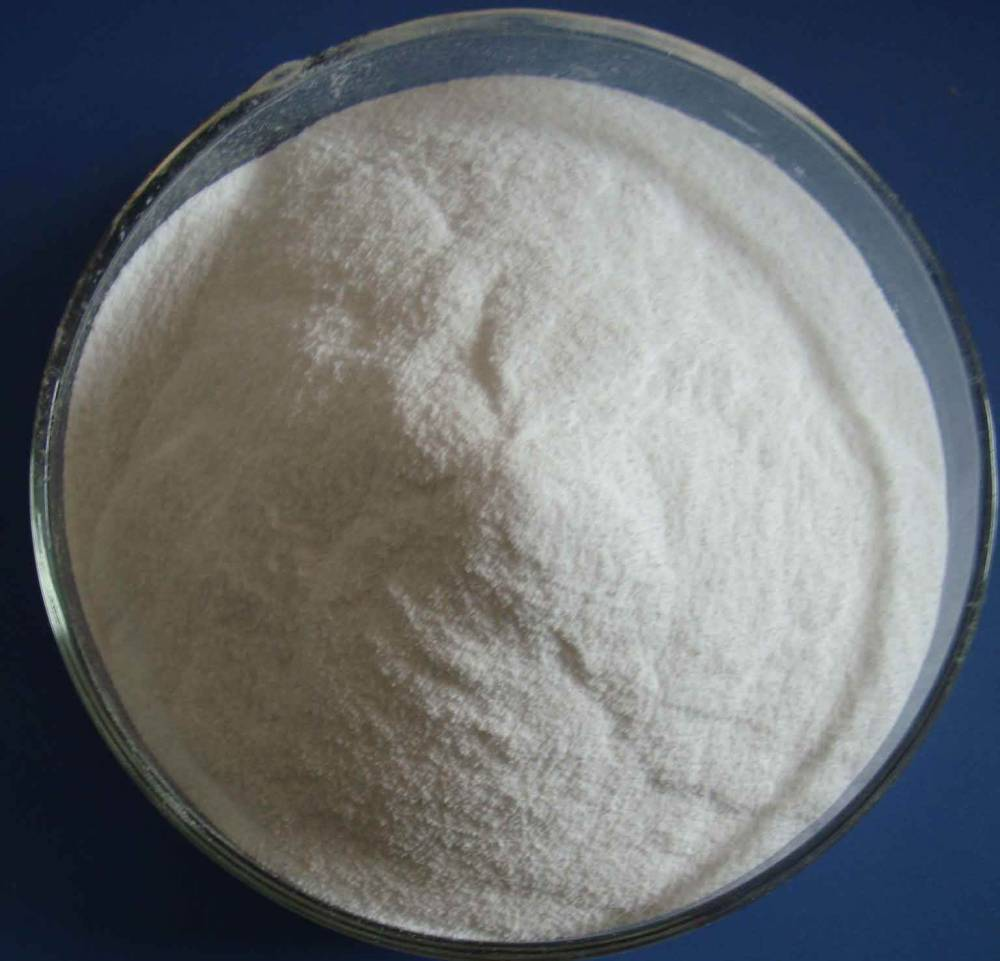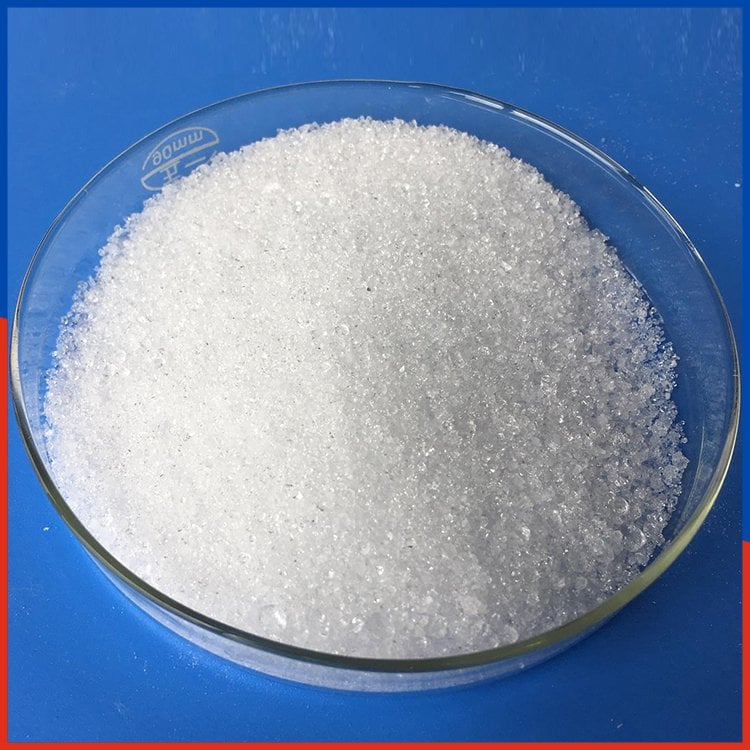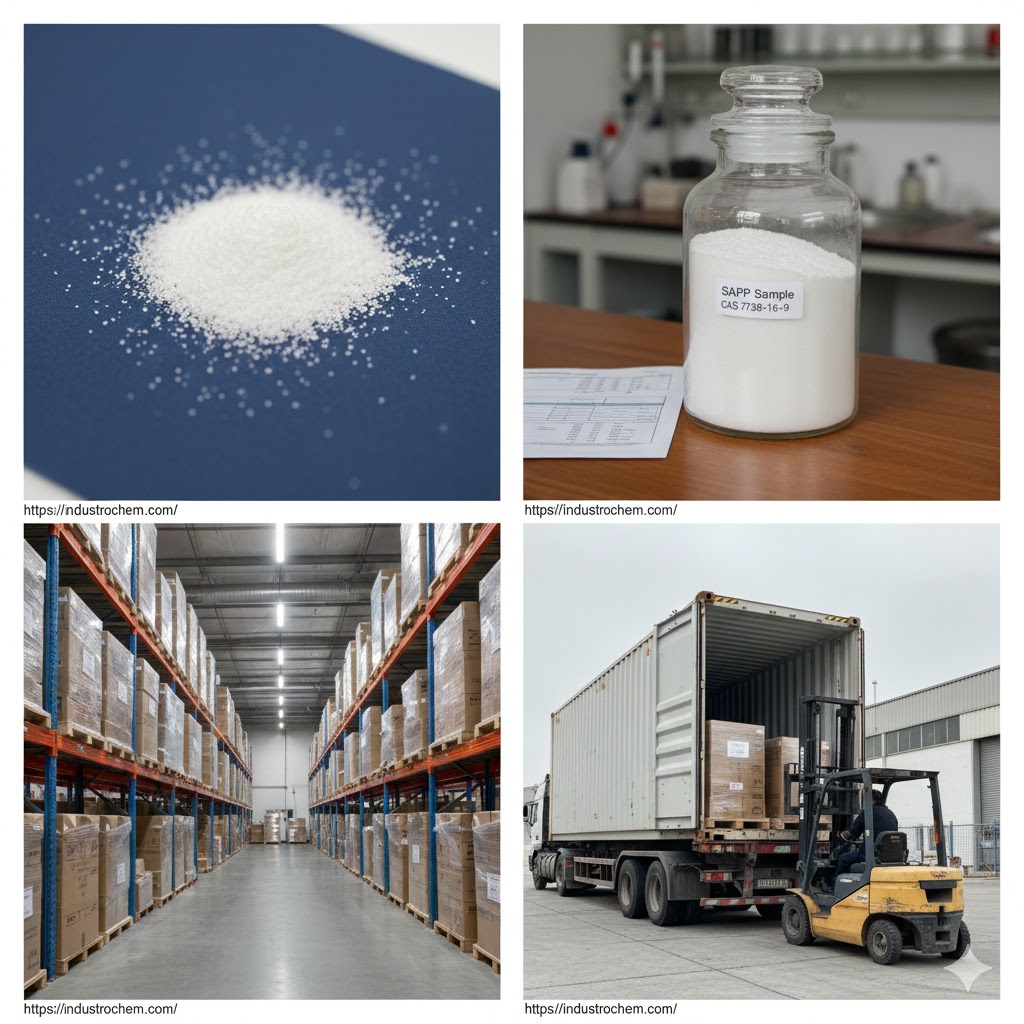
Sodium Acid Pyrophosphate, identified by CAS 7758-16-9, is a high-purity inorganic acid salt characterized by its versatile buffering and metal-sequestering capabilities. As a technical-grade sodium acid pyrophosphate, this disodium dihydrogen pyrophosphate functions as a primary sequestrant and pH-regulating agent in various industrial metal treatment processes. This crystalline sodium pyrophosphate acid is valued in electrochemical and surface finishing applications for its ability to remove metallic oxides and provide a controlled acidic environment for stable coating deposition. Our facility provides competitive factory pricing and customized specifications regarding the Rate of Reaction (ROR) to ensure compatibility with specific manufacturing timeframes. For technical validation and regulatory compliance, we offer comprehensive MSDS, TDS, COA documentation and maintain consistent bulk supply for industrial-scale utility.
Sodium Acid Pyrophosphate CAS 7758-16-9
- CAS: 7758-16-9
- Synonyms: Disodium dihydrogen pyrophosphate, Disodium dihydrogen diphosphate, SAPP, Disodium pyrophosphate
- Einecs: 231-835-0
- Molecular Formula: Na2H2P2O7
- Grade: Food Grade
- Package: 25kg Kraft Paper Bag (with PE liner).
Product Description
SAPP is an anhydrous white powder that acts as an acidic component in leavening systems. It reacts with Sodium Bicarbonate (Baking Soda) to release carbon dioxide gas, which gives baked goods their volume and sponge-like structure.
Why choose our SAPP?
- Stable ROR Values: The most critical quality parameter for SAPP is consistency. Our SAPP 28 offers a predictable “double-acting” effect—releasing some gas during mixing and the rest during heating in the oven.
- Color Protection: Apart from baking, our SAPP is widely used in potato processing (french fries) to chelate iron ions, preventing the potatoes from turning gray or black after cooking (after-cooking darkening).
- Flowability: Our powder is treated to minimize caking, ensuring it mixes evenly in dry flour blends.
Physicochemical Properties
The table below reflects the typical specification for our Export Food Grade SAPP.
| Parameter | Specification |
|---|---|
| Appearance | White free-flowing powder |
| Assay (as Na2H2P2O7) | ≥ 95.0% |
| P2O5 Content | 63.0% – 64.5% |
| pH Value (1% solution) | 3.5 – 4.5 |
| ROR (Rate of Reaction) | 28 ± 4 (Standard) / Custom (15 or 40) |
| Water Insoluble Matter | ≤ 1.0% |
| Fluoride (F) | ≤ 10 ppm |
| Arsenic (As) | ≤ 3 ppm |
| Lead (Pb) | ≤ 2 ppm |
| Heavy Metals (as Pb) | ≤ 10 ppm |
| Loss on Drying (105°C) | ≤ 0.5% |
Applications
- Bakery (Leavening Agent):
- SAPP 28 (Medium): The most popular general-purpose grade. Used in baking powders, cakes, muffins, and pancakes. It releases about 28% of the gas during mixing and the rest during baking.
- SAPP 40 (Fast): Used in donuts and cake mixes where a quick initial rise is needed before the structure sets.
- SAPP 15 (Slow): Used in refrigerated canned doughs (like biscuits) where you don’t want the can to explode during storage.
- Potato Processing:
- Used as a dipping solution for french fries and potato chips to maintain a bright, golden color and prevent darkening caused by oxidation.
- Meat Processing:
- Sometimes used in processed meats to improve water-holding capacity, often in combination with other phosphates.
Storage Conditions
- Hygroscopic: SAPP can absorb moisture from the air, which may cause it to lump or cake.
- Warehouse: Store in a cool, dry, and well-ventilated area.
- Palletizing: Do not stack pallets too high. Excessive pressure combined with humidity can cause the powder at the bottom to harden into blocks.
- Packaging: Keep bags tightly closed when not in use.
Safety Precautions
- Classification: SAPP is generally recognized as safe (GRAS) for food use.
- Handling: It is a mild acid. Prolonged contact with the pure powder may cause skin dryness or irritation. Wear gloves if handling large quantities manually.
- Dust: Avoid inhaling the dust. Use a standard dust mask during hopper feeding or mixing operations.
- Eyes: If powder gets into eyes, rinse immediately with plenty of water as the acidic nature can sting.
FAQ - Technical & Supply Chain
-
Q:
How does the buffering capacity of CAS 7758-16-9 facilitate its use in industrial cleaning?
A: Sodium Acid Pyrophosphate (CAS 7758-16-9) maintains a stable acidic pH while chelating multivalent metal ions, which is typically applied in heavy-duty industrial cleaning formulations to prevent mineral scale precipitation and enhance soil removal efficiency. -
Q:
Is this material intended for use as a dispersant in oil well drilling fluids?
A: Yes, this bulk material is commonly used as a chemical thinner or dispersant in drilling muds, where its ability to sequester calcium ions and control the rheological properties of clay suspensions prevents fluid loss and pipe sticking.
Documents and Product Support
For product review and sourcing evaluation, supporting documents can be coordinated according to the product type, inquiry stage, and order requirements.
- COA for batch-based quality reference
- TDS for key physical and chemical information
- SDS / MSDS for handling, storage, and safety reference
- Packing information for sample, trial, and bulk orders
- Technical communication based on application and specification requirements
Information to Confirm Before Quotation
Clear sourcing information helps reduce specification mismatch and allows a more accurate quotation before sample or bulk order discussion.
- Product name and CAS number
- Application or intended end use
- Required purity, grade, or specification
- Sample quantity, trial order, or bulk demand
- Preferred packing form or net weight
- Destination country or port
- Required documents or compliance expectations
Packaging, Storage, and Handling Notes
Packaging form, storage conditions, shelf life, and shipment arrangements should be confirmed according to the product characteristics, package size, and destination requirements.
Before order confirmation, buyers are advised to review the corresponding product documents and confirm whether any special storage, labeling, or handling requirements apply.
Sample, Bulk Order and Repeat Supply Support
Support can be arranged for sample discussion, bulk supply planning, packaging confirmation, and routine sourcing communication based on the actual product and order requirements.
For repeat-use formulations or long-term procurement plans, buyers may discuss specification consistency, packaging preferences, delivery expectations, and document coordination in advance.