










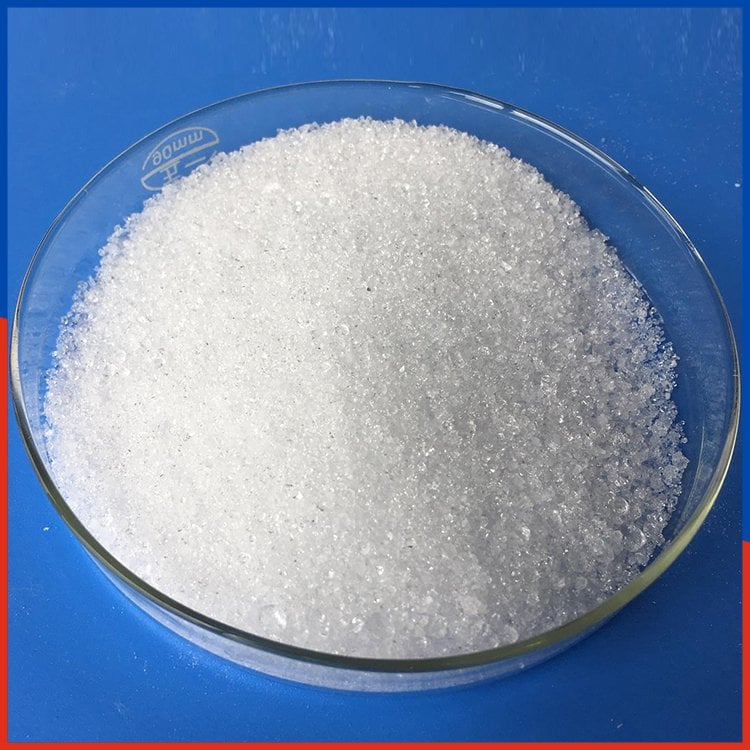
Disodium Phosphate Anhydrous (CAS 7558-79-4), chemically identified as sodium phosphate dibasic, is a hygroscopic inorganic salt functioning as a versatile buffering agent, emulsifier, and texturizer in processed food manufacturing and industrial water treatment. This white crystalline powder, widely technically recognized as DSP or disodium hydrogen orthophosphate, acts to stabilize pH levels in dairy products (preventing protein coagulation in condensed milk) and serves as a sequestering agent in boiler water treatment to prevent scale. We provide bulk supply of this food (E339ii) and technical grade ingredient with competitive factory pricing to ensure formulation stability for diverse industries. Our production ensures rapid solubility and low heavy metal content, making MSDS, TDS, COA available alongside customized specifications to meet specific mesh size or purity requirements.
Disodium Phosphate Anhydrous CAS 7558-79-4
- CAS: 7558-79-4
- Synonyms: DSP, Sodium phosphate dibasic, Disodium monohydrogen phosphate, Disodium hydrogen orthophosphate, Sodium hydrogen phosphate
- Einecs: 231-448-7
- Molecular Formula: Na₂HPO₄
- Grade: Industrial grade / Food additive grade (customizable according to application)
- Package: 25 kg PP woven bag with PE inner liner 25 kg Kraft paper bag with PE inner
Product Description
Product Overview
Disodium hydrogen phosphate (also called disodium phosphate, Na₂HPO₄) is an inorganic phosphate salt widely used as a buffering agent, water softener, emulsifier and dispersant in food, water treatment, detergents and industrial processes. Its stable alkalinity and high solubility make it suitable for formulations where precise pH control and reliable performance are required.
📧 Email: info@industrochem.com to request the latest COA, MSDS, price and sample support.
Physicochemical Properties
Typical values for reference; detailed COA can be provided with each batch.
| Item | Specification (typical) |
|---|---|
| Chemical name | Disodium hydrogen phosphate |
| Synonyms | Disodium phosphate, Sodium phosphate dibasic |
| CAS No. | 7558-79-4 |
| Einecs No. | 231-448-7 |
| Molecular formula | Na₂HPO₄ |
| Molecular weight | 141.96 g/mol |
| Appearance | White or colorless crystalline powder |
| Assay (as Na₂HPO₄) | ≥ 98.0–99.0% (by dry basis, grade-dependent) |
| pH (1% aqueous solution, 25 °C) | 8.9 – 9.2 (weakly alkaline) |
| Density (20 °C) | Approx. 1.5 g/cm³ |
| Bulk density | Approx. 0.8 – 0.9 g/cm³ (loose powder) |
| Solubility in water (20 °C) | ≥ 10 g / 100 mL, easily soluble in water |
| Odor | Odorless |
| Hygroscopicity | Slightly hygroscopic; absorbs moisture from air |
| Melting / decomposition point | ≈ 240–250 °C, decomposes on strong heating |
| Heavy metals | Controlled according to customer spec/grade |
| Insoluble matter | Typically ≤ 0.2% |
Applications
1. Food & Beverage Industry
- Buffering agent to stabilize pH in processed foods, dairy products and beverages.
- Emulsifier and texturizer in cheese, dairy powders and instant products.
- Anti-caking and dispersing agent in powdered and instant mixes.
2. Water Treatment & Boiler Systems
- Water softener to complex calcium and magnesium ions and reduce scale formation.
- Buffer in boiler water and circulating cooling water to maintain slightly alkaline conditions.
3. Detergents & Cleaning Chemicals
- Builder and buffering agent in household and industrial detergents.
- Helps to disperse dirt and improve cleaning efficiency in alkaline formulations.
4. Industrial & Technical Uses
- Buffer and dispersant in electroplating, ceramics and textile auxiliaries.
- Reagent in laboratories and chemical synthesis where controlled alkalinity is needed.
- Component in phosphate blends together with mono- and trisodium phosphates.
For application matching and formula optimization, please contact our technical team.
📧 Email: info@industrochem.com with your end-use description to get tailored grade and dosage recommendations.
Storage Conditions
- Store in a cool, dry and well-ventilated warehouse.
- Keep bags tightly closed to avoid moisture absorption and caking.
- Protect from water, high humidity and direct sunlight.
- Keep away from strong acids and strong oxidizing agents.
- Recommended storage temperature: +5 °C to +30 °C.
Under proper storage conditions, the product remains stable for the indicated shelf-life on the COA.
Safety Precautions
Disodium hydrogen phosphate is generally regarded as a low-hazard, low-toxicity inorganic salt when handled correctly, but basic industrial hygiene measures are still necessary.
- Avoid dust inhalation: Use local exhaust or dust collection in bulk handling; wear suitable dust mask/respirator if necessary.
- Avoid contact with eyes and skin:
- Wear safety glasses and gloves during handling.
- In case of eye contact, rinse immediately with plenty of water and seek medical advice if irritation persists.
- Do not ingest: If swallowed in larger amounts, rinse mouth and drink water; seek medical attention if discomfort occurs.
- Spillage: Sweep up spilled material carefully to minimize dust; collect in clean, dry containers for reuse or disposal.
- Fire & reactivity: Non-flammable solid; decomposes on strong heating, avoid contact with strong acids and strong oxidizers.
For detailed safety and first-aid information, always refer to the MSDS/SDS supplied with the product.
FAQ - Technical & Supply Chain
-
Q:
How does the pH profile of Disodium Phosphate (CAS 7558-79-4) dictate its use compared to Monosodium Phosphate (MSP)?
A: Disodium Phosphate is moderately alkaline, yielding a pH of approximately 9.0 in solution, which makes it the standard choice for raising pH or buffering neutral systems, whereas Monosodium Phosphate is acidic (pH ~4.5) and is selected when a pH reduction is required. -
Q:
Does the anhydrous form require specific storage conditions compared to the hydrate forms?
A: Yes, the anhydrous powder is highly hygroscopic (moisture-attracting); therefore, it must be stored in tightly sealed, moisture-proof packaging in a cool, dry environment to prevent it from absorbing atmospheric water and forming hard, insoluble lumps.
Documents and Product Support
For product review and sourcing evaluation, supporting documents can be coordinated according to the product type, inquiry stage, and order requirements.
- COA for batch-based quality reference
- TDS for key physical and chemical information
- SDS / MSDS for handling, storage, and safety reference
- Packing information for sample, trial, and bulk orders
- Technical communication based on application and specification requirements
Information to Confirm Before Quotation
Clear sourcing information helps reduce specification mismatch and allows a more accurate quotation before sample or bulk order discussion.
- Product name and CAS number
- Application or intended end use
- Required purity, grade, or specification
- Sample quantity, trial order, or bulk demand
- Preferred packing form or net weight
- Destination country or port
- Required documents or compliance expectations
Packaging, Storage, and Handling Notes
Packaging form, storage conditions, shelf life, and shipment arrangements should be confirmed according to the product characteristics, package size, and destination requirements.
Before order confirmation, buyers are advised to review the corresponding product documents and confirm whether any special storage, labeling, or handling requirements apply.
Sample, Bulk Order and Repeat Supply Support
Support can be arranged for sample discussion, bulk supply planning, packaging confirmation, and routine sourcing communication based on the actual product and order requirements.
For repeat-use formulations or long-term procurement plans, buyers may discuss specification consistency, packaging preferences, delivery expectations, and document coordination in advance.


