










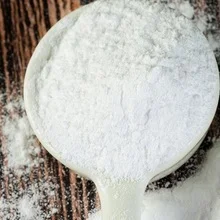
Tetrasodium Pyrophosphate (CAS 7722-88-5), chemically identified as tetrasodium diphosphate, is an inorganic salt functioning as a buffering agent, emulsifier, and thickening agent in food processing and industrial detergent formulations. This white crystalline powder or granule, widely technically recognized as TSPP or anhydrous sodium pyrophosphate, acts as a sequestering agent to bind calcium and magnesium ions, effectively preventing tartar formation in toothpaste and improving water retention in processed meats. We provide bulk supply of this food (E450iii) and technical grade ingredient with competitive factory pricing to optimize material costs for diverse manufacturing sectors. Our production line strictly controls the pH and solubility parameters, making MSDS, TDS, COA available alongside customized specifications to meet specific decahydrate or anhydrous requirements.
Tetrasodium Pyrophosphate (TSPP) CAS 7722-88-5
- CAS: 7722-88-5
- Synonyms: TSPP, Tetrasodium diphosphate, Sodium pyrophosphate anhydrous, Tetrasodium phosphate, Diphosphoric acid tetrasodium salt
- Einecs: 231-767-1
- Molecular Formula: Na₄P₂O₇
- Grade: Industrial / Detergent / Food Grade
- Package: 25 kg PE-lined woven bags or kraft paper bags; 1000 kg jumbo bags; other packing on request
Product Description
Sodium pyrophosphate (tetrasodium pyrophosphate, TSPP) is an inorganic phosphate salt widely used as a detergent builder, dispersant, water softener and pH buffer in detergents, water treatment, ceramics, metal surface cleaning and food processing. It offers strong sequestering ability for Ca²⁺/Mg²⁺ ions, excellent dispersion performance and stable alkalinity in aqueous systems.
📧 Email: info@industrochem.com – Contact our technical sales team for COA, TDS, pricing and sample support.
- CAS: 7722-88-5
- Einecs (EC No.): 231-767-1
- Molecular Formula: Na₄P₂O₇
- Typical Grade: Industrial / Detergent / Food Grade
- Typical Package: 25 kg PE-lined woven bags or kraft paper bags; 1000 kg jumbo bags; other packing on request
Physicochemical Properties
| Item | Typical value (anhydrous TSPP) |
|---|---|
| Chemical name | Sodium pyrophosphate / Tetrasodium pyrophosphate |
| CAS No. | 7722-88-5 |
| EC (Einecs) No. | 231-767-1 |
| Molecular formula | Na₄P₂O₇ |
| Molecular weight | ≈ 265.9 g/mol |
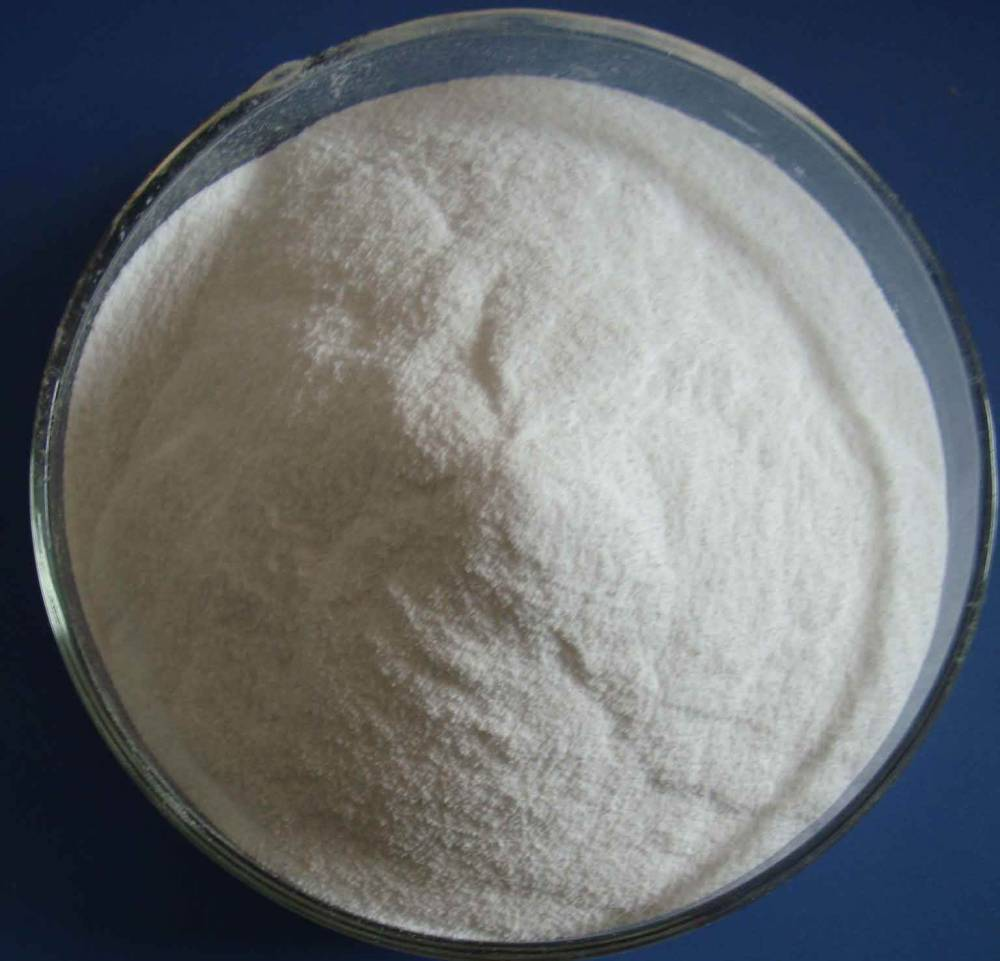
| Appearance | White, crystalline powder or granules, odorless |
| Density (20–25 °C) | ~2.5–2.53 g/cm³ |
| Melting point (anhydrous) | ≈ 988–995 °C |
| Solubility in water (0 °C) | ≈ 2.6–3.2 g/100 mL |
| Solubility in water (25 °C) | ≈ 6.2–6.7 g/100 mL |
| Solubility in water (100 °C) | ≈ 40–42 g/100 mL |
| Solubility in alcohol | Insoluble in ethanol / most alcohols |
| pH (1% aqueous solution) | Typically 10.0–10.6 (alkaline) |
| Assay (as Na₄P₂O₇) | ≥ 95.0–99.0% (depending on grade) |
| P₂O₅ content | Approx. 52.5–54.0% |
| Water insolubles | ≤ 0.10% |
| Loss on ignition | ≤ 0.5% @ 550 °C |
| Bulk density | Typically 0.55–0.70 kg/L |
| Stability | Hygroscopic; aqueous solution slowly hydrolyses to orthophosphate |
Applications
- Detergent and cleaning formulations
- Builder and water softener in household and industrial detergents
- Improves detergency by sequestering Ca²⁺/Mg²⁺, preventing redeposition of soil on fabrics and surfaces
- Water treatment & boiler compounds
- Softening of process water; helps to control hardness and scale formation
- Used in some boiler treatment formulations as dispersant and conditioning agent
- Metal surface cleaning & electroplating
- Degreasing and de-rusting agent in metal cleaning formulations
- Complexes metal ions in electroplating baths, improving bath stability and surface finish
- Ceramics, paper and clay processing
- Dispersant for clay, kaolin, titanium dioxide and other pigments in ceramic and paper slurries
- Improves fluidity and reduces viscosity, enabling higher solids content and better coating performance
- Food industry (Food Grade, E450(c))
- Buffering agent, emulsifier and water-retention agent in processed meat, seafood, bakery and dairy products
- Functions as calcium sequestrant, improves texture and reduces cooking loss in meat and plant-based products
- Other uses
- Component in toothpaste and dental products as tartar control agent
- Additive in some textile, leather and oilfield formulations where dispersion and complexing are needed
For detailed application matching to your formulation, please email info@industrochem.com with your process and target specifications.
Storage Conditions
- Store in a cool, dry and well-ventilated warehouse, away from moisture and direct sunlight.
- Keep bags tightly sealed after opening to avoid moisture uptake and caking (product is hygroscopic).
- Avoid contact with acids and strong oxidizing agents; TSPP is alkaline and may react with acids exothermically.
- Recommended shelf life: 24 months in original unopened packaging under proper storage conditions (actual shelf life depends on storage environment).
Safety Precautions
(General handling information; always follow your local SDS and regulations.)
- Hazard profile
- Alkaline, irritating to eyes, skin and respiratory tract in dust form.
- Personal protection
- Avoid breathing dust; use local exhaust or dust collection in handling and packaging areas.
- Wear suitable PPE: dust mask or respirator, safety goggles, protective gloves and work clothing.
- Handling advice
- Handle gently to minimize dust generation.
- Do not eat, drink or smoke while handling chemicals; wash hands thoroughly after work.
- First-aid (basic)
- Eye contact: Rinse cautiously with plenty of clean water for several minutes; remove contact lenses if easy to do; seek medical advice if irritation persists.
- Skin contact: Wash off with water and mild soap; change contaminated clothing.
- Inhalation: Move the person to fresh air; seek medical attention if breathing difficulty or persistent irritation occurs.
- Ingestion: Rinse mouth with water; do not induce vomiting; get medical advice if a large amount is swallowed.
For a full SDS and regulatory support (REACH, GHS labels, etc.), please contact info@industrochem.com.
FAQ - Technical & Supply Chain
-
Q:
Does this phosphate salt exhibit high alkalinity in aqueous solutions?
A: Yes, Tetrasodium Pyrophosphate is moderately alkaline, typically generating a pH of approximately 10.0 to 10.8 in a 1% solution, which necessitates careful handling and pH adjustment when utilized in sensitive food formulations or neutral cleaning systems. -
Q:
What specific functional attribute makes it critical for processed meat applications?
A: In the meat industry, TSPP is utilized to dissociate actomyosin into actin and myosin; this protein modification significantly increases the water-holding capacity and emulsification stability of sausages and hams, resulting in a juicier texture and higher yield.
Documents and Product Support
For product review and sourcing evaluation, supporting documents can be coordinated according to the product type, inquiry stage, and order requirements.
- COA for batch-based quality reference
- TDS for key physical and chemical information
- SDS / MSDS for handling, storage, and safety reference
- Packing information for sample, trial, and bulk orders
- Technical communication based on application and specification requirements
Information to Confirm Before Quotation
Clear sourcing information helps reduce specification mismatch and allows a more accurate quotation before sample or bulk order discussion.
- Product name and CAS number
- Application or intended end use
- Required purity, grade, or specification
- Sample quantity, trial order, or bulk demand
- Preferred packing form or net weight
- Destination country or port
- Required documents or compliance expectations
Packaging, Storage, and Handling Notes
Packaging form, storage conditions, shelf life, and shipment arrangements should be confirmed according to the product characteristics, package size, and destination requirements.
Before order confirmation, buyers are advised to review the corresponding product documents and confirm whether any special storage, labeling, or handling requirements apply.
Sample, Bulk Order and Repeat Supply Support
Support can be arranged for sample discussion, bulk supply planning, packaging confirmation, and routine sourcing communication based on the actual product and order requirements.
For repeat-use formulations or long-term procurement plans, buyers may discuss specification consistency, packaging preferences, delivery expectations, and document coordination in advance.


