










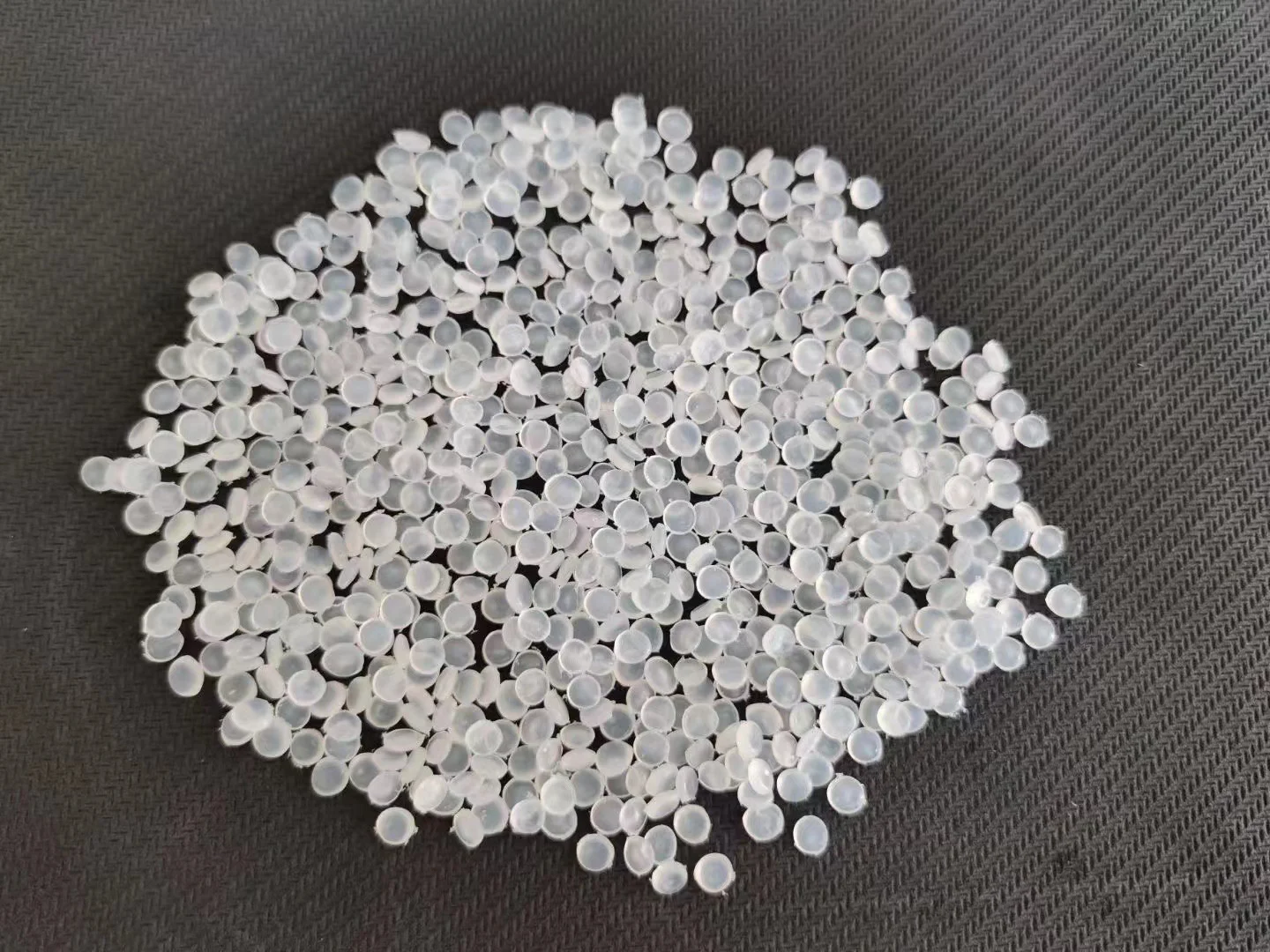
Hydrolyzed Polymaleic Anhydride (CAS 26099-09-2), commonly abbreviated as HPMA, is a low molecular weight polyelectrolyte functioning as a high-efficiency scale inhibitor and dispersant in industrial water treatment systems. This solvent-based polymer, technically identified as polymaleic acid, exhibits exceptional thermal stability and threshold inhibition capabilities, making it the preferred antiscalant for high-temperature environments such as flash desalination plants and low-pressure boilers. We provide bulk supply of this 50% solid content liquid with competitive factory pricing to ensure operational efficiency for desalination and cooling water facilities. Our polymerization technology controls the molecular weight within a tight range (400-800), making MSDS, TDS, COA available alongside customized specifications to meet specific pH tolerance or compatibility needs.
Hydrolyzed Polymaleic Anhydride (HPMA) CAS 26099-09-2
- CAS: 26099-09-2
- Synonyms: HPMA, Polymaleic acid, Maleic acid homopolymer, PMA, Poly(maleic anhydride) hydrolyzed
- Einecs: 607-861-7
- Molecular Formula: (C₄H₄O₄)ₙ
- Grade: Industrial grade, 50% aqueous solution for water treatment
- Package: 25 kg / 250 kg HDPE drums 1,000 L IBC tanks Bulk packaging available on request
Product Description
Product Overview
Hydrolyzed Polymaleic Anhydride (HPMA) is a low-molecular-weight polymer based on maleic anhydride, specially designed as a high-efficiency scale inhibitor and dispersant for industrial water treatment. It offers excellent performance under high temperature and alkaline conditions and is widely used in circulating cooling water, boiler water, desalination, and oilfield water systems.
📧 Email: info@industrochem.com – Contact our technical sales team for detailed COA, sample support, and bulk pricing.
Key Identification
- CAS: 26099-09-2
- Einecs (EC No.): 607-861-7
- Molecular Formula (repeat unit): (C₄H₄O₄)ₓ
- Grade: Industrial grade, 50% aqueous solution (water treatment grade)
- Package: 200 kg HDPE drum / 1000 kg IBC tote, or customized packing as required
HPMA is phosphorus-free, readily soluble in water, and shows strong threshold inhibition and dispersion toward carbonate and phosphate scales, making it suitable for modern, environmentally conscious water treatment formulations.
Physicochemical Properties
| Item | Typical Data |
|---|---|
| Chemical name | Hydrolyzed Polymaleic Anhydride (HPMA) |
| CAS No. | 26099-09-2 |
| EC / Einecs No. | 607-861-7 |
| Molecular formula (repeat unit) | (C₄H₄O₄)ₓ |
| Chemical nature | Low-molecular-weight polycarboxylic polymer |
| Appearance | Light yellow to brownish red transparent liquid |
| Solid content | 48–50 wt.% |
| Average molecular weight | 400–800 |
| pH (1% aqueous solution, 25 °C) | 2.0–3.0 |
| Density (20–25 °C) | 1.18–1.24 g/cm³ |
| Viscosity (25 °C) | Typically 50–300 mPa·s |
| Solubility | Completely soluble in water |
| Thermal stability | Chemically stable; decomposition above ~330 °C |
| Effective temperature range | Up to ~300 °C in scale-inhibition service |
| Effective pH range | Effective under alkaline conditions, up to pH ~8–10 |
| Toxicological profile | Low-toxicity industrial chemical; non-volatile |
*The above values are typical data from industrial-grade HPMA supplied by Chinese manufacturers and are not to be taken as product specifications for any specific lot.
Applications
1. Industrial circulating cooling water & boiler water
- Acts as a threshold scale inhibitor and dispersant for calcium carbonate, calcium phosphate and other inorganic scales.
- Used alone or in combination with organic phosphonates to reduce scale deposition and improve heat-exchange efficiency in recirculating cooling systems, low-pressure boilers and closed-loop water systems.
2. Desalination & evaporator systems
- Suitable for high-temperature, high-salinity conditions such as multi-stage flash (MSF) and other desalination units, helping to control carbonate/phosphate scale and extend online operation time.
3. Oilfield water treatment
- Applied in injection water, crude oil dewatering systems, and low-pressure boilers in oilfields to control scale, maintain pipeline cleanliness, and protect equipment surfaces.
4. Detergents & daily chemicals
- Used as a dispersant in detergents to prevent inorganic salts and soil particles from redepositing on textiles, especially under hard-water conditions.
5. Cement additive & soil conditioner
- Serves as a dispersing/water-reducing component in cement formulations and as a soil improver in saline or alkaline soils, leveraging its polyelectrolyte nature.
For detailed formulation advice and dosage recommendations in your specific system, please contact:
📧 Email: info@industrochem.com
Storage Conditions
- Store in a cool, dry, and well-ventilated warehouse.
- Keep container tightly closed; protect from direct sunlight and high temperatures.
- Recommended storage temperature: 0–40 °C; avoid freezing (precipitation or stratification may occur at low temperatures).
- Shelf life: typically 12 months in original, unopened packaging under recommended conditions.
- If long-term storage leads to slight stratification or turbidity, mix or stir thoroughly before use; performance is usually not affected.
Safety Precautions
- HPMA solutions are acidic; avoid direct contact with skin, eyes, and clothing.
- Wear appropriate personal protective equipment (PPE): chemical-resistant gloves, safety goggles/face shield, and protective clothing when handling.
- In case of skin contact: immediately wash with plenty of water and soap. Remove contaminated clothing.
- In case of eye contact: rinse cautiously with clean water for at least 15 minutes and seek medical attention if irritation persists.
- If swallowed: rinse mouth with water, do not induce vomiting; seek medical advice.
- Ensure good ventilation in working areas; avoid aerosol generation and splashing.
- Spillage: contain and absorb with inert material (sand/earth), collect into suitable containers for disposal according to local regulations.
For the latest SDS and regulatory documentation, please request it from:
📧 Email: info@industrochem.com
FAQ - Technical & Supply Chain
-
Q:
What specific operational condition makes HPMA superior to standard Polyacrylic Acid (PAA) antiscalants?
A: HPMA retains its scale-inhibiting efficacy at temperatures exceeding 300°C and in high-alkalinity environments, whereas standard polyacrylates often degrade or lose performance under such extreme thermal stress, making HPMA uniquely suited for flash evaporation and geothermal applications. -
Q:
Can this polymer effectively control scale types other than calcium carbonate?
A: Yes, beyond calcium carbonate, the specific carboxylic acid functionality of this molecule provides robust inhibition against calcium sulfate and calcium phosphate scales, preventing hard deposits from adhering to heat exchange surfaces even during long operational cycles.
Documents and Product Support
For product review and sourcing evaluation, supporting documents can be coordinated according to the product type, inquiry stage, and order requirements.
- COA for batch-based quality reference
- TDS for key physical and chemical information
- SDS / MSDS for handling, storage, and safety reference
- Packing information for sample, trial, and bulk orders
- Technical communication based on application and specification requirements
Information to Confirm Before Quotation
Clear sourcing information helps reduce specification mismatch and allows a more accurate quotation before sample or bulk order discussion.
- Product name and CAS number
- Application or intended end use
- Required purity, grade, or specification
- Sample quantity, trial order, or bulk demand
- Preferred packing form or net weight
- Destination country or port
- Required documents or compliance expectations
Packaging, Storage, and Handling Notes
Packaging form, storage conditions, shelf life, and shipment arrangements should be confirmed according to the product characteristics, package size, and destination requirements.
Before order confirmation, buyers are advised to review the corresponding product documents and confirm whether any special storage, labeling, or handling requirements apply.
Sample, Bulk Order and Repeat Supply Support
Support can be arranged for sample discussion, bulk supply planning, packaging confirmation, and routine sourcing communication based on the actual product and order requirements.
For repeat-use formulations or long-term procurement plans, buyers may discuss specification consistency, packaging preferences, delivery expectations, and document coordination in advance.


