










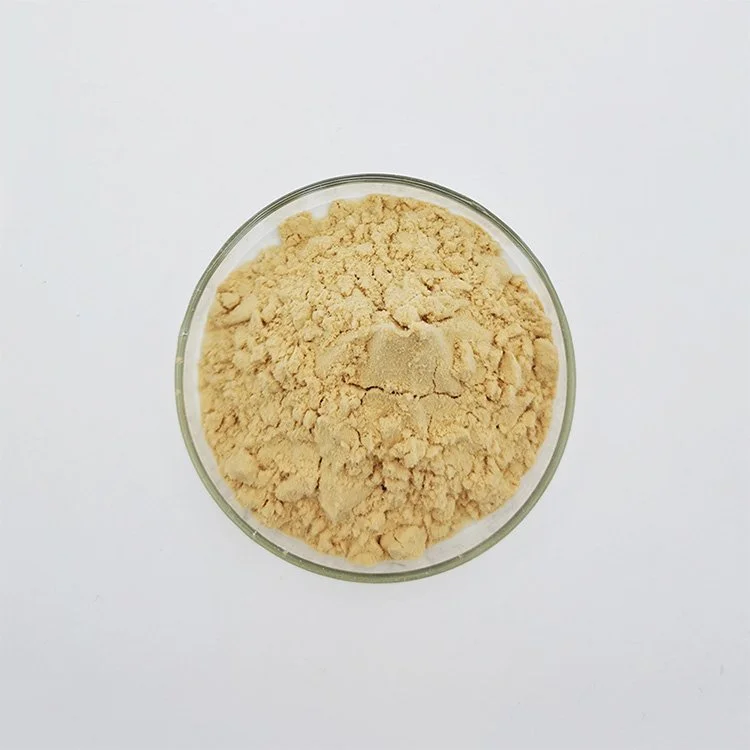
Sodium Polyaspartate (CAS 35608-40-6), chemically identified as the sodium salt of polyaspartic acid, is a biodegradable polymer functioning as a green scale inhibitor and dispersant in industrial water treatment and agricultural nutrient enhancement. This water-soluble polypeptide, widely technically referred to as PASP, acts as a non-phosphorus alternative to traditional polyacrylates, effectively preventing calcium carbonate and calcium sulfate scale formation in cooling towers and reverse osmosis systems. We provide bulk supply of this eco-friendly functional polymer with competitive factory pricing to promote sustainable chemical management. Our synthesis process ensures specific molecular weight distribution, making MSDS, TDS, COA available alongside customized specifications (Liquid 40% / Powder) to meet green chemistry standards.
Sodium Polyaspartate (PASP) CAS 35608-40-6
- CAS: 35608-40-6
- Synonyms: Sodium Polyaspartate, Polyaspartic acid sodium salt, PASP, Sodium salt of polyaspartic acid, Biodegradable scale inhibitor
- Einecs: 639-847-1
- Molecular Formula: C₄H₄NO₃Na)ₙ
- Grade: Industrial Grade / Water Treatment Grade
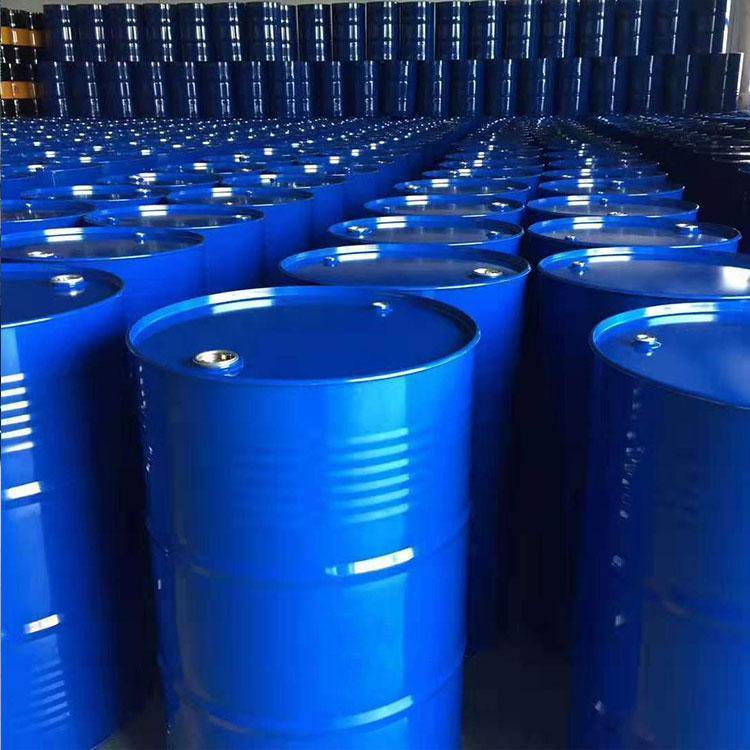
- Package: 25 kg / 250 kg plastic drums or 1000 L IBC totes (custom packaging on request)
Product Description
PASP is produced by polymerization of aspartic acid and subsequent neutralization with sodium. The polymer chain is rich in carboxyl and amide groups, which gives it strong chelating and dispersing power, high thermal stability in water systems, and excellent biodegradability.
As a new-generation eco-friendly water treatment agent, Sodium Polyaspartate can partially or completely replace traditional phosphonate and polyacrylate antiscalants, helping end users reduce phosphate discharge and the risk of eutrophication while keeping heat-exchange surfaces clean and efficient.
Physicochemical Properties
| Property | Typical Value |
|---|---|
| Appearance | Yellow to amber clear liquid |
| Chemical nature | Sodium salt of polyaspartic acid, polyanionic polymer |
| CAS No. | 35608-40-6 |
| Einecs No. | 639-847-1 |
| Solid content | ≥ 40.0 wt% |
| Density (20 °C) | ≥ 1.20 g/cm³ |
| pH (1% aqueous solution, 25 °C) | 9.0 – 11.0 (alkaline) |
| Average molecular weight (Mw) | approx. 1,000 – 5,000 |
| Solubility | Completely soluble in water |
| Biodegradability | Fully biodegradable, phosphorus- and nitrogen-free |
| Thermal stability (in solution) | Stable under normal circulating water conditions |
| Main functional groups | Carboxyl (–COO⁻), amide (–CONH–) |
| Chelation / dispersion | Strong chelation with Ca²⁺, Mg²⁺, Fe²⁺/Fe³⁺ etc.; excellent dispersion of inorganic scale |
Note: Values above are typical data, not guaranteed specifications. Custom specifications can be supplied according to client requirements.
Applications
1. Industrial Water Treatment
- Circulating cooling water & open recirculating systems – Acts as a non-phosphorus scale and corrosion inhibitor for CaCO₃, CaSO₄, BaSO₄ and Ca₃(PO₄)₂ scales, maintaining heat-exchange efficiency.
- Boiler water, RO and desalination systems – Controls hardness scale and dispersed iron, reduces cleaning frequency and extends membrane/equipment life.
- High-hardness & high-alkalinity systems – Shows good performance at high cycles of concentration where conventional agents fail.
2. Oilfield & Drilling
- Used as a corrosion inhibitor and scale inhibitor in oilfield injection water and produced-water re-injection systems.
- As a viscosity reducer / dispersant in drilling fluids, helps to thin bentonite mud and improve rheology.
3. Detergent & Cleaning Formulations
- Functions as a biodegradable builder and dispersant in household and industrial detergents, dishwashing liquids and hard-surface cleaners.
- Helps soften water, disperse soil, prevent re-deposition and improve overall cleaning performance.
4. Agriculture & Forestry
- Used as a fertilizer synergist / soil conditioner to improve nutrient availability and uptake of N, P, K and trace elements.
- Can enhance plant stress resistance and yield when combined with fertilizers or certain pesticides.
5. Other Uses
- Dispersant or chelating agent in pigments, coatings, leather, paper, and inorganic chemicals.
For detailed formulation suggestions in your specific system, please contact: info@industrochem.com.
Storage Conditions
- Store in tightly closed original containers.
- Keep in a cool, dry, well-ventilated warehouse, away from direct sunlight and heat sources.
- Recommended storage temperature: 5 – 35 °C; avoid freezing.
- Under proper storage conditions, typical shelf life is about 10–12 months from production date.
If product is stored beyond the recommended period, re-test key parameters before use.
Safety Precautions
- Alkaline liquid; avoid contact with eyes, skin and clothing.
- Wear suitable protective gloves, goggles and protective clothing when handling.
- In case of contact with skin or eyes, rinse immediately with plenty of clean water and seek medical advice if irritation persists.
- Do not ingest. If swallowed, rinse mouth and seek medical attention.
- Do not discharge large quantities into surface water or sewage systems; follow local environmental regulations.
- Refer to the detailed SDS/MSDS for complete safety and handling information.
FAQ - Technical & Supply Chain
-
Q:
What environmental advantage does PASP offer over traditional phosphonate-based antiscalants?
A: Unlike phosphonates which can contribute to eutrophication (algae blooms) in water bodies, Sodium Polyaspartate is completely phosphorus-free and rapidly biodegradable, allowing industrial effluents to meet strict environmental discharge regulations without secondary treatment. -
Q:
In agricultural applications, how does this polymer function as a fertilizer synergist?
A: hen added to urea or compound fertilizers, PASP effectively chelates metallic micronutrients and slows the crystallization of nutrients in the soil, thereby extending the availability period of nitrogen and phosphorus for root absorption and significantly improving fertilizer utilization rates.
Documents and Product Support
For product review and sourcing evaluation, supporting documents can be coordinated according to the product type, inquiry stage, and order requirements.
- COA for batch-based quality reference
- TDS for key physical and chemical information
- SDS / MSDS for handling, storage, and safety reference
- Packing information for sample, trial, and bulk orders
- Technical communication based on application and specification requirements
Information to Confirm Before Quotation
Clear sourcing information helps reduce specification mismatch and allows a more accurate quotation before sample or bulk order discussion.
- Product name and CAS number
- Application or intended end use
- Required purity, grade, or specification
- Sample quantity, trial order, or bulk demand
- Preferred packing form or net weight
- Destination country or port
- Required documents or compliance expectations
Packaging, Storage, and Handling Notes
Packaging form, storage conditions, shelf life, and shipment arrangements should be confirmed according to the product characteristics, package size, and destination requirements.
Before order confirmation, buyers are advised to review the corresponding product documents and confirm whether any special storage, labeling, or handling requirements apply.
Sample, Bulk Order and Repeat Supply Support
Support can be arranged for sample discussion, bulk supply planning, packaging confirmation, and routine sourcing communication based on the actual product and order requirements.
For repeat-use formulations or long-term procurement plans, buyers may discuss specification consistency, packaging preferences, delivery expectations, and document coordination in advance.


