










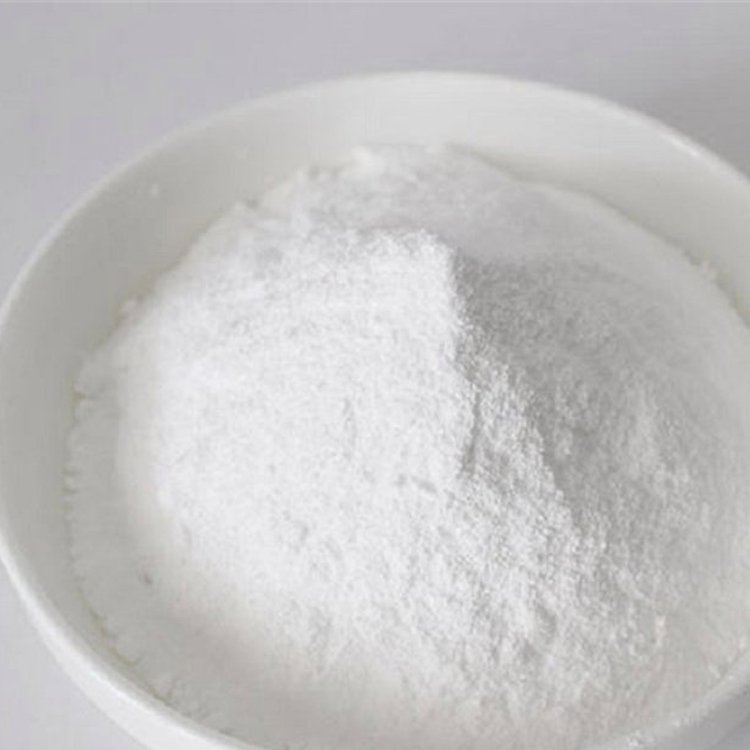
• Sodium Carbonate CAS 497-19-8

Sodium Carbonate CAS 497-19-8

Sodium Carbonate (CAS 497-19-8) is an essential inorganic compound serving as a primary alkaline source in industrial glass manufacturing and detergent formulation processes. Chemically recognized as Disodium carbonate or Calcined soda, this white granular substance functions to regulate pH levels and flux silica melts. As a versatile Carbonic acid disodium salt, it is produced in dense and light grades to ensure optimal solubility and reactivity within chemical synthesis operations. We ensure bulk supply capabilities for this material, providing access to competitive factory pricing and customized specifications to meet specific density requirements. Full technical documentation, including MSDS, TDS, COA, is available to support compliance and safety protocols.

  • CAS: 497-19-8
  • Synonyms: Disodium carbonate, Calcined soda, Carbonic acid disodium salt, Soda ash
  • Einecs: 207-838-8
  • Molecular Formula: Na2CO3 ​
  • Grade: Industrial Grade (Heavy & Light)
  • Package: 25kg/50kg PP bags with PE liner, 1000kg/1200kg Jumbo bags.
Request a quote
Share:

Product Description

Sodium Carbonate is a white, odorless powder or granular crystal with a strong alkaline taste. In the global market, it is categorized into two main types based on bulk density:

  1. Heavy Soda Ash (Granular): Specifically designed for the glass industry. Its higher density and larger particle size minimize dust during transport and ensure better mixing with silica sand in furnaces.
  2. Light Soda Ash (Powder): Primarily used in the detergent, chemical, and food industries where rapid solubility is required.

Our Soda Ash meets or exceeds the GB/T 210.1-2004 (Chinese National Standard), ensuring a total alkali content of ≥99.2%. It serves as a vital pH regulator, fluxing agent, and cleaning component across diverse industrial sectors.


Physicochemical Properties

PropertyHeavy Soda Ash (Typical)Light Soda Ash (Typical)
Total Alkali Content ≥ 99.2%≥ 99.2%
Chloride (as NaCl)≤ 0.70%≤ 0.70%
Iron (Fe)≤ 0.0035%≤ 0.0035%
Sulfate (as SO4​)≤ 0.03%≤ 0.03%
Matter Insoluble in Water≤ 0.03%≤ 0.03%
Bulk Density (g/cm³)0.90 – 1.200.50 – 0.80
Particle Size (>180μm)≥ 70%
AppearanceWhite GranularWhite Powder

Applications

  1. Glass Manufacturing: The largest consumer of Heavy Soda Ash. It acts as a flux to lower the melting point of silica, used in flat glass, container glass, and fiberglass.
  2. Detergents & Soaps: Used as a builder to emulsify oil stains and soften water by precipitating magnesium and calcium ions.
  3. Chemical Synthesis: A key raw material for producing Sodium Silicates, Sodium Bicarbonate, Sodium Dichromate, and Sodium Tripolyphosphate.
  4. Metallurgy: Used as a desulfurizer and dephosphorizer in steel and iron production, and as a flux in non-ferrous metal smelting.
  5. Water Treatment: Acts as a cost-effective pH adjuster and water softener for industrial boilers and municipal wastewater.
  6. Pulp & Paper: Used in the cooking process of wood pulp and as a bleaching agent regulator.

Storage Conditions

  • Dryness is Critical: Sodium Carbonate is hygroscopic. It must be stored in a dry, well-ventilated warehouse to prevent caking and absorption of atmospheric moisture/CO2.
  • Packaging Integrity: Ensure bags remain sealed. Do not store alongside acids, as a neutralizing reaction will occur, releasing carbon dioxide gas.
  • Stacking: Keep bags on pallets to avoid direct contact with damp floors.

Safety Precautions

  • Eye Protection: Sodium Carbonate is a strong alkaline irritant. Wear safety goggles. In case of contact, flush with water for at least 15 minutes.
  • Respiratory Protection: During handling, especially with Light Soda Ash, wear a dust mask (N95/P2) to avoid irritation of the respiratory tract.
  • Skin Care: Prolonged contact may cause dryness or irritation. Wear protective gloves and wash thoroughly after handling.
  • Environmental: Avoid large-scale discharge into water sources as it will significantly raise the pH level, potentially harming aquatic life.

FAQ - Technical & Supply Chain

  • Q:

    What is the chemical identity of Sodium Carbonate CAS 497-19-8?

    A: Sodium Carbonate (CAS 497-19-8), frequently referred to as Soda Ash or Disodium carbonate, is an anhydrous inorganic salt used extensively as an industrial alkali and fluxing agent.
  • Q:

    Is this product suitable for use in glass production?

    A: Yes, this material is typically applied in industrial glass manufacturing to lower the melting temperature of silica sand and improve process efficiency.
Documents

Documents and Product Support

For product review and sourcing evaluation, supporting documents can be coordinated according to the product type, inquiry stage, and order requirements.

  • COA for batch-based quality reference
  • TDS for key physical and chemical information
  • SDS / MSDS for handling, storage, and safety reference
  • Packing information for sample, trial, and bulk orders
  • Technical communication based on application and specification requirements
Quotation

Information to Confirm Before Quotation

Clear sourcing information helps reduce specification mismatch and allows a more accurate quotation before sample or bulk order discussion.

  • Product name and CAS number
  • Application or intended end use
  • Required purity, grade, or specification
  • Sample quantity, trial order, or bulk demand
  • Preferred packing form or net weight
  • Destination country or port
  • Required documents or compliance expectations
Storage & Handling

Packaging, Storage, and Handling Notes

Packaging form, storage conditions, shelf life, and shipment arrangements should be confirmed according to the product characteristics, package size, and destination requirements.

Before order confirmation, buyers are advised to review the corresponding product documents and confirm whether any special storage, labeling, or handling requirements apply.

Supply Support

Sample, Bulk Order and Repeat Supply Support

Support can be arranged for sample discussion, bulk supply planning, packaging confirmation, and routine sourcing communication based on the actual product and order requirements.

For repeat-use formulations or long-term procurement plans, buyers may discuss specification consistency, packaging preferences, delivery expectations, and document coordination in advance.

Contact Form

Use our contact form to send us your questions, suggestions or comments. We will respond as soon as possible.