
Chemical products

Potassium Carbonate (K₂CO₃) CAS 584-08-7

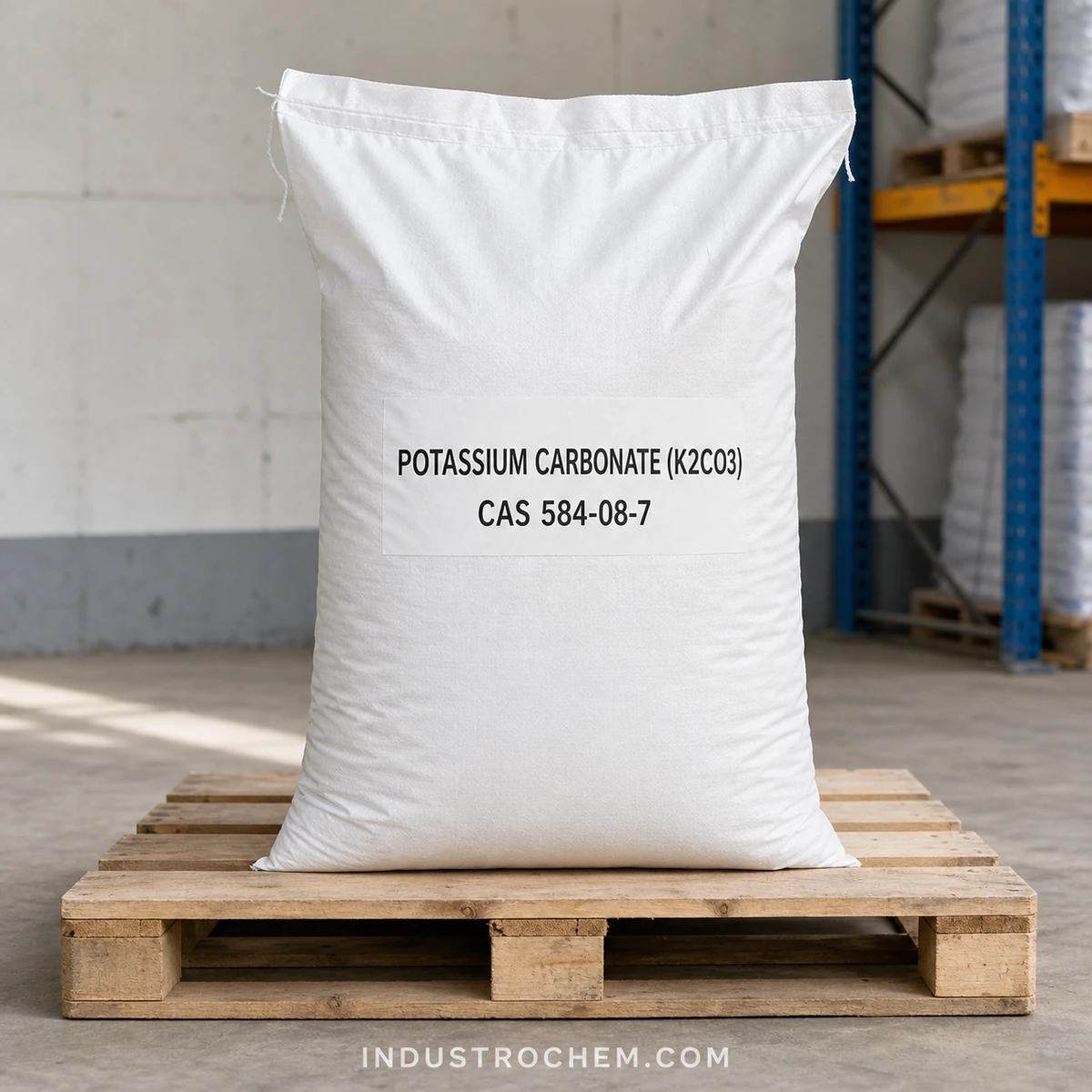
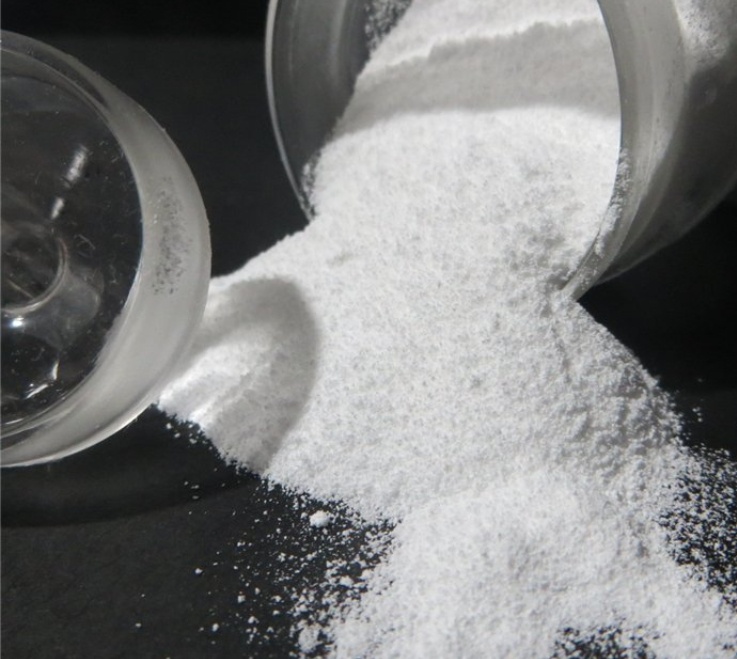
Potassium Carbonate (K₂CO₃), CAS 584-08-7, is a water-soluble alkaline salt used in glass manufacture, cleaning formulations and chemical synthesis. Moisture, particle form and impurity limits affect grade selection. Send your application, quantity and destination for a quotation.

  • CAS: 584-08-7
  • Synonyms: Potassium carbonate, Potash, Carbonic acid dipotassium salt, Dipotassium carbonate
  • Einecs: 209-529-3
  • Molecular Formula: K₂CO₃
  • Grade: Application-specific specifications covering K₂CO₃ assay and reporting basis, moisture, free alkali and relevant impurity limits.
  • Package: Tightly sealed, moisture-resistant packaging; liner, net weight and shipment format agreed with the quotation.
Request a quote
Share:

Product Description

Product Identity and Specification

ItemTechnical Information
Product NamePotassium Carbonate (K₂CO₃)
CAS Number584-08-7
Molecular FormulaK₂CO₃
Molecular Weight138.21 g/mol
Material TypeWater-soluble alkaline inorganic salt
Grade / Key SpecificationsK₂CO₃ assay and basis; moisture or loss on drying; free alkali, chloride, iron, water-insoluble matter and particle form
Available FormThe quotation specifies the solid form or aqueous concentration.
DocumentsCOA, TDS and SDS for the quoted grade

Applications and Grade Selection

In selected glass batches, potassium carbonate supplies the potassium component, while Sodium Carbonate and Boric Acid provide other formulation components. The required glass composition determines their proportions; they are not direct equal-weight substitutes.

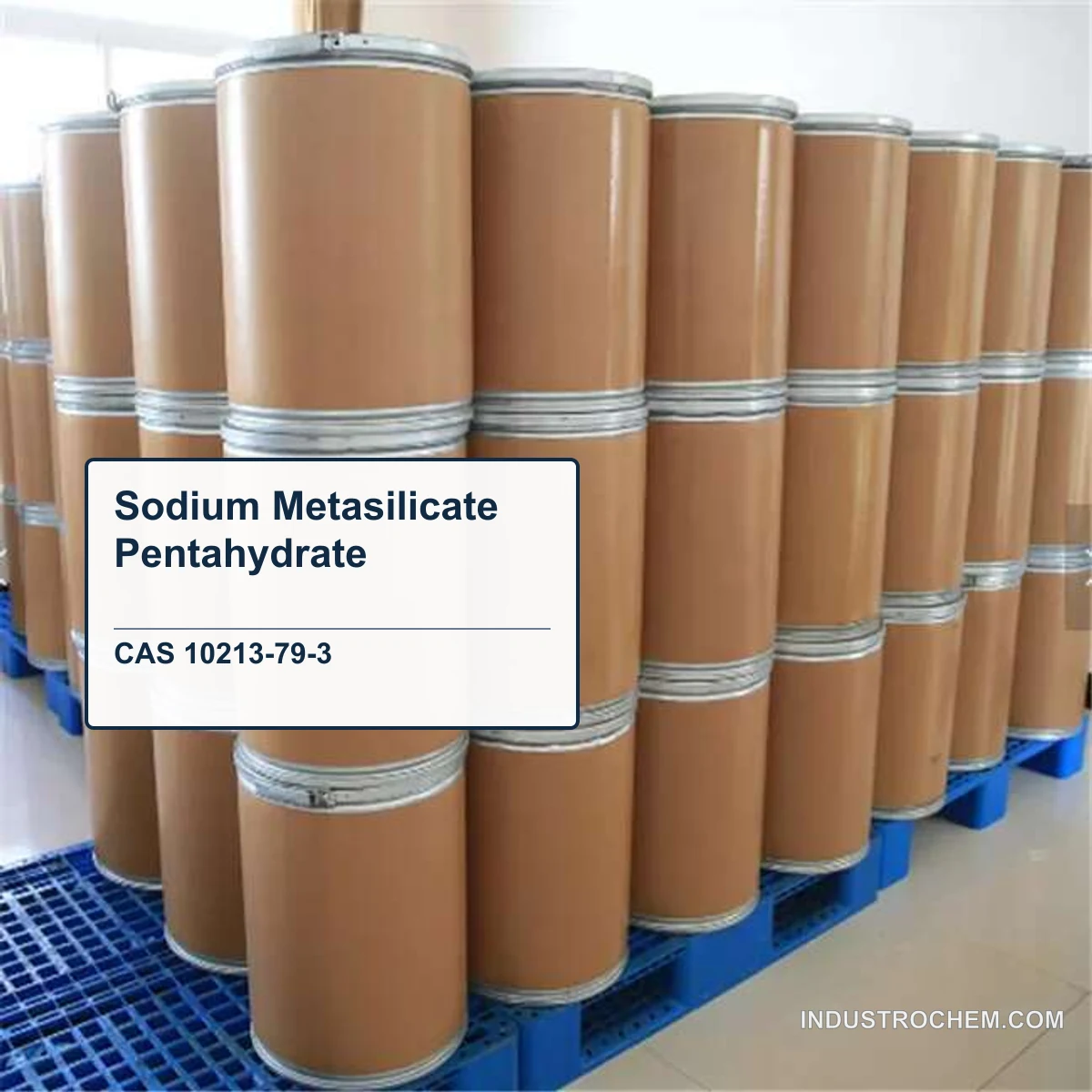
For alkaline cleaning formulations, Sodium Metasilicate Pentahydrate is a related formulation ingredient. Blend composition and use conditions determine alkalinity and surface compatibility.

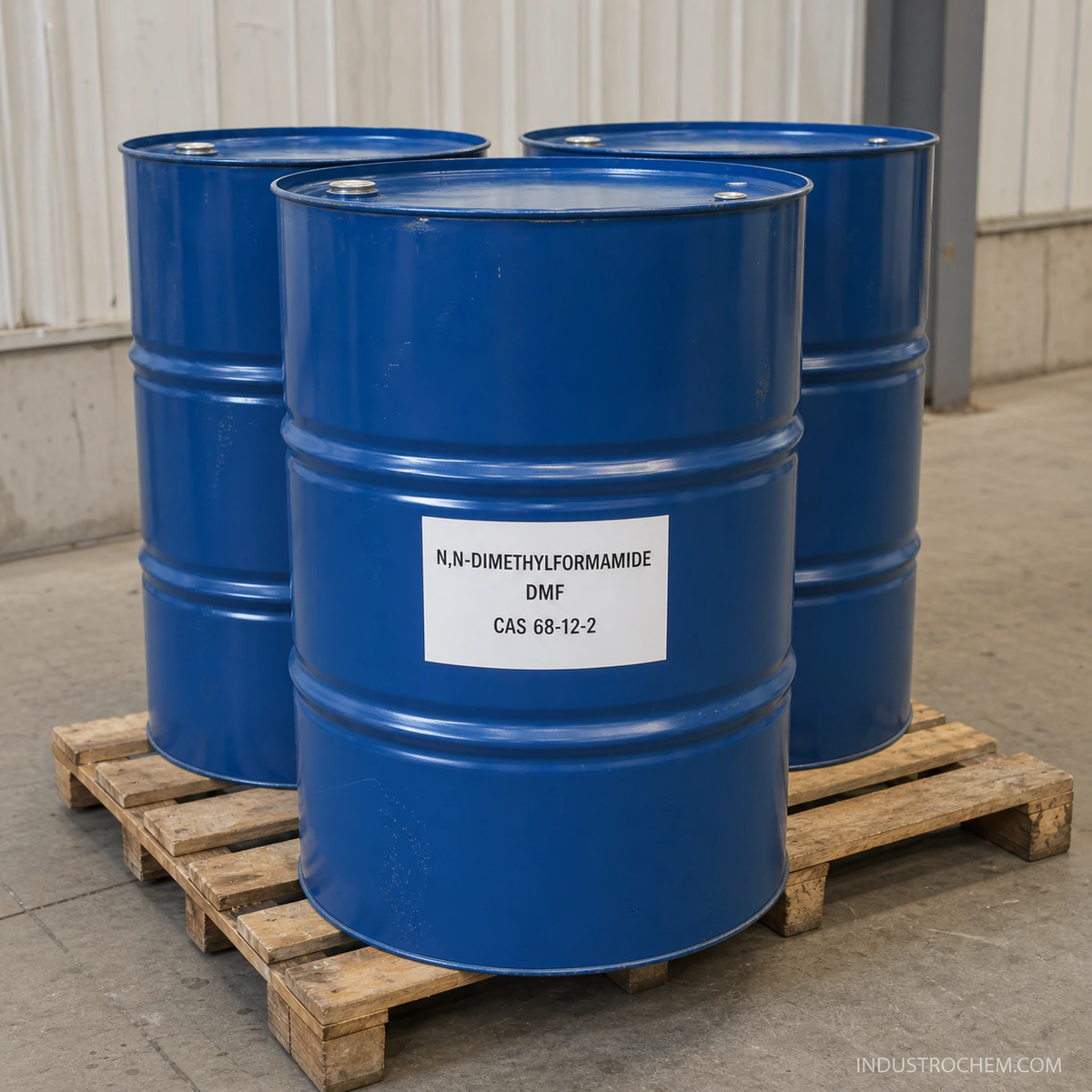
N,N-Dimethylformamide (DMF) serves as a reaction medium in some alkylation routes using potassium carbonate as a base. Solvent and water-content requirements depend on the process.

Assay and Quality Documents

Acid-base titration is a common assay method for potassium carbonate. Total alkalinity expressed as K₂CO₃ can include contributions from hydroxide or bicarbonate; a carbonate-specific result requires the applicable corrections. The test method and dry-basis or as-received reporting basis are essential when comparing grades. Moisture or loss-on-drying results also need their stated test conditions.

We can provide a COA (Certificate of Analysis), TDS (Technical Data Sheet) and SDS (Safety Data Sheet) for the quoted grade, including the applicable specification, test methods and reporting basis.

Storage and Packaging

Keep packaging tightly closed in a dry storage area to limit moisture uptake and caking. Packaging, net weight and delivery details are agreed with the quotation.

Safety and Documentation

Potassium carbonate is alkaline. Follow the SDS for the supplied form for dust control, eye protection, handling and incompatible materials.

FAQ - Technical & Supply Chain

  • Q:

    Is anhydrous Potassium Carbonate interchangeable with hydrated material or aqueous solutions?

    A: No. Anhydrous material, hydrated material and aqueous solutions contain different amounts of water, so the same total weight does not supply the same amount of K₂CO₃. The specified form, solution concentration and assay basis determine the charge calculation. A dry-basis assay alone does not describe the as-received water content.
  • Q:

    Which specifications matter when ordering Potassium Carbonate?

    A: The key details are K₂CO₃ assay and its reporting basis, moisture or loss on drying, free alkali, chloride, iron, water-insoluble matter and particle form. Additional impurity limits depend on the application. Send your application or target specification with the required quantity for a grade-specific quotation.
  • Q:

    How is bulk Potassium Carbonate packaged?

    A: Tightly sealed, moisture-resistant packaging helps limit moisture uptake and caking. The liner, net weight, pallet arrangement and shipment format are agreed for the order. Include your quantity and destination in the inquiry; any particle-flow or caking criteria can be added to the specification.

Ordering & Documentation

Key information for document requests, quotations, and supply planning.

Documents

Tell us which documents your procurement team needs. Before an order, we will check whether the quoted source can provide them for the offered lot.

Quotation

Send the CAS number, grade, quantity, packing preference and destination.

Sample & Supply

Ask whether samples, trial quantities or repeat orders are possible. We will check each request against the sourced product and current offer.

Storage & Shipping

Product-specific conditions are confirmed before order.

Contact Form

Use our contact form to send us your questions, suggestions or comments. We will respond as soon as possible.
For a quotation, please include the product name or CAS number, quantity, grade or application, and destination country or port. Tell us if you need a sample, COA, TDS or SDS.