









• Sulfur Diiodide CAS 13465-38-8
  • Sulfur Diiodide CAS 13465-38-8

Sulfur Diiodide CAS 13465-38-8

Sulfur Diiodide is an inorganic chemical compound, sulfur halide, and reaction intermediate used in controlled chemical synthesis systems. Identified by CAS 13465-38-8, its S–I bonds exhibit high reactivity, enabling iodine transfer and sulfur incorporation reactions under defined conditions. In industrial chemical processing, it is commonly applied in organosulfur compound synthesis, where precise stoichiometric control is required for downstream transformations. The material is supplied with competitive factory pricing, supports customized specifications, and is available with complete MSDS, TDS, COA documentation for bulk supply.

  • CAS: 13465-38-8
  • Synonyms: Sulfur diiodide, Disulfur diiodide, Sulphur diiodide, Diiododisulfur
  • Einecs: 258-458-4
  • Molecular Formula: I₂S₂
  • Grade: Industrial grade 99%
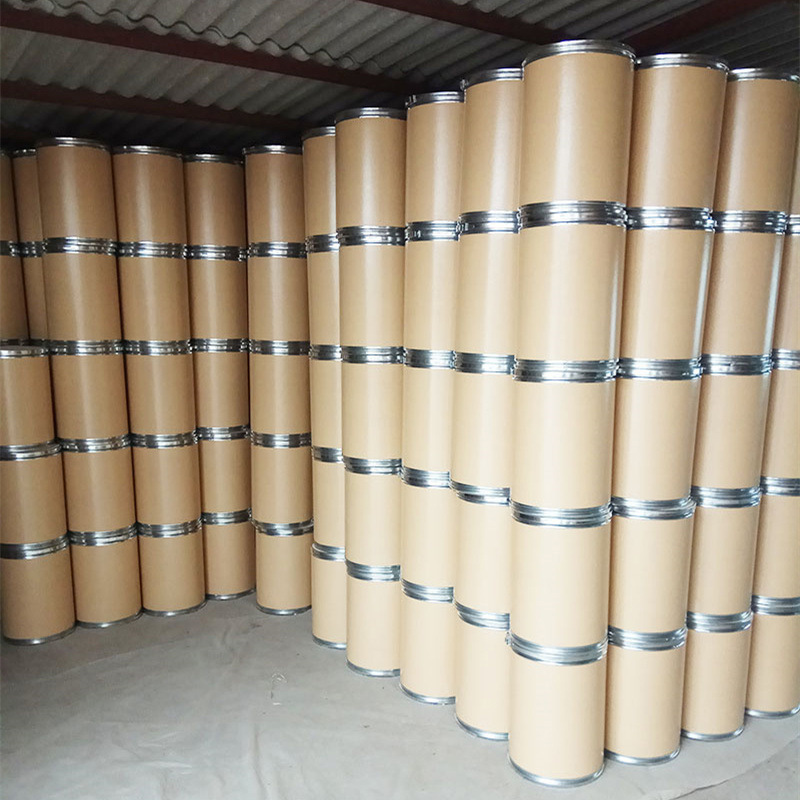
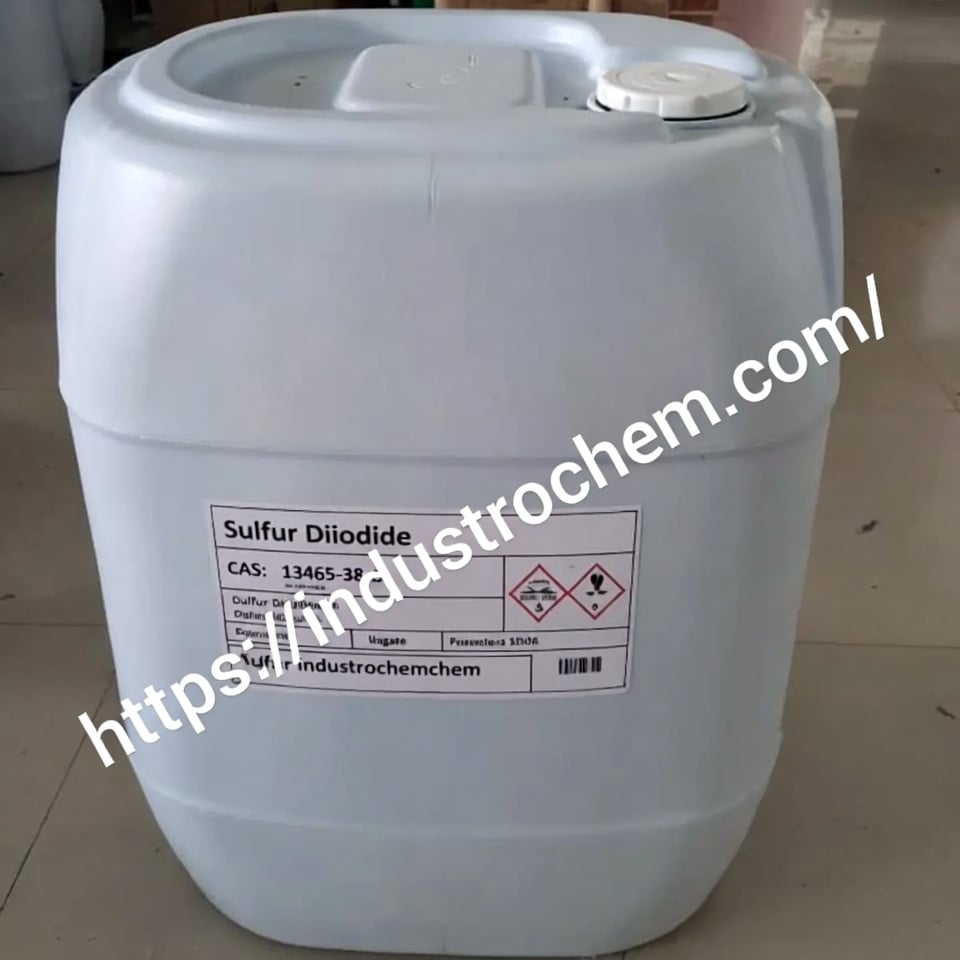
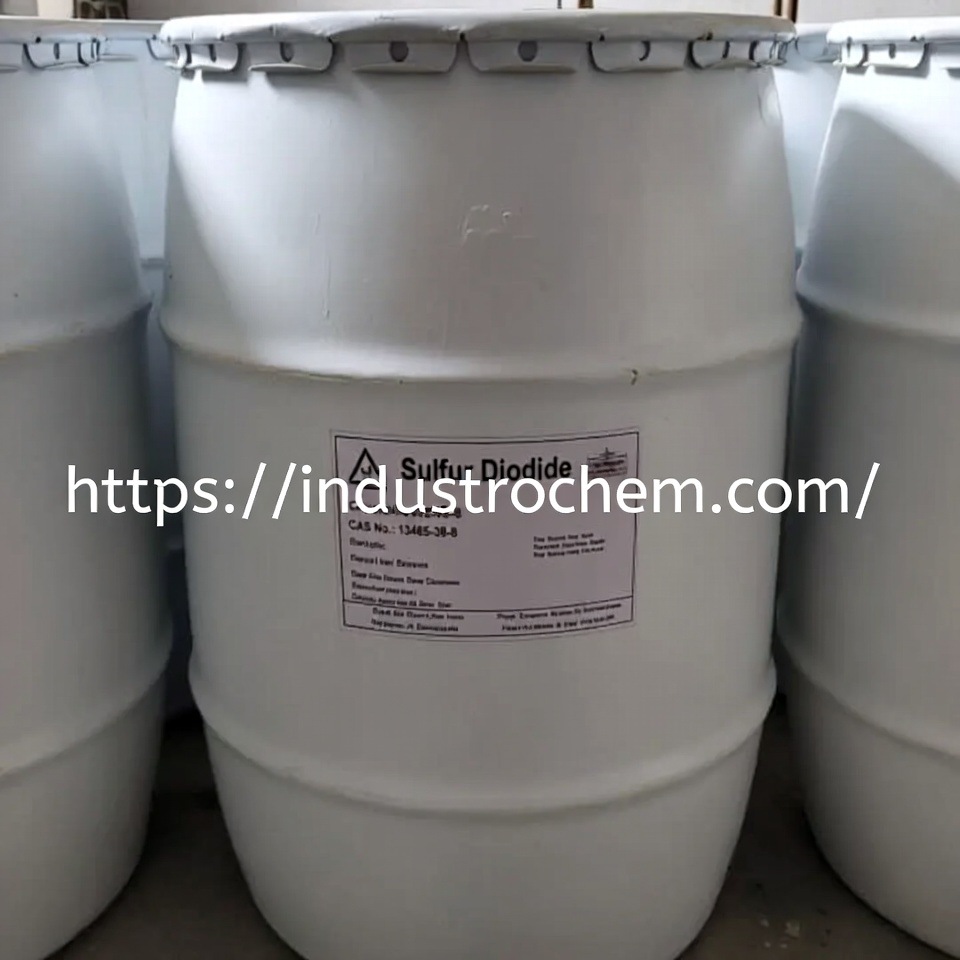
  • Package: 200kg iron drum or 50kg plastic drum packaging
Request a quote
Share:

Product Description

Physicochemical properties

PropertyDescription
Chemical NameSulfur Diiodide (Disulfur Diiodide)
SynonymsSulfur iodide (S₂I₂), Disulfur diiodide, Iodine disulfide
CAS Number13465-38-8
Molecular FormulaI₂S₂
Molecular Weight330.0331 g/mol (or 317.939 g/mol in some sources, likely due to isotopic variation)
AppearanceRed-brown solid
Density3.566 ± 0.06 g/cm³ (Predicted)
Chemical StructureThe compound consists of two sulfur atoms and two iodine atoms, likely arranged in a linear or bent structure with sulfur-sulfur and sulfur-iodine bonds.

Application Areas

Organic synthesis intermediates: Used to construct organic compounds with sulfur-containing iodine structures, such as synthesizing special ligands, catalysts, or functional materials.
Solid state lithium sulfur batteries (SSLSBs): In 2024, research proposed the use of sulfur iodides (such as S ₉) I) By inserting iodine molecules, the conductivity of sulfur can be increased, the interface contact of the battery can be improved, and the cycling stability can be enhanced.
Optoelectronic materials: Compounds containing sulfur iodine may have special optical or electrical properties and are used in sensors or photovoltaic devices.

Storage conditions

Environmental requirements: Store in a cool, dry, well ventilated warehouse, away from sources of fire, heat, and direct sunlight. The recommended temperature for the warehouse should not exceed 30 ℃, and the relative humidity should be controlled below 80%.
Packaging and isolation: Sealed packaging to avoid contact with air and moisture. Store separately from reducing agents, active metal powders, organic metal compounds, etc. to prevent mixed storage from causing reactions

Safety precautions

Health protection: Wear a gas mask, chemical protective gloves, and goggles during operation to avoid inhaling vapors or skin contact.
Leakage and emergency response: In case of leakage, immediately isolate the contaminated area and cover it with inert adsorbent materials (such as sand) to avoid dust. Use dry powder or carbon dioxide fire extinguishers during a fire, and do not use water to extinguish it.
Emergency measures
Skin contact: Rinse with plenty of soapy water and clean water, seek medical attention.
After inhalation, quickly transfer to fresh air. If breathing is difficult, give oxygen and seek medical attention immediately.

FAQ - Technical & Supply Chain

  • Q:

    Do sulfur diiodide and disulfur diiodide refer to the same substance?

    A: Yes. Sulfur diiodide and disulfur diiodide are alternative naming conventions for the same compound and correspond to the same CAS‑registered substance.
  • Q:

    Is sulfur diiodide intended for industrial synthesis rather than laboratory demonstration only?

    A: Sulfur diiodide is typically used as an industrial chemical intermediate in controlled synthesis processes where reactive sulfur–iodine species are required.
Documents

Documents and Product Support

For product review and sourcing evaluation, supporting documents can be coordinated according to the product type, inquiry stage, and order requirements.

  • COA for batch-based quality reference
  • TDS for key physical and chemical information
  • SDS / MSDS for handling, storage, and safety reference
  • Packing information for sample, trial, and bulk orders
  • Technical communication based on application and specification requirements
Quotation

Information to Confirm Before Quotation

Clear sourcing information helps reduce specification mismatch and allows a more accurate quotation before sample or bulk order discussion.

  • Product name and CAS number
  • Application or intended end use
  • Required purity, grade, or specification
  • Sample quantity, trial order, or bulk demand
  • Preferred packing form or net weight
  • Destination country or port
  • Required documents or compliance expectations
Storage & Handling

Packaging, Storage, and Handling Notes

Packaging form, storage conditions, shelf life, and shipment arrangements should be confirmed according to the product characteristics, package size, and destination requirements.

Before order confirmation, buyers are advised to review the corresponding product documents and confirm whether any special storage, labeling, or handling requirements apply.

Supply Support

Sample, Bulk Order and Repeat Supply Support

Support can be arranged for sample discussion, bulk supply planning, packaging confirmation, and routine sourcing communication based on the actual product and order requirements.

For repeat-use formulations or long-term procurement plans, buyers may discuss specification consistency, packaging preferences, delivery expectations, and document coordination in advance.

Contact Form

Use our contact form to send us your questions, suggestions or comments. We will respond as soon as possible.