







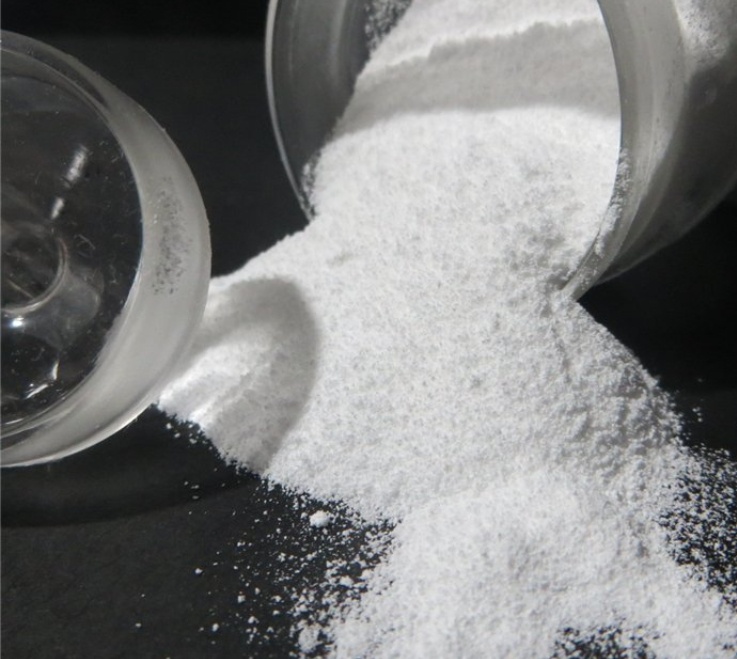
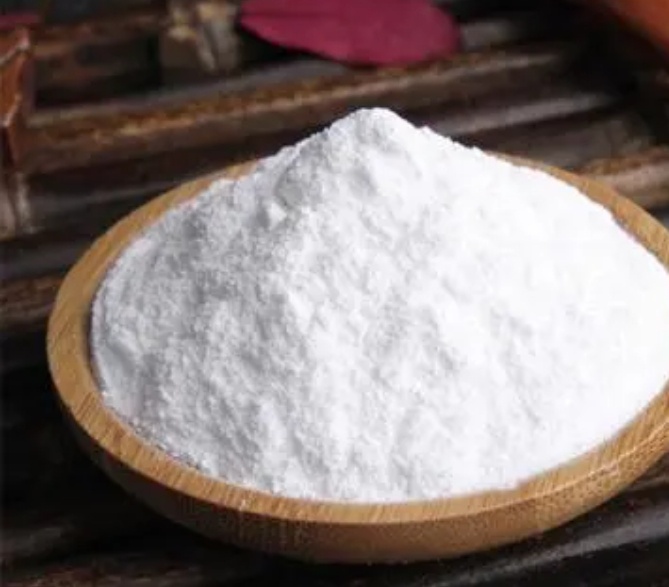
Sodium Carbonate, commonly referred to as Soda Ash (Light & Dense), is an inorganic industrial ingredient widely used in base-forming and alkalinity-control processes. It functions through carbonate ion dissociation, providing pH regulation and flux behavior in high-temperature or aqueous industrial systems. Sodium Carbonate (CAS 497-19-8) is typically applied in glass manufacturing process, where it serves as a key raw component to lower melting temperature and support controlled silicate formation.
For industrial operations, this material is supplied with competitive factory pricing, customized specifications, complete documentation including MSDS, TDS, COA, and support for bulk supply across continuous production environments.
Sodium Carbonate CAS 497-19-8
- CAS: 497-19-8
- Synonyms: Sodium carbonate, Soda ash, Disodium carbonate, Carbonic acid disodium salt
- Einecs: 207-838-8
- Molecular Formula: Na₂CO₃
- Grade: Industrial grade 99.2%
- Package: 200kg iron drum or 50kg plastic drum packaging
Product Description
Physicochemical properties
| Property | Value |
|---|---|
| CAS Number | 497-19-8 |
| Molecular Formula | Na₂CO₃ |
| Molecular Weight | 105.99 g/mol |
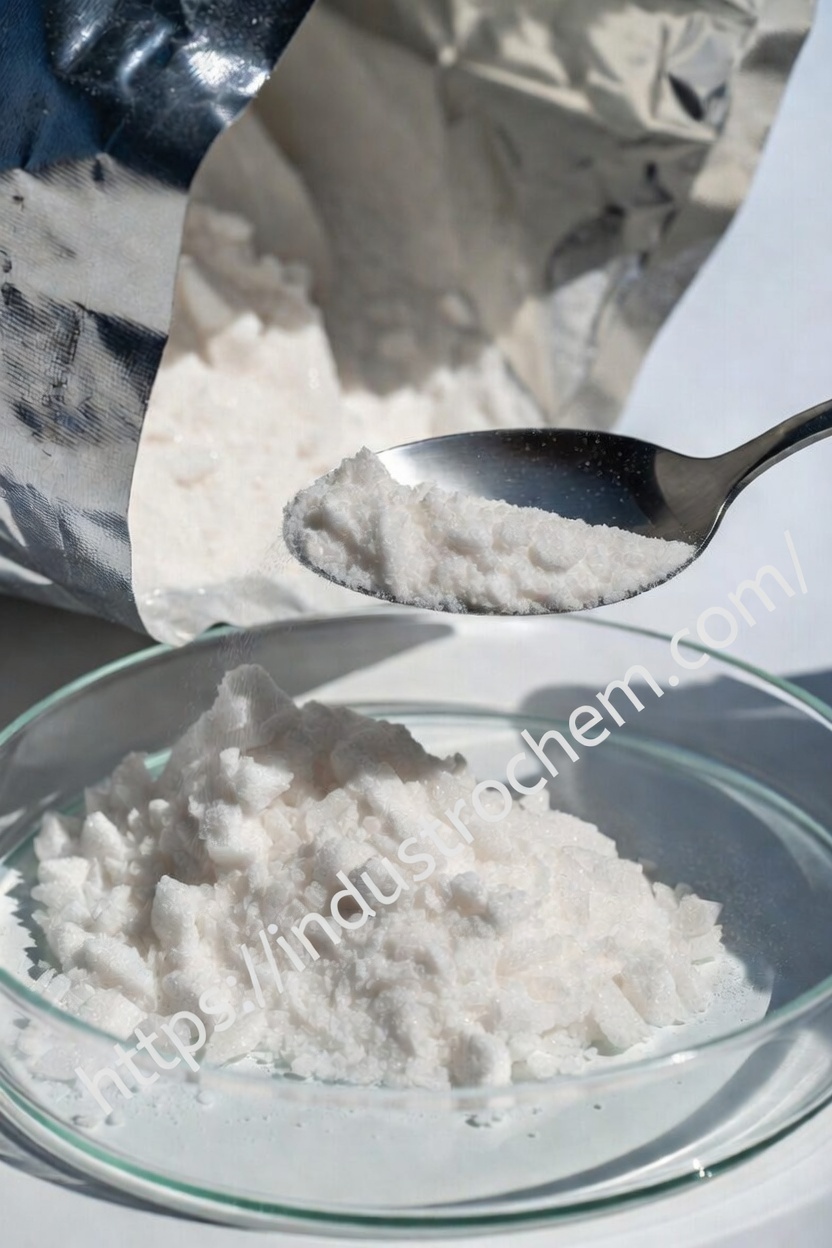
| Appearance | White powder or fine granules (anhydrous pure product) |
| Density | 2.53 g/cm³ |
| Melting Point | 851 °C (lit.) |
| Boiling Point | 1600 °C |
| Refractive Index | 1.535 |
| Solubility | – Soluble in water (22 g/100 mL at 20 °C) – Slightly soluble in anhydrous ethanol – Insoluble in acetone |
| pH | Aqueous solutions are strongly alkaline. For example, the pH of 1%, 5%, and 10% sodium carbonate solutions at 25 °C are 11.37, 11.58, and 11.70, respectively. |
| Stability | – In air, it readily deliquesces and absorbs CO₂ to form sodium bicarbonate. – Decomposes at high temperatures (>400 °C) to produce sodium oxide and carbon dioxide. |
Application Areas
Industrial manufacturing: Used in the glass industry to lower the melting point of silica, improve glass transparency, and produce chemical raw materials such as detergents, silicates, and phosphates
Environmental governance: Neutralizing acidified lakes and soils, restoring ecosystems
Laboratory use: As an acid-base titration reagent, used for analytical chemistry and water treatment softeners
Storage conditions
Environmental requirements: A cool, dry, and well ventilated place to avoid moisture or high temperatures
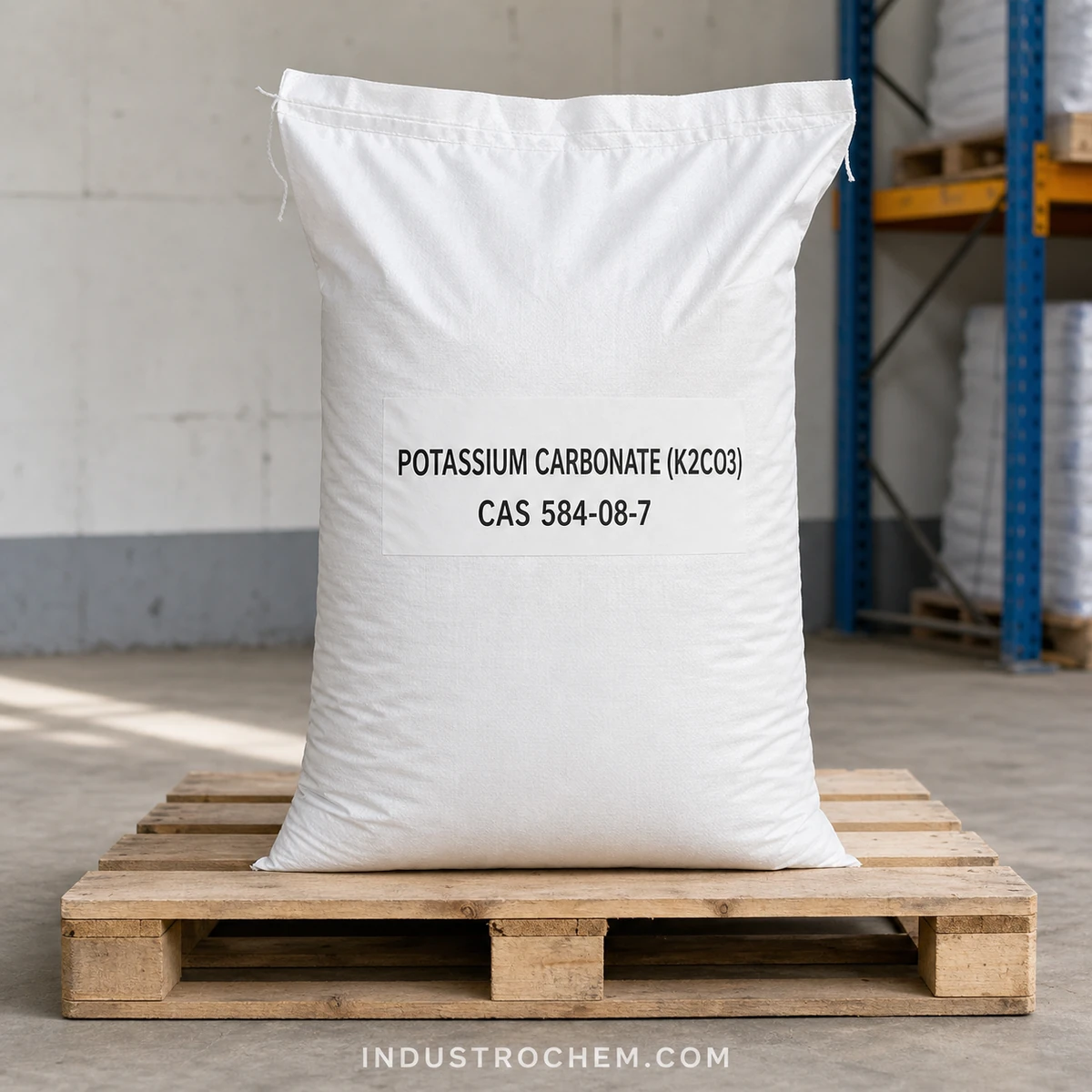
Packaging: Plastic woven bag lined with polyethylene (40kg/bag) or sealed container
Taboo: It is strictly prohibited to store mixed with acids, ammonium salts, and flammable materials
Safety precautions
Operation protection: Avoid inhaling dust, it is recommended to wear dust masks and goggles
Leakage treatment: Absorb with inert materials and dispose of according to environmental regulations to prevent water pollution
Skin contact: Immediately rinse with clean water for at least 15 minutes
FAQ - Technical & Supply Chain
-
Q:
Do Soda Ash Light and Soda Ash Dense correspond to the same CAS number?
A: Yes. Soda Ash Light and Soda Ash Dense represent different physical forms of sodium carbonate but correspond to the same chemical substance and the same CAS number. -
Q:
Is Sodium Carbonate primarily intended for industrial processing rather than laboratory use?
A: Sodium Carbonate is commonly used as an industrial ingredient in large-scale processes such as glass manufacturing, where it functions as part of controlled formulation and production systems.
Documents and Product Support
For product review and sourcing evaluation, supporting documents can be coordinated according to the product type, inquiry stage, and order requirements.
- COA for batch-based quality reference
- TDS for key physical and chemical information
- SDS / MSDS for handling, storage, and safety reference
- Packing information for sample, trial, and bulk orders
- Technical communication based on application and specification requirements
Information to Confirm Before Quotation
Clear sourcing information helps reduce specification mismatch and allows a more accurate quotation before sample or bulk order discussion.
- Product name and CAS number
- Application or intended end use
- Required purity, grade, or specification
- Sample quantity, trial order, or bulk demand
- Preferred packing form or net weight
- Destination country or port
- Required documents or compliance expectations
Packaging, Storage, and Handling Notes
Packaging form, storage conditions, shelf life, and shipment arrangements should be confirmed according to the product characteristics, package size, and destination requirements.
Before order confirmation, buyers are advised to review the corresponding product documents and confirm whether any special storage, labeling, or handling requirements apply.
Sample, Bulk Order and Repeat Supply Support
Support can be arranged for sample discussion, bulk supply planning, packaging confirmation, and routine sourcing communication based on the actual product and order requirements.
For repeat-use formulations or long-term procurement plans, buyers may discuss specification consistency, packaging preferences, delivery expectations, and document coordination in advance.