









Cesium carbonate, registered under CAS 534-17-8, is a highly soluble and reactive inorganic base that serves as a premium reagent within the Fine Chemical sector for advanced pharmaceutical intermediate synthesis and optoelectronic materials manufacturing. This versatile dicesium carbonate functions as a powerful catalyst and base, particularly excelling in organic cross-coupling reactions where traditional alkali metal carbonates underperform due to poor solubility in organic solvents. In the specialized electronics industry, this carbonic acid dicesium salt is utilized as an electron injection material in OLED devices and as a critical precursor for synthesizing other high-purity specialty chemicals. The exceptional performance of caesium carbonate in driving complex ring-closing and amination processes makes it indispensable for precision chemical engineering. We provide this high-value intermediate with competitive factory pricing to sustain scaling manufacturing pipelines, ensuring all batches meet customized specifications for strict moisture control and trace metal limits. Our logistics team handles bulk supply via specialized argon-flushed or vacuum-sealed packaging, providing comprehensive documentation including MSDS, TDS, COA to support your quality assurance auditing and strict process compliance requirements.
Cesium Carbonate CAS 534-17-8
- CAS: 534-17-8
- Synonyms: Dicesium carbonate, Carbonic acid dicesium salt, Caesium carbonate, Cesium(I) carbonate
- Einecs: 208-591-9
- Molecular Formula: Cs2CO3
- Grade: Industrial Grade / Electronic Grade
- Package: 25kg/drum, 5kg/tin, or 1kg/vacuum bottle (Specialized moisture-proof packaging)

Product Description
Technical Data (Physicochemical Properties)
| Property | Detailed Specification / Value |
| Molecular Weight | 325.82 g/mol |
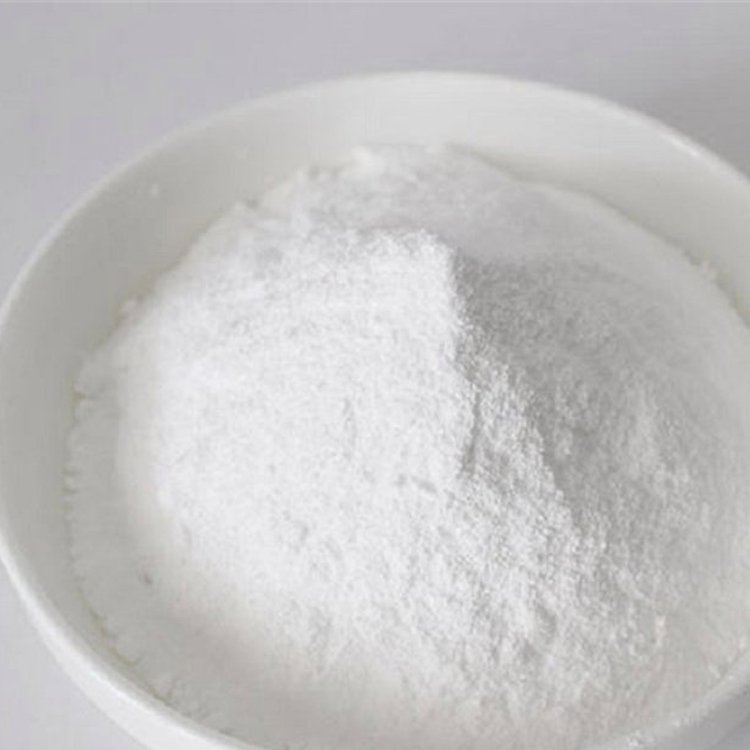
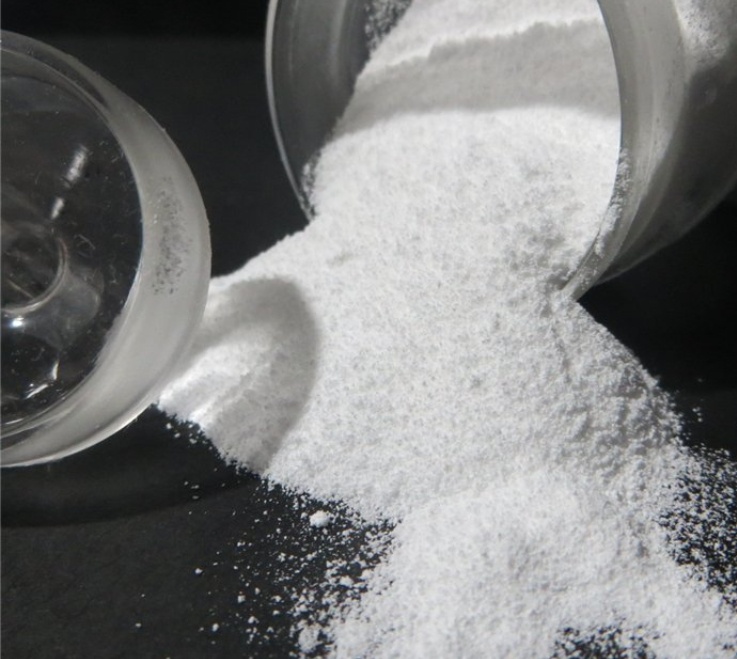
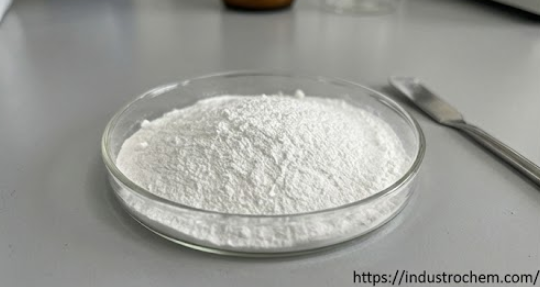
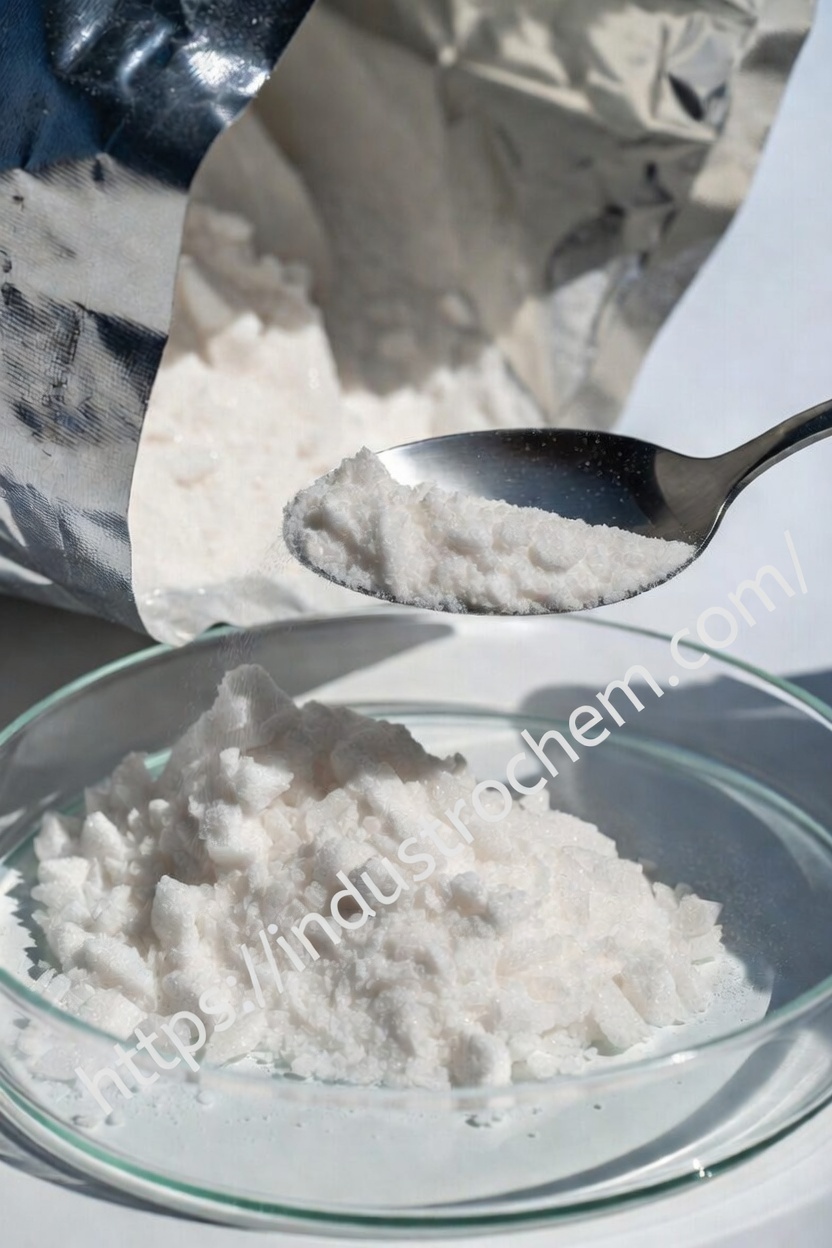
| Physical State | White crystalline powder, highly deliquescent |
| Density | 4.07 g/cm3 |
| Melting Point | 610°C (Decomposes) |
| Solubility (Water) | 261 g/100mL (20°C) |
| Solubility (Organic) | Soluble in Ethanol (11g/L), DMF (119g/L), DMSO (362g/L) |
| Hygroscopicity | Very High (Deliquesces rapidly in air) |
| Refractive Index | 1.626 |
| Basicity (pKb) | Approx. 3.7 |
Applications
- Organic Synthesis Catalysis: Highly effective base for facilitating transition-metal-catalyzed cross-coupling reactions (e.g., Suzuki, Heck, and Sonogashira couplings) in the production of complex pharmaceutical intermediates.
- Optoelectronics (OLEDs): Applied as an electron injection layer material or dopant in organic light-emitting diodes to lower the operational voltage and improve overall device efficiency.
- Energy Technologies: Utilized in the development and modification of perovskite solar cells and advanced fuel cell solid electrolytes.
- Specialty Glass: Serves as a critical additive in the manufacturing of special optical glasses and fiber optics to alter the refractive index and improve transmission stability.
Storage & Safety
- Storage: Cesium carbonate is extremely hygroscopic. It must be stored in a tightly sealed, moisture-free environment. For prolonged storage of opened containers, maintaining an inert atmosphere (nitrogen or argon) is highly recommended to prevent deliquescence and carbonate conversion. Keep away from strong acids and oxidizing agents.
- Handling: Perform material transfer in a dry room or glovebox if ultra-low moisture limits must be maintained for sensitive catalytic applications. Avoid generating dust and prevent prolonged exposure to ambient humidity.
- PPE Recommendations: Operators must wear chemical-safety goggles, nitrile or neoprene gloves, and a NIOSH-approved particulate respirator to avoid respiratory irritation and skin contact during bulk handling.
Quality Assurance
Our production protocol emphasizes rigorous purification techniques to separate cesium from naturally co-occurring rubidium and potassium isotopes, ensuring a baseline purity of 99.9% or higher. Each manufactured lot undergoes strict analytical profiling using Inductively Coupled Plasma Mass Spectrometry (ICP-MS) to precisely quantify trace alkali metal impurities down to parts-per-million levels. Recognizing the chemical’s extreme sensitivity to atmospheric moisture, we implement climate-controlled packaging environments and vacuum-seal technology to guarantee that the material retains its free-flowing morphology and catalytic efficacy from the factory floor to your reactor.
FAQ - Technical & Supply Chain
-
Q:
How is the substance identity and purity of Cesium Carbonate verified for use in sensitive electronic material manufacturing?
A: Verification of CAS 534-17-8 is established through an acid-base titration assay to confirm the primary carbonate content. For electronic-grade applications, we mandate secondary validation via ICP-MS specifically targeting rubidium (Rb), potassium (K), and sodium (Na) levels, as elevated trace alkalis can severely disrupt the electron injection efficiency in OLED architectures. -
Q:
Is this material commonly applied as a general pH buffer in standard aqueous industrial systems?
A: No. Due to its specific reactivity profile and high economic value, this material is typically applied as a specialized base or catalyst in non-aqueous organic synthesis and vacuum-deposited electronic applications. It is not intended for use as a general-purpose neutralizing agent or pH buffer in standard aqueous industrial effluent systems.
Documents and Product Support
For product review and sourcing evaluation, supporting documents can be coordinated according to the product type, inquiry stage, and order requirements.
- COA for batch-based quality reference
- TDS for key physical and chemical information
- SDS / MSDS for handling, storage, and safety reference
- Packing information for sample, trial, and bulk orders
- Technical communication based on application and specification requirements
Information to Confirm Before Quotation
Clear sourcing information helps reduce specification mismatch and allows a more accurate quotation before sample or bulk order discussion.
- Product name and CAS number
- Application or intended end use
- Required purity, grade, or specification
- Sample quantity, trial order, or bulk demand
- Preferred packing form or net weight
- Destination country or port
- Required documents or compliance expectations
Packaging, Storage, and Handling Notes
Packaging form, storage conditions, shelf life, and shipment arrangements should be confirmed according to the product characteristics, package size, and destination requirements.
Before order confirmation, buyers are advised to review the corresponding product documents and confirm whether any special storage, labeling, or handling requirements apply.
Sample, Bulk Order and Repeat Supply Support
Support can be arranged for sample discussion, bulk supply planning, packaging confirmation, and routine sourcing communication based on the actual product and order requirements.
For repeat-use formulations or long-term procurement plans, buyers may discuss specification consistency, packaging preferences, delivery expectations, and document coordination in advance.