










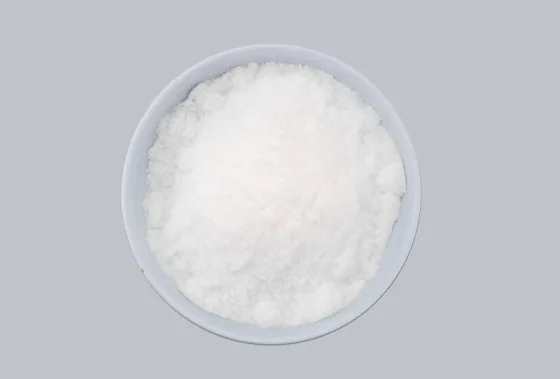
Sodium Acetate Anhydrous (CAS 127-09-3), chemically identified as the sodium salt of acetic acid, is a hygroscopic organic salt functioning as a critical buffering agent and neutralization medium in textile dyeing operations and food preservation. This white crystalline powder, technically referred to as sodium ethanoate, acts to maintain precise pH levels in acid baths, preventing the premature precipitation of aniline dyes, and serves as a flavoring agent (E262) imparting the characteristic "salt and vinegar" taste in snack foods. We provide bulk supply of this high-purity industrial ingredient with competitive factory pricing to ensure process stability for textile mills and food processors. Our production guarantees low heavy metal content and high assay (>99%), making MSDS, TDS, COA available alongside customized specifications to meet technical or food grade requirements.
Sodium Acetate Anhydrous CAS 127-09-3
- CAS: 127-09-3
- Synonyms: Sodium ethanoate, Acetic acid sodium salt, Anhydrous sodium acetate, Natrium aceticum, Sodium acetate powder
- Einecs: 204-823-8
- Molecular Formula: C₂H₃NaO₂
- Grade: Industrial grade ≥99.0%; Food/FCC grade available on request
- Package: 25 kg PP woven bags with PE inner liner; 500–1000 kg jumbo bags or customized packaging
Product Description
Product Overview
Sodium Acetate (CAS 127-09-3) is the anhydrous sodium salt of acetic acid, supplied as a white, free-flowing crystalline powder. It is widely used as a buffering agent, pH regulator and process auxiliary in food, pharmaceutical, textile, leather and chemical industries. Stable quality and good solubility make it suitable for both laboratory and industrial-scale applications.
📧 Email: info@industrochem.com – Please send us your required grade, specification and quantity to receive a fast quotation and COA.
Physicochemical Properties
| Item | Typical value (anhydrous) |
|---|---|
| Chemical name | Sodium acetate, anhydrous |
| CAS No. | 127-09-3 |
| EINECS No. | 204-823-8 |
| Molecular formula | C₂H₃NaO₂ |
| Molecular weight | 82.03 g/mol |
| Appearance | White, free-flowing crystalline powder |
| Assay (as CH₃COONa, on dry basis) | ≥ 99.0% |
| pH (5% aqueous solution, 25 °C) | 8.5 – 9.5 |
| Density (true, 20 °C) | approx. 1.52 – 1.53 g/cm³ |
| Melting point (anhydrous) | approx. 324 °C |
| Boiling behavior | Decomposes on strong heating |
| Solubility in water (20 °C) | Freely soluble (high solubility) |
| Solubility in ethanol | Slightly soluble |
| Hygroscopicity | Slightly hygroscopic; absorbs moisture in air |
| Odor | Nearly odorless; slight acetic odor when heated |
| Stability | Stable under normal conditions; aqueous solution is weakly alkaline |
(Exact limits can be adjusted to match your internal COA/standard.)
Applications
1. Food & Beverage Industry
- Used as a buffering agent and acidity regulator (E262) in sauces, seasonings, bakery and processed foods.
- Helps stabilize pH and improve flavor profile when combined with acetic acid.
2. Pharmaceutical & Biotech
- Component of buffer solutions in biochemical and pharmaceutical formulations.
- Used in DNA/RNA precipitation and purification as sodium acetate buffer in laboratories.
3. Textile & Dyeing
- Applied as a pH regulator and neutralizing agent in textile dyeing and printing processes.
- Helps control dye uptake and improve color fastness while neutralizing residual acids.
4. Leather Tanning & Chemical Processing
- Acts as a buffer and masking agent in chrome tanning baths.
- Used as an intermediate and auxiliary in organic synthesis and various chemical processes.
5. Construction & Concrete Additives
- Can be formulated as part of concrete surface treatments and de-icing additives, helping to reduce water penetration and improve durability.
If you have a special application (e.g. pharmaceutical, high-purity analytical grade or specific impurity limits), please send your detailed requirement to info@industrochem.com so we can match the right grade and specification.
Storage Conditions
- Store in a cool, dry and well-ventilated warehouse.
- Keep bags tightly closed to avoid moisture absorption and caking.
- Avoid direct sunlight and keep away from heat sources.
- Store separately from strong acids and strong oxidizing agents.
- Recommended shelf life: 24 months from production date in unopened original packaging.
Safety Precautions
- Sodium acetate is generally considered of low acute toxicity, but dust may cause slight irritation.
- Avoid inhalation of dust and contact with eyes or prolonged skin contact.
- Wear appropriate PPE during handling: dust mask or respirator, safety glasses and gloves.
- In case of contact with eyes, rinse immediately with plenty of water and seek medical advice if irritation persists.
- Avoid eating, drinking or smoking while handling the product; wash hands thoroughly after use.
- For detailed hazard information, please refer to the product Safety Data Sheet (SDS).
📧 Email: info@industrochem.com – Contact us for COA, SDS and tailored specifications for your application.
FAQ - Technical & Supply Chain
-
Q:
Why is the anhydrous form (CAS 127-09-3) often preferred over the trihydrate form in industrial chemical synthesis?
A: The anhydrous variant offers a significantly higher concentration of active acetate ions per unit of weight and does not introduce water into the reaction matrix, which is crucial for moisture-sensitive organic reactions where the presence of water molecules from the trihydrate crystal lattice could interfere with the yield or catalyze unwanted side reactions. -
Q:
In textile processing, what specific role does this salt play during the neutralization of waste sulfuric acid streams?
A: Sodium Acetate acts as a mild conjugate base that neutralizes strong mineral acids like sulfuric acid more gently than caustic soda, effectively buffering the wastewater to a safe pH range without causing rapid temperature spikes or excessive alkalinity that could damage downstream biological treatment systems.
Documents and Product Support
For product review and sourcing evaluation, supporting documents can be coordinated according to the product type, inquiry stage, and order requirements.
- COA for batch-based quality reference
- TDS for key physical and chemical information
- SDS / MSDS for handling, storage, and safety reference
- Packing information for sample, trial, and bulk orders
- Technical communication based on application and specification requirements
Information to Confirm Before Quotation
Clear sourcing information helps reduce specification mismatch and allows a more accurate quotation before sample or bulk order discussion.
- Product name and CAS number
- Application or intended end use
- Required purity, grade, or specification
- Sample quantity, trial order, or bulk demand
- Preferred packing form or net weight
- Destination country or port
- Required documents or compliance expectations
Packaging, Storage, and Handling Notes
Packaging form, storage conditions, shelf life, and shipment arrangements should be confirmed according to the product characteristics, package size, and destination requirements.
Before order confirmation, buyers are advised to review the corresponding product documents and confirm whether any special storage, labeling, or handling requirements apply.
Sample, Bulk Order and Repeat Supply Support
Support can be arranged for sample discussion, bulk supply planning, packaging confirmation, and routine sourcing communication based on the actual product and order requirements.
For repeat-use formulations or long-term procurement plans, buyers may discuss specification consistency, packaging preferences, delivery expectations, and document coordination in advance.


