• Ammonium Acetate CAS 631-61-8
  • Ammonium Acetate CAS 631-61-8

Ammonium Acetate CAS 631-61-8

Ammonium Acetate is an inorganic ammonium salt supplied as a chemical raw material, also known as ethanoic acid ammonium salt, ammonium ethanoate, or acetic acid ammonium salt in technical documentation. Identified by CAS 631‑61‑8, it is formed from ammonia and acetic acid and exhibits buffering behavior due to the equilibrium between its conjugate acid–base components. It is typically applied as a buffer salt in industrial and analytical chemical systems where controlled pH conditions and ionic strength are required. From a supply perspective, the material is provided with competitive factory pricing, customized specifications, and complete documentation including MSDS, TDS, COA, suitable for regulated bulk supply for industrial use.

  • CAS: 631-61-8
  • Synonyms: Ammonium acetate, Ammonium ethanoate, Acetic acid ammonium salt, Ethanoic acid ammonium salt
  • Einecs: 211-162-9
  • Molecular Formula: CH3COONH4
  • Grade: Industrial grade 99%
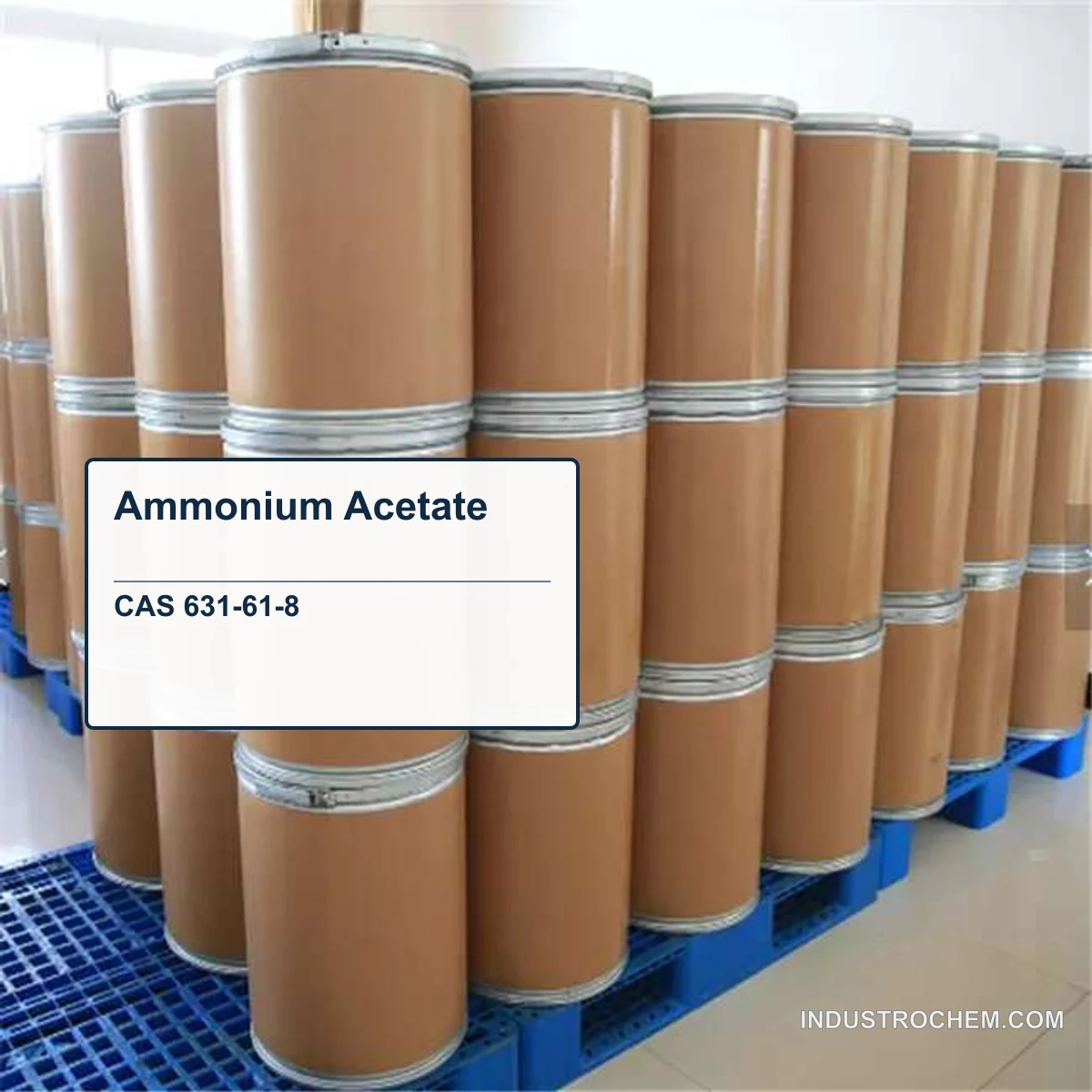
  • Package: 200kg iron drum or 50kg plastic drum packaging
Request a quote
Share:

Product Description

Physicochemical Properties

ParameterSpecification (ACS/Ind)Test Method
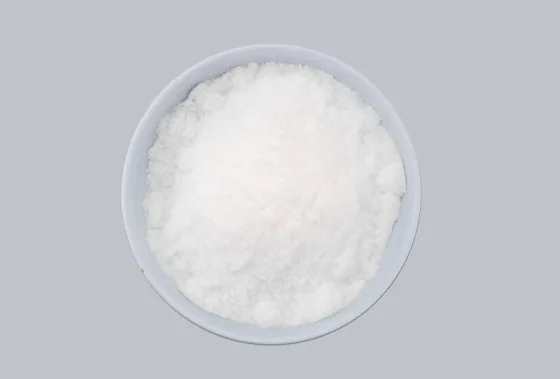
AppearanceWhite crystalline powderVisual Inspection
Assay≥ 98.0%Titration
pH (5% solution)6.5 – 7.5pH Meter
Insoluble Matter≤ 0.005%Gravimetric
Residue on Ignition≤ 0.01%Gravimetric
Chloride (Cl)≤ 5 ppmIon Chromatography
Sulfate (SO₄)≤ 10 ppmTurbidimetry
Heavy Metals (as Pb)≤ 5 ppmColorimetric
Iron (Fe)≤ 5 ppmICP-MS

Applications

Pharmaceutical & Biotechnology

  • Buffer Solutions: Used extensively to maintain pH stability in protein purification and drug formulation.
  • Antibiotic Production: Acts as a nutrient and pH regulator in the fermentation process of Penicillin and other antibiotics.

Textile & Dyeing

  • Dyeing Auxiliary: Functions as a leveling agent for acid dyes on wool and silk, ensuring uniform color distribution.

Industrial Applications

  • De-icing Agent: A biodegradable alternative to calcium chloride and magnesium chloride. It is non-corrosive to metal and concrete, making it ideal for airport runways.
  • Analytical Chemistry: Used in the preparation of buffer solutions for HPLC and mass spectrometry.

Food Industry

  • Acidity Regulator: Used as a food additive (E264) to control acidity levels in processed foods.

Quality Assurance (QA/QC)

Our manufacturing process is strictly controlled to manage the hygroscopic nature of the product.

  • Moisture Control: Production and packaging are conducted in humidity-controlled environments to prevent caking and deliquescence.
  • Purity Verification: Every batch is tested via Titration and IC (Ion Chromatography) to ensure assay levels >98% and strict limits on anionic impurities.
  • Compliance: Our facilities are ISO 9001:2015 certified, ensuring full traceability and consistency.

Storage & Safety

Storage Guidelines

  • Hygroscopic: The product is highly deliquescent (absorbs moisture from air). Keep containers tightly closed at all times.
  • Environment: Store in a cool, dry place. Avoid storage near strong oxidizers or acids.
  • Shelf Life: 12 months in original unopened packaging.

Safety & PPE Recommendations

  • Handling: Avoid dust formation. Inhalation of dust may cause respiratory irritation.
  • PPE: Wear dust-proof masks (N95), chemical-resistant gloves, and safety goggles.
  • First Aid: If on skin, wash with soap and water. If inhaled, move to fresh air.
  • Spill Cleanup: Sweep up carefully to avoid raising dust. Flush the area with water.

FAQ - Technical & Supply Chain

  • Q:

    Does ammonium acetate differ from other ammonium salts such as ammonium chloride?

    A: Yes. Different ammonium salts vary in their counter‑ions, which affects buffering behavior, solubility, and application scope.
  • Q:

    What is the primary technical advantage of using Ammonium Acetate in HPLC and mass spectrometry (MS) workflows?

    A: Ammonium Acetate is the industry-standard choice for volatile buffering. Unlike phosphate or sulfate buffers, it does not precipitate or clog the ion source in electrospray ionization (ESI) interfaces. In preparative chromatography, its volatility allows it to be completely removed from the final product during the lyophilization (freeze-drying) process, ensuring the isolation of pure compounds without salt contamination.
  • Q:

    How does the hygroscopic nature of Ammonium Acetate impact its bulk storage and handling?

    A: Ammonium Acetate is highly hygroscopic and will rapidly absorb moisture from the atmosphere, eventually deliquescing into a liquid solution if exposed. Industrial handling protocols strictly require the use of tightly sealed, moisture-proof containers (often with desiccant packs). Maintaining a dry environment is critical to preserve its free-flowing crystalline form and prevent hydrolysis-induced pH shifts in stored inventory.
Documents

Documents and Product Support

For product review and sourcing evaluation, supporting documents can be coordinated according to the product type, inquiry stage, and order requirements.

  • COA for batch-based quality reference
  • TDS for key physical and chemical information
  • SDS / MSDS for handling, storage, and safety reference
  • Packing information for sample, trial, and bulk orders
  • Technical communication based on application and specification requirements
Quotation

Information to Confirm Before Quotation

Clear sourcing information helps reduce specification mismatch and allows a more accurate quotation before sample or bulk order discussion.

  • Product name and CAS number
  • Application or intended end use
  • Required purity, grade, or specification
  • Sample quantity, trial order, or bulk demand
  • Preferred packing form or net weight
  • Destination country or port
  • Required documents or compliance expectations
Storage & Handling

Packaging, Storage, and Handling Notes

Packaging form, storage conditions, shelf life, and shipment arrangements should be confirmed according to the product characteristics, package size, and destination requirements.

Before order confirmation, buyers are advised to review the corresponding product documents and confirm whether any special storage, labeling, or handling requirements apply.

Supply Support

Sample, Bulk Order and Repeat Supply Support

Support can be arranged for sample discussion, bulk supply planning, packaging confirmation, and routine sourcing communication based on the actual product and order requirements.

For repeat-use formulations or long-term procurement plans, buyers may discuss specification consistency, packaging preferences, delivery expectations, and document coordination in advance.

Contact Form

Use our contact form to send us your questions, suggestions or comments. We will respond as soon as possible.