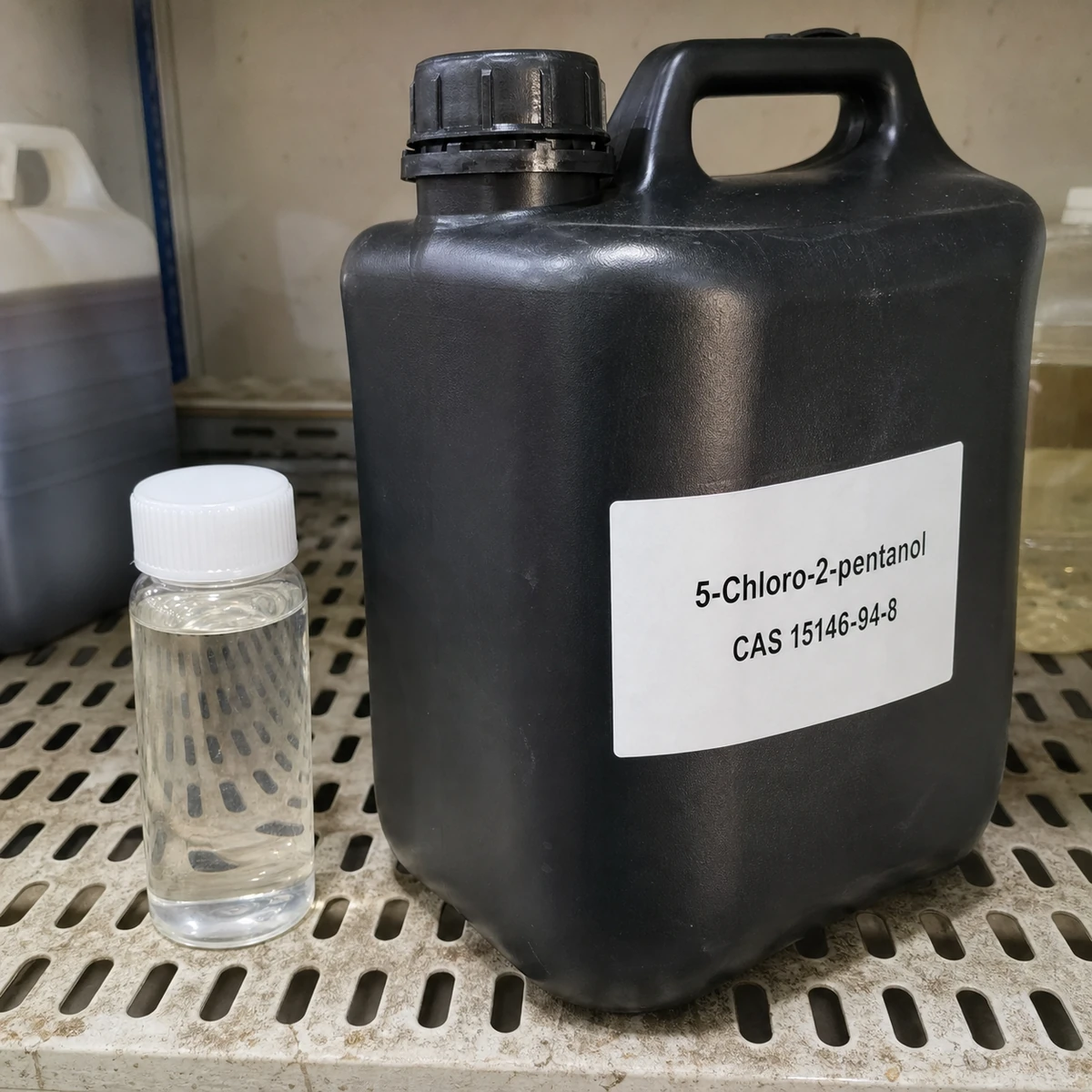
6-Chloro-1-hexanol, CAS 2009-83-8, is also known as 6-chlorohexan-1-ol or hexamethylene chlorohydrin. It is a terminal chloroalcohol intermediate used for controlled organic transformations. Confirm the positional-isomer identity, assay, related-isomer and impurity limits, packaging and intended synthesis before requesting specifications and quotation.
6-Chloro-1-hexanol CAS 2009-83-8
- CAS: 2009-83-8
- Synonyms: 6-Chloro-1-hexanol; 6-Chlorohexan-1-ol; 1-Chloro-6-hydroxyhexane; Hexamethylene chlorohydrin
- Einecs: 217-925-2
- Molecular Formula: C₆H₁₃ClO
- Grade: Confirm the current product specification for the offered material.
- Package: Confirm packaging suitable for the offered material and destination requirements.
Product Description
Identity and specification review
| Field | Current page status | Buyer check |
|---|---|---|
| Product identity | 6-Chloro-1-hexanol CAS 2009-83-8 | Match identity to current product documentation. |
| CAS number | 2009-83-8 | Use the CAS number to avoid a name-only match. |
| Molecular formula | C₆H₁₃ClO | Confirm the current specification for the proposed product. |
| Chemical class | An omega-chloro alcohol | Confirm suitability for the intended process. |
| Product form | Not specified on this page. | Confirm the actual offered form and test method. |
| Assay and grade | Not specified on this page. | State the required assay and impurity criteria. |
| Impurity criteria | Not specified on this page. | State limits relevant to the intended use. |
Technical context
Chemical identity
- 6-Chloro-1-hexanol is also named 6-chlorohexan-1-ol. CAS 2009-83-8 distinguishes this positional isomer from other chlorohexanol isomers.
- It is an omega-chloro alcohol; confirm the exact identity before evaluating a synthesis route.
Process evaluation
- 6-Chloro-1-hexanol may be evaluated as an organic synthesis intermediate; route compatibility must be assessed for the intended transformation.
Application boundary
- This page does not establish pharmaceutical, agrochemical, coating, or polymer application for the offered material.
- Confirm compatibility with the intended process before use.
Specification and documentation
This page does not confirm a supplier specification, package, certificate, or document availability.
- Request a current product specification that matches the intended use.
- Confirm whether any requested document is available for the offered material.
- Confirm packaging after the product form and destination requirements are known.
Storage and safety
Handling and storage
- This page is not a storage or handling instruction.
- Review the current SDS for the exact material proposed before handling, storage, or transport decisions.
- The receiving site should set controls for its own process and local requirements.
Safety review
- Confirm hazard classification and transport classification from current product documentation.
- Determine PPE and emergency measures from the current SDS and site assessment.
- Confirm compatibility with the intended process before use.
- Do not treat general reference information as a shipped-lot specification.
FAQ - Technical & Supply Chain
-
Q:
Are 6-Chloro-1-hexanol, 6-Chlorohexan-1-ol and Hexamethylene Chlorohydrin the same intermediate?
A: Yes. These names identify the terminal chloroalcohol CAS 2009-83-8, with the hydroxyl and chlorine at opposite ends of a six-carbon chain. It is not a positional chlorohexanol isomer or a dichlorohexane. Use the CAS number and the 6-chloro-1-hexanol identity in the specification. -
Q:
What is 6-Chloro-1-hexanol used for?
A: It may be evaluated as an organic synthesis intermediate for controlled transformations. Route compatibility must be assessed for the intended reaction, including the effect of the terminal alcohol and chlorine positions on selectivity and downstream purification. -
Q:
What should be specified when requesting 6-Chloro-1-hexanol?
A: State required GC assay, colour, water, acidity and limits for related chlorohexanol isomers, unreacted dihalide and carbonyl impurities, together with quantity and campaign timing. Public commercial grades can vary, so the actual lot specification should be confirmed. -
Q:
What physical form and packaging should be confirmed?
A: Confirm the actual offered liquid form, colour and test method, and select packaging suitable for the offered material and destination requirements. State the required assay, water and related-isomer limits before campaign use. -
Q:
What application boundaries apply to 6-Chloro-1-hexanol?
A: The page does not establish pharmaceutical, agrochemical, coating or other finished-use suitability. Confirm the exact identity, impurity limits and local regulatory requirements, and review handling, storage and disposal suitability before selecting the material.
Ordering & Documentation
Key information for document requests, quotations, and supply planning.
Documents
Tell us which documents your procurement team needs. Before an order, we will check whether the quoted source can provide them for the offered lot.
Quotation
Send the CAS number, grade, quantity, packing preference and destination.
Sample & Supply
Ask whether samples, trial quantities or repeat orders are possible. We will check each request against the sourced product and current offer.
Storage & Shipping
Product-specific conditions are confirmed before order.