Acetylacetone CAS 123-54-6 is a bifunctional organic compound belonging to the beta-diketone class, widely utilized as a chemical building block in the production of heterocyclic compounds and metal acetylacetonate catalysts. Chemically identified as 2,4-Pentanedione, this liquid exhibits keto-enol tautomerism, a property that makes it a highly effective ligand for coordinating with transition metals in industrial catalysis and extraction processes. The solvent, also known as diacetylmethane, is essential in the synthesis of sulfonamides, pesticides, and corrosion inhibitors for lubrication systems. We provide competitive factory pricing and flexible options for customized specifications to meet various purity grades. Our bulk supply is supported by comprehensive regulatory documents, including MSDS, TDS, COA, to ensure safe and compliant industrial usage.
Acetylacetone CAS 123-54-6
- CAS: 123-54-6
- Synonyms: Acetylacetone, 2,4-Pentanedione, Pentane-2,4-dione, Acac
- Einecs: 204-634-0
- Molecular Formula: C5H8O2
- Grade: Industrial grade 99%
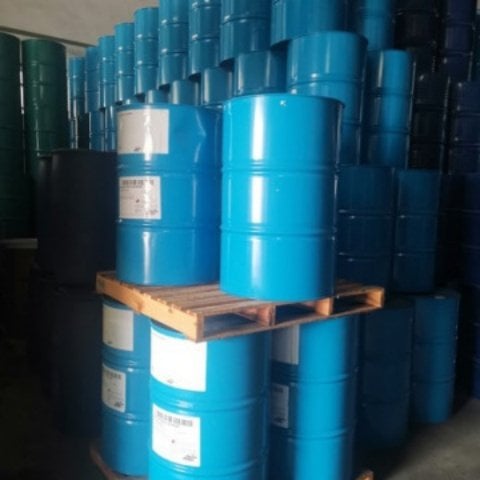
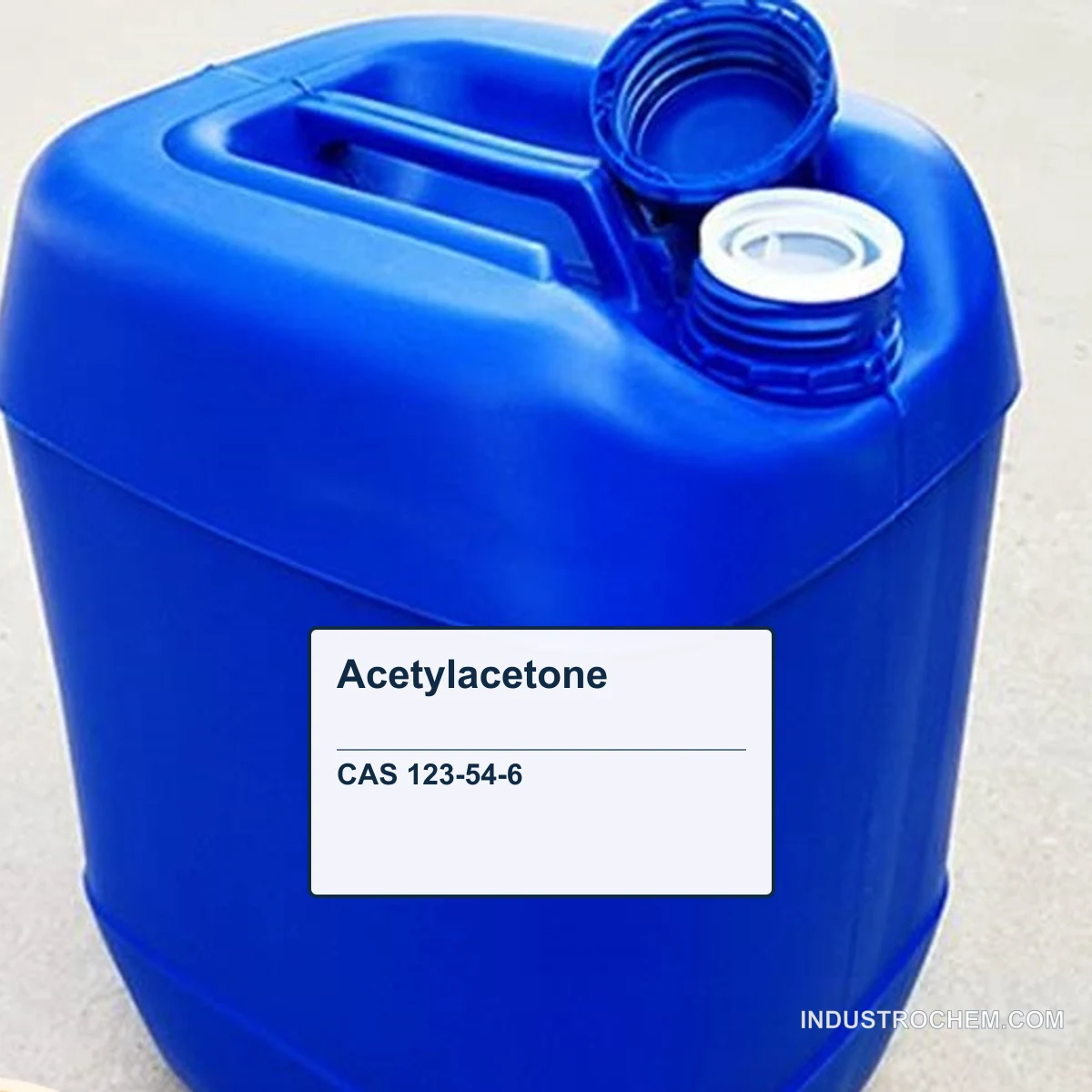
- Package: 200kg iron drum or 50kg plastic drum packaging
Product Description
acetylacetone
alias: penterdione; diacetylmethane; 2,4-pentanedione; 2,4-pentanedione
CAS Number: 123-54-6
Molecular formula: C5H8O2
Molecular Weight: 100.1158
Shape: colorless or slightly yellowish transparent liquid with ester odor.
Boiling point (ºC, 101.3kPa): 140.4
Melting point (ºC): -23.5
Relative density (g/mL, 25/4ºC): 0.9721
Relative density (g/mL, 20/20ºC): 0.9753
Refractive index (17ºC): 1.4541
Refractive index (n20ºC): 1.4494
Flash point (ºC): 40.56
Solubility: Slightly soluble in water, miscible with organic solvents such as ethanol, ether, chloroform, acetone, glacial acetic acid, etc.
Relative density (25°C, 4°C): 0.934464
Relative density (20°C, 4°C): 0.9702125
FAQ - Technical & Supply Chain
-
Q:
Does this product correspond to the standard beta-diketone used for metal chelation?
A: Yes, Acetylacetone (CAS 123-54-6) is the specific 2,4-Pentanedione isomer used extensively to form stable metal acetylacetonate complexes in catalyst manufacturing and metal extraction. -
Q:
Is acetylacetone intended for industrial formulations rather than laboratory-only use?
A: Acetylacetone is commonly used as an industrial chemical intermediate and chelating agent in process‑level applications, including catalyst and coordination compound preparation, beyond laboratory research contexts.
Documents and Product Support
For product review and sourcing evaluation, supporting documents can be coordinated according to the product type, inquiry stage, and order requirements.
- COA for batch-based quality reference
- TDS for key physical and chemical information
- SDS / MSDS for handling, storage, and safety reference
- Packing information for sample, trial, and bulk orders
- Technical communication based on application and specification requirements
Information to Confirm Before Quotation
Clear sourcing information helps reduce specification mismatch and allows a more accurate quotation before sample or bulk order discussion.
- Product name and CAS number
- Application or intended end use
- Required purity, grade, or specification
- Sample quantity, trial order, or bulk demand
- Preferred packing form or net weight
- Destination country or port
- Required documents or compliance expectations
Packaging, Storage, and Handling Notes
Packaging form, storage conditions, shelf life, and shipment arrangements should be confirmed according to the product characteristics, package size, and destination requirements.
Before order confirmation, buyers are advised to review the corresponding product documents and confirm whether any special storage, labeling, or handling requirements apply.
Sample, Bulk Order and Repeat Supply Support
Support can be arranged for sample discussion, bulk supply planning, packaging confirmation, and routine sourcing communication based on the actual product and order requirements.
For repeat-use formulations or long-term procurement plans, buyers may discuss specification consistency, packaging preferences, delivery expectations, and document coordination in advance.