










• Ethylenediamine (CAS 107-15-3)
  • Ethylenediamine (CAS 107-15-3)
  • Ethylenediamine (CAS 107-15-3)

Ethylenediamine (CAS 107-15-3)

EDA, also known as ethane-1,2-diamine, 1,2-diaminoethane, or ethanediamine, is a low-molecular-weight aliphatic diamine corresponding to CAS 107-15-3 and widely used as a core intermediate in chelating agent synthesis. Its functionality is based on two primary amine groups capable of coordinating metal ions and participating in stepwise condensation reactions, making it suitable for downstream processing in agrochemical and specialty chemical manufacturing. The material is supplied with competitive factory pricing, customized specifications, complete documentation including MSDS, TDS, COA, and stable bulk supply.

  • CAS: 107-15-3
  • Synonyms: EDA, Ethane-1,2-diamine, 1,2-Diaminoethane, Ethanediamine
  • Einecs: 203-468-6
  • Molecular Formula: C₂H₈N₂
  • Grade: 99.5%
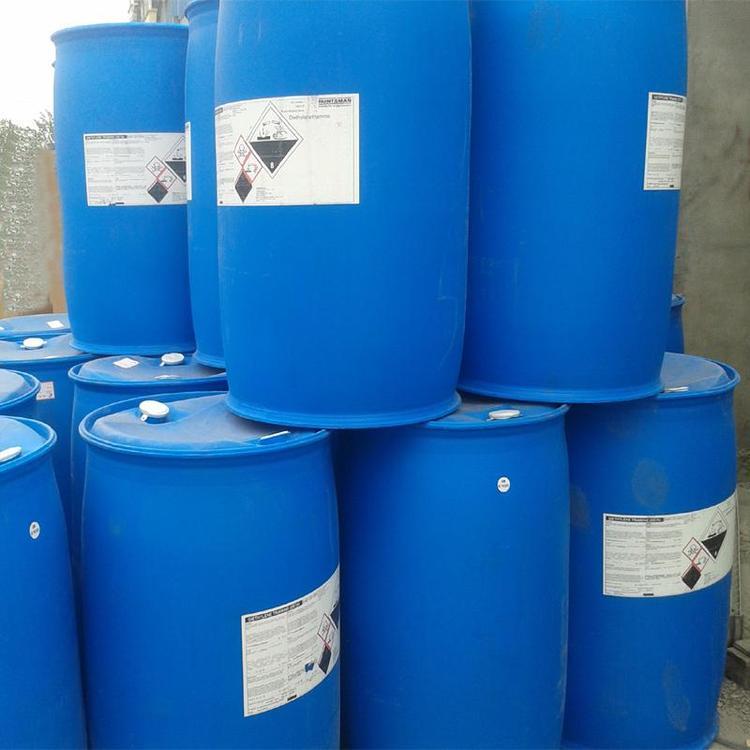
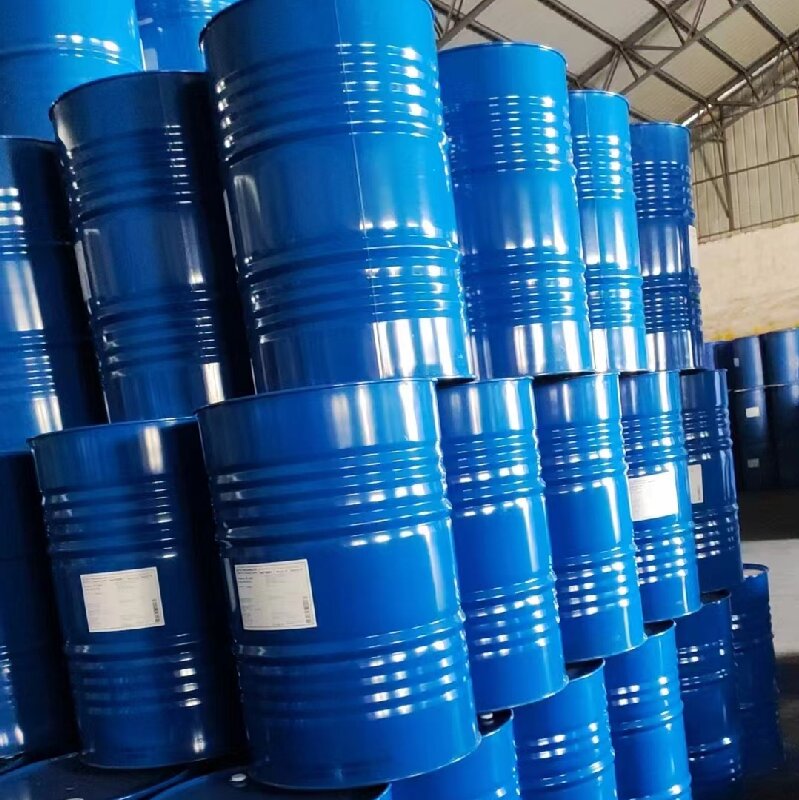
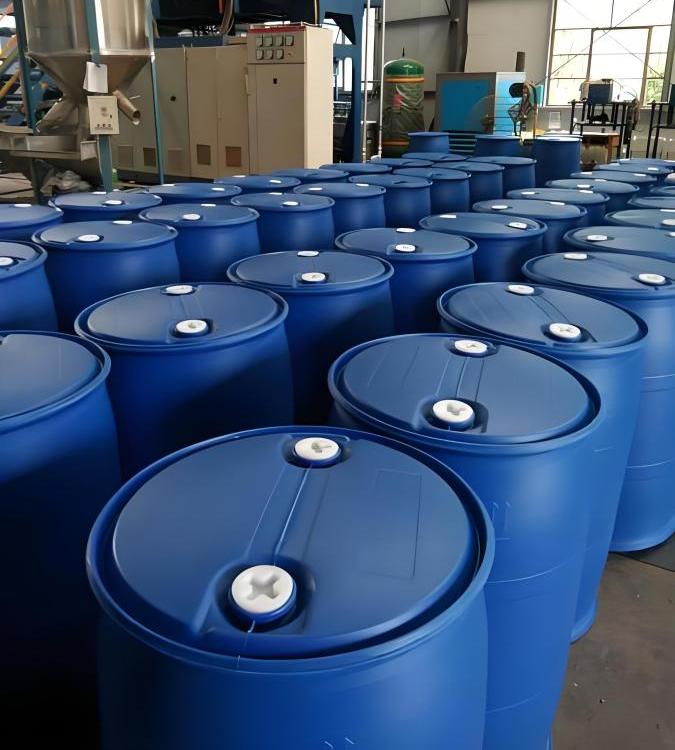
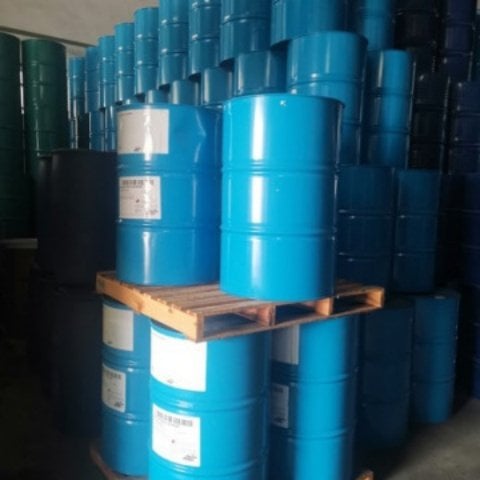
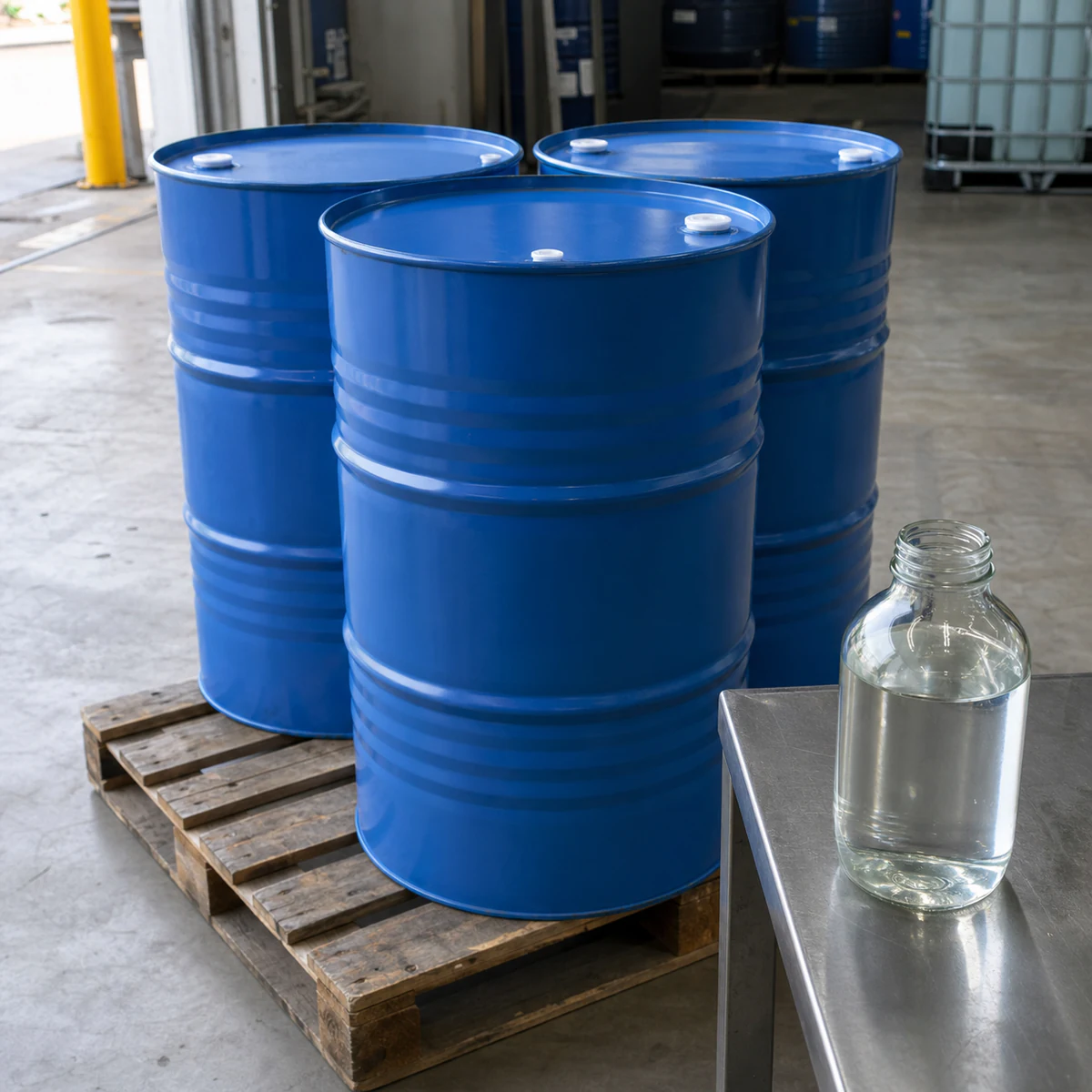
  • Package: 200kg/drum or as required
Request a quote
Share:

Product Description

Product Overview

Ethylenediamine is provided as a basic diamine intermediate for industrial manufacturing routes that require strong amine reactivity and coordination capability. It is commonly selected for chelating agent synthesis and for process systems involving stepwise condensation or amine-based downstream transformation.

This product is more appropriately positioned as an industrial chemical intermediate rather than a finished end-use formulation ingredient. It is commonly applied in specialty chemical production, agrochemical processing, resin-related systems, and selected surfactant or auxiliary chemical manufacturing routes.

Product Information / Specifications

Product Name Ethylenediamine
Common Name EDA
Synonyms Ethane-1,2-diamine; 1,2-Diaminoethane; Ethanediamine
CAS Number 107-15-3
EINECS Number 203-468-6
Molecular Formula C₂H₈N₂
Molecular Weight 60.10 g/mol
Typical Grade 99.5%
Product Identity Industrial chemical / diamine intermediate

Physical & Chemical Properties

Appearance Colorless or slightly yellowish oily or aqueous transparent liquid, producing smoke in air
Odor Ammonia-like odor
Density 0.898–0.90 g/cm³
Melting Point 8.5°C
Boiling Point 116–117.2°C
Flash Point 33.9°C (closed cup)
Solubility Miscible with water and ethanol; slightly soluble in ether
pH 12.2 (100 g/L, H₂O, 20°C)
Refractive Index 1.4565–1.4575
Viscosity 1.54 mPa·s (25°C)
Vapor Pressure 10 mm Hg (20°C)
Explosive Limits 2–17% (V) in air

Applications

  • Chelating agent synthesis and related intermediate manufacturing
  • Agrochemical intermediate processing
  • Specialty chemical synthesis requiring reactive diamine functionality
  • Resin, coating, and auxiliary chemical manufacturing routes
  • Selected surfactant and process chemical applications where amine reactivity is required

Packaging

Standard packaging is commonly supplied in 200 kg drums or according to shipment requirement.

Packaging information may vary by grade, destination, and transport arrangement.

Storage Conditions

  • Store in a cool, dark, and sealed place.
  • Keep away from fire, heat sources, oxidants, and acids.
  • Avoid direct contact with air and moisture during storage.
  • Use appropriate containers and handling systems for flammable and corrosive alkaline liquids.

Safety Precautions

  • Handle with chemical protective gloves, goggles, and suitable respiratory protection where required.
  • Wear anti-static work clothing during transfer and processing.
  • Avoid contact with skin, eyes, acids, oxidizing agents, and ignition sources.
  • Use good ventilation and sealed handling where possible.
  • Refer to the latest SDS before storage, transport, and industrial use.

FAQ

1. What is ethylenediamine mainly used for?
Ethylenediamine is mainly used as an industrial intermediate in chelating agent synthesis, agrochemical processing, specialty chemical manufacturing, and related amine-based production routes.
2. Are EDA and 1,2-diaminoethane the same substance?
Yes. EDA, ethane-1,2-diamine, 1,2-diaminoethane, and ethanediamine refer to the same chemical identified by CAS 107-15-3.
3. Is this product better classified as an industrial intermediate rather than a finished end-use product?
Yes. Ethylenediamine is more appropriately positioned as a reactive chemical intermediate used in downstream manufacturing.
4. What packaging is commonly used for EDA?
EDA is commonly supplied in 200 kg drums, with packaging adjusted according to shipment and handling requirements.
5. What storage conditions are recommended for ethylenediamine?
It should be stored sealed in a cool, dark place away from fire, acids, oxidants, air exposure, and moisture.
6. Is ethylenediamine flammable?
Yes. The product is identified as a flammable liquid and should be handled with suitable ignition control and anti-static precautions.
7. Which technical documents may be provided with this product?
Technical documents such as COA, TDS, and SDS may be provided according to the supplied grade and shipment arrangement.
8. What handling points are important for EDA?
Important handling points include protection against skin and eye contact, ventilation control, sealed storage, and separation from acids, oxidizers, and ignition sources.

FAQ - Technical & Supply Chain

Documents

Documents and Product Support

For product review and sourcing evaluation, supporting documents can be coordinated according to the product type, inquiry stage, and order requirements.

  • COA for batch-based quality reference
  • TDS for key physical and chemical information
  • SDS / MSDS for handling, storage, and safety reference
  • Packing information for sample, trial, and bulk orders
  • Technical communication based on application and specification requirements
Quotation

Information to Confirm Before Quotation

Clear sourcing information helps reduce specification mismatch and allows a more accurate quotation before sample or bulk order discussion.

  • Product name and CAS number
  • Application or intended end use
  • Required purity, grade, or specification
  • Sample quantity, trial order, or bulk demand
  • Preferred packing form or net weight
  • Destination country or port
  • Required documents or compliance expectations
Storage & Handling

Packaging, Storage, and Handling Notes

Packaging form, storage conditions, shelf life, and shipment arrangements should be confirmed according to the product characteristics, package size, and destination requirements.

Before order confirmation, buyers are advised to review the corresponding product documents and confirm whether any special storage, labeling, or handling requirements apply.

Supply Support

Sample, Bulk Order and Repeat Supply Support

Support can be arranged for sample discussion, bulk supply planning, packaging confirmation, and routine sourcing communication based on the actual product and order requirements.

For repeat-use formulations or long-term procurement plans, buyers may discuss specification consistency, packaging preferences, delivery expectations, and document coordination in advance.

Contact Form

Use our contact form to send us your questions, suggestions or comments. We will respond as soon as possible.