Chemical products

Tetraethylene Pentamine CAS 112-57-2

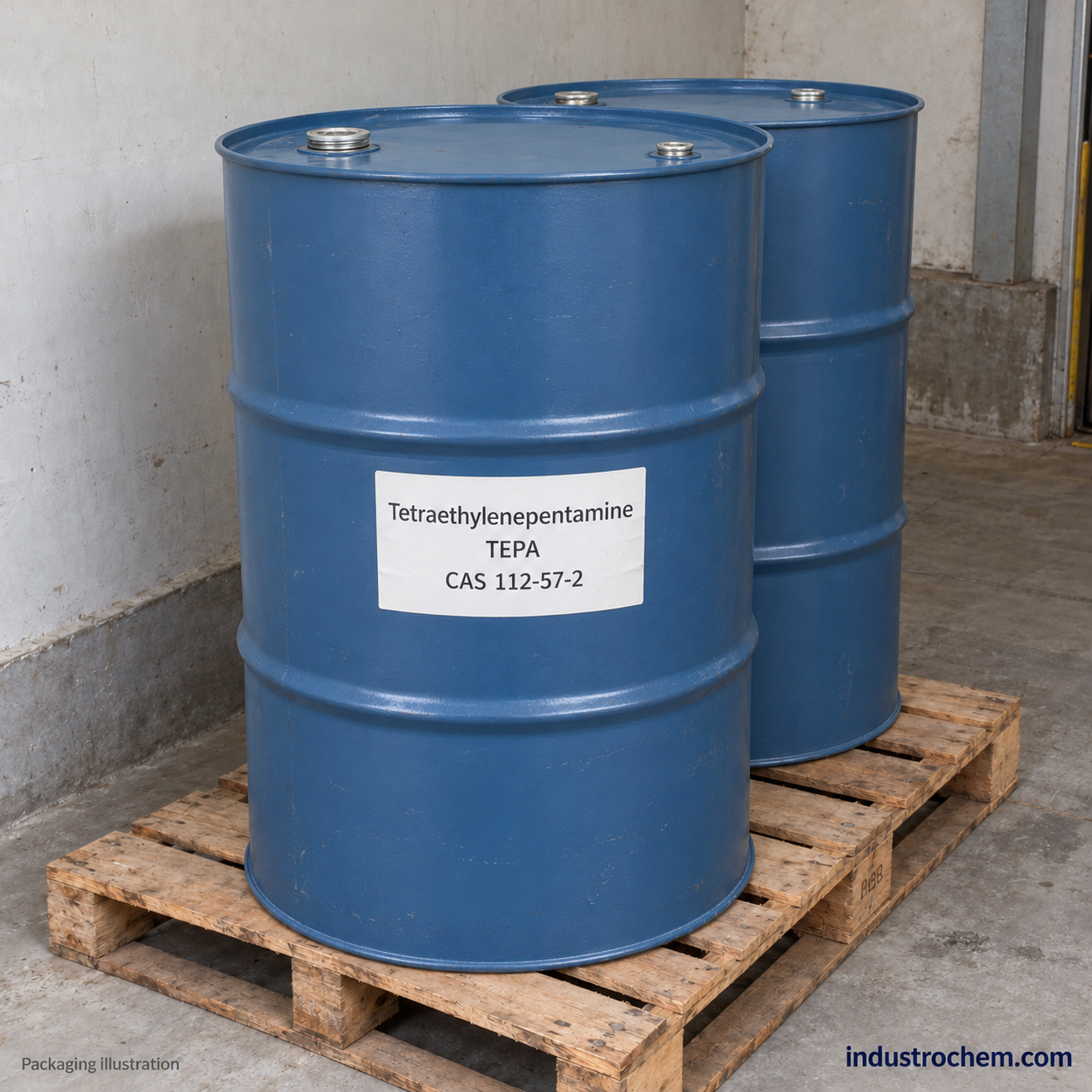
Tetraethylene Pentamine (TEPA), CAS 112-57-2, is an industrial polyamine for epoxy curing and resin manufacture. Commercial grades are selected by pentamine composition, amine value, water and color. Supplied in steel drums to the grade and quality specification agreed for the order.

  • CAS: 112-57-2
  • Synonyms: Tetraethylenepentamine; TEPA; 1,4,7,10,13-Pentaazatridecane; 3,6,9-Triazaundecamethylenediamine
  • Einecs: 203-986-2 (linear TEPA)
  • Molecular Formula: C₈H₂₃N₅ (linear TEPA component)
  • Grade: Industrial TEPA; pentamines ≥95.0% by GC area (agreed grade)
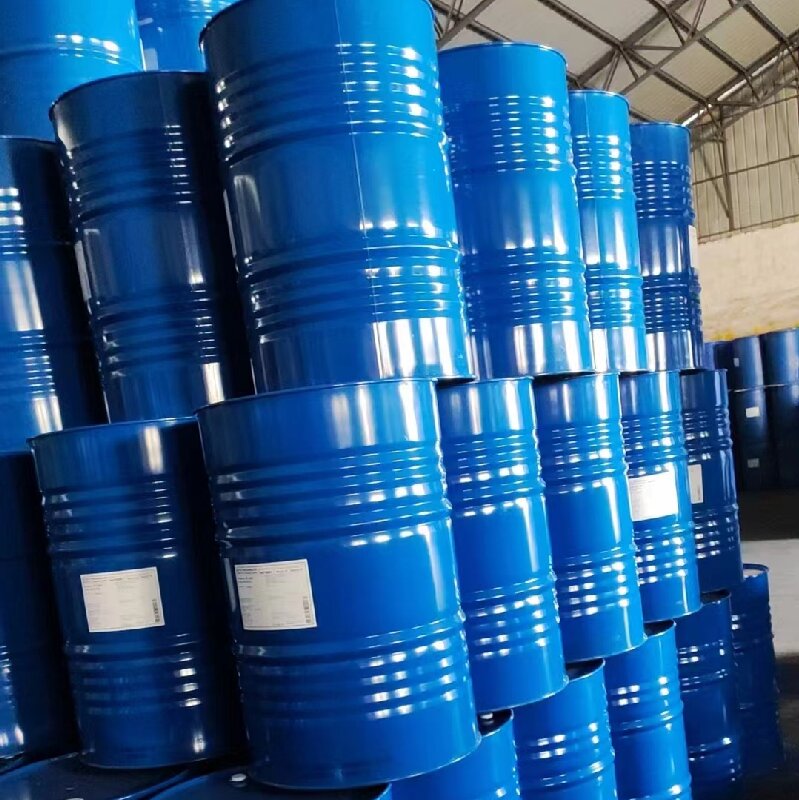
  • Package: Steel drums; net weight and shipment options in quotation
Request a quote
Share:

Product Description

Industrial TEPA grades and composition

Tetraethylene pentamine (TEPA), CAS 112-57-2, is an ethyleneamine used in epoxy curing and chemical synthesis. The linear TEPA molecule has formula C₈H₂₃N₅ and molecular weight 189.30 g/mol; industrial TEPA grades can also contain branched and cyclic pentamines and related lower- and higher-boiling ethyleneamines.

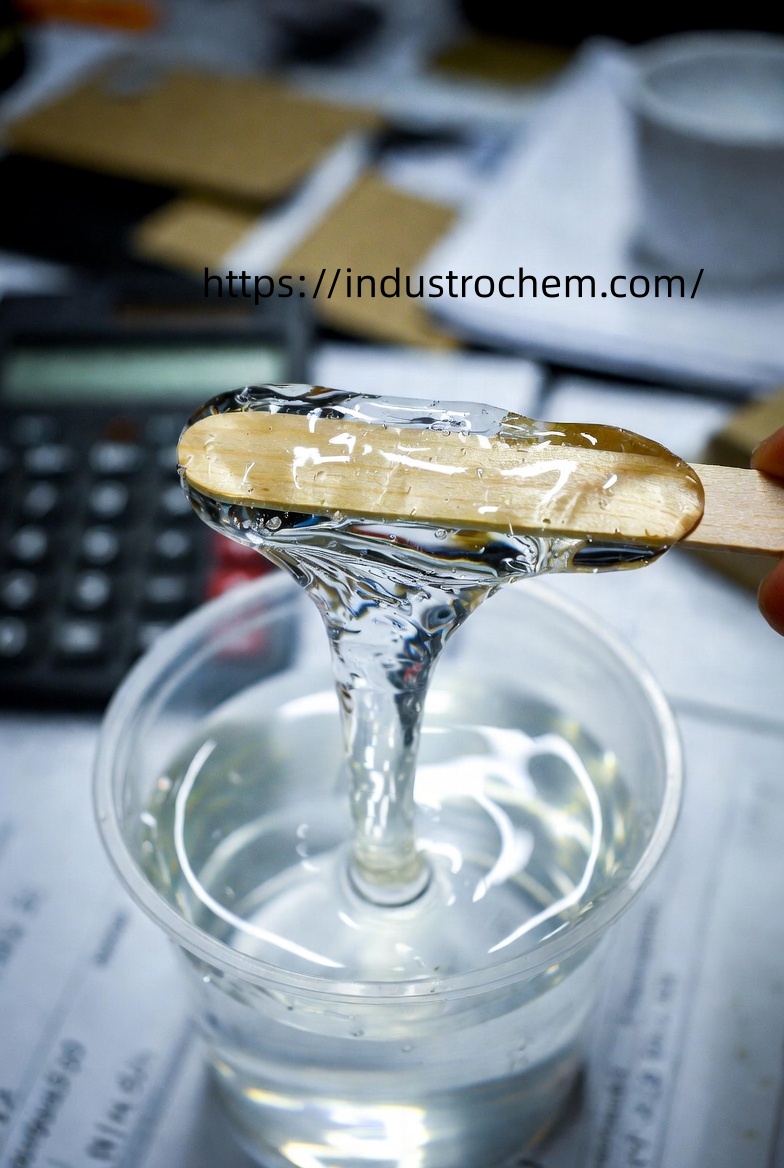
Industrial TEPA is a clear, viscous, hygroscopic liquid, usually yellow to amber, with an amine odor. It is miscible with water. Color and viscosity depend on composition, temperature and storage conditions.

A commercial grade with pentamine content ≥95.0% by GC area can be supplied to an agreed specification. The pentamine total is distinct from the amount of linear TEPA; a GC area percentage and a mass percentage are different reporting bases.

Quality specifications can include the pentamine composition and lower/higher ethyleneamine fractions by gas chromatography (GC), total amine value by acid titration, water by a Karl Fischer method suitable for amines, and Gardner color. The quotation states the agreed limits, units and methods.

Epoxy curing and related raw materials

For curing bisphenol A epoxy resin, the TEPA grade’s amine hydrogen equivalent weight (AHEW) and the resin’s epoxy equivalent weight (EEW), both in g/eq, provide the basis for the initial stoichiometric mixing ratio. Total amine value alone does not specify the reactive-hydrogen equivalent. Working time, cure schedule and final properties also depend on the formulation and temperature.

Ethylenediamine (EDA) and diethylenetriamine (DETA) are lower ethyleneamines used in resin chemistry. Their molecular size, amine functionality and handling characteristics differ from TEPA, so replacement requires a new formulation and mixing-ratio assessment.

TEPA is also a raw material for reactive polyamide resins, surfactants, corrosion-inhibitor derivatives and lubricant or fuel-additive manufacture. These uses can involve further reaction or formulation; neat TEPA is not a finished additive package for every application.

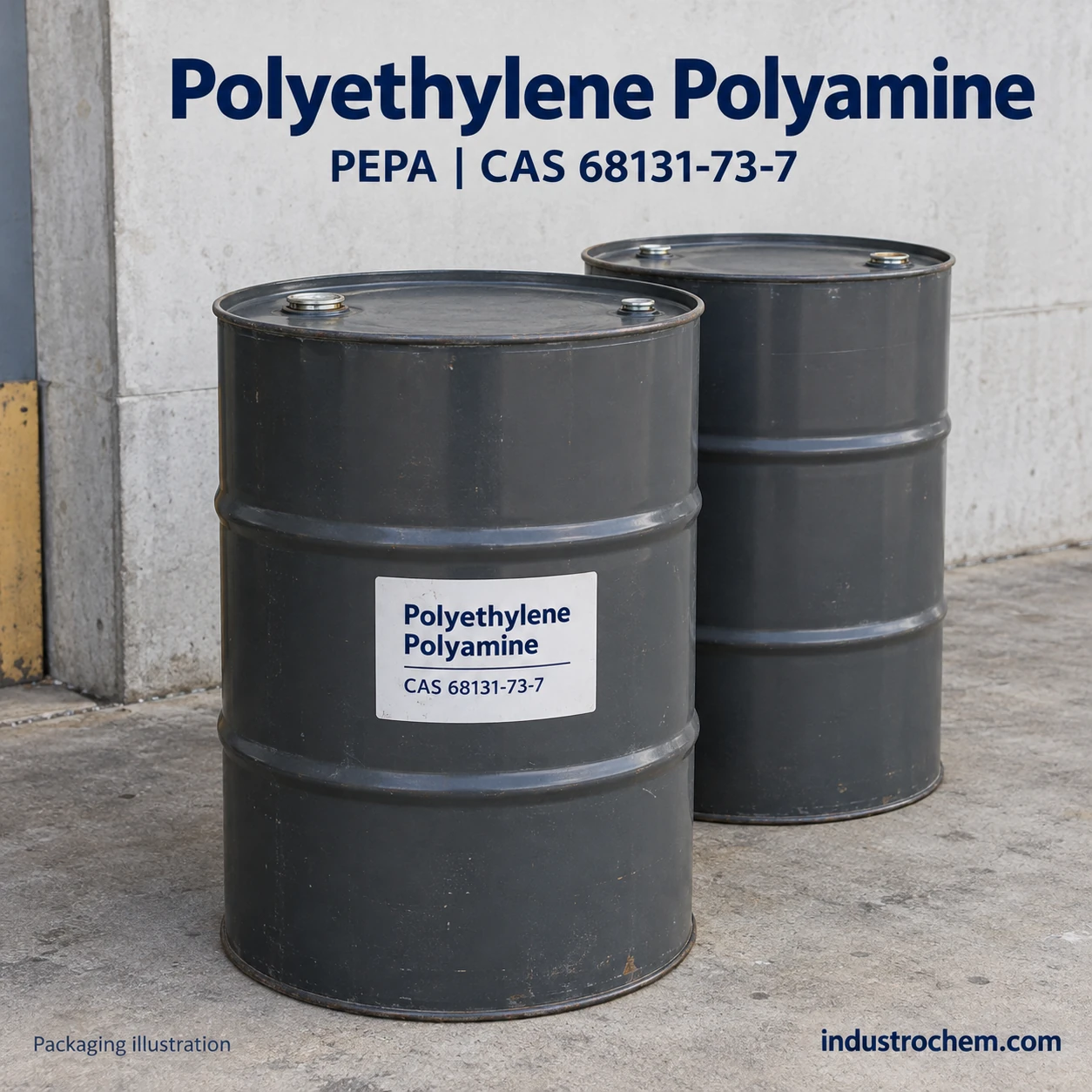
Polyethylene polyamine (PEPA), CAS 68131-73-7, is a broader higher-ethyleneamine mixture. It is an alternative raw-material class for selected polyamide and additive processes, with a different composition and amine-equivalent profile rather than a direct equal-weight substitute for TEPA.

Quality documents, packing and supply

We can provide a Certificate of Analysis (COA), Technical Data Sheet (TDS) and Safety Data Sheet (SDS), together with GC reports and chromatograms for the agreed grade. Supply quality is guaranteed against the product specification and applicable test methods agreed for the order.

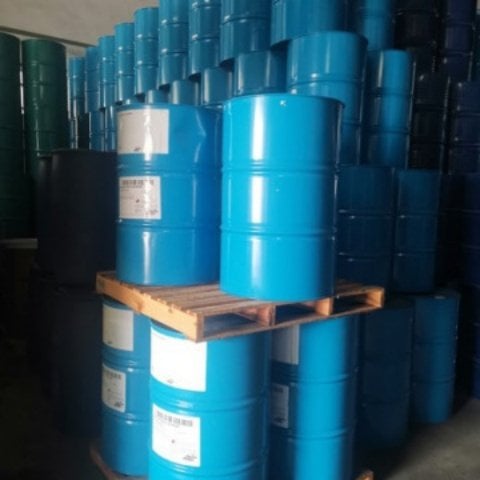
TEPA is offered in steel drums, with net weight and shipment options stated in the quotation. Send the required quantity, application or target specification and delivery destination for a bulk quotation.

Keep containers tightly closed in a dry, ventilated storage area, protected from moisture and air contamination and separated from acids, strong oxidizers and incompatible materials. TEPA is corrosive and can cause skin sensitization; handling and transport precautions are detailed in the product SDS.

FAQ - Technical & Supply Chain

  • Q:

    Is commercial TEPA the same as pure linear tetraethylenepentamine?

    A: CAS 112-57-2 identifies linear tetraethylenepentamine, C₈H₂₃N₅. Industrial TEPA can contain linear, branched and cyclic pentamines as well as related ethyleneamines. The agreed composition specification identifies the supplied grade; total pentamine content does not by itself state the linear-TEPA content.
  • Q:

    What does the pentamine assay on a TEPA COA mean?

    A: A commercial ≥95.0% pentamine specification by GC area refers to the pentamine fraction under the agreed chromatographic method. It does not mean ≥95.0% linear TEPA by mass. The COA and GC report can state the composition, reporting basis and method alongside the agreed water, color and total amine-value limits.
  • Q:

    Can total amine value be used directly as the epoxy mixing ratio?

    A: No. Total amine value measures titratable basicity, commonly in mg KOH/g or meq/g. Epoxy stoichiometry uses the grade-specific amine hydrogen equivalent weight (AHEW) and the resin epoxy equivalent weight (EEW). The resulting ratio and cure schedule need to suit the complete formulation; a theoretical value for pure linear TEPA is not automatically the value for a commercial mixture.

Ordering & Documentation

Key information for document requests, quotations, and supply planning.

Documents

Tell us which documents your procurement team needs. Before an order, we will check whether the quoted source can provide them for the offered lot.

Quotation

Send the CAS number, grade, quantity, packing preference and destination.

Sample & Supply

Ask whether samples, trial quantities or repeat orders are possible. We will check each request against the sourced product and current offer.

Storage & Shipping

Product-specific conditions are confirmed before order.

Contact Form

Use our contact form to send us your questions, suggestions or comments. We will respond as soon as possible.
For a quotation, please include the product name or CAS number, quantity, grade or application, and destination country or port. Tell us if you need a sample, COA, TDS or SDS.