• Diethylenetriamine (CAS 111-40-0)
  • Diethylenetriamine (CAS 111-40-0)
  • Diethylenetriamine (CAS 111-40-0)

Diethylenetriamine (CAS 111-40-0)

DETA, also known as diethylene triamine, bis(2-aminoethyl)amine, or N-(2-aminoethyl)ethane-1,2-diamine, is a low-molecular-weight polyamine corresponding to CAS 111-40-0 and commonly used in epoxy resin curing systems. Its functionality is based on multiple primary and secondary amine groups that react with epoxide rings, enabling crosslinking and network formation in resin formulations, and it is also applied as a reactive component in wet strength agent production. The material is supplied with competitive factory pricing, customized specifications, complete documentation including MSDS, TDS, COA, and consistent bulk supply.

  • CAS: 111-40-0
  • Synonyms: DETA, Diethylene triamine, Bis(2-aminoethyl)amine, N-(2-aminoethyl)ethane-1,2-diamine
  • Einecs: 203-865-4
  • Molecular Formula: C₄H₁₃N₃
  • Grade: 99.5%
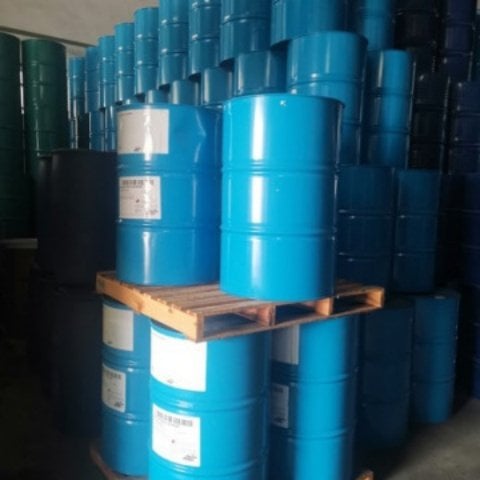
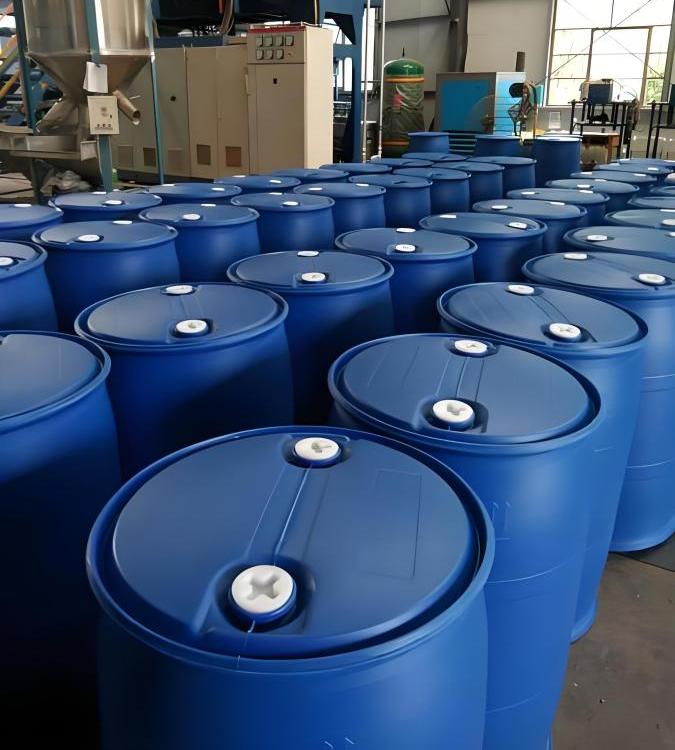
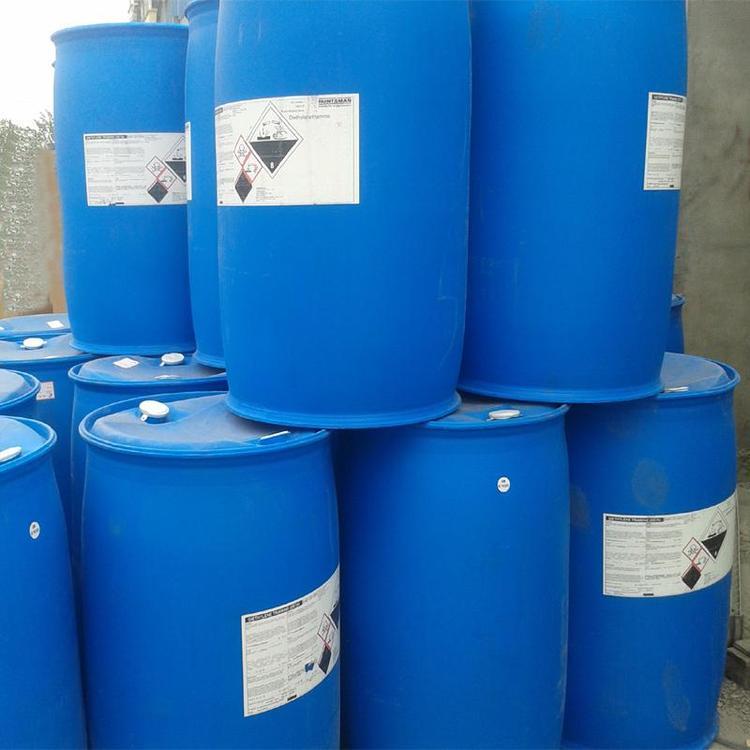
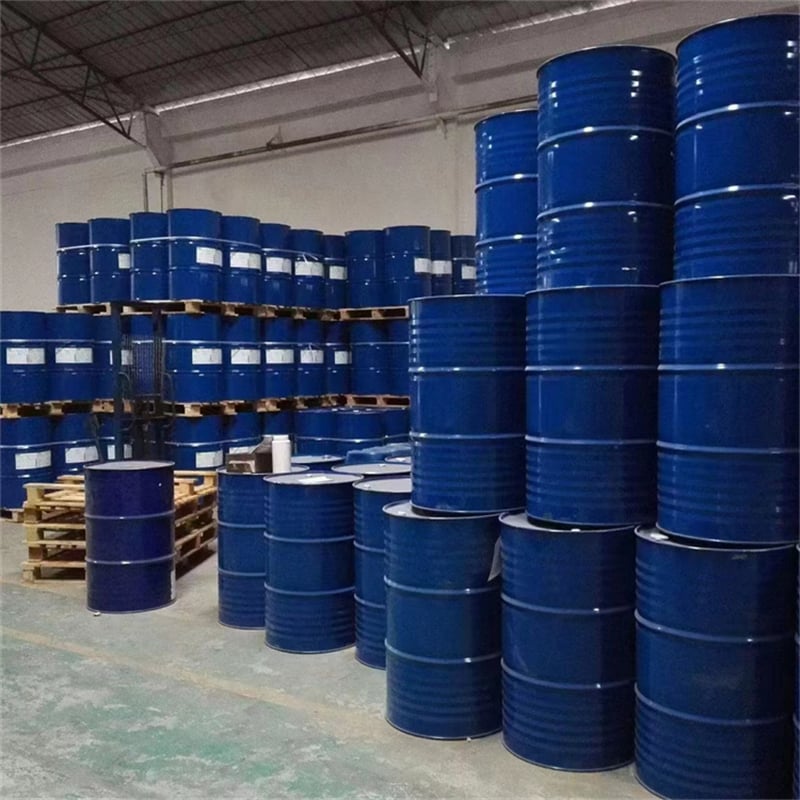
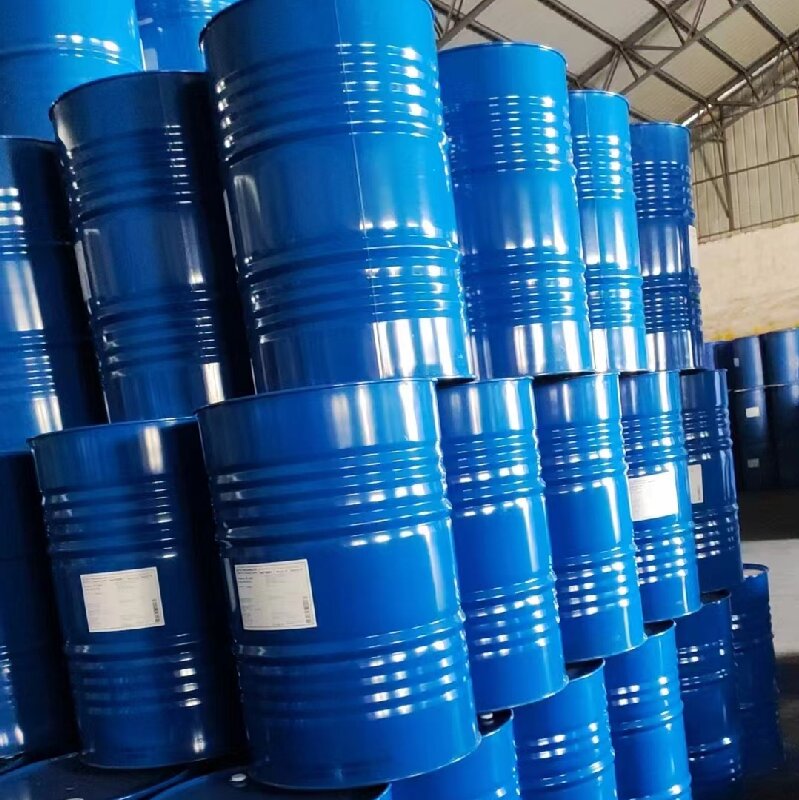
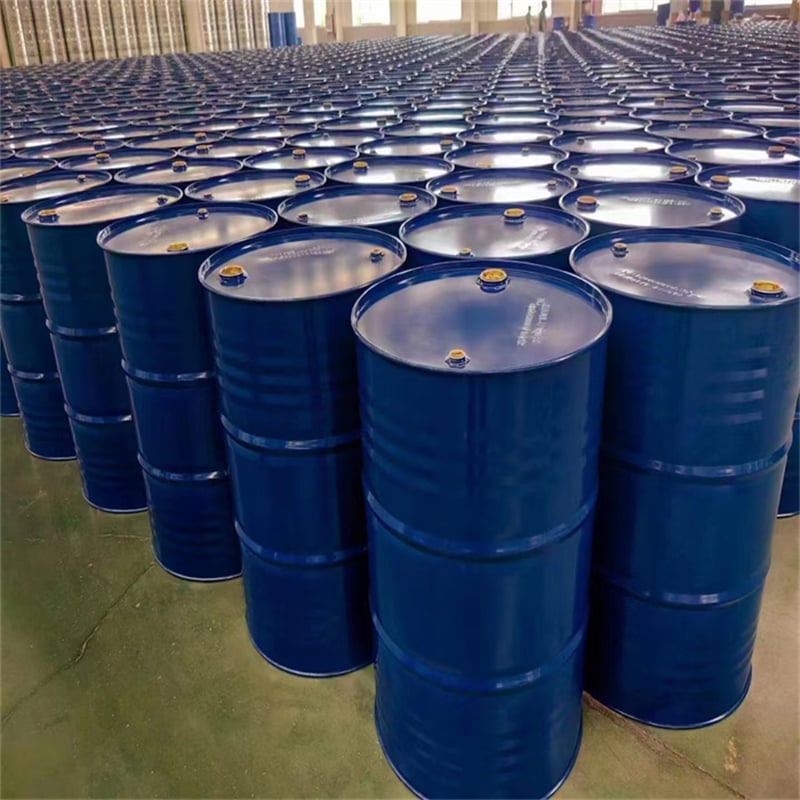
  • Package: 190kg/drum or as required
Request a quote
Share:

Product Description

Product Overview

Diethylenetriamine is provided for industrial use as a reactive polyamine intermediate. Its multiple amine groups make it suitable for curing systems, resin processing, gas treatment chemistry, and downstream synthesis routes that require strong amine reactivity.

This product is more appropriately positioned as an industrial chemical and intermediate rather than a finished end-use formulation ingredient. Product selection is generally based on identity consistency, purity level, moisture control, and compatibility with the intended process system.

Product Information / Specifications

Product Name Diethylenetriamine
Common Name DETA
Synonyms Bis(2-aminoethyl)amine; N-(2-aminoethyl)ethane-1,2-diamine
CAS Number 111-40-0
EINECS Number 203-865-4
Molecular Formula C4H13N3
Molecular Weight 103.17 g/mol
Typical Grade 99.5%
Standard Packaging 190 kg/drum or as required
Product Identity Industrial chemical / polyamine intermediate

Physical & Chemical Properties

Appearance Colorless or yellow transparent liquid
Odor Ammonia-like odor
Density 0.955–0.96 g/cm³ at 25°C
Melting Point -35 to -40°C
Boiling Point 206–207°C
Flash Point 94–101°C
Solubility Miscible with water, ethanol, acetone, benzene, and methanol; insoluble in ether and n-heptane
pH Value >12 (100 g/L, H₂O, 20°C)
Refractive Index 1.4810–1.4846 at 20°C
Stability Note Stable but hygroscopic; absorbs moisture and carbon dioxide from air

Applications

  • Epoxy resin curing systems and related industrial adhesive applications
  • Gas purification for removal of acidic gases such as carbon dioxide and hydrogen sulfide
  • Water treatment and metal chelation related process systems
  • Synthetic resin production including polyamide and ion exchange resin related manufacturing
  • Textile auxiliaries and paper reinforcement related processing
  • Lubricant additives and metal processing auxiliaries in selected industrial systems

Packaging

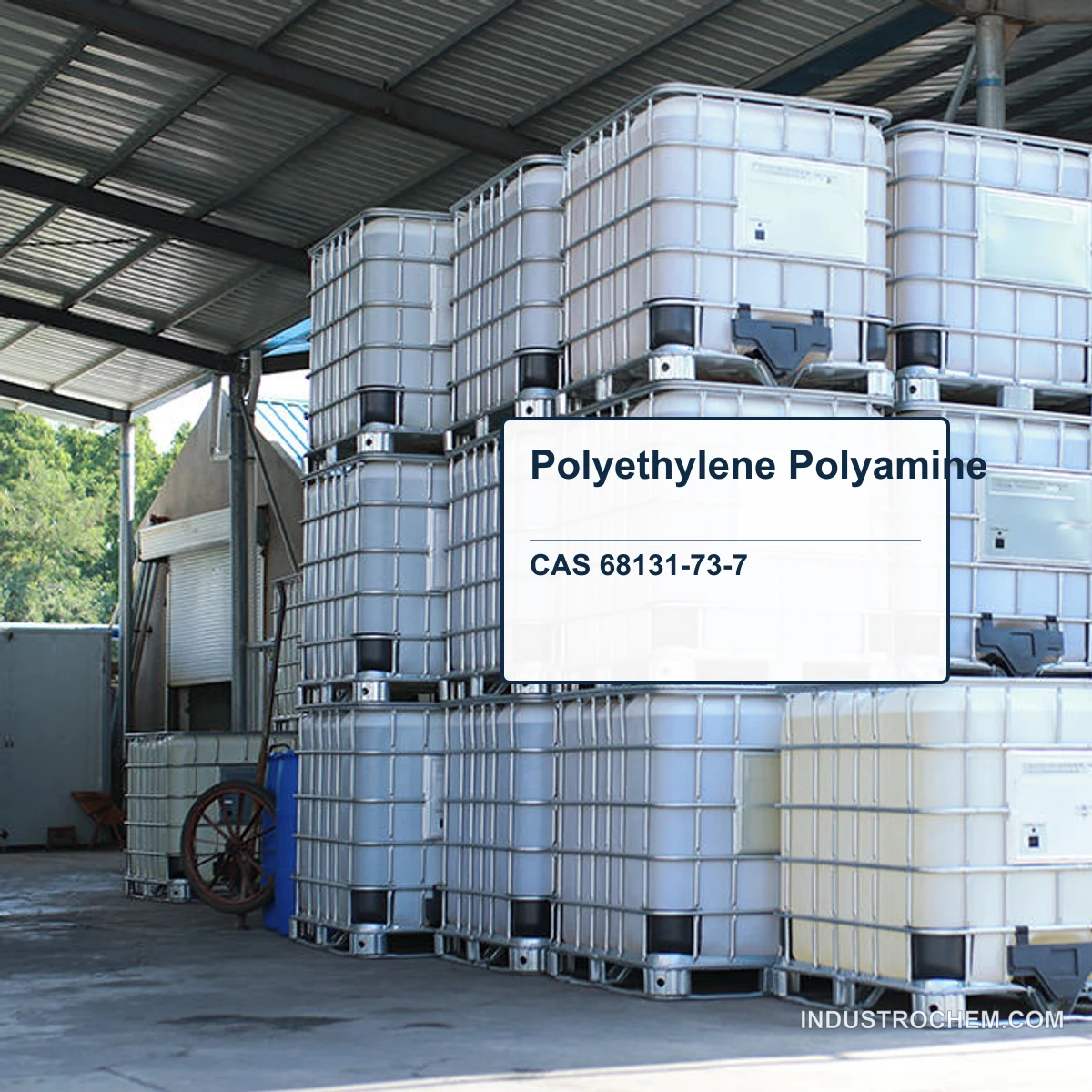
Standard packaging is commonly supplied in 190 kg drums or according to shipment requirement.

Packaging information may vary by grade, destination, and transport arrangement.

Storage Conditions

  • Store below 30°C in a dry, well-ventilated area.
  • Keep containers tightly sealed to reduce moisture absorption and carbon dioxide uptake.
  • Avoid humid storage conditions and prolonged exposure to air.
  • Store away from incompatible materials and use handling systems suitable for corrosive alkaline amines.

Safety Precautions

  • Handle with suitable chemical protective gloves, goggles, and protective clothing.
  • Avoid contact with skin, eyes, mucous membranes, and respiratory exposure.
  • Use good ventilation during transfer and processing.
  • Avoid contact with copper and copper alloys where corrosion may occur.
  • Refer to the latest SDS before storage, transport, and industrial use.

FAQ

1. What is diethylenetriamine mainly used for?
It is mainly used as an industrial polyamine in epoxy curing systems, gas purification, water treatment, resin processing, and related chemical manufacturing routes.
2. Are DETA and diethylenetriamine the same substance?
Yes. DETA is the standard abbreviation for diethylenetriamine and corresponds to CAS 111-40-0.
3. Is this product better classified as an industrial intermediate than a finished end-use product?
Yes. It is more appropriately positioned as an industrial chemical and reactive amine intermediate used in downstream manufacturing systems.
4. Is DETA used in epoxy resin curing systems?
Yes. The product page identifies epoxy resin curing as a major application area for DETA.
5. What packaging is commonly used for DETA?
The listed standard package is 190 kg/drum, with packaging adjusted when required by shipment arrangement.
6. What storage conditions are recommended for this product?
It should be stored below 30°C in a dry environment, with containers kept tightly sealed to limit moisture absorption and deterioration.
7. Are technical documents available for this material?
Technical documents such as COA, TDS, and SDS may be provided according to the supplied grade and shipment arrangement.
8. What handling points are especially important for DETA?
Important handling points include protection against skin and respiratory irritation, moisture control, ventilation, and avoidance of copper and copper alloys.

FAQ - Technical & Supply Chain

Documents

Documents and Product Support

For product review and sourcing evaluation, supporting documents can be coordinated according to the product type, inquiry stage, and order requirements.

  • COA for batch-based quality reference
  • TDS for key physical and chemical information
  • SDS / MSDS for handling, storage, and safety reference
  • Packing information for sample, trial, and bulk orders
  • Technical communication based on application and specification requirements
Quotation

Information to Confirm Before Quotation

Clear sourcing information helps reduce specification mismatch and allows a more accurate quotation before sample or bulk order discussion.

  • Product name and CAS number
  • Application or intended end use
  • Required purity, grade, or specification
  • Sample quantity, trial order, or bulk demand
  • Preferred packing form or net weight
  • Destination country or port
  • Required documents or compliance expectations
Storage & Handling

Packaging, Storage, and Handling Notes

Packaging form, storage conditions, shelf life, and shipment arrangements should be confirmed according to the product characteristics, package size, and destination requirements.

Before order confirmation, buyers are advised to review the corresponding product documents and confirm whether any special storage, labeling, or handling requirements apply.

Supply Support

Sample, Bulk Order and Repeat Supply Support

Support can be arranged for sample discussion, bulk supply planning, packaging confirmation, and routine sourcing communication based on the actual product and order requirements.

For repeat-use formulations or long-term procurement plans, buyers may discuss specification consistency, packaging preferences, delivery expectations, and document coordination in advance.

Contact Form

Use our contact form to send us your questions, suggestions or comments. We will respond as soon as possible.