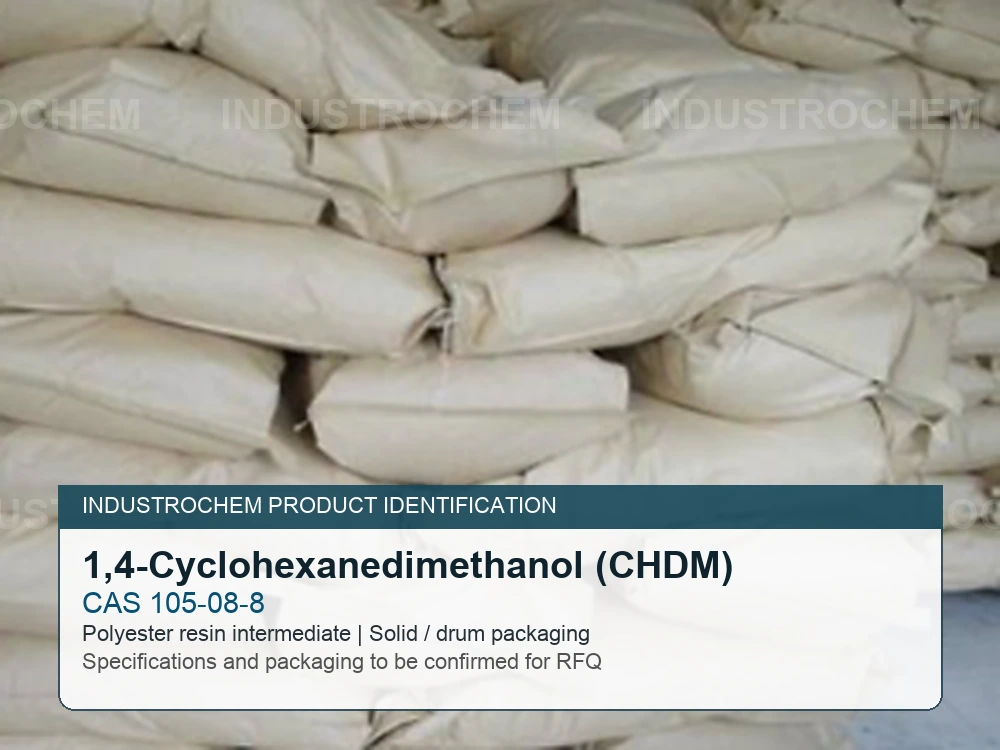









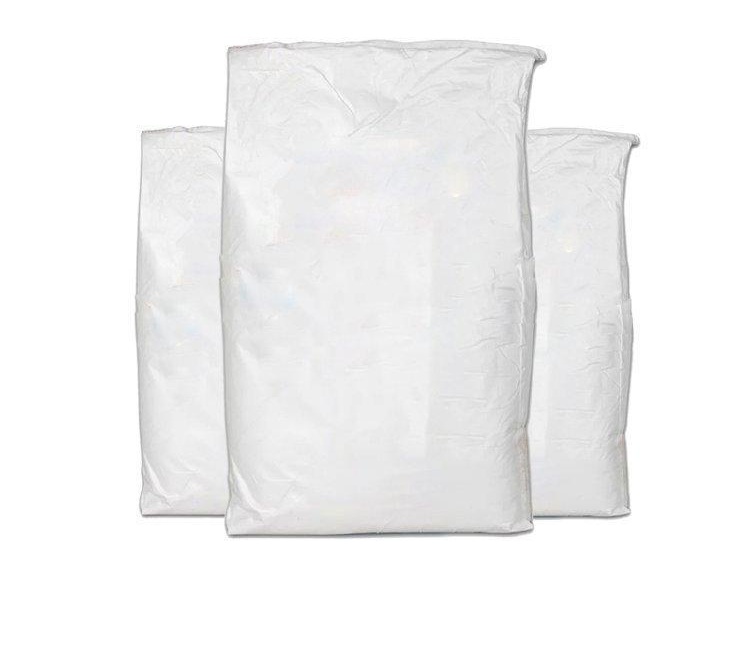
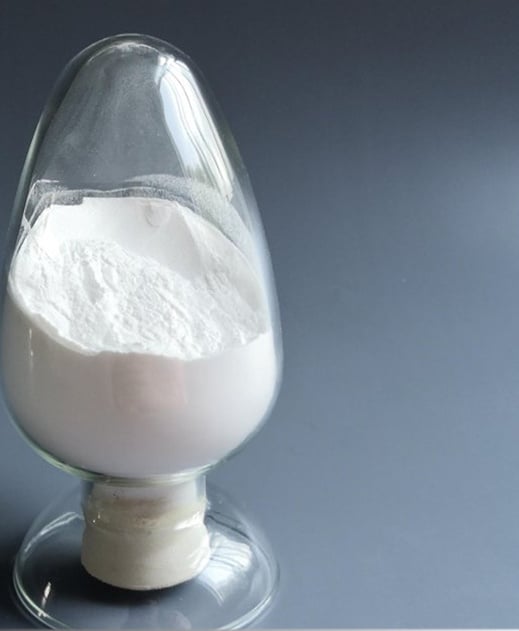
Neopentyl Glycol (NPG) (CAS 126-30-7, EC 204-781-0) is supplied for polyester, alkyd and polyurethane resin production, plasticizers and synthetic lubricants. Send the required form, quantity and destination for a quotation, with any critical quality limits. For polyester formulations using a cycloaliphatic diol, 1,4-Cyclohexanedimethanol (CHDM) is a related monomer to compare; changing the diol requires formulation testing.
Neopentyl Glycol (NPG) CAS 126-30-7
- CAS: 126-30-7
- Synonyms: NPG; Neopentyl Glycol; 2,2-Dimethylpropane-1,3-diol; 2,2-Dimethyl-1,3-propanediol; Dimethylolpropane
- Einecs: 204-781-0
- Molecular Formula: C₅H₁₂O₂
- Grade: NPG specifications distinguish solid-material assay from aqueous-solution concentration and cover water and color. Where hydroxyl value is specified, the test method and reporting basis are stated in our quality documentation.
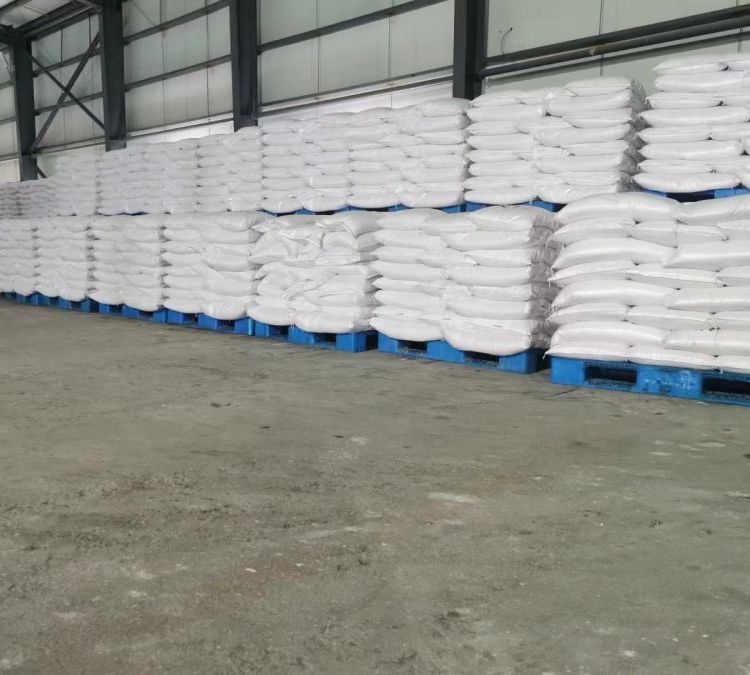
- Package: We specify packaging, net quantity and storage and transport conditions for the quoted NPG form in our offer.
Product Description
Product Overview
Commercial Neopentyl Glycol is available as flakes, molten material and aqueous grades such as NPG 90. Flakes need protection from moisture and caking; molten material requires suitable heated storage and transfer. An aqueous grade adds water to the reactor charge, so the NPG content and water balance must be calculated for the selected form. Our quotation identifies the form, specification and packaging offered for your process.
Product Information / Specifications
| Product | Neopentyl Glycol (NPG) CAS 126-30-7 |
| CAS No. | 126-30-7 |
| EC No. | 204-781-0 |
| Molecular Formula / Identity | C₅H₁₂O₂ |
| Synonyms | NPG; 2,2-Dimethylpropane-1,3-diol; 2,2-Dimethyl-1,3-propanediol; Dimethylolpropane |
| Grade / Supply Specification | NPG specifications distinguish solid-material assay from aqueous-solution concentration and cover water and color. Where hydroxyl value is specified, the test method and reporting basis are stated in our quality documentation. |
| Packaging | We specify packaging, net quantity and storage and transport conditions for the quoted NPG form in our offer. |
For related resin-building polyols, Trimethylolpropane has three hydroxyl groups and Pentaerythritol has four, compared with two in NPG. Their higher functionality can introduce branching in polyester formulations; they are not equal-weight replacements for NPG.
Storage, Safety and Documentation
We can provide COA (Certificate of Analysis), TDS (Technical Data Sheet), SDS (Safety Data Sheet) and applicable GC quality data for Neopentyl Glycol. For aqueous grades, distinguish dry-basis assay from NPG concentration as supplied; GC purity alone does not define solution concentration. Water is assessed separately, commonly by Karl Fischer, while color results specify the test solution concentration. Where a hydroxyl value is specified, report it in mg KOH/g with the test method and dry or as-supplied basis. Follow the handling and protective-equipment requirements in the SDS we provide for the supplied form.
FAQ - Technical & Supply Chain
-
Q:
Is NPG 90 the same material as solid Neopentyl Glycol on an equal-weight basis?
A: No. NPG 90 is normally an aqueous grade containing about 90% Neopentyl Glycol and 10% water by weight, whereas solid or flake NPG has a different water balance. Process charging must be calculated on the agreed NPG content, with the water introduced by the selected form included in the process balance. -
Q:
Which commercial form should be specified for a Neopentyl Glycol order?
A: Specify flake, molten or aqueous solution, then state the required NPG content, water, colour and applicable hydroxyl-value basis. These forms have different handling temperatures, storage arrangements and reactor water balance, even though they relate to the same CAS number. -
Q:
Can Neopentyl Glycol be substituted directly with another diol in a resin recipe?
A: Not as a direct replacement. A different diol changes molecular structure and can affect esterification, resin properties and processing. The intended formulation must define the monomer choice, molar ratio and acceptable water balance before any substitution is considered.
Ordering & Documentation
Key information for document requests, quotations, and supply planning.
Documents
Tell us which documents your procurement team needs. Before an order, we will check whether the quoted source can provide them for the offered lot.
Quotation
Send the CAS number, grade, quantity, packing preference and destination.
Sample & Supply
Ask whether samples, trial quantities or repeat orders are possible. We will check each request against the sourced product and current offer.
Storage & Shipping
Product-specific conditions are confirmed before order.