










Pentaerythritol, classified as a polyhydric alcohol and often referred to as tetramethylolmethane or 2,2-bis(hydroxymethyl)1,3-propanediol, is a crystalline neopentyl structure core to modern Construction and coating chemicals. This 115-77-5 substance functions as a central polyol in the synthesis of alkyd resins and the production of high-stability esters through its four primary hydroxyl groups. Within industrial processing, monopentaerythrite and pentaerythrite are utilized for their high hydroxyl density to facilitate cross-linking in fire-retardant systems and synthetic lubricants. We offer competitive factory pricing for customized specifications to suit varying technical grades. Every order is supported by comprehensive MSDS, TDS, COA data for reliable bulk supply management.
Pentaerythritol CAS 115-77-5
- CAS: 115-77-5
- Synonyms: Tetramethylolmethane, 2,2-Bis(hydroxymethyl)1,3-propanediol, Monopentaerythritol, Pentaerythrite
- Einecs: 204-104-9
- Molecular Formula: C5H12O4
- Grade: Industrial Grade (95% / 98%)
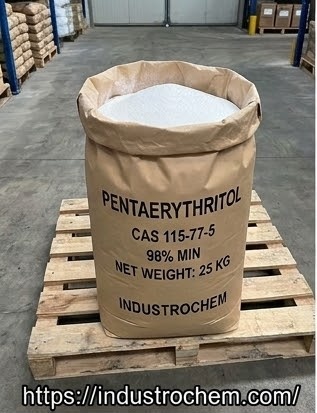
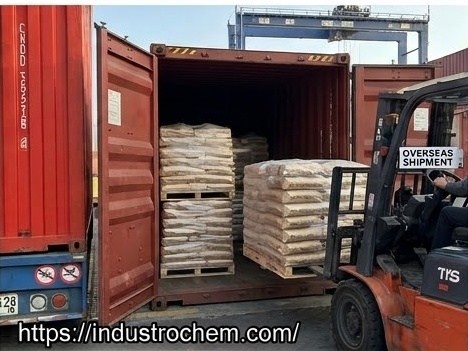
- Package: 25kg/bag, 500kg/bag, or 1000kg/bag (woven bags with PE liner)
Product Description
Technical Data
| Property | Specification (Resin Grade) |
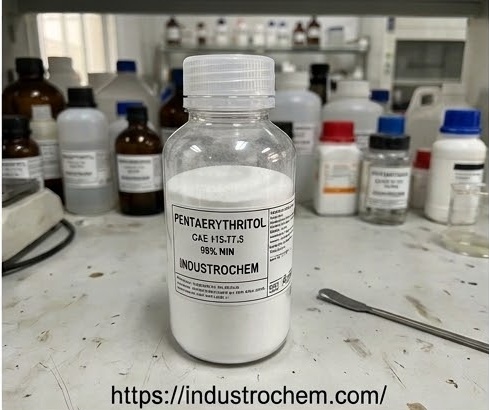
| Appearance | White crystalline powder |
| Monopentaerythritol Content | ≥ 98.0% |
| Melting Point | ≥ 258°C |
| Hydroxyl Content | 48.0% – 49.5% |
| Moisture (Loss on drying) | ≤ 0.2% |
| Ash Content | ≤ 0.05% |
| Phthalic Color (Gardner) | ≤ 1 |
Applications
- Alkyd Resins: Used as the primary polyol to enhance the hardness, gloss, and drying speed of architectural and industrial coatings.
- Synthetic Lubricants: Esterification with fatty acids to produce high-stability polyol esters for aviation and automotive lubricants.
- Radiation Curing: Intermediate for pentaerythritol tetraacrylate (PETA) used in UV-curable inks and coatings.
- Flame Retardants: Acts as a carbon source in intumescent flame retardant systems for plastics and coatings.
- Plastic Additives: Raw material for the production of antioxidants and PVC stabilizers.
Storage & Safety
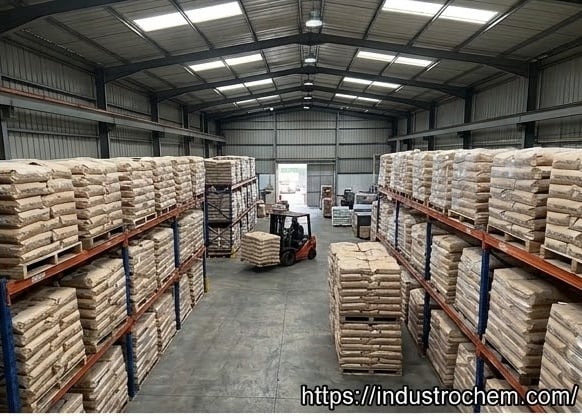
- Storage: Store in a cool, dry, and well-ventilated warehouse. Keep away from strong oxidizers, acids, and open flames. Maintain container integrity to prevent moisture absorption.
- Safety & PPE: This substance is categorized as a non-hazardous industrial chemical, but dust inhalation should be avoided. Personnel should wear chemical safety goggles, industrial protective gloves, and a NIOSH-approved dust mask during handling. Ensure adequate local exhaust ventilation in processing areas.
Quality Assurance
Our manufacturing facility implements a rigorous quality management system compliant with international standards. Each batch of Pentaerythritol undergoes comprehensive analysis via High-Performance Liquid Chromatography (HPLC) to verify monopentaerythritol content and Gas Chromatography (GC) to monitor by-product levels. We maintain strict control over particle size distribution and moisture levels, ensuring that all technical parameters align with the provided specification sheets for consistent industrial performance.
FAQ - Technical & Supply Chain
-
Q:
How is the identity and purity of Pentaerythritol CAS 115-77-5 verified for high-performance coating applications?
A: The substance identity is confirmed via CAS 115-77-5 registration, with purity typically analyzed through gas chromatography (GC) or liquid chromatography. For coating applications, the hydroxyl content and monopentaerythritol fraction are the critical metrics tested to ensure predictable esterification reactions in resin kettles. -
Q:
Does this grade of pentaerythritol support the thermal stability requirements of intumescent coating systems?
A: Yes, the technical grade and monopentaerythritol versions are intended for use as carbonific agents in fire-retardant formulations. The high melting point and consistent hydroxyl density ensure that the material functions correctly within the chemical blowing and charring mechanism required for industrial fire protection.
Documents and Product Support
For product review and sourcing evaluation, supporting documents can be coordinated according to the product type, inquiry stage, and order requirements.
- COA for batch-based quality reference
- TDS for key physical and chemical information
- SDS / MSDS for handling, storage, and safety reference
- Packing information for sample, trial, and bulk orders
- Technical communication based on application and specification requirements
Information to Confirm Before Quotation
Clear sourcing information helps reduce specification mismatch and allows a more accurate quotation before sample or bulk order discussion.
- Product name and CAS number
- Application or intended end use
- Required purity, grade, or specification
- Sample quantity, trial order, or bulk demand
- Preferred packing form or net weight
- Destination country or port
- Required documents or compliance expectations
Packaging, Storage, and Handling Notes
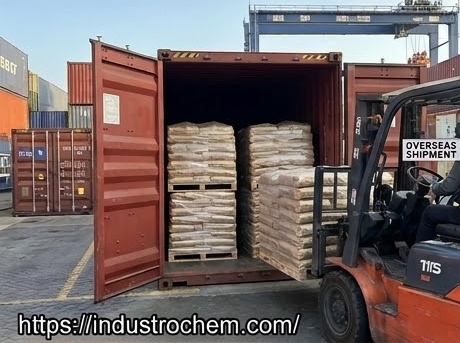
Packaging form, storage conditions, shelf life, and shipment arrangements should be confirmed according to the product characteristics, package size, and destination requirements.
Before order confirmation, buyers are advised to review the corresponding product documents and confirm whether any special storage, labeling, or handling requirements apply.
Sample, Bulk Order and Repeat Supply Support
Support can be arranged for sample discussion, bulk supply planning, packaging confirmation, and routine sourcing communication based on the actual product and order requirements.
For repeat-use formulations or long-term procurement plans, buyers may discuss specification consistency, packaging preferences, delivery expectations, and document coordination in advance.


Emulsifier-MPEG-350-CAS-9004-74-4-1.jpg)
