










• Bisphenol F Epoxy Resin CAS 9003-36-5
  • Bisphenol F Epoxy Resin CAS 9003-36-5
  • Bisphenol F Epoxy Resin CAS 9003-36-5
  • Bisphenol F Epoxy Resin CAS 9003-36-5

Bisphenol F Epoxy Resin CAS 9003-36-5

Bisphenol F Epoxy Resin (CAS 9003-36-5) is a low-viscosity thermosetting liquid polymer synthesized via the polycondensation of bisphenol F and epichlorohydrin, serving as a critical foundational matrix within the broader category of Construction and coating chemicals. Operating as a highly reactive structural binder, this unmodified BPF epoxy exhibits superior chemical resistance and elevated cross-linking density compared to standard bisphenol-A alternatives, making the DGEBF polymer integral to formulating solvent-free heavy-duty anti-corrosion systems, while the bisphenol-F diglycidyl ether structure ensures exceptional mechanical performance in structural marine composites. Its compact molecular structure provides excellent substrate wetting and durability when deployed as a base epoxy phenol novolac resin in demanding industrial potting and civil engineering processing environments. To support continuous large-scale formulation schedules, our facility maintains extensive bulk supply capabilities, ensuring consistent batch-to-batch epoxy equivalent weights with customized specifications to meet precise rheological parameters, all backed by competitive factory pricing and comprehensive technical documentation including MSDS, TDS, COA.

  • CAS: 9003-36-5
  • Synonyms: BPF epoxy, DGEBF polymer, Bisphenol-F diglycidyl ether, Epoxy phenol novolac resin, Liquid bisphenol F resin
  • Einecs: 500-006-8
  • Molecular Formula: (C15H16O2·C3H5ClO)x
  • Grade: Industrial Grade
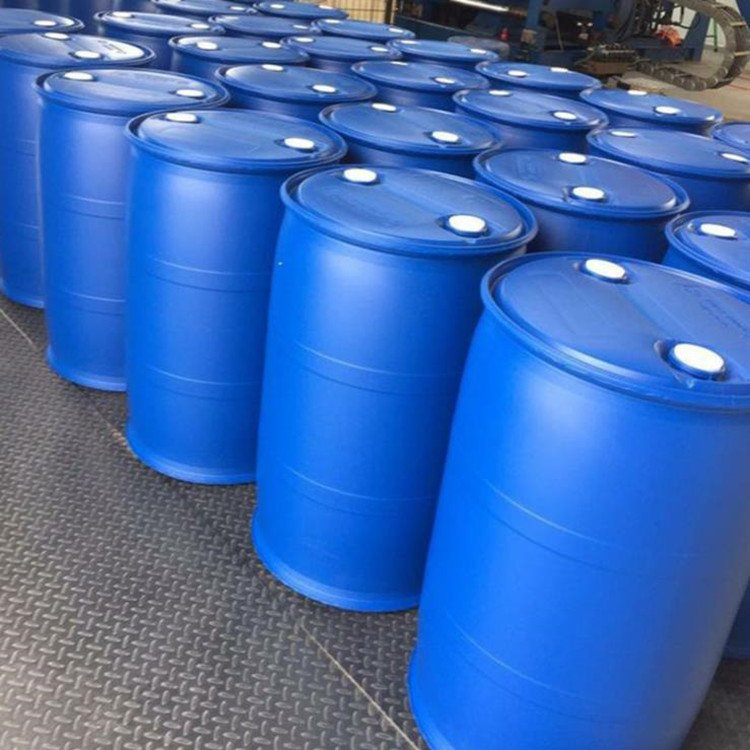
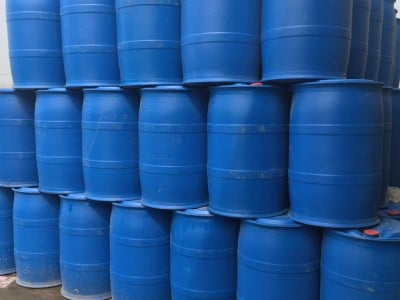
  • Package: 220kg/iron drum, 1000kg/IBC tank

Request a quote
Share:

Product Description

Technical Data

Physicochemical PropertiesStandard Specification (Industrial Liquid Grade)
AppearanceLight yellow to colorless transparent liquid
Epoxy Equivalent Weight (EEW)160 – 175 g/eq
Viscosity (at 25°C)2,000 – 4,500 mPa·s
Hydrolyzable Chlorine≤ 0.1%
Inorganic Chlorine≤ 0.001%
Volatile Matter≤ 0.2%
Density (at 25°C)1.18 – 1.20 g/cm³
SolubilityInsoluble in water; soluble in aromatic and ketonic solvents

Applications:

  • Anti-Corrosion Coatings: Functions as the primary low-viscosity matrix for formulating high-solids and solvent-free protective marine and pipeline coatings, providing exceptional resistance to aggressive inorganic acids and alkaline environments.
  • Civil Engineering & Adhesives: Utilized as a highly penetrative structural binder in concrete repair mortars, industrial flooring systems, and heavy-duty structural adhesives due to its superior substrate wetting capabilities.
  • Electronic Potting & Encapsulation: Applied in the formulation of electronic casting compounds where tight dimensional stability, low thermal shrinkage, and excellent dielectric properties are critical for component protection.

Storage & Safety:

  • Storage Conditions: Store in tightly sealed, original containers within a cool, dry, and well-ventilated warehouse environment. Maintain ambient storage temperatures between 15°C and 25°C to prevent unwanted viscosity increases and mitigate the risk of spontaneous crystallization.
  • Safety & Handling: This liquid polymer is a known dermal sensitizer. Industrial handling requires proper local exhaust ventilation. Operators must utilize chemical-resistant nitrile gloves, splash-proof safety goggles, and protective work clothing to prevent dermal contact and mechanical eye irritation.

Quality Assurance:

Our chemical manufacturing facility enforces rigorous quality control protocols aligned with ISO 9001 industrial standards. Every production batch is subjected to stringent laboratory analysis, utilizing automated potentiometric titration to precisely quantify the Epoxy Equivalent Weight (EEW) and hydrolyzable chlorine content. We maintain strict, continuous monitoring of viscosity parameters via rotational viscometry to guarantee that the processing stability and curing kinetics of the polymer matrix comply fully with international composite manufacturing specifications.

FAQ - Technical & Supply Chain

  • Q:

    How does the Epoxy Equivalent Weight (EEW) identify the specific reactivity and molecular structure of this Bisphenol F resin?

    A: The EEW directly quantifies the mass of resin containing one gram-equivalent of the epoxide group. An EEW ranging from 160 to 175 g/eq definitively identifies a low-molecular-weight, highly reactive liquid monomer structure, differentiating it from higher EEW solid epoxy resins intended for fusion-bonded powder coating systems.
  • Q:

    Is this low-viscosity resin matrix typically applied as a standalone binder or blended with other epoxy systems in industrial formulations?

    A: While it can function as a standalone continuous matrix for highly chemical-resistant applications, it is commonly blended with standard bisphenol-A (BPA) epoxy resins to significantly reduce the overall processing viscosity of the formulation while simultaneously increasing the cross-linking density of the cured composite system.
Documents

Documents and Product Support

For product review and sourcing evaluation, supporting documents can be coordinated according to the product type, inquiry stage, and order requirements.

  • COA for batch-based quality reference
  • TDS for key physical and chemical information
  • SDS / MSDS for handling, storage, and safety reference
  • Packing information for sample, trial, and bulk orders
  • Technical communication based on application and specification requirements
Quotation

Information to Confirm Before Quotation

Clear sourcing information helps reduce specification mismatch and allows a more accurate quotation before sample or bulk order discussion.

  • Product name and CAS number
  • Application or intended end use
  • Required purity, grade, or specification
  • Sample quantity, trial order, or bulk demand
  • Preferred packing form or net weight
  • Destination country or port
  • Required documents or compliance expectations
Storage & Handling

Packaging, Storage, and Handling Notes

Packaging form, storage conditions, shelf life, and shipment arrangements should be confirmed according to the product characteristics, package size, and destination requirements.

Before order confirmation, buyers are advised to review the corresponding product documents and confirm whether any special storage, labeling, or handling requirements apply.

Supply Support

Sample, Bulk Order and Repeat Supply Support

Support can be arranged for sample discussion, bulk supply planning, packaging confirmation, and routine sourcing communication based on the actual product and order requirements.

For repeat-use formulations or long-term procurement plans, buyers may discuss specification consistency, packaging preferences, delivery expectations, and document coordination in advance.

Contact Form

Use our contact form to send us your questions, suggestions or comments. We will respond as soon as possible.