









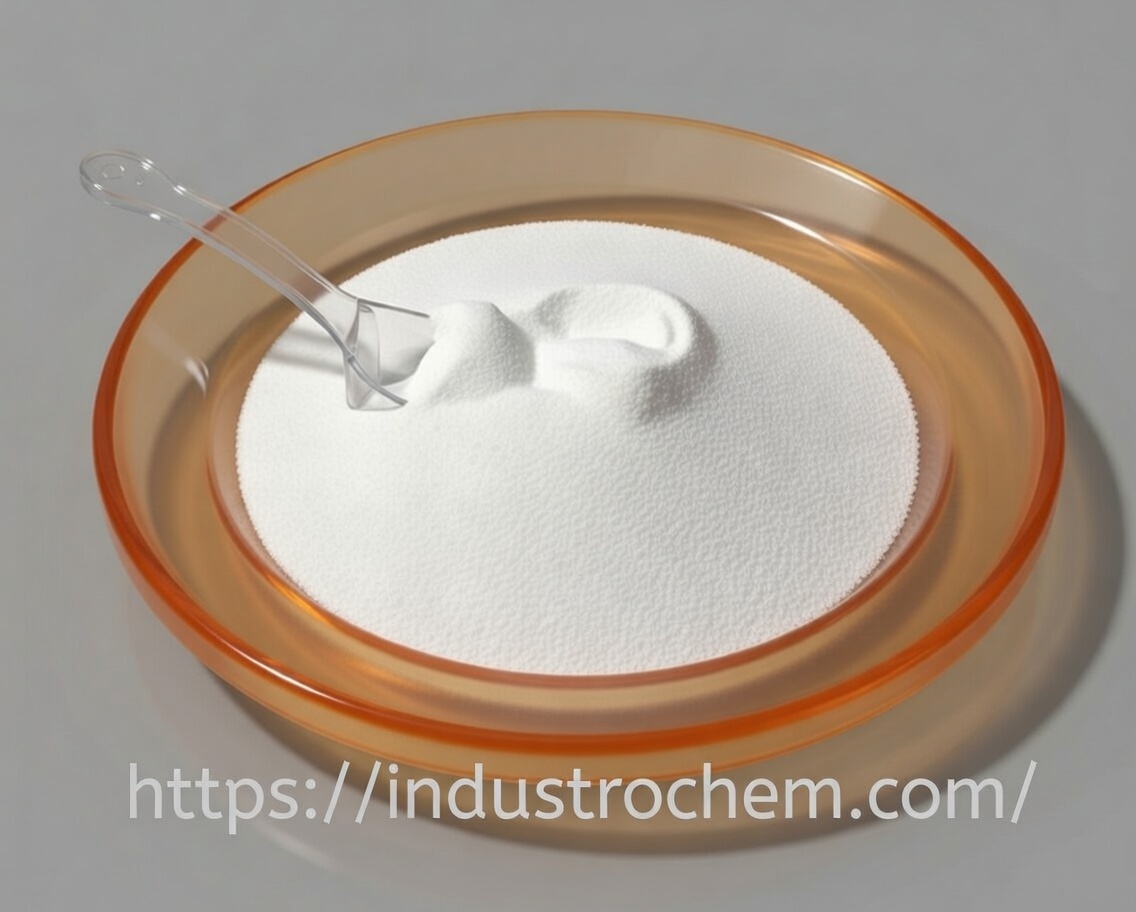
• Polyvinyl Chloride CAS 9002-86-2
  • Polyvinyl Chloride CAS 9002-86-2

Polyvinyl Chloride CAS 9002-86-2

Polyvinyl Chloride (CAS 9002-86-2) is a thermoplastic synthetic macromolecule produced through the polymerization of vinyl chloride monomer, widely utilized within Industrial & Specialty Chemicals formulations for continuous structural extrusion processes. Operating as a high-density poly(vinyl chloride) matrix, this versatile PVC resin exhibits inherent flame retardancy and high tensile strength, making the chloroethylene polymer integral to manufacturing industrial piping networks and chemical-resistant architectural profiles. Its rigid formulation provides excellent dimensional stability, dielectric strength, and resistance to environmental degradation when deployed as a base vinyl chloride polymer in demanding processing environments. To support large-scale industrial manufacturing schedules, our facility maintains continuous bulk supply capabilities, ensuring consistent batch-to-batch structural integrity with customized specifications to meet specific rheological parameters, all backed by competitive factory pricing and comprehensive technical documentation including MSDS, TDS, COA.

  • CAS: 9002-86-2
  • Synonyms: Poly(vinyl chloride), PVC resin, Chloroethylene polymer, Vinyl chloride polymer, Polychloroethene
  • Einecs: 618-338-8
  • Molecular Formula: (C2H3Cl)n
  • Grade: Industrial Grade
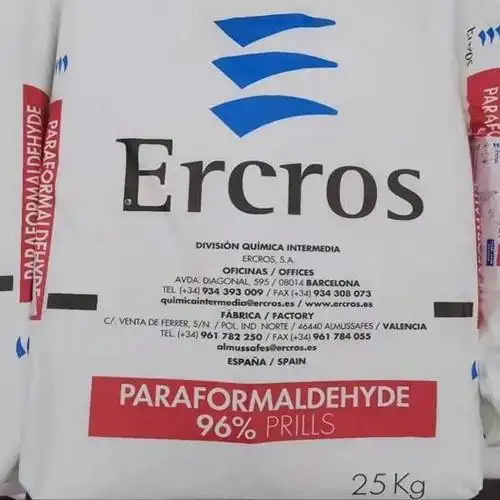
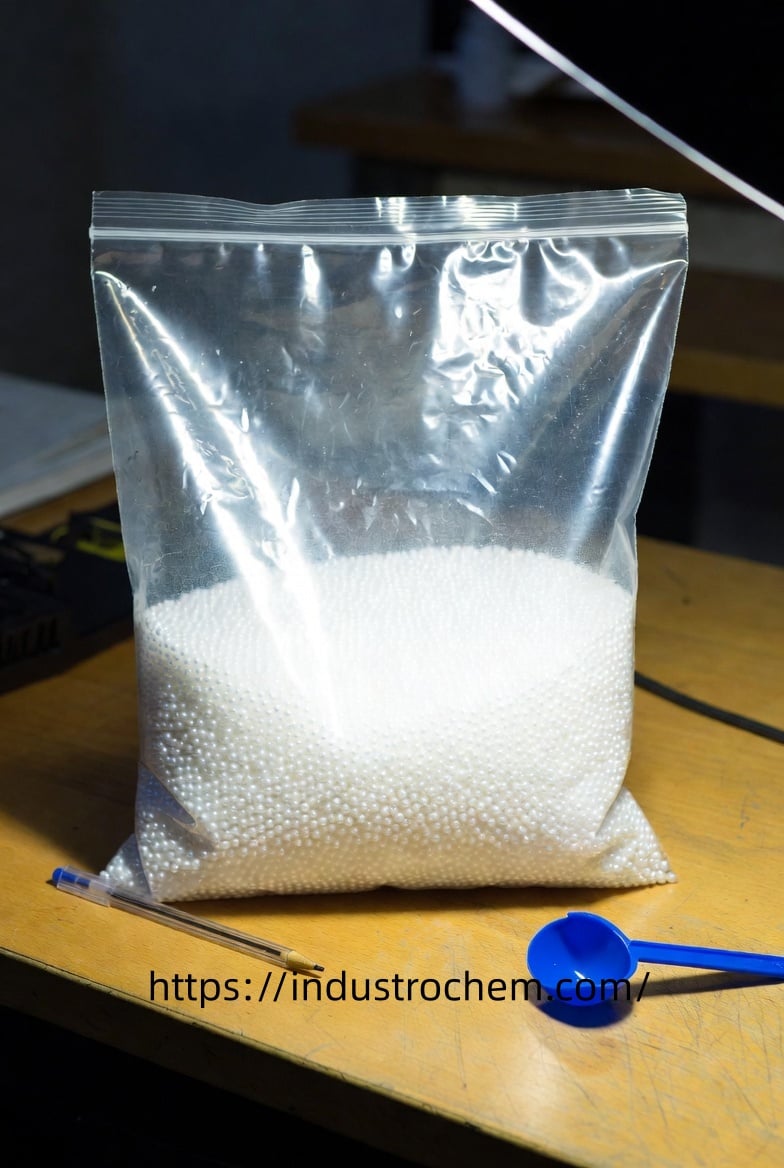
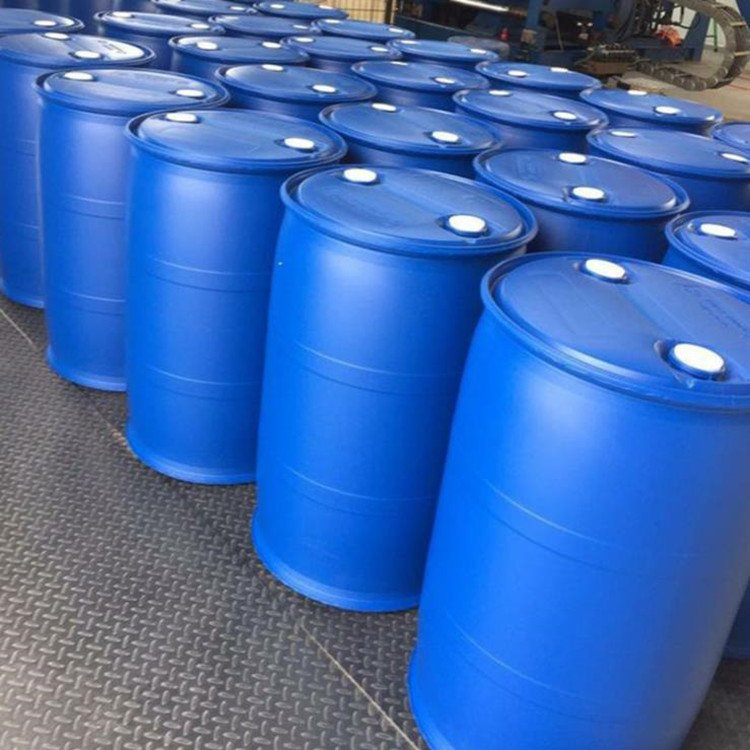
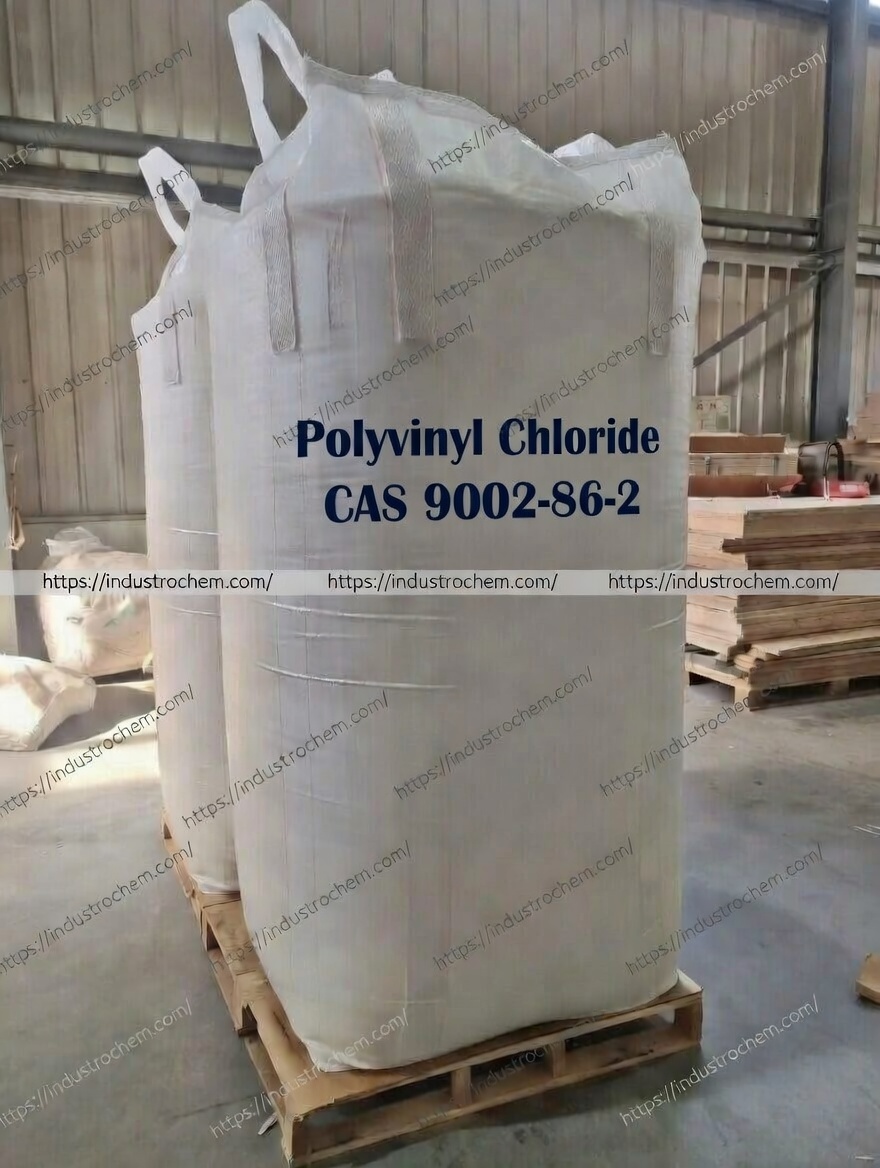
  • Package: 25kg/bag, 1000kg/jumbo bag
Request a quote
Share:

Product Description

Technical Data

Physicochemical PropertiesStandard Specification (Industrial Extrusion Grade)
AppearanceWhite micro-suspension powder
Purity (Resin Content)≥ 99.5%
K-Value65 – 68
Apparent Density0.45 – 0.55 g/cm³
Volatile Matter≤ 0.4%
Viscosity Number105 – 118 ml/g
Residual VCM (Vinyl Chloride Monomer)≤ 1.0 ppm
SolubilityInsoluble in water; soluble in tetrahydrofuran and cyclohexanone

Applications:

  • Industrial Piping & Profiles: Functions as the rigid base resin for manufacturing high-pressure water mains, industrial effluent pipes, and architectural window profiles via continuous extrusion.
  • Wire & Cable Jacketing: Formulated with specific plasticizers to produce flexible, flame-retardant insulating sheaths for heavy-duty industrial wiring and power transmission cables.
  • Chemical Storage & Linings: Extruded into impermeable sheets and membranes utilized for lining chemical storage tanks, owing to its superior resistance to inorganic acids and alkalis.

Storage & Safety:

  • Storage Conditions: Store in a cool, dry, well-ventilated warehouse environment away from direct sunlight, ambient heat sources, and incompatible materials such as strong oxidizers. Ambient storage temperatures should be maintained below 40°C to prevent thermal degradation.
  • Safety & Handling: Industrial operations generating polymer dust require local exhaust ventilation. Personnel must utilize NIOSH-approved particulate respirators, chemical safety goggles, and protective work clothing to prevent respiratory inhalation and mechanical eye irritation.

Quality Assurance:

Our manufacturing facility enforces rigorous quality control protocols aligned with ISO 9001 industrial standards. Every production batch is subjected to stringent laboratory analysis, utilizing gel permeation chromatography (GPC) to verify molecular weight distribution and automated capillary rheometry to assess processing stability. We maintain strict, continuous monitoring of residual vinyl chloride monomer (VCM) levels to guarantee the structural integrity and compliance of the polymer matrix with international industrial material safety specifications.

FAQ - Technical & Supply Chain

  • Q:

    How does the K-value indicate the molecular weight distribution of this Polyvinyl Chloride resin?

    A: The K-value directly correlates with the degree of polymerization and molecular weight of the chloroethylene polymer matrix. A K-value ranging from 65 to 68 typically indicates a medium molecular weight specifically suitable for rigid structural extrusion, whereas higher values denote greater mechanical strength intended for highly plasticized, flexible applications.
  • Q:

    Is this specific resin grade typically applied in unplasticized (UPVC) formulations or plasticized systems?

    A: This industrial grade is primarily intended for unplasticized formulations, functioning as the rigid continuous matrix in structural industrial profiles and high-pressure piping systems. It requires the precise addition of thermal stabilizers, impact modifiers, and internal lubricants within the compounding process prior to thermal extrusion.
Documents

Documents and Product Support

For product review and sourcing evaluation, supporting documents can be coordinated according to the product type, inquiry stage, and order requirements.

  • COA for batch-based quality reference
  • TDS for key physical and chemical information
  • SDS / MSDS for handling, storage, and safety reference
  • Packing information for sample, trial, and bulk orders
  • Technical communication based on application and specification requirements
Quotation

Information to Confirm Before Quotation

Clear sourcing information helps reduce specification mismatch and allows a more accurate quotation before sample or bulk order discussion.

  • Product name and CAS number
  • Application or intended end use
  • Required purity, grade, or specification
  • Sample quantity, trial order, or bulk demand
  • Preferred packing form or net weight
  • Destination country or port
  • Required documents or compliance expectations
Storage & Handling

Packaging, Storage, and Handling Notes

Packaging form, storage conditions, shelf life, and shipment arrangements should be confirmed according to the product characteristics, package size, and destination requirements.

Before order confirmation, buyers are advised to review the corresponding product documents and confirm whether any special storage, labeling, or handling requirements apply.

Supply Support

Sample, Bulk Order and Repeat Supply Support

Support can be arranged for sample discussion, bulk supply planning, packaging confirmation, and routine sourcing communication based on the actual product and order requirements.

For repeat-use formulations or long-term procurement plans, buyers may discuss specification consistency, packaging preferences, delivery expectations, and document coordination in advance.

Contact Form

Use our contact form to send us your questions, suggestions or comments. We will respond as soon as possible.