









Polyurethane CAS 9009-54-5 is a versatile macromolecular synthetic polymer formulated through the precise exothermic polyaddition reaction between diisocyanates and polyhydroxyl compounds. Operating extensively within the construction and coating chemicals category, this highly adaptable PU resin acts primarily as a cross-linked structural matrix and thermal insulator in rigid or semi-rigid configurations. The macromolecular network of cellular polyurethane provides exceptional mechanical load-bearing capacity and hydrolytic stability, making it a critical chemical component for continuous paneling and heavy-duty floor coatings. As a primary architectural polyurethane foam, the material exhibits superior resistance to non-polar solvents, abrasion, and mechanical fatigue when integrated into complex polyurethane elastomer matrices or industrial sealant systems. Our integrated synthesis infrastructure allows us to maintain competitive factory pricing for formulation engineers requiring customized specifications such as specific NCO/OH ratios, gel times, and viscosity profiles. We provide fully authenticated technical documentation, including MSDS, TDS, COA, with every global shipment to facilitate seamless quality audits and ensure strictly regulated bulk supply for large-scale continuous manufacturing processes.
Polyurethane CAS 9009-54-5
- CAS: 9009-54-5
- Synonyms: PU resin, Cellular polyurethane, Polyurethane foam, Polyurethane elastomer
- Einecs: 210-898-8
- Molecular Formula: (C3H8N2O)n
- Grade: Industrial Grade / Technical Grade
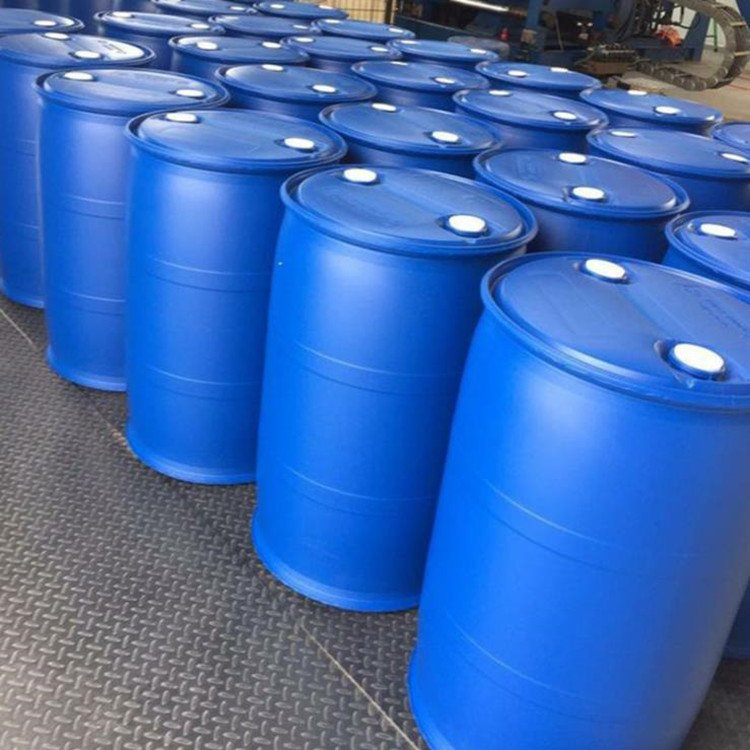
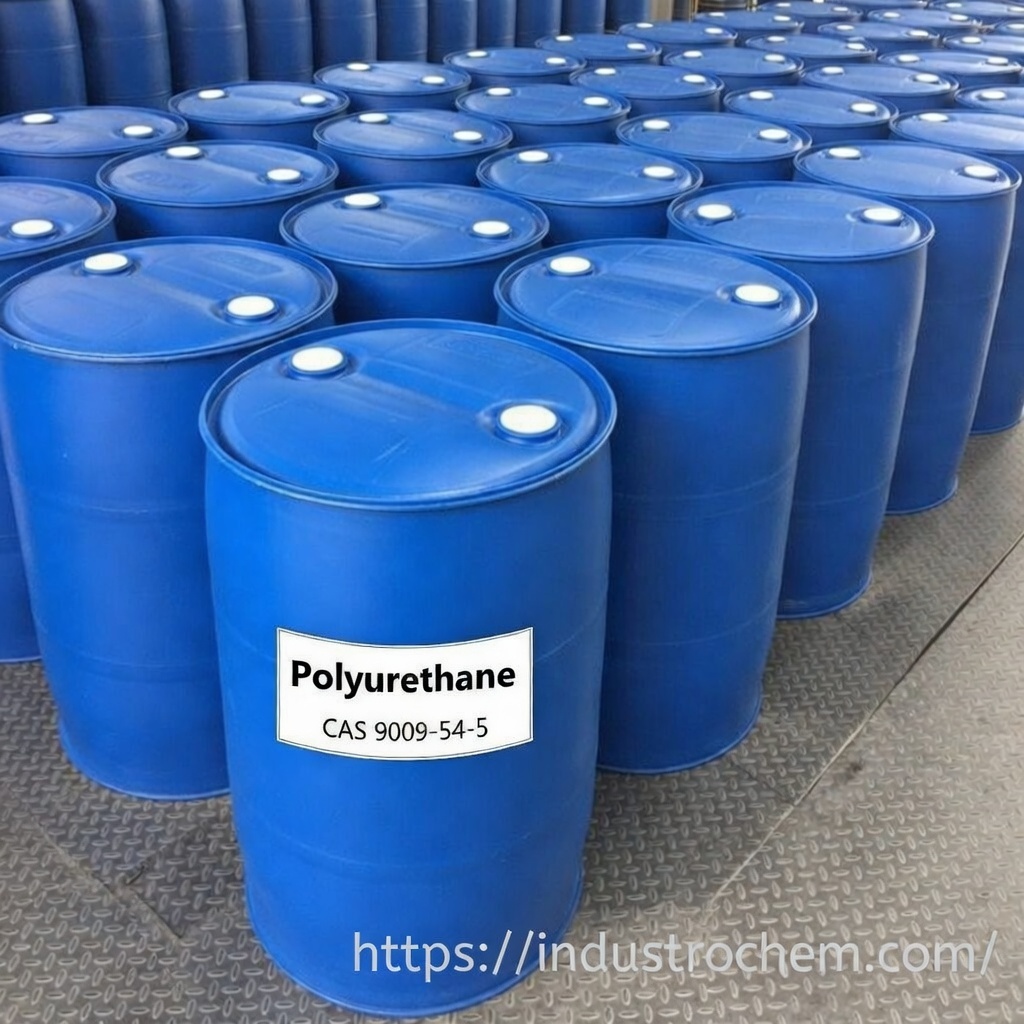
- Package: 200kg/iron drum, 1000kg/IBC drum, or bulk ISO tank
Product Description
Technical Data
| Properties | Specifications (Typical Liquid Prepolymer/Resin) |
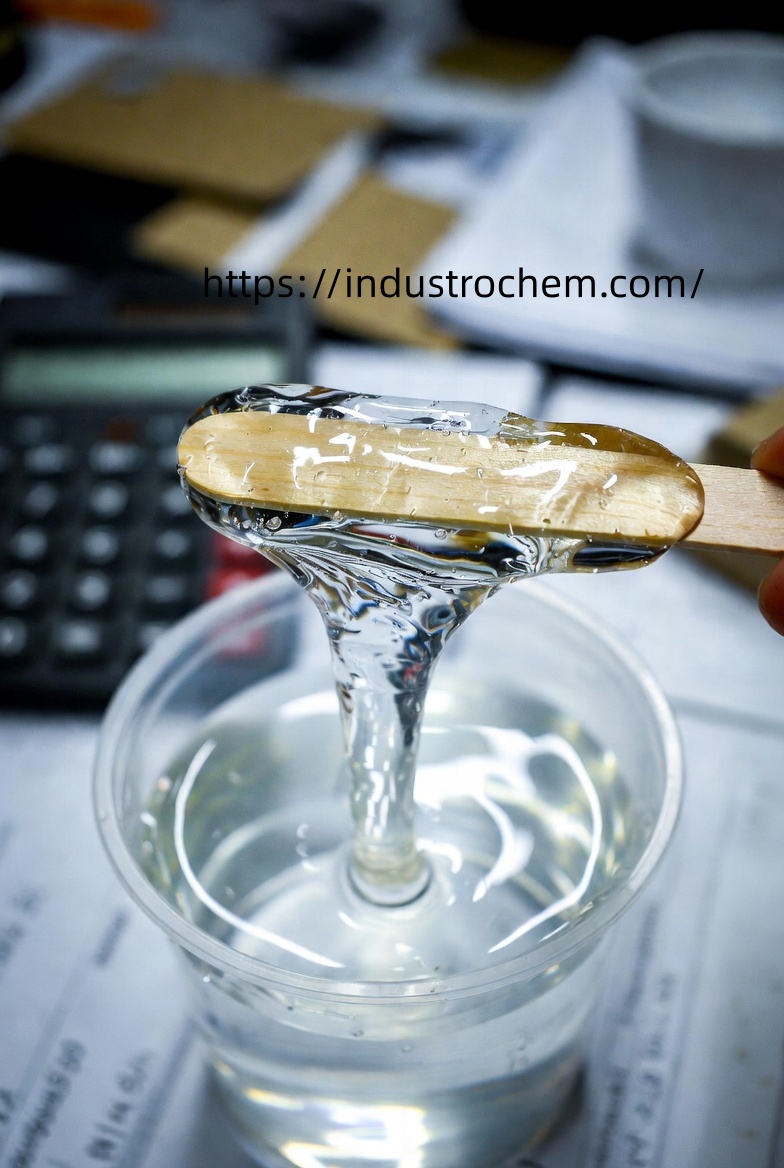
| Appearance | Clear to amber viscous liquid (pre-curing) |
| Solid Content | ≥ 99.0% |
| Density (at 25°C) | 1.05 – 1.20 g/cm³ |
| Viscosity (at 25°C) | 1000 – 3500 mPa·s |
| Free NCO Content | 3.5% – 6.5% (customizable) |
| Moisture Content | ≤ 0.05% |
| Flash Point | > 200°C |
| Cured Shore Hardness | 60A – 80D (depending on formulation) |
Applications
- Industrial Insulation: Formulated into rigid structural foams for cryogenic storage, heavy pipeline insulation, and refrigerated transport vehicles due to its extremely low thermal conductivity.
- Heavy-Duty Coatings: Utilized as the primary binder in two-component (2K) industrial floor coatings and anti-corrosion marine paints, providing high UV and chemical resistance.
- Elastomeric Components: Cast into high-wear industrial parts such as conveyor rollers, heavy-load wheels, and automotive suspension bushings that require high tensile strength and tear resistance.
Storage & Safety
- Storage: Store strictly in tightly sealed, moisture-proof containers within a dry, well-ventilated warehouse (15°C – 30°C). Atmospheric moisture will react with free isocyanate groups to release carbon dioxide, potentially causing pressure buildup and premature curing.
- Safety (PPE): Operators must wear chemical-resistant butyl gloves, full-face splash goggles, and NIOSH-approved organic vapor respirators. The uncured resin may cause respiratory and dermal sensitization; ensure robust local exhaust ventilation is active during decanting and mixing procedures.
Quality Assurance
Our polymer manufacturing facility employs advanced Fourier-transform infrared spectroscopy (FTIR) to monitor the exact degree of isocyanate conversion and polyaddition completion during batch synthesis. Each production run undergoes rigorous titration to determine the exact Free NCO% and automated rotational viscometry testing, ensuring predictable reaction kinetics and consistent physical properties for downstream industrial processors.
FAQ - Technical & Supply Chain
-
Q:
How is the reactive identity and functional group stability of Polyurethane CAS 9009-54-5 quantified prior to shipment?
A: The chemical identity and reactivity of the prepolymer are verified through strict di-n-butylamine titration to measure the exact free isocyanate (NCO) content. This ensures the polymer chain length and reactive potential strictly match the target molecular weight distribution, distinguishing it from fully reacted inert plastics. -
Q:
Is this specific polymer matrix intended for formulation into solvent-borne or 100% solid industrial coating systems?
A: This technical-grade material is engineered primarily for 100% solid or high-solids two-component (2K) reactive systems. It is commonly used where low-VOC or zero-VOC formulations are required, serving as the reactive binder that cures upon exposure to ambient moisture or a designated polyamine crosslinker.
Documents and Product Support
For product review and sourcing evaluation, supporting documents can be coordinated according to the product type, inquiry stage, and order requirements.
- COA for batch-based quality reference
- TDS for key physical and chemical information
- SDS / MSDS for handling, storage, and safety reference
- Packing information for sample, trial, and bulk orders
- Technical communication based on application and specification requirements
Information to Confirm Before Quotation
Clear sourcing information helps reduce specification mismatch and allows a more accurate quotation before sample or bulk order discussion.
- Product name and CAS number
- Application or intended end use
- Required purity, grade, or specification
- Sample quantity, trial order, or bulk demand
- Preferred packing form or net weight
- Destination country or port
- Required documents or compliance expectations
Packaging, Storage, and Handling Notes
Packaging form, storage conditions, shelf life, and shipment arrangements should be confirmed according to the product characteristics, package size, and destination requirements.
Before order confirmation, buyers are advised to review the corresponding product documents and confirm whether any special storage, labeling, or handling requirements apply.
Sample, Bulk Order and Repeat Supply Support
Support can be arranged for sample discussion, bulk supply planning, packaging confirmation, and routine sourcing communication based on the actual product and order requirements.
For repeat-use formulations or long-term procurement plans, buyers may discuss specification consistency, packaging preferences, delivery expectations, and document coordination in advance.


Emulsifier-MPEG-350-CAS-9004-74-4-1.jpg)