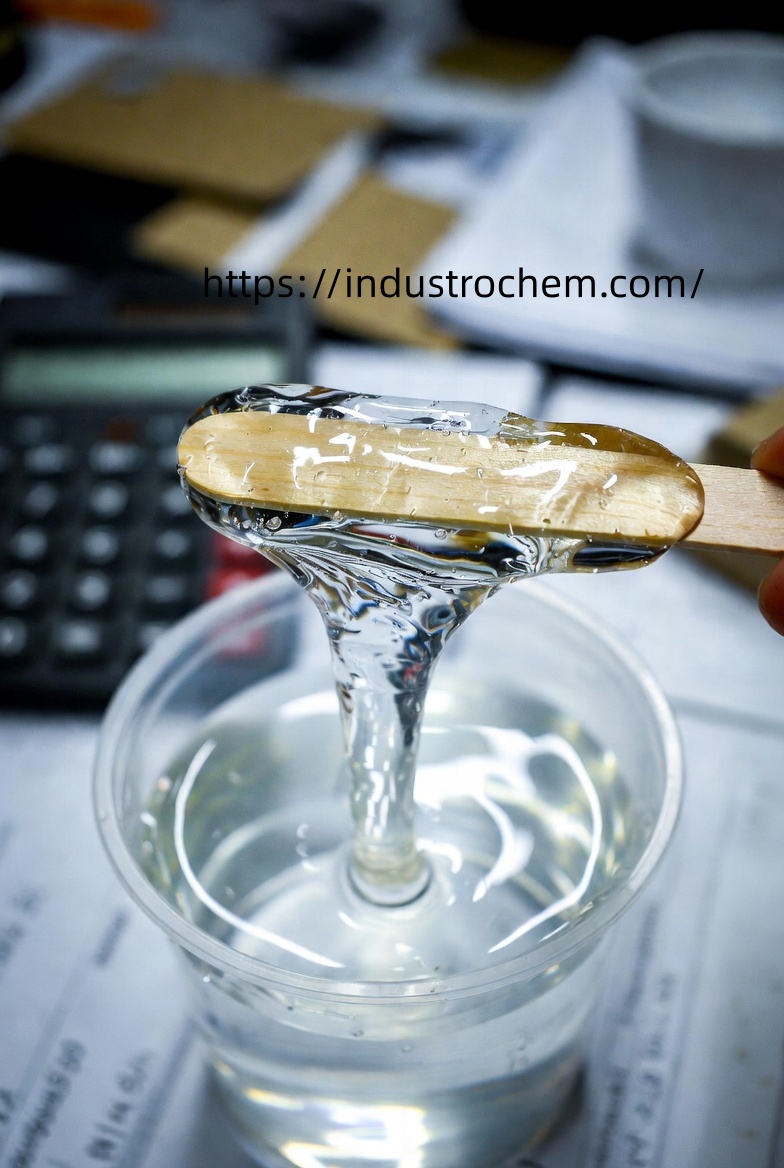
Styrene-acrylic emulsion is a versatile water-based copolymer dispersion categorized under Construction and coating chemicals, engineered primarily as a high-efficiency binding agent for industrial surface treatments. This aqueous polymer, often identified as a styrene acrylate copolymer, functions through a coalescing mechanism to form a durable, water-resistant film characterized by excellent alkali resistance and UV stability. Within the chemical production chain, it is utilized as a fundamental raw material for formulating exterior wall paints, high-elasticity waterproof coatings, and adhesive interlayers where superior mechanical strength and adhesion to mineral substrates are required. The material’s chemical structure provides a balanced ratio of hard styrene monomers and soft acrylate monomers, ensuring optimal flexibility and weatherability in harsh environments. We provide this essential industrial ingredient with competitive factory pricing to support global infrastructure and manufacturing projects, offering customized specifications regarding solid content and glass transition temperature (Tg). To facilitate seamless international logistics and compliance, all shipments are accompanied by MSDS, TDS, COA documentation, ensuring reliable bulk supply for large-scale coating production lines.
Styrene-acrylic CAS 25085-34-1
- CAS: 25085-34-1
- Synonyms: Styrene Acrylate Copolymer, Styrene-Acrylic Resin Dispersion, Benzene-Acrylic Emulsion, Polymerized Styrene-Acrylic Binder, Styrene Acrylic Latex
- Einecs: 607-531-3
- Molecular Formula: (C8H8.C3H4O2)x
- Grade: Coating / Industrial Grade
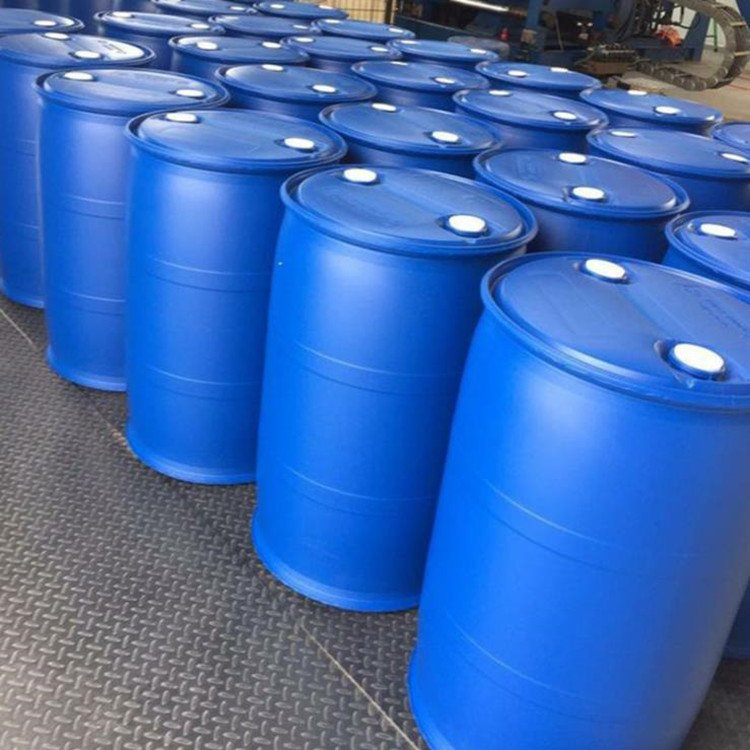
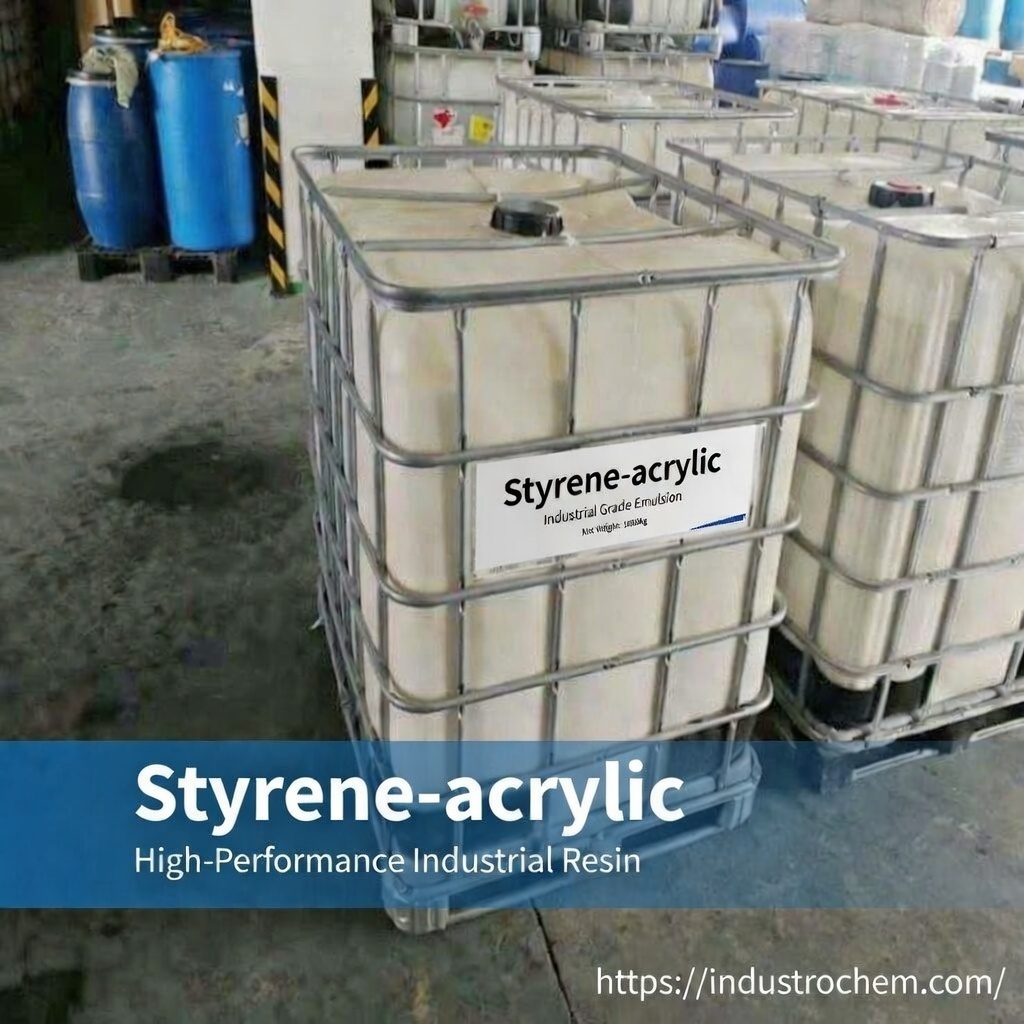
- Package: 200kg/drum or 1000kg/IBC drum
Product Description
Technical Data
| Physicochemical Properties | Specification (Typical Data) |
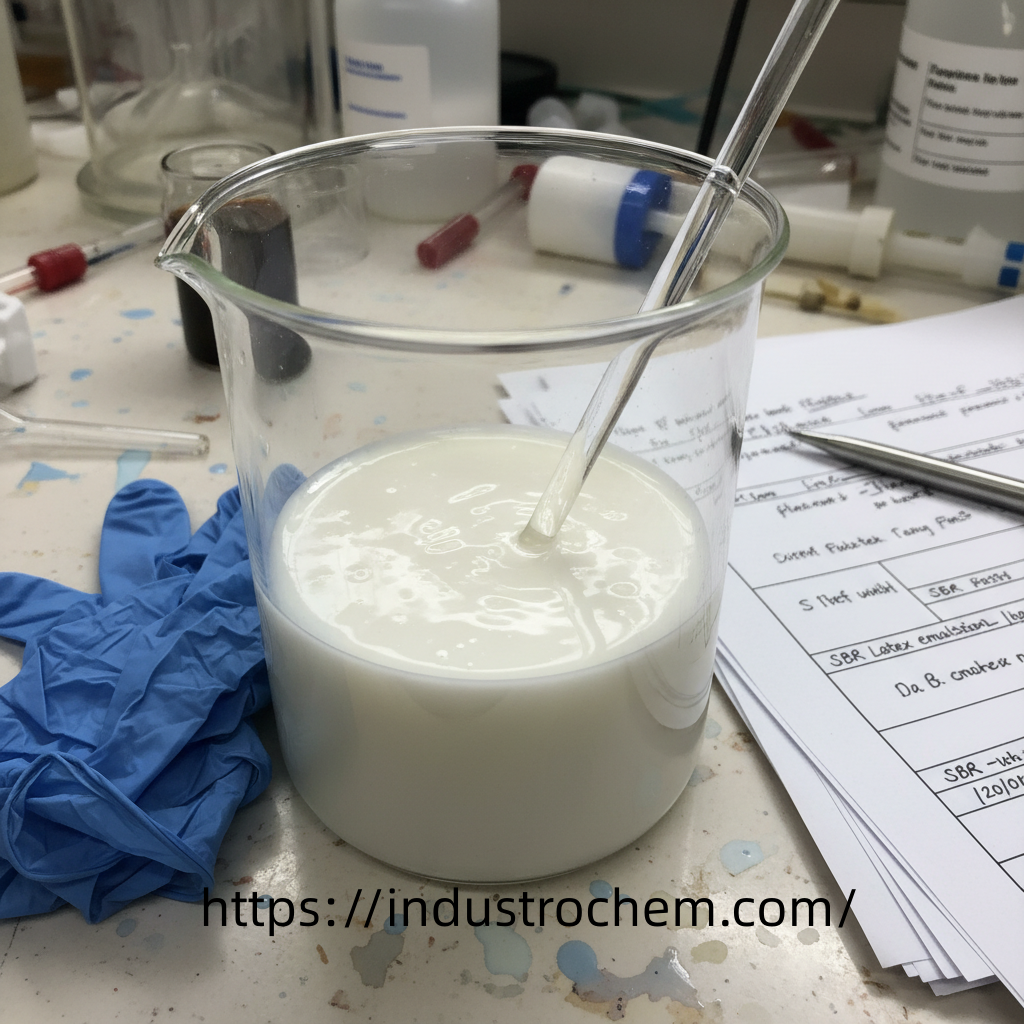
| Appearance | Milky white liquid with slight blue tint |
| Solid Content | 48.0% ± 1.0% |
| pH Value | 7.0 – 9.0 |
| Viscosity (Brookfield, 25°C) | 500 – 2000 mPa·s |
| Glass Transition Temp (Tg) | Approx. 20°C |
| Minimum Film Forming Temp (MFFT) | ≤ 18°C |
| Ionicity | Anionic |
Applications
- Architectural Coatings: Primary binder for interior and exterior latex paints, providing scrub resistance and color retention.
- Construction Waterproofing: Used in the formulation of JS waterproof coatings and flexible cementitious mortars.
- Paper & Textile Processing: Applied as a coating pigment binder and sizing agent to improve surface strength and water resistance.
- Industrial Adhesives: Utilized in the production of wood glues and pressure-sensitive adhesives for industrial packaging.
Storage & Safety
- Storage: Keep in a pressurized-free, airtight container. Store in a shaded, dry area at temperatures between 5°C and 35°C. Prevent freezing, as the emulsion is non-recoverable after de-emulsification.
- Safety (PPE): Use standard industrial PPE, including safety glasses and nitrile gloves. Ensure localized exhaust ventilation during high-speed stirring or blending to avoid inhalation of residual monomers.
Quality Assurance
Our manufacturing process for Styrene-acrylic dispersions employs advanced emulsion polymerization technology with automated temperature control to ensure precise molecular weight distribution. Quality control protocols include particle size analysis, residual monomer testing, and long-term mechanical stability checks. We adhere to stringent industrial standards to ensure that every IBC delivery maintains consistent rheological properties for the end-user’s formulation.
FAQ - Technical & Supply Chain
-
Q:
How can the identity of CAS 25085-34-1 be distinguished from pure acrylic emulsions in industrial procurement?
A: CAS 25085-34-1 specifically denotes the copolymerization of styrene and acrylic monomers. This can be verified via Infrared (IR) Spectroscopy showing the characteristic aromatic ring vibration of styrene alongside the ester carbonyl groups of the acrylates. The presence of styrene typically imparts higher water resistance and hardness compared to pure acrylic variants. -
Q:
Is this styrene-acrylic dispersion intended for use in cement-based modification?
A: Yes, this grade is typically applied as a polymer modifier for cementitious systems. It is engineered with high calcium ion stability, allowing it to remain stable when mixed with Portland cement, thereby enhancing the tensile strength and impermeability of the resulting mortar or concrete overlay.
Documents and Product Support
For product review and sourcing evaluation, supporting documents can be coordinated according to the product type, inquiry stage, and order requirements.
- COA for batch-based quality reference
- TDS for key physical and chemical information
- SDS / MSDS for handling, storage, and safety reference
- Packing information for sample, trial, and bulk orders
- Technical communication based on application and specification requirements
Information to Confirm Before Quotation
Clear sourcing information helps reduce specification mismatch and allows a more accurate quotation before sample or bulk order discussion.
- Product name and CAS number
- Application or intended end use
- Required purity, grade, or specification
- Sample quantity, trial order, or bulk demand
- Preferred packing form or net weight
- Destination country or port
- Required documents or compliance expectations
Packaging, Storage, and Handling Notes
Packaging form, storage conditions, shelf life, and shipment arrangements should be confirmed according to the product characteristics, package size, and destination requirements.
Before order confirmation, buyers are advised to review the corresponding product documents and confirm whether any special storage, labeling, or handling requirements apply.
Sample, Bulk Order and Repeat Supply Support
Support can be arranged for sample discussion, bulk supply planning, packaging confirmation, and routine sourcing communication based on the actual product and order requirements.
For repeat-use formulations or long-term procurement plans, buyers may discuss specification consistency, packaging preferences, delivery expectations, and document coordination in advance.


Emulsifier-MPEG-350-CAS-9004-74-4-1.jpg)