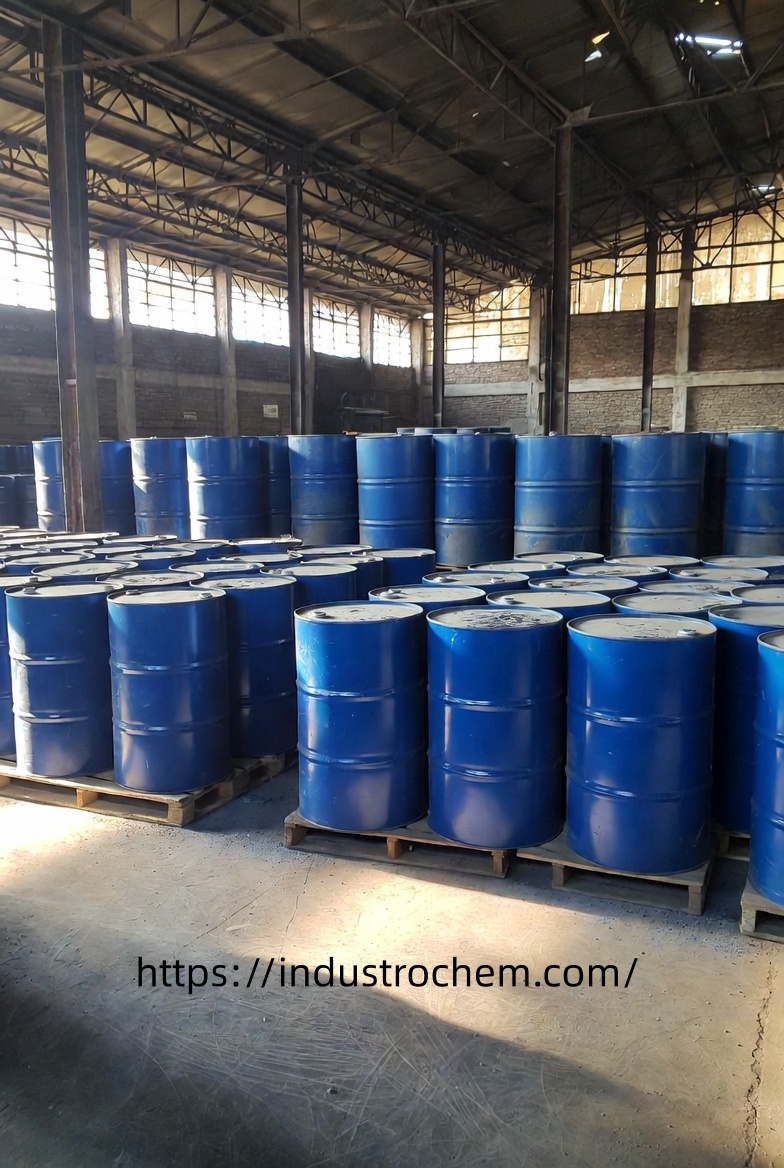
Epoxy Resin (Bisphenol A), also called DGEBA resin, CAS 61788-97-4, is a liquid epoxy prepolymer supplied for coatings, adhesives, casting, composites and electrical insulation. Confirm the required EEW, viscosity and grade, then request a quotation with COA/TDS/SDS for bulk supply.
Epoxy Resin (Bisphenol A) CAS 61788-97-4
- CAS: 61788-97-4
- Synonyms: Bisphenol A diglycidyl ether polymer, DGEBPA resin, Phenol 4,4'-(1-methylethylidene)bis- polymer with (chloromethyl)oxirane, Epoxy resin E-51, Epoxy resin 828, Liquid epoxy resin
- Molecular Formula: (C₁₅H₁₆O₂·C₃H₅ClO)ₙ
- Grade: Industrial Grade, Electronic Grade (E-51 / E-44 type equivalents).
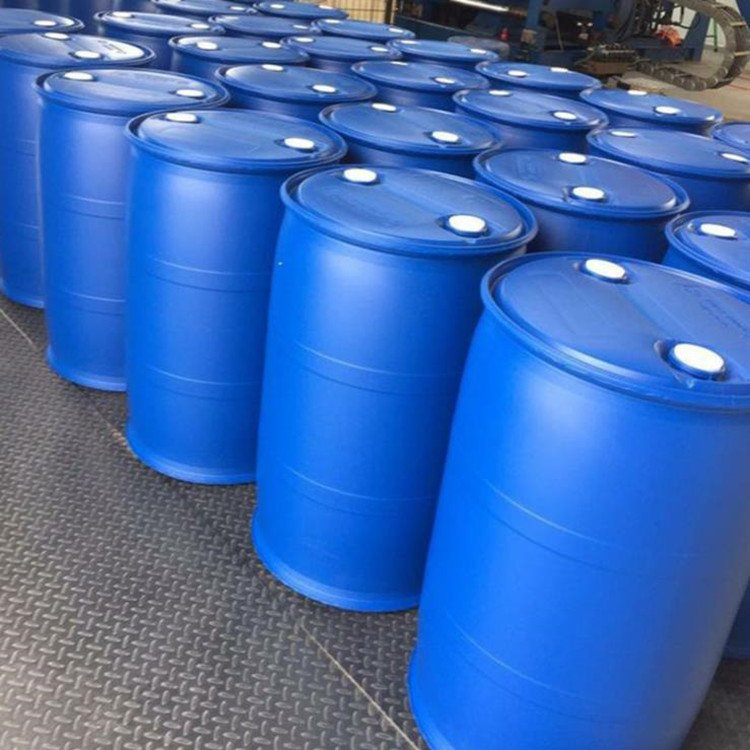
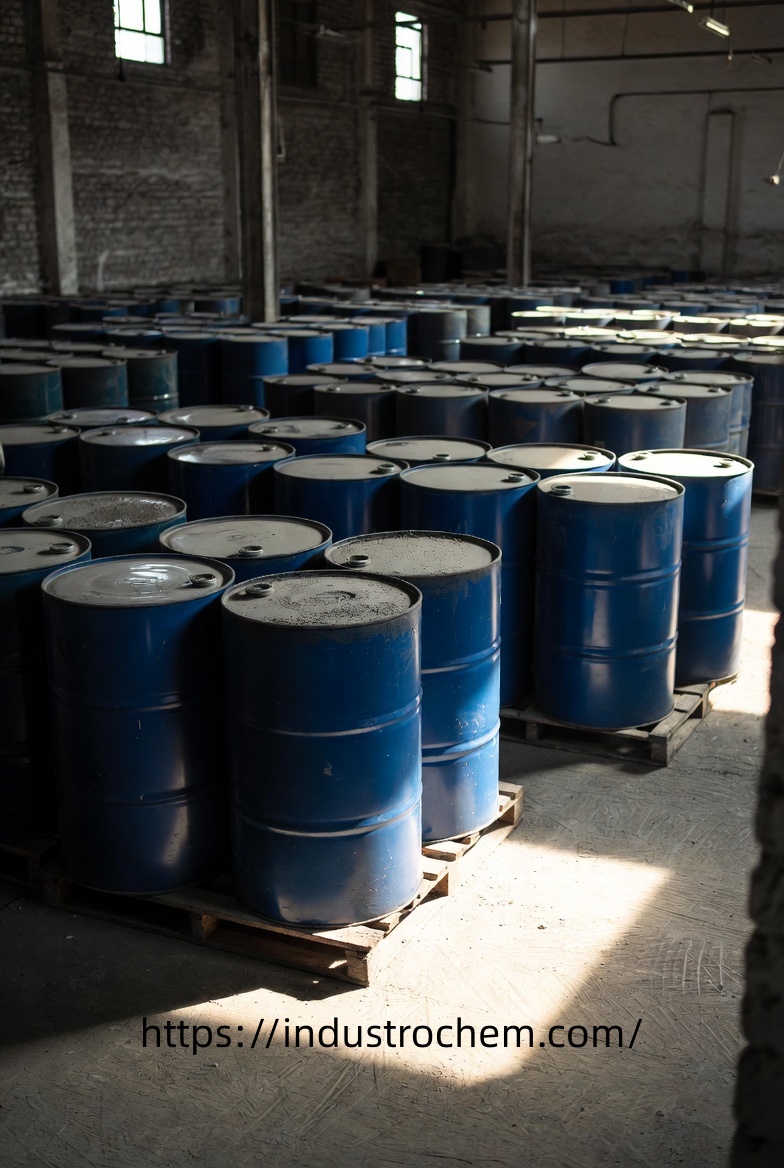
- Package: 220kg Iron Drum or 1.15MT IBC Tank.
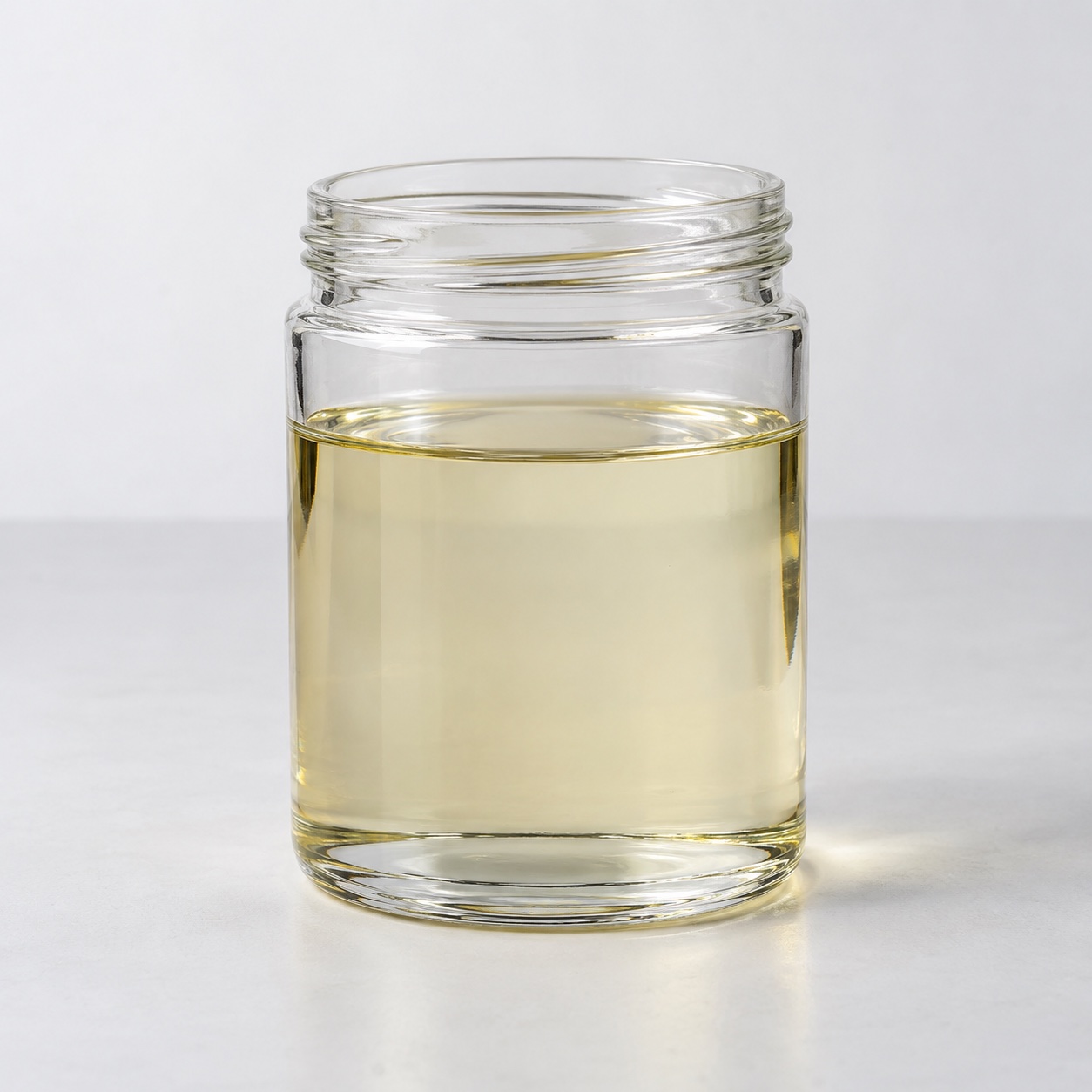
Product Description
Epoxy Resin (Bisphenol A) CAS 61788-97-4 is a general-purpose liquid epoxy prepolymer based on bisphenol A diglycidyl ether, also known as DGEBA or DGEBPA resin, with repeat-unit formula (C15H16O2·C3H5ClO)n.
Synonyms: Bisphenol A diglycidyl ether polymer; DGEBPA resin; Phenol 4,4′-(1-methylethylidene)bis- polymer with (chloromethyl)oxirane; Epoxy resin E-51; Epoxy resin 828; Liquid epoxy resin.
CAS: 61788-97-4.
As a thermosetting prepolymer, it is described by its repeat-unit formula and epoxide equivalent weight (EEW) rather than a single fixed molecular weight.
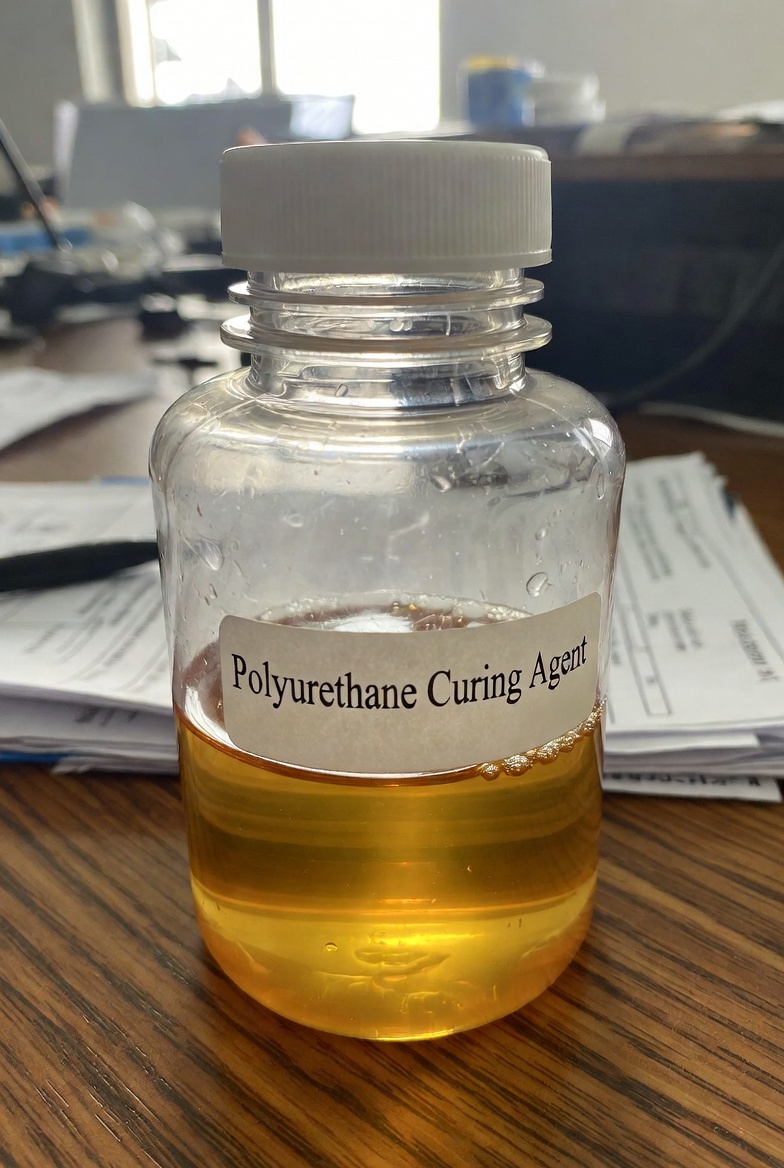
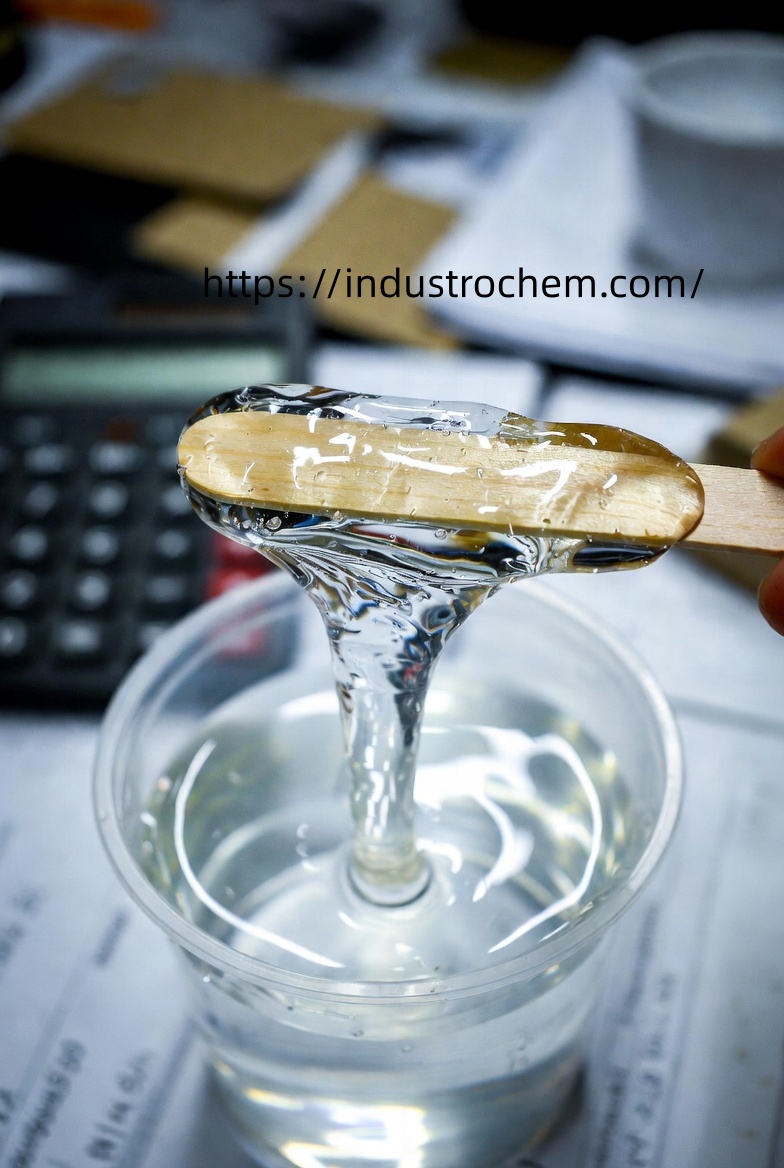
It appears as a clear, viscous liquid at room temperature.
A standard liquid grade, equivalent to E-51/828/128 types, typically has an epoxide equivalent weight of about 184–194 g/eq.
It has high reactivity and bonds well to substrates such as metal, concrete and glass.
It can be cured with polyamine, polyamide or anhydride hardeners to suit different processing and environmental conditions.
Low hydrolyzable chlorine grades reduce ionic contamination and are preferred for electronic encapsulation and high-end anticorrosion applications.
Typical applications include protective and anticorrosive coatings, structural adhesives, casting and potting compounds.
It is also used for fiber-reinforced composites, laminates and electrical insulation.
E-51 grade wets and impregnates more easily, while E-44 grade has higher viscosity and molecular weight for formulations needing more body.
Store in a cool, dry, well-ventilated area in tightly closed containers away from moisture, heat and ignition sources.
Protect from moisture and keep containers closed when not in use.
Confirm appearance, epoxide equivalent weight, viscosity, hydrolyzable chlorine and color as required.
Use suitable eye and skin protection during handling, and wash skin contact with soap and water.
Confirm packaging with the requested quantity and destination requirements.
The page is an RFQ entry point and does not state stock, price, MOQ or fixed lead time.
For an RFQ, state the intended application, required EEW, viscosity, grade, quantity, packaging, destination and document needs.
FAQ - Technical & Supply Chain
-
Q:
What is Epoxy Resin Bisphenol A CAS 61788-97-4?
A: It is a general-purpose liquid epoxy resin based on bisphenol A diglycidyl ether, supplied as a viscous thermosetting prepolymer. The product is used in coatings, adhesives, casting, laminates, composites, and electrical insulation. -
Q:
What is the difference between E-51 and E-44 epoxy resin?
A: E-51, equivalent to international 828 or 128 types, has a lower epoxide equivalent weight and lower viscosity, so it wets and impregnates more easily. E-44, equivalent to 6101 type, has higher viscosity and higher molecular weight, making it suitable for formulations that need more body or different mechanical properties. -
Q:
Does bisphenol A epoxy resin cure by itself?
A: No. CAS 61788-97-4 is a prepolymer and remains uncured until mixed with a hardener. Polyamines and polyamides are common for room-temperature or moderate-temperature cure, while anhydrides are used for higher-temperature electrical and electronic systems. -
Q:
Why is low hydrolyzable chlorine content important for electronic grade epoxy resin?
A: Residual hydrolyzable chlorine can harm electrical insulation and promote corrosion in electronic encapsulation. Low-chlorine grades reduce ionic contamination, improve long-term reliability, and are preferred for high-end coatings, potting, and electronic applications. -
Q:
What are the main applications of Epoxy Resin Bisphenol A CAS 61788-97-4?
A: Typical applications include protective and anticorrosive coatings, structural adhesives, casting and potting compounds, fiber-reinforced composites, laminates, and electrical insulation. The grade is selected by EEW, viscosity, reactivity, and final cured-property requirements.
Ordering & Documentation
Key information for document requests, quotations, and supply planning.
Documents
Tell us which documents your procurement team needs. Before an order, we will check whether the quoted source can provide them for the offered lot.
Quotation
Send the CAS number, grade, quantity, packing preference and destination.
Sample & Supply
Ask whether samples, trial quantities or repeat orders are possible. We will check each request against the sourced product and current offer.
Storage & Shipping
Product-specific conditions are confirmed before order.