









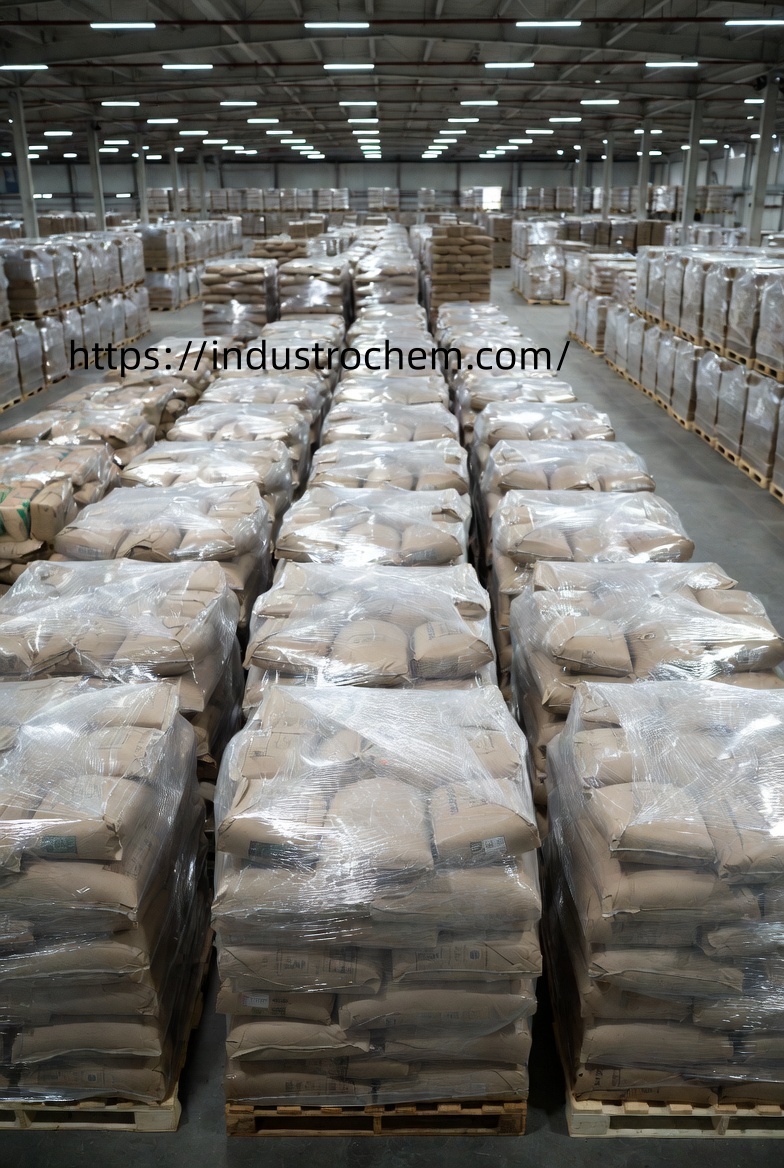
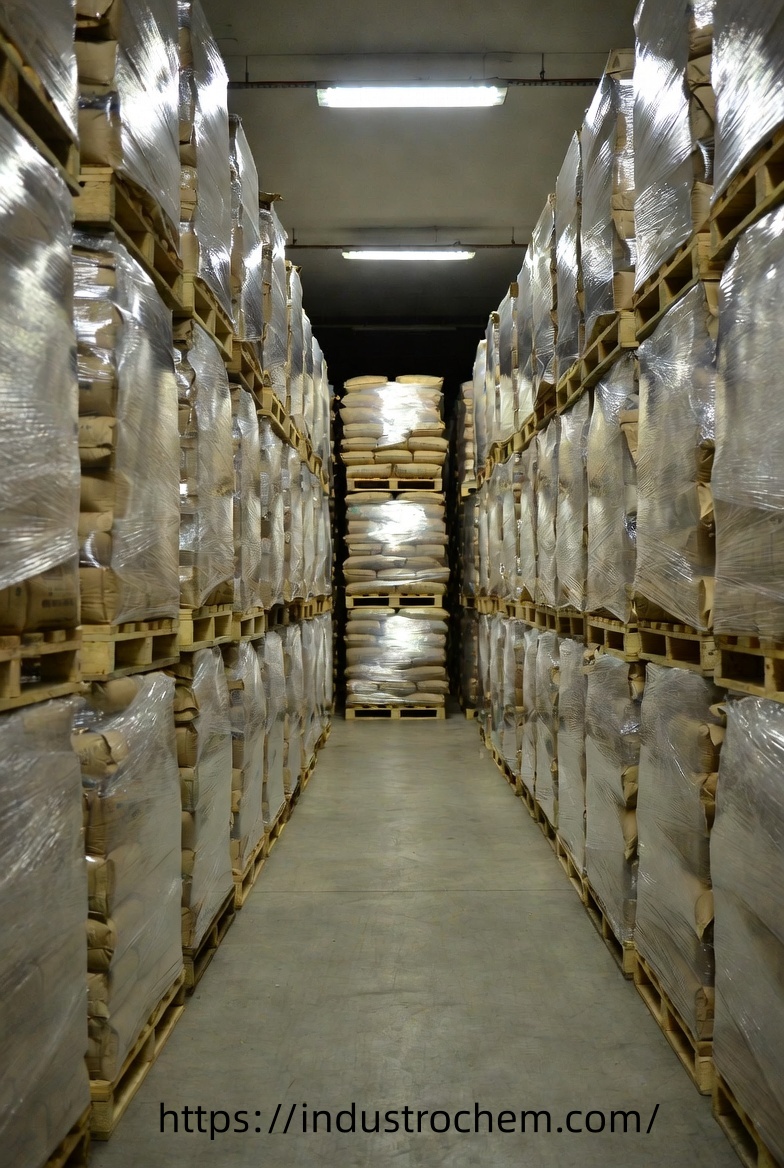
Hydroxypropyl Starch Ether (HPS) CAS 9049-76-7 is a non-ionic, water-soluble polymer chemically defined as the 2-hydroxypropyl ether of starch , functioning primarily as a thickening and rheology-modifying agent in cement and gypsum-based dry-mix mortars. Distinct from standard cellulose ethers (like HPMC), this fine white powder is designed to improve the sag resistance (anti-slip properties) and workability of tile adhesives and skim coats without significantly increasing the water demand. It is typically utilized as a cost-effective co-thickener to enhance the spreadability and reduce the stickiness of troweling compounds. We provide professional access to this material with competitive factory pricing and the ability to meet customized specifications (varying viscosity grades typically 300-1000 mPa.s) for various manufacturing requirements. Our commitment to technical transparency ensures that every shipment is accompanied by comprehensive MSDS, TDS, COA documentation to support your quality assurance protocols, and we maintain capacity for consistent bulk supply to facilitate large-scale industrial operations.
Hydroxypropyl Starch Ether (HPS)CAS 9049-76-7
- CAS: 9049-76-7
- Synonyms: HPS, Starch 2-hydroxypropyl ether, Modified Starch Ether, Hydroxypropyl starch, Construction Starch Ether
- Grade: Construction Grade, Oil Drilling Grade, Industrial Grade.
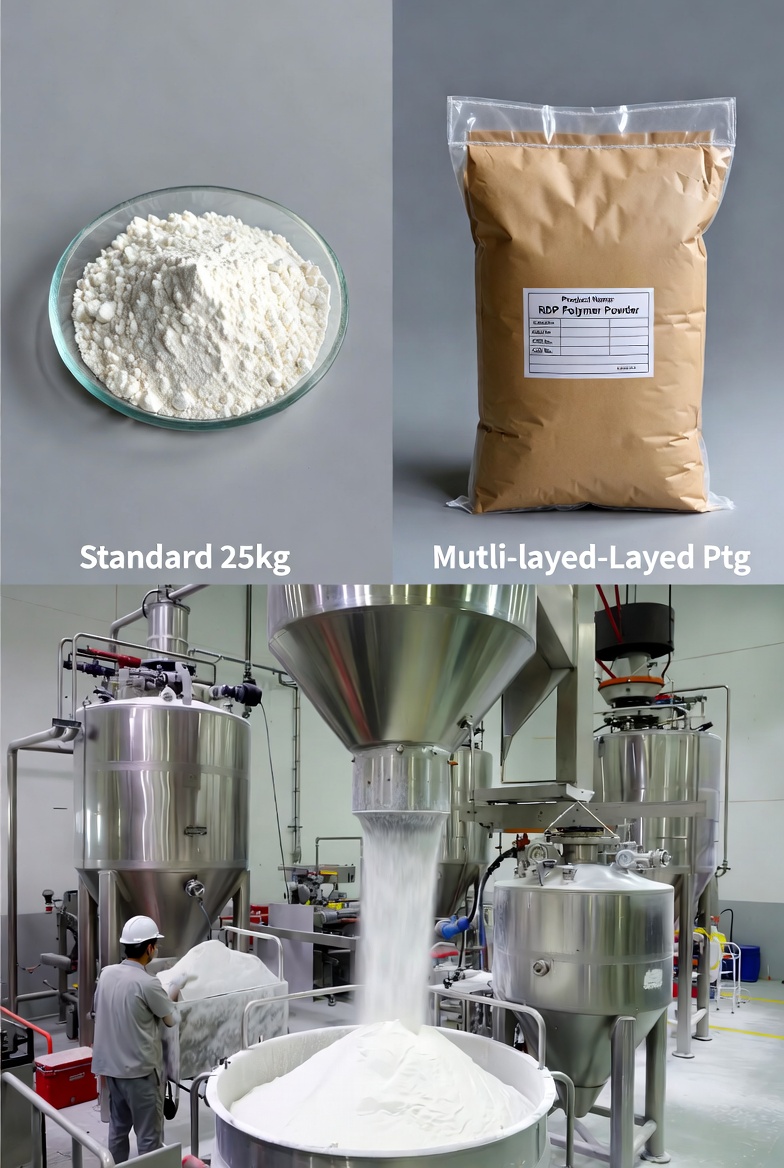
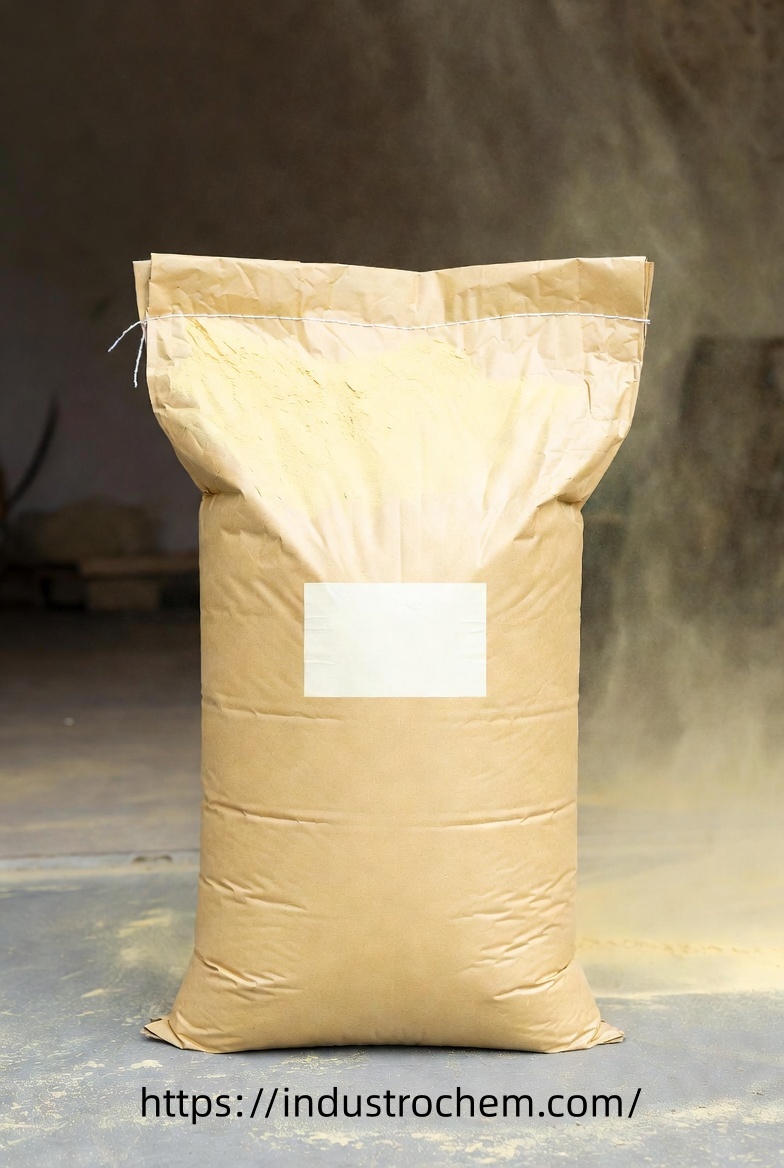
- Package: 25kg Multi-ply Paper Bag (with PE liner) or 600kg Big Bag.
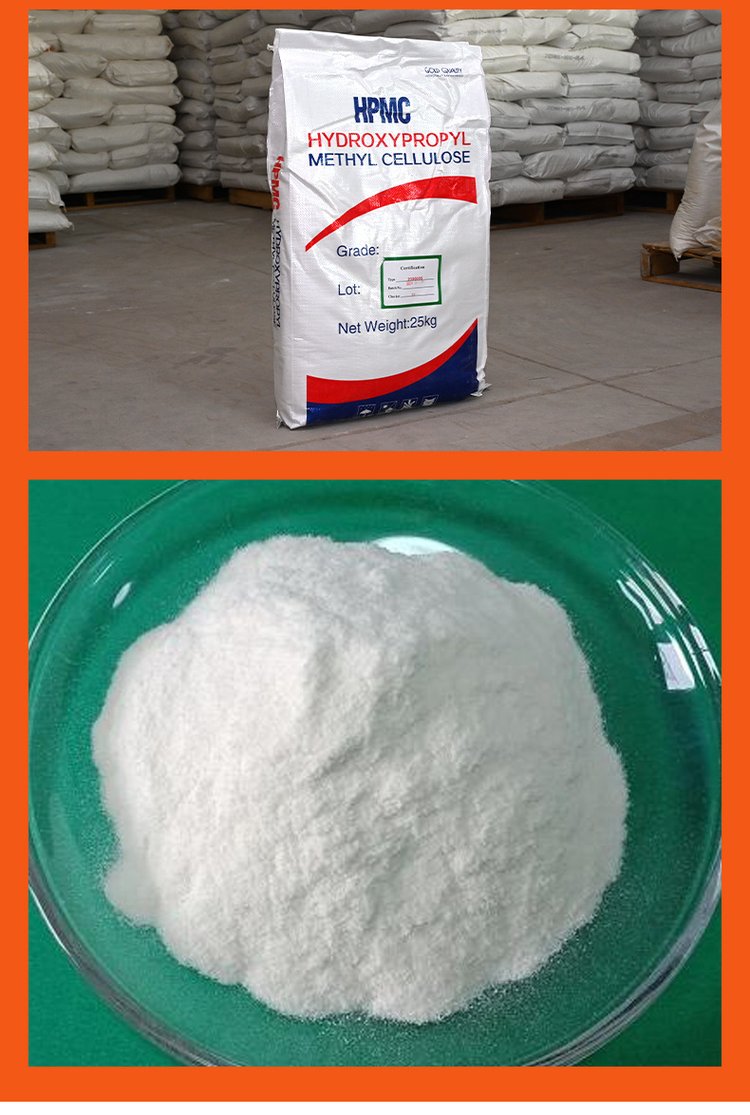
Product Description
Hydroxypropyl Starch Ether (HPS) is a non-ionic starch derivative produced through chemical modification of natural starch. It is designed to function as a highly effective thickening and rheology-modifying agent in water-based systems. Due to its unique etherification process, HPS offers superior stability, water solubility, and compatibility with other additives compared to native starch.
It is widely employed as a critical additive in dry-mix mortars and oilfield drilling fluids. When used in conjunction with cellulose ethers (like HPMC), HPS significantly improves the sag resistance and workability of the material, reducing the dosage of more expensive additives while enhancing performance.
Looking for a specific viscosity or substitution degree? 📧 Email: info@industrochem.com
Our HPS powder is processed to ensure rapid dispersion in cold water without clumping, making it ideal for modern industrial mixing processes.
Physicochemical Properties (Technical Data)
The following specifications reflect our Standard Construction & Drilling Grade, typical of high-quality Chinese export standards.
Applications
| Property | Specification |
|---|---|
| Appearance | White to Off-white Free-flowing Powder |
| Hydroxypropyl Content | |
| Moisture / Loss on Drying | |
| pH Value (5% Solution) | 8.0 – 10.5 |
| Viscosity (5% Sol., 20°C) | 500 – 2000 mPa.s (Customizable) |
| Ash Content | |
| Fineness (Passing 80 Mesh) | |
| Solubility | Soluble in cold water |
| Stability | Resistant to enzymatic degradation |
Hydroxypropyl Starch Ether is a versatile additive tailored for specific industrial needs:
1. Construction Materials (Dry-mix Mortars):
- Tile Adhesives: Acts as a thickening agent to improve anti-sagging properties (slip resistance), allowing heavy tiles to be fixed vertically without sliding.
- Wall Putty & Plasters: Enhances surface smoothness, reduces stickiness to tools, and improves the overall workability and open time.
- EIFS Systems: Works synergistically with Cellulose Ethers (HPMC/HEC) to reduce formulation costs while maintaining water retention.
2. Oil & Gas Industry (Drilling Fluids):
- Filtration Control: Used as a fluid loss control agent in water-based drilling muds. It creates a thin, impermeable filter cake that stabilizes the borehole wall.
- Rheology Modifier: Helps maintain viscosity and suspension properties in drilling fluids, even under high-temperature conditions.
3. Textile & Papermaking:
- Sizing Agent: Used in textile sizing to improve the wear resistance of fibers and in paper coating to enhance surface strength and printability.
Quality Assurance (QA/QC)
At Industrochem, quality stability is our priority. Our facility operates under ISO 9001:2015 standards with rigorous batch testing:
- Rheological Testing: We utilize Brookfield Viscometers to strictly control the viscosity profile. This ensures that the thickening effect remains consistent from one shipment to the next, preventing “watery” or “too thick” batches for your end-users.
- Substitution Control: The degree of hydroxypropyl substitution is monitored via chemical analysis. This parameter is crucial as it dictates the solubility and enzymatic resistance of the starch ether.
- Purity Checks: Every batch is screened for ash content and moisture to ensure you are paying for active product, not fillers or water.
Storage, Handling & Safety
Storage Conditions:
- Moisture Sensitivity: Starch ethers are hygroscopic (absorb moisture). Store in a dry, well-ventilated area indoors.
- Packaging: Keep bags tightly closed when not in use. Once opened, the product should be used quickly or resealed effectively to prevent caking.
- Shelf Life: 24 months under proper storage conditions.
Safety Precautions (HSE):
- Dust Hazard: As an organic powder, HPS can form combustible dust clouds if suspended in air in high concentrations. Avoid open flames or sparks in handling areas.
- Spill Management: Spilled powder becomes extremely slippery when wet. Clean up dry spills immediately; do not flush with water initially.
- PPE Recommendations:
- Respiratory: Use a NIOSH-approved dust mask (N95/P2) to prevent inhalation of fine particles.
- Eyes: Safety glasses with side shields.
- Skin: Standard work gloves and clothing. The product is generally non-irritating but hygiene practices should be followed.
Enhance your mortar and drilling fluid performance.
Source cost-effective, high-quality Hydroxypropyl Starch Ether directly from the manufacturer.
👉 Get a Quote: info@industrochem.com
FAQ - Technical & Supply Chain
-
Q:
Can Hydroxypropyl Starch Ether (HPS) completely replace HPMC in tile adhesives?
A: No. HPS is generally not a substitute for HPMC (Hydroxypropyl Methyl Cellulose) but rather a supplementary additive. HPMC is essential for "Water Retention" to ensure the cement cures properly. HPS is added (typically at 5-15% of the HPMC dosage) specifically to improve "Rheology"—providing better anti-sagging properties for heavy tiles and a smoother, buttery texture for easier troweling. -
Q:
Does this additive affect the setting time of the mortar?
A: Generally, no. Unlike some ionic additives or sugars that can retard cement setting, non-ionic Hydroxypropyl Starch Ether has a neutral effect on the hydration kinetics of cement and gypsum, making it safe to use without altering the curing schedule of the final construction material.
Documents and Product Support
For product review and sourcing evaluation, supporting documents can be coordinated according to the product type, inquiry stage, and order requirements.
- COA for batch-based quality reference
- TDS for key physical and chemical information
- SDS / MSDS for handling, storage, and safety reference
- Packing information for sample, trial, and bulk orders
- Technical communication based on application and specification requirements
Information to Confirm Before Quotation
Clear sourcing information helps reduce specification mismatch and allows a more accurate quotation before sample or bulk order discussion.
- Product name and CAS number
- Application or intended end use
- Required purity, grade, or specification
- Sample quantity, trial order, or bulk demand
- Preferred packing form or net weight
- Destination country or port
- Required documents or compliance expectations
Packaging, Storage, and Handling Notes
Packaging form, storage conditions, shelf life, and shipment arrangements should be confirmed according to the product characteristics, package size, and destination requirements.
Before order confirmation, buyers are advised to review the corresponding product documents and confirm whether any special storage, labeling, or handling requirements apply.
Sample, Bulk Order and Repeat Supply Support
Support can be arranged for sample discussion, bulk supply planning, packaging confirmation, and routine sourcing communication based on the actual product and order requirements.
For repeat-use formulations or long-term procurement plans, buyers may discuss specification consistency, packaging preferences, delivery expectations, and document coordination in advance.