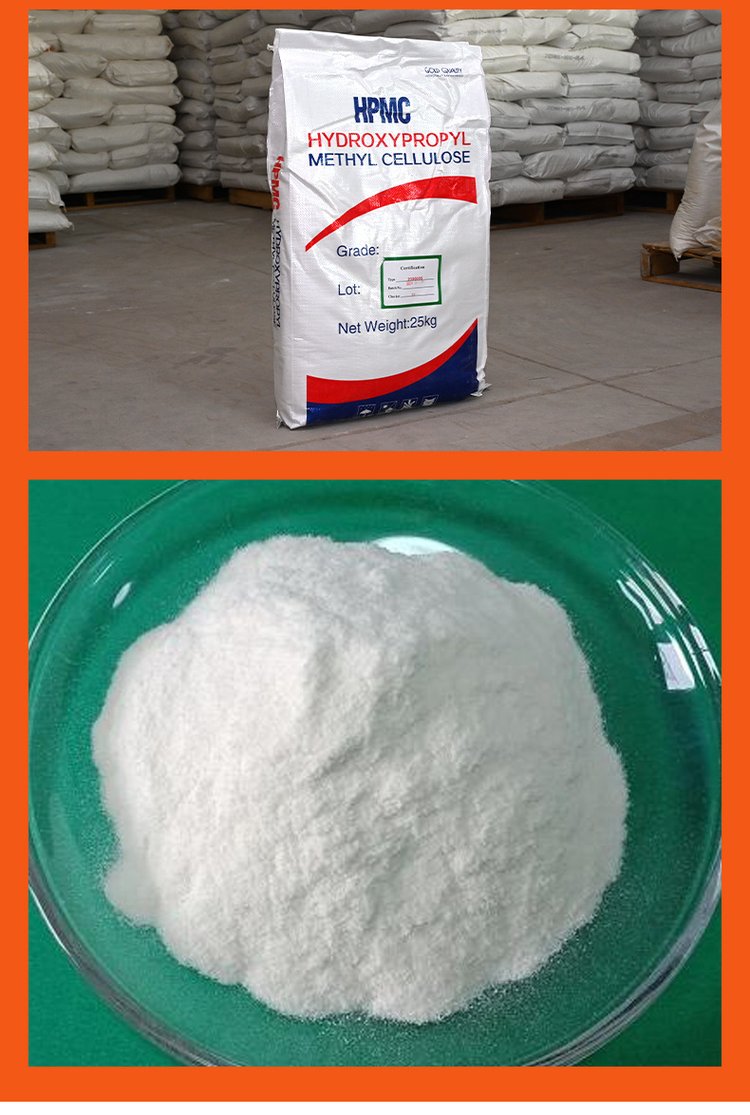
Chemical products
  • Hydroxypropyl methylcellulose (HPMC) CAS 9004-65-3

Hydroxypropyl methylcellulose (HPMC) CAS 9004-65-3

HC-T (Anhui) Chemical offers competitive factory pricing and comprehensive product support, including:
Customized specifications tailored to your needs
Complete documentation: MSDS, TDS, and COA
Bulk order flexibility with reliable supply chain management
For direct factory pricing on Hydroxypropyl methylcellulose (HPMC) CAS 9004-65-3,contact our team today:

📧 Email: info@industrochem.com

  • CAS: 9004-65-3
  • Einecs: 618-389-6
  • Grade: Construction / Pharmaceutical / Food / Personal Care (customizable)
  • Package: 25 kg multi-layer kraft bag with inner PE liner (500 kg / 600 kg jumbo bags available)
Request a quote
Share:

Product Description

Hydroxypropyl methylcellulose (HPMC) is a non-ionic cellulose ether made from refined natural cellulose through methylation and hydroxypropylation. It provides excellent thickening, water retention, lubrication, film-forming, and dispersion performance, making it widely used in dry-mix mortars, coatings, pharmaceuticals, food, and personal care. IndustroChem supplies consistent-quality HPMC with multiple viscosity and substitution grades for different industries.
For technical details, COA, and bulk pricing, please contact: 📧 Email: info@industrochem.com

Physicochemical Properties

ItemSpecification / Typical Value
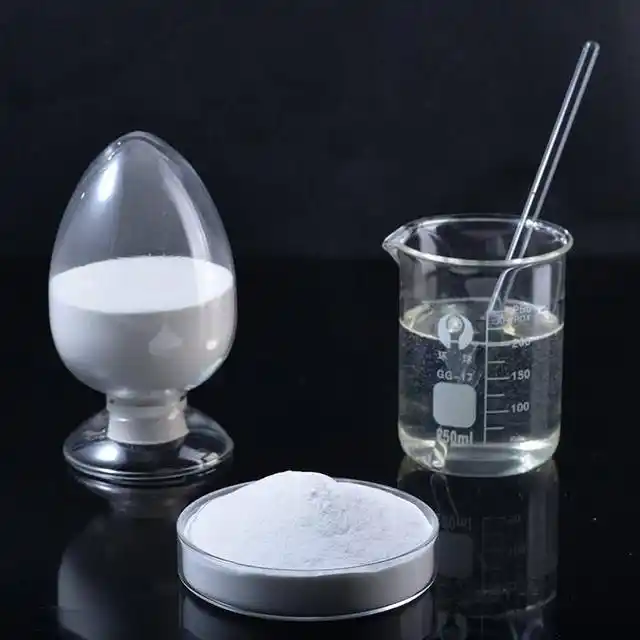
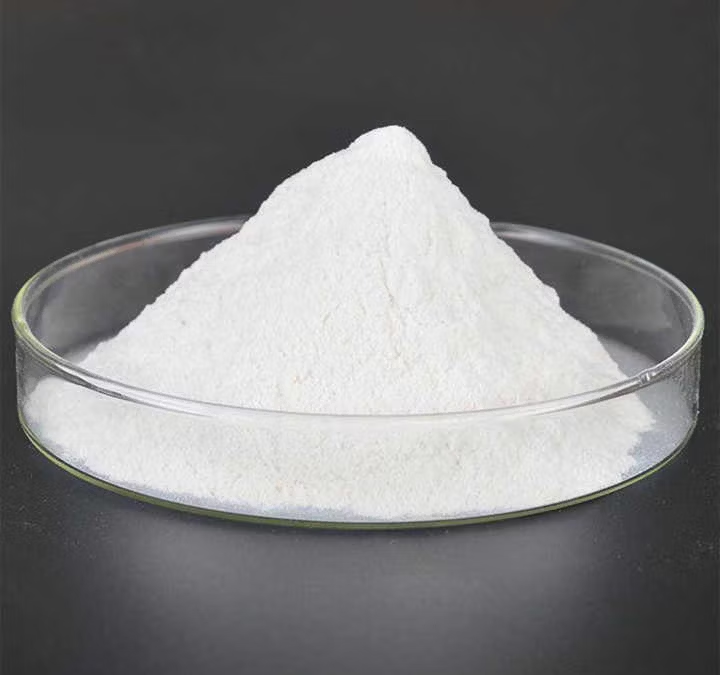
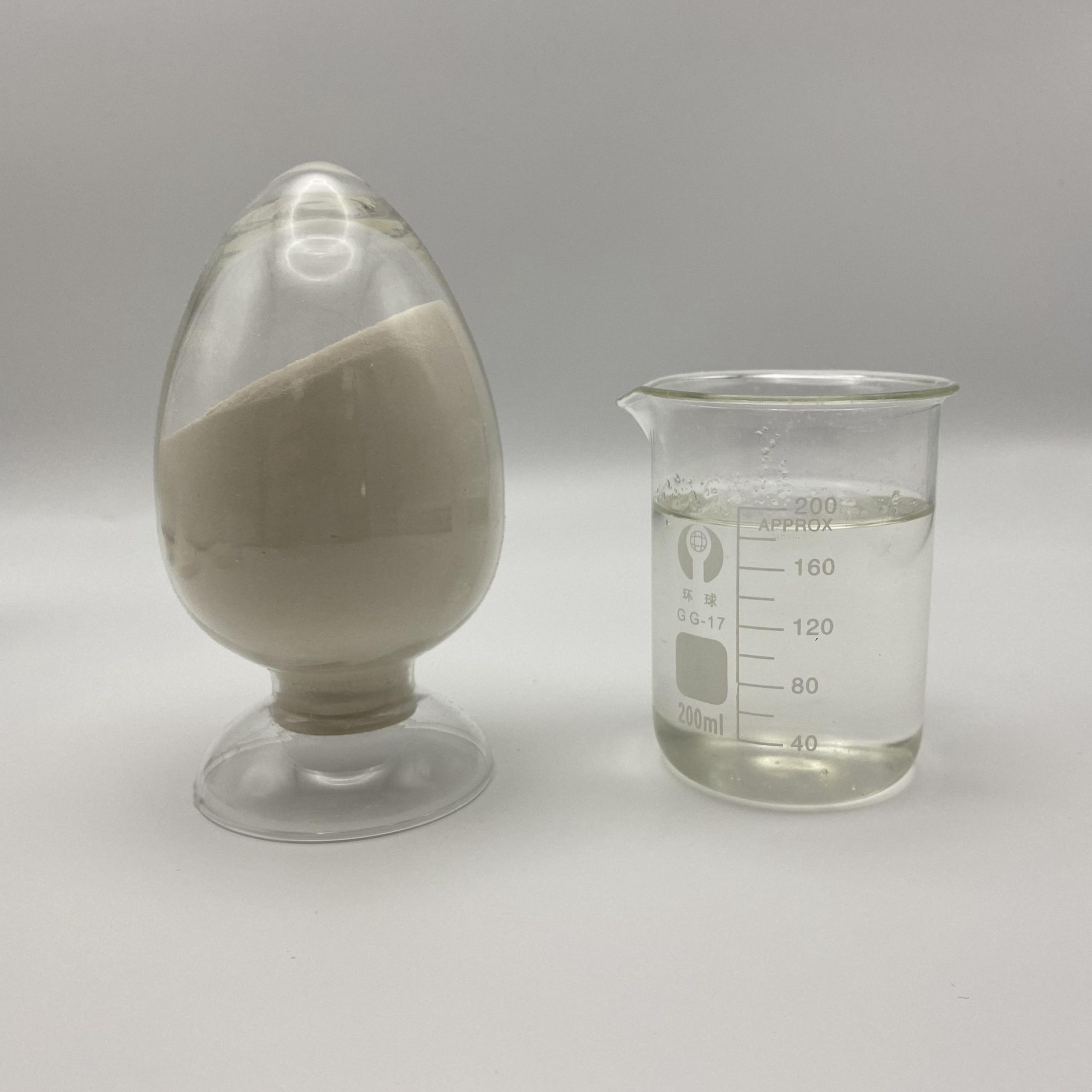
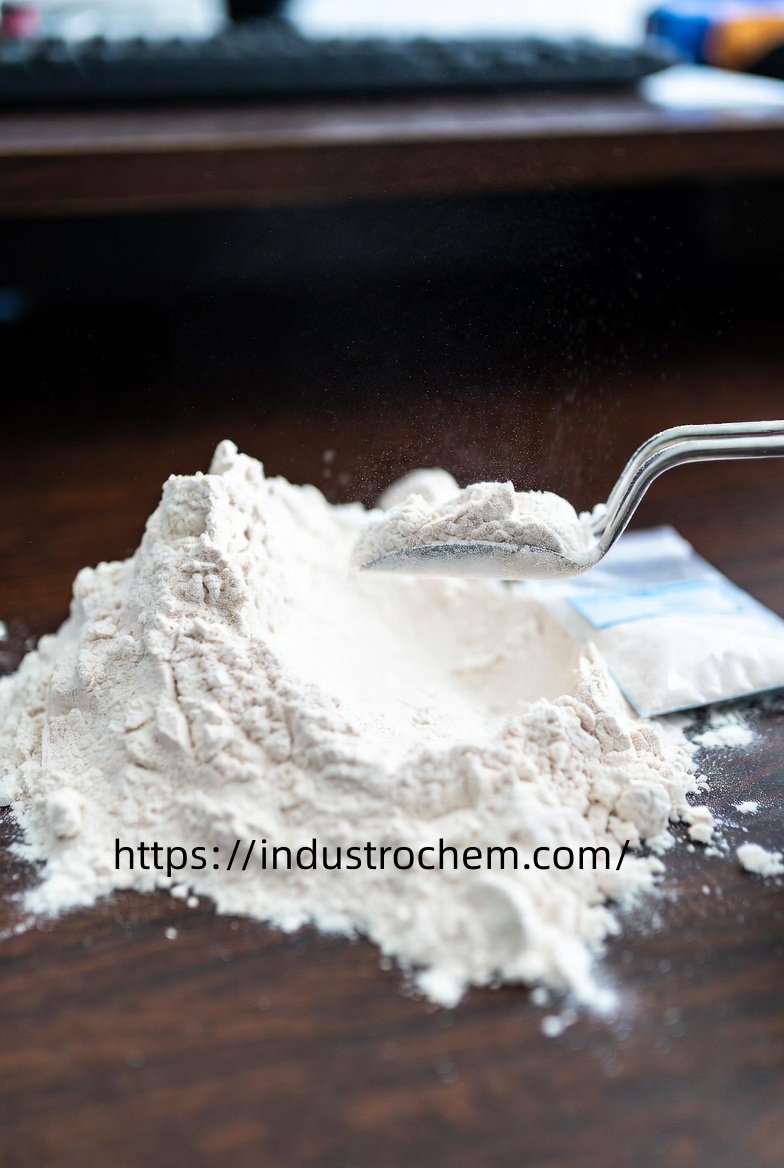
AppearanceWhite to off-white powder, odorless and tasteless
Particle Size90% pass 80–100 mesh (customizable)
Moisture Content≤ 5.0%
Ash Content≤ 3.0% (construction grade) / ≤ 1.5% (higher purity grades)
pH (1% solution, 25°C)6.0 – 8.5
Viscosity Range (2% solution, 20°C)3,000 – 200,000 mPa·s (by grade)
Methoxy Content~19 – 30%
Hydroxypropoxy Content~4 – 12%
SolubilityDisperses in cold water and dissolves to clear/opaline solution; insoluble in hot water, most organic solvents
Thermal GelationForms gel when heated; gel temperature depends on grade
Bulk Density~0.35 – 0.55 g/cm³
Surface ActivityImproves wetting/flow and stability in suspensions
Film-Forming PropertyForms flexible, transparent films with good adhesion
Water RetentionExcellent; improves open time and workability in mortars
CompatibilityCompatible with most inorganic binders, pigments, salts, and many polymers

Applications

1) Construction & Dry-Mix Mortars

  • Tile adhesive / tile grout
  • Wall putty & skim coat
  • Self-leveling compounds
  • Cement-based plaster & renders
  • EIFS / ETICS insulation mortars
  • Gypsum-based products
    Benefits: thickening, anti-sagging, water retention, improved workability, longer open time, better bonding strength.

2) Pharmaceutical & Healthcare

  • Tablet binder and disintegrant control
  • Film coating and controlled-release matrix
  • Capsule shells (vegetarian)
  • Ophthalmic and topical gels
    Benefits: safe excipient, stable viscosity, film-forming, controlled release.

3) Food Industry

  • Thickener and stabilizer for sauces, dairy, beverages
  • Emulsion stabilizer
  • Fat replacer in low-calorie foods
    Benefits: improves texture, mouthfeel, and shelf stability.

4) Personal Care & Household

  • Shampoos, lotions, creams, toothpaste
  • Detergents and cleaning gels
    Benefits: thickening, suspension stability, smooth feel.

For related cellulose-ether raw materials, see Hydroxyethyl Cellulose and Sodium Carboxymethyl Cellulose.

Storage Conditions

Store in a cool, dry, well-ventilated place. Keep bags tightly sealed to prevent moisture absorption. Avoid direct sunlight, high humidity, and proximity to heat sources. Under proper storage, shelf life is typically 24 months.


Safety Precautions

HPMC is generally regarded as a safe, non-toxic polymer for industrial and regulated uses when handled correctly.

Dispose of according to local regulations.

Avoid creating dust clouds; use local exhaust ventilation where possible.

Wear basic PPE: dust mask/respirator, gloves, and safety goggles.

In case of eye contact: rinse with clean water for several minutes.

In case of inhalation discomfort: move to fresh air.

Keep away from open flames; fine powder may present dust-combustion risk in extreme conditions.

FAQ - Technical & Supply Chain

  • Q:

    What is Hydroxypropyl Methylcellulose CAS 9004-65-3?

    A: Hydroxypropyl methylcellulose, or HPMC, is a nonionic water-soluble cellulose ether produced from refined cellulose by methylation and hydroxypropylation. CAS 9004-65-3 identifies this polymer type, while commercial products are further defined by viscosity, substitution content and particle size.
  • Q:

    Why is HPMC supplied in different viscosity grades?

    A: HPMC performance depends on molecular weight, methoxy and hydroxypropoxy content, and the measurement method. Different viscosity grades provide different thickening, water retention, gelation and film-forming behavior for each end use.
  • Q:

    What is Hydroxypropyl Methylcellulose used for?

    A: HPMC is used as a thickener, water-retention agent, binder, film former and stabilizer in dry-mix mortars, coatings, pharmaceuticals, food and personal-care products. The specific grade is selected according to the required viscosity, solubility and thermal gelation profile.
  • Q:

    What is the difference between construction, pharmaceutical and food grade HPMC?

    A: The grades are differentiated mainly by viscosity range, substitution content, purity, residual impurities and applicable standards. Construction grade is optimized for mortar workability and water retention, while pharmaceutical and food grades are selected to meet stricter purity and regulatory requirements.
  • Q:

    How should HPMC powder be stored and handled?

    A: Store HPMC in tightly closed bags or containers in a cool, dry, ventilated area away from moisture and strong oxidizers. Use appropriate dust controls and personal protective equipment when transferring bulk powder.

Ordering & Documentation

Key information for document requests, quotations, and supply planning.

Documents

COA, TDS, SDS/MSDS and packing details are available on request.

Quotation

Send the CAS number, grade, quantity, packing preference and destination.

Sample & Supply

Support is available for samples, trial orders, bulk and repeat supply.

Storage & Shipping

Product-specific conditions are confirmed before order.

Contact Form

Use our contact form to send us your questions, suggestions or comments. We will respond as soon as possible.