• Sodium Carboxymethyl Cellulose (CMC) CAS 9004-32-4
  • Sodium Carboxymethyl Cellulose (CMC) CAS 9004-32-4

Sodium Carboxymethyl Cellulose (CMC) CAS 9004-32-4

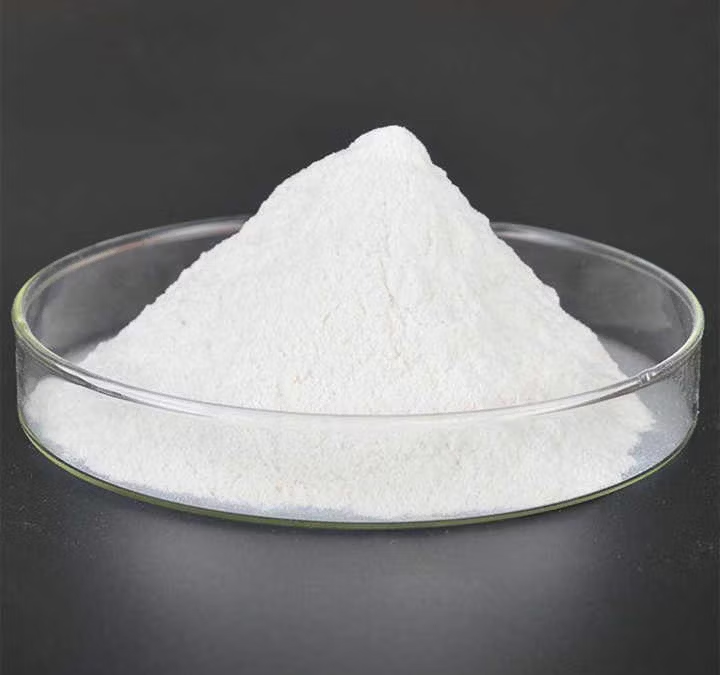
Sodium Carboxymethyl Cellulose (CMC) CAS 9004-32-4 is a water-soluble anionic polymer chemically defined as the sodium salt of cellulose carboxymethyl ether , functioning primarily as a high-performance thickener, stabilizer, and water-retention agent. Often referred to as "Industrial MSG" due to its versatility, this white fibrous powder is utilized to modify texture in food products (E466), control fluid loss in oil drilling muds, and prevent soil redeposition in detergent formulations. We provide professional access to this material with competitive factory pricing and the ability to meet customized specifications (ranging from ultra-low viscosity to high-viscosity grades) for various manufacturing requirements. Our commitment to technical transparency ensures that every shipment is accompanied by comprehensive MSDS, TDS, COA documentation to support your quality assurance protocols, and we maintain capacity for consistent bulk supply to facilitate large-scale industrial operations.

  • CAS: 9004-32-4
  • Synonyms: Cellulose Gum, Sodium CMC, Carboxymethyl cellulose sodium salt, CMC-Na, E466, Carmellose sodium
  • Grade: Food Grade (E466), Pharmaceutical Grade, Industrial/Oil Drilling Grade.
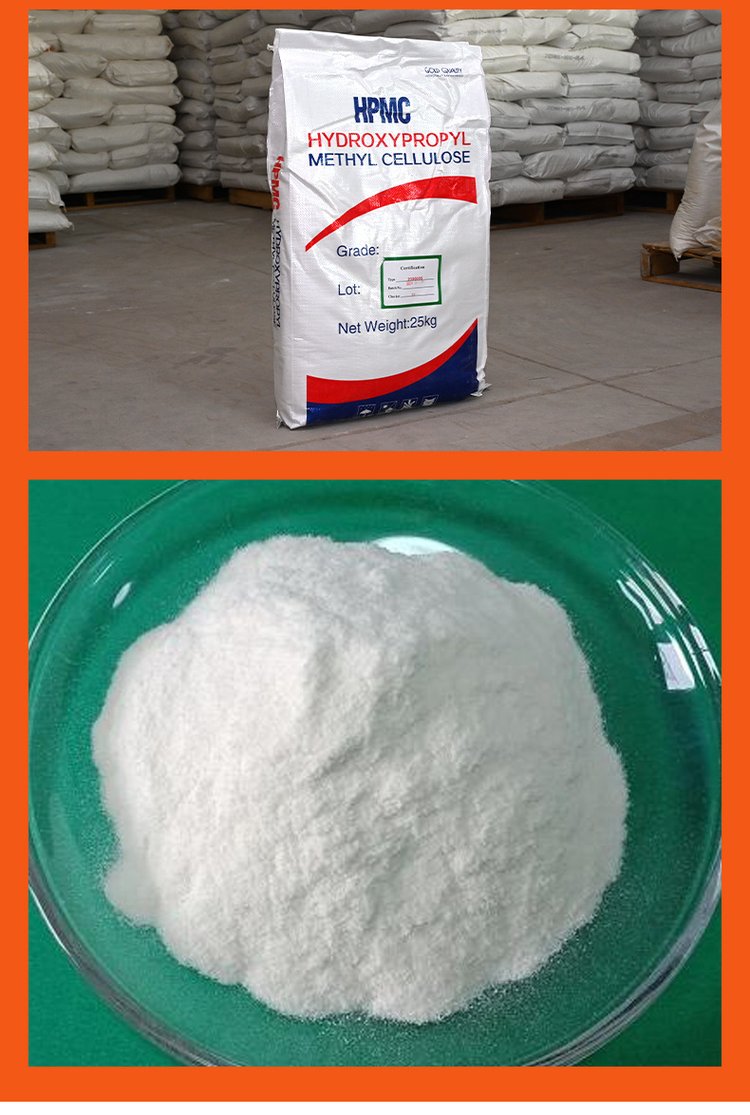
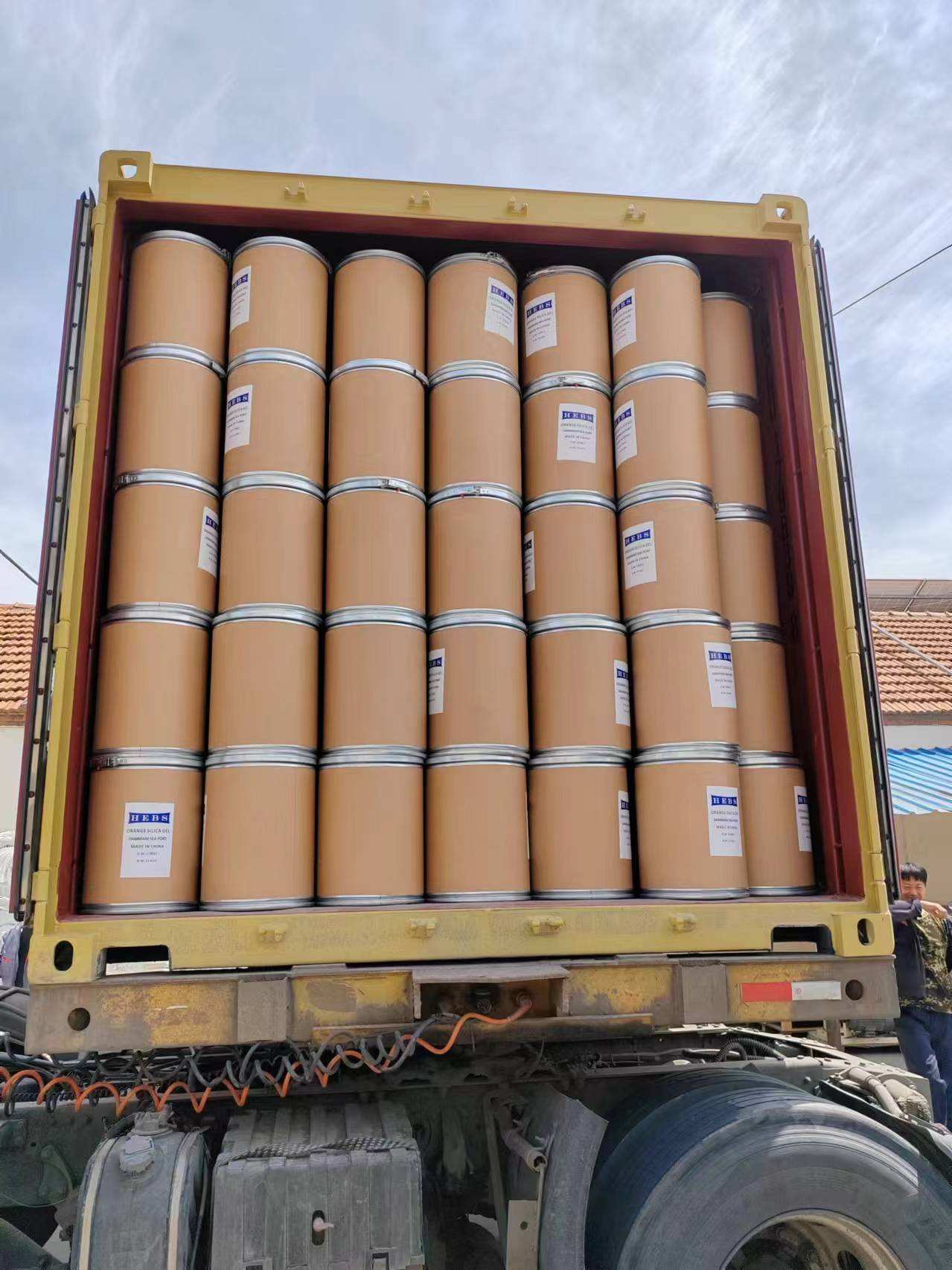
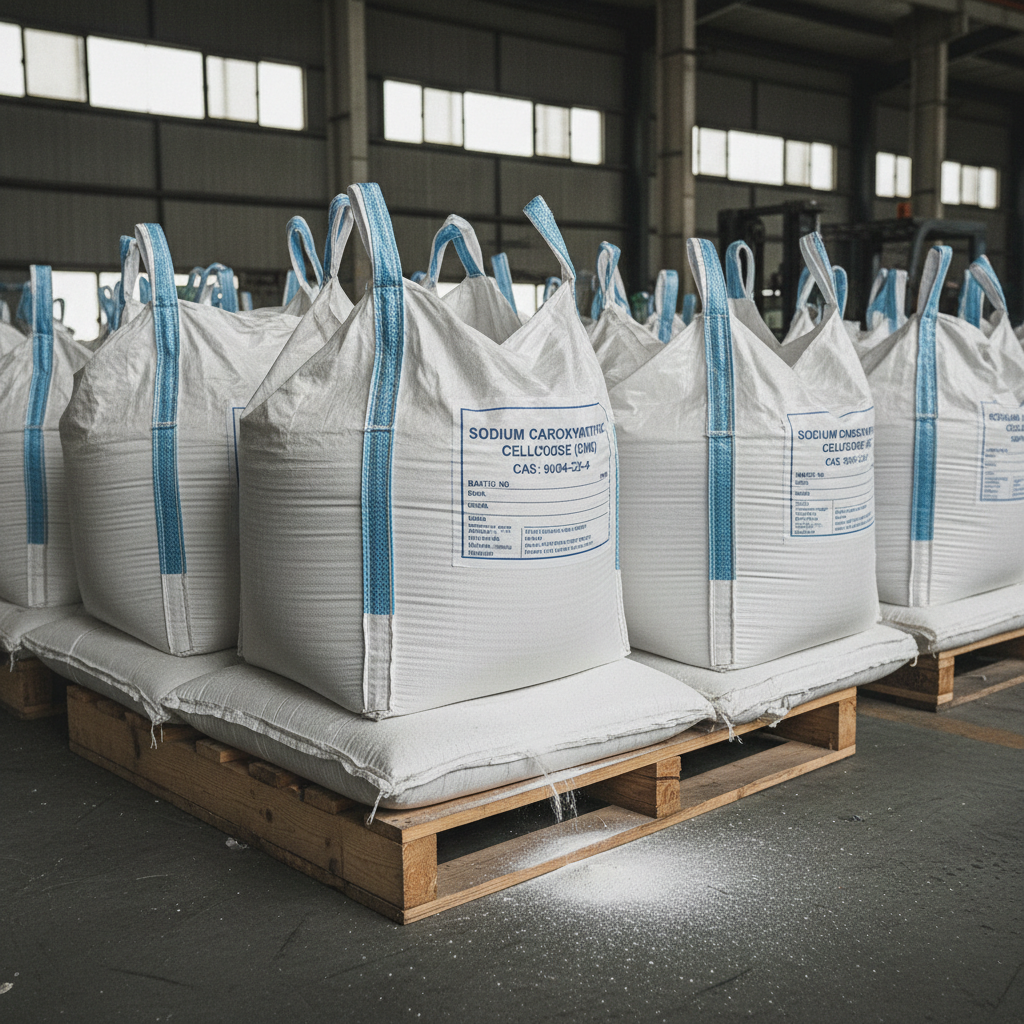
  • Package: 25kg Multi-ply Kraft Paper Bag with PE inner liner or 1000kg Jumbo Bag
Request a quote
Share:

Product Description

Physicochemical Properties

The following data represents our standard Food Grade / High-Purity Grade specifications, fully compliant with FCC V and GB 1886.232 standards.

PropertySpecificationTest Method
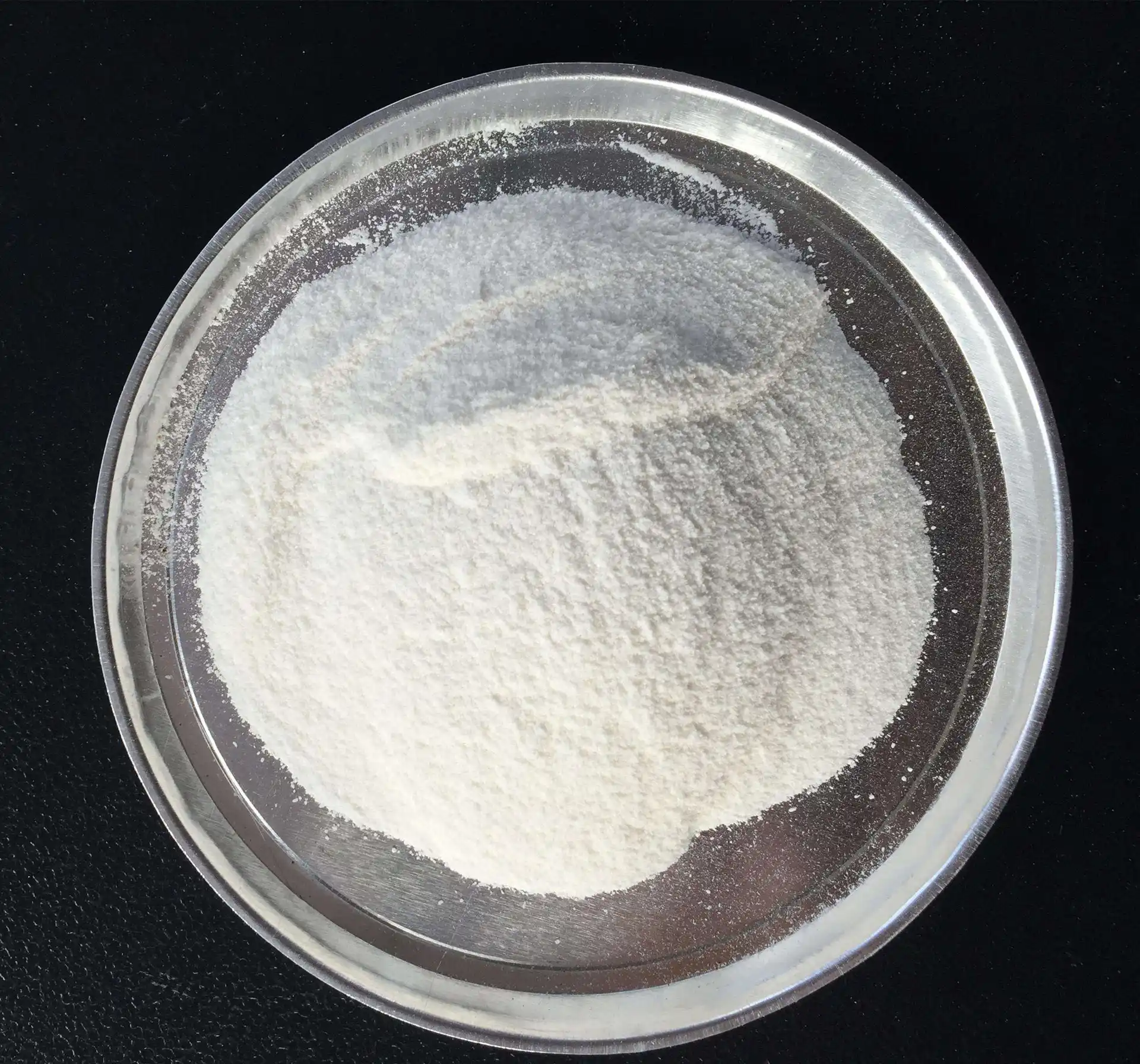
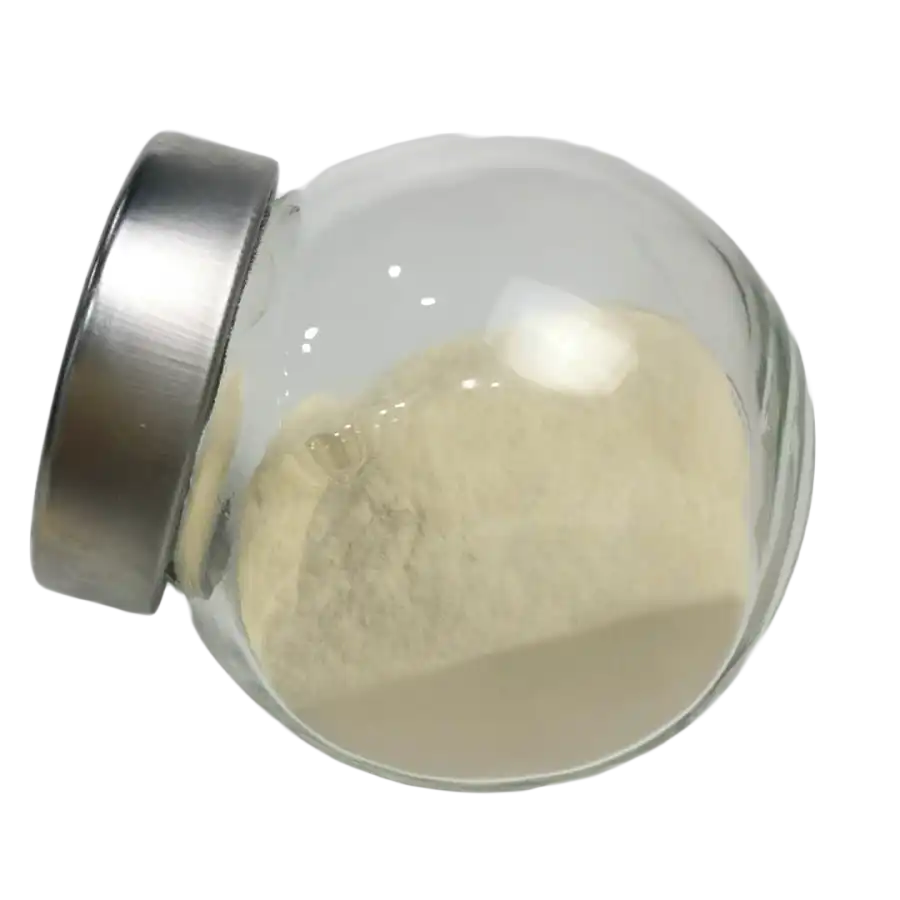
AppearanceWhite to cream free-flowing powderVisual Inspection
Purity (on dry basis)≥99.5%HPLC / Gravimetric
Degree of Substitution (D.S.)0.7 – 1.2 (Customizable)ASTM D 1439
Viscosity (1% or 2% Solution)5 – 10,000 mPa.s (Customizable)Brookfield LVT
pH Value (1% Solution)6.0 – 8.5pH Meter
Loss on Drying≤10.0%105°C for 2 hrs
Chlorides (as NaCl)≤0.5%Potentiometric Titration
Heavy Metals (as Pb)≤10ppmAAS / ICP-MS
Arsenic (As)≤2ppmAAS / ICP-MS
SolubilitySoluble in water; Insoluble in ethanol

Applications

CMC is a functional powerhouse used across diverse sectors:

1. Food & Beverage (E466):

  • Stabilizer: Prevents protein precipitation in yogurt and acidic milk drinks.
  • Thickener: Adds body to sauces, syrups, and dressings without altering flavor.
  • Water Retention: Extends shelf life in bakery products by retaining moisture.

2. Pharmaceutical & Personal Care:

  • Excipient: Functions as a binder in tablet formulations and a disintegrant to ensure rapid drug release.
  • Toothpaste: Provides the structural “backbone” of toothpaste, ensuring smooth extrusion and stability.

3. Oil & Gas Drilling:

  • Fluid Loss Control: In drilling muds, Technical Grade CMC forms a thin, impermeable filter cake on the borehole wall to prevent water loss into the formation.
  • Viscosifier: Helps suspend drill cuttings and clean the borehole.

4. Industrial & Detergents:

  • Anti-Redeposition Agent: In synthetic detergents, CMC prevents dirt from redepositing onto fabrics during the wash cycle.
  • Paper & Textile: Used for surface sizing and textile warp sizing to improve strength.

Quality Assurance (QA/QC)

  • Advanced Analysis: We utilize HPLC (High-Performance Liquid Chromatography) to verify purity levels and strictly monitor heavy metals using ICP-MS.
  • Consistency Control: While NMR is used for structural R&D verification, our routine batch testing focuses on precise Degree of Substitution (D.S.) uniformity, which directly impacts solubility and salt resistance.
  • Microbiological Safety: For Food and Pharma grades, every batch is tested for Total Plate Count, Yeast, Mold, and Pathogens (Salmonella/E. Coli) before release.

Storage, Handling & Safety

Storage Conditions:

  • Environment: Store in a cool, dry, and well-ventilated warehouse.
  • Protection: CMC is hygroscopic (absorbs moisture). Keep bags tightly sealed when not in use to prevent caking or degradation.
  • Stacking: Do not stack pallets too high to prevent compaction of the powder.

Safety Precautions (HSE):

  • Slipping Hazard: Crucial Warning: CMC powder becomes extremely slippery when wet. In case of a spill, sweep up the dry powder completely before washing the area with water.
  • PPE Recommendations:
    • Respiratory: Use a standard dust mask (N95/P2) during handling to avoid inhaling fine dust.
    • Eyes: Safety glasses or goggles are recommended.
    • Skin: Wear long sleeves and gloves to minimize skin contact, although CMC is generally non-irritating.

Need a specific viscosity grade or a sample for lab testing?

Our experts are ready to assist with technical data sheets (TDS) and commercial quotations.

👉 Get a Quote: info@industrochem.com

FAQ - Technical & Supply Chain

  • Q:

    What is the critical difference between "Food Grade" and "Detergent Grade" CMC?

    A: Purity and Degree of Substitution (DS). Food Grade CMC (E466) is strictly purified to ensure a minimum purity of 99.5% and low heavy metal content suitable for consumption. Detergent Grade (often Technical Grade), however, typically has a purity of 55-65% (containing sodium chloride and glycolate by-products) and acts specifically as an anti-redeposition agent to keep dirt suspended in wash water, but is unsafe for edible applications.
  • Q:

    Does this polymer disperse easily in cold water without forming lumps?

    A: Not naturally. Standard CMC powder is highly hygroscopic and tends to form "fish-eyes" (gel-coated lumps) if added too quickly to water. For industrial efficiency, we recommend using our surface-treated "Instant CMC" grades or pre-blending standard powder with other dry ingredients (like sugar or salt) to physically separate the particles before hydration.
Documents

Documents and Product Support

For product review and sourcing evaluation, supporting documents can be coordinated according to the product type, inquiry stage, and order requirements.

  • COA for batch-based quality reference
  • TDS for key physical and chemical information
  • SDS / MSDS for handling, storage, and safety reference
  • Packing information for sample, trial, and bulk orders
  • Technical communication based on application and specification requirements
Quotation

Information to Confirm Before Quotation

Clear sourcing information helps reduce specification mismatch and allows a more accurate quotation before sample or bulk order discussion.

  • Product name and CAS number
  • Application or intended end use
  • Required purity, grade, or specification
  • Sample quantity, trial order, or bulk demand
  • Preferred packing form or net weight
  • Destination country or port
  • Required documents or compliance expectations
Storage & Handling

Packaging, Storage, and Handling Notes

Packaging form, storage conditions, shelf life, and shipment arrangements should be confirmed according to the product characteristics, package size, and destination requirements.

Before order confirmation, buyers are advised to review the corresponding product documents and confirm whether any special storage, labeling, or handling requirements apply.

Supply Support

Sample, Bulk Order and Repeat Supply Support

Support can be arranged for sample discussion, bulk supply planning, packaging confirmation, and routine sourcing communication based on the actual product and order requirements.

For repeat-use formulations or long-term procurement plans, buyers may discuss specification consistency, packaging preferences, delivery expectations, and document coordination in advance.

Contact Form

Use our contact form to send us your questions, suggestions or comments. We will respond as soon as possible.