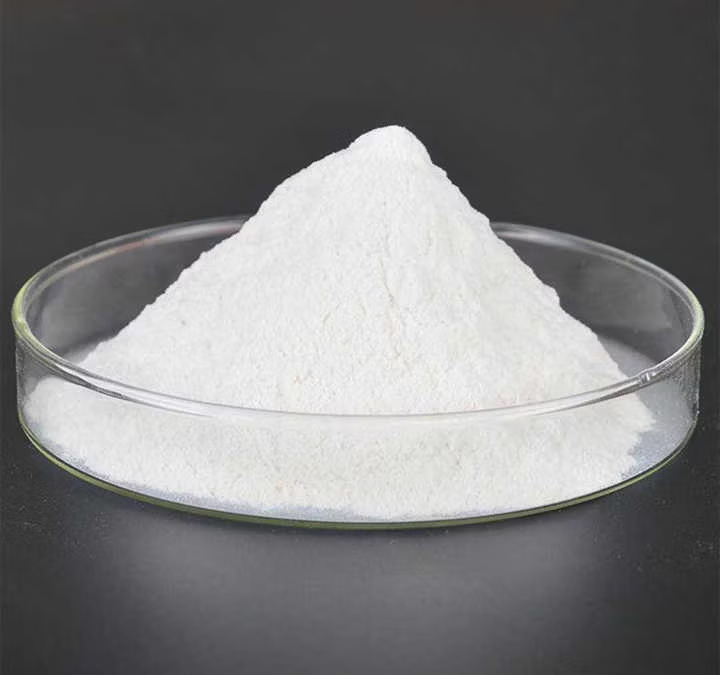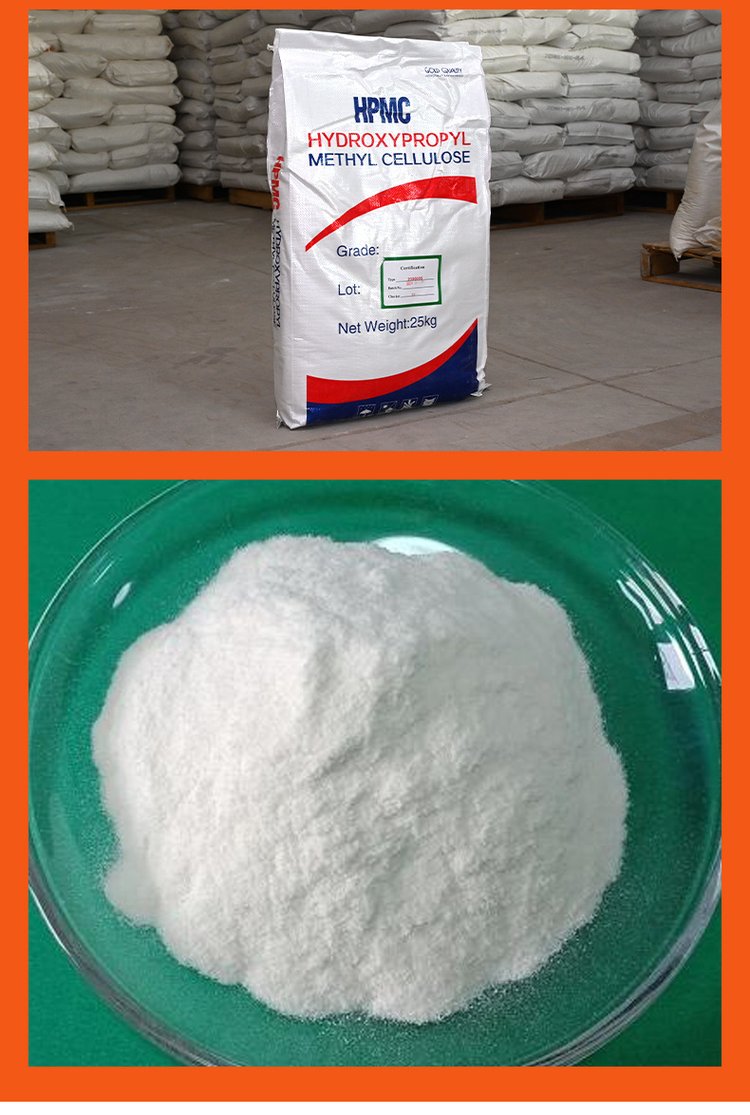










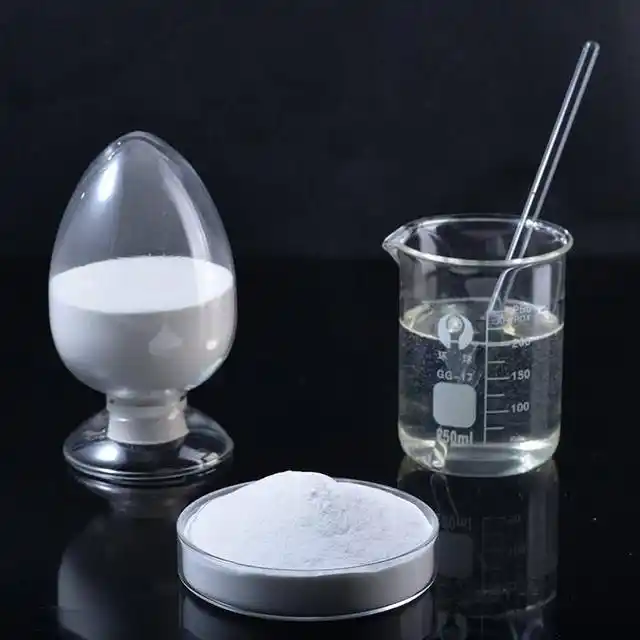
Hydroxyethyl Cellulose (CAS 9004-62-0), commonly abbreviated as HEC, is a non-ionic, water-soluble polymer derived from alkali cellulose, utilized primarily as a high-performance thickening agent and rheology modifier in latex paints and architectural coatings. This Cellulose hydroxyethyl ether functions by forming a pseudoplastic network in aqueous phases, providing superior biostability and color acceptance compared to standard cellulose derivatives. As a versatile 2-Hydroxyethyl cellulose ingredient, it acts as a critical protective colloid and water-retention agent in cementitious building materials and joint compounds, ensuring workability and open time. We provide this industrial polymer with competitive factory pricing to support coating manufacturing and ensure bulk supply availability for continuous production. Our facility accommodates customized specifications for viscosity ranges (from low to high) and hydration times, while every shipment is fully documented with MSDS, TDS, COA files to meet technical and regulatory standards.
Hydroxyethyl Cellulose CAS 9004-62-0
- CAS: 9004-62-0
- Synonyms: HEC, Cellulose hydroxyethyl ether, 2-Hydroxyethyl cellulose, Hydroxyethyl ether cellulose, Hydroxyethylcellulose
- Einecs: 220-971-6
- Molecular Formula: C29H52O21
- Grade: Industrial / Construction / Coating / Personal Care Grade
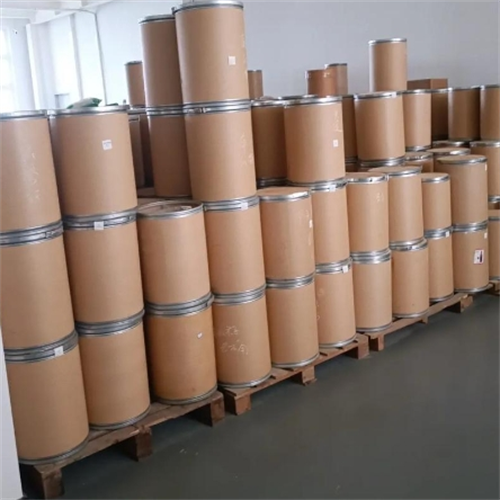
- Package: 25 kg kraft paper bags with inner PE liner, jumbo bags or customized packing
Product Description
Hydroxyethyl Cellulose (HEC) CAS 9004-62-0 is a non-ionic, water-soluble cellulose ether used as a thickener, rheology modifier and water retention agent in water-based paints, building materials, oilfield fluids and daily chemical products. It provides stable viscosity, excellent film-forming properties and good compatibility with most electrolytes and surfactants, making it a reliable choice for industrial and formulation use.
📧 Email: info@industrochem.com – Contact us for COA, TDS and latest prices.
Physicochemical Properties
| Item | Typical Data* |
|---|---|
| Product Name | Hydroxyethyl Cellulose (HEC) |
| CAS | 9004-62-0 |
| Einecs | Not applicable (polymer) |
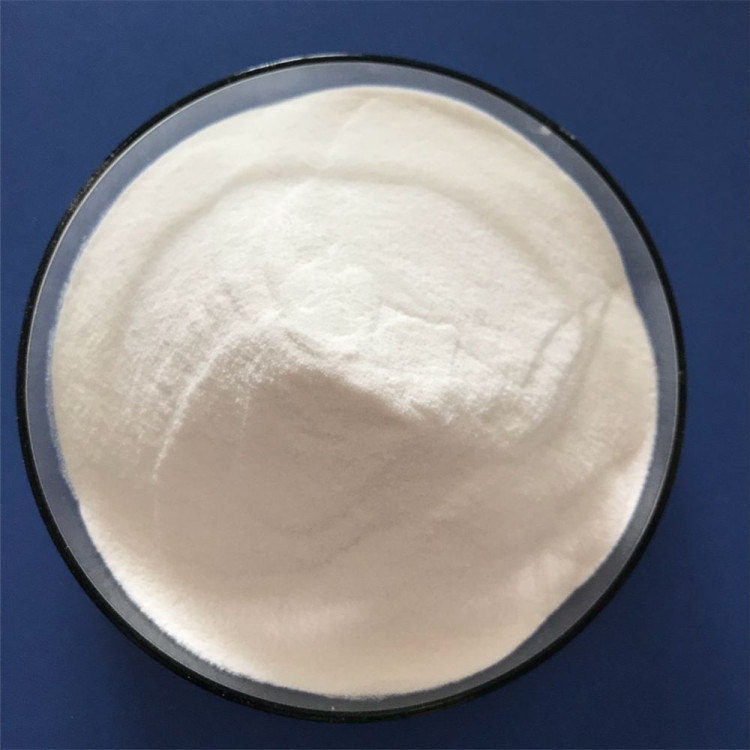
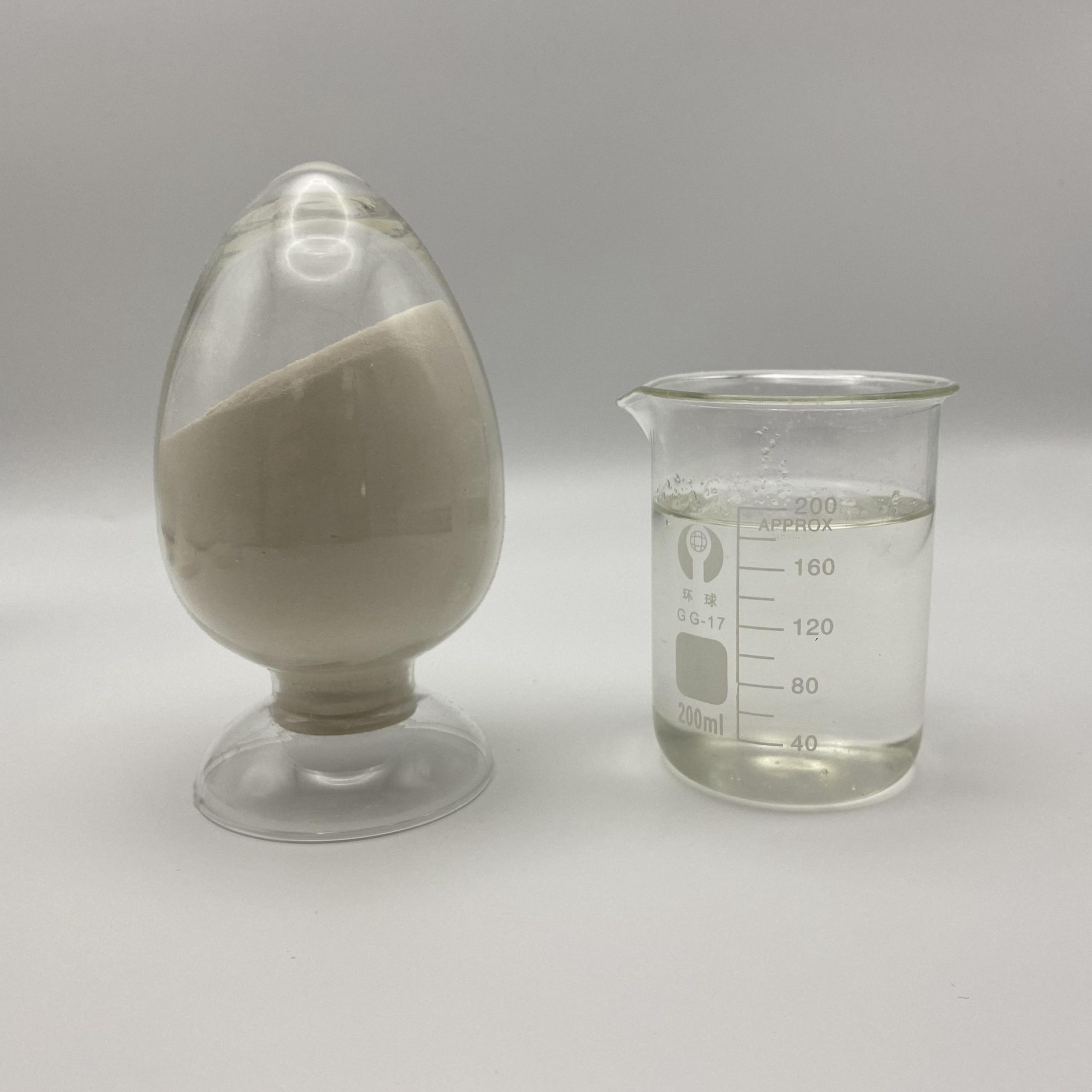
| Physical Form | Free-flowing white to off-white powder |
| Odor | Odorless or slight characteristic smell |
| Ionic Character | Non-ionic |
| Active Content | ≥ 99.0% (dry basis) |
| Moisture Content | ≤ 5.0% |
| pH (1–2% aqueous solution, 25 °C) | 6.0 – 8.5 |
| Apparent Viscosity (2% solution, 25 °C) | ~ 3,000 – 60,000 mPa·s (depending on grade) |
| Bulk Density | 0.30 – 0.50 g/cm³ |
| Solubility | Soluble in cold or hot water; insoluble in most organic solvents |
| Film-forming | Yes, forms clear flexible films |
| Thermal Stability | Stable under normal processing temperatures |
| Recommended pH Range in Use | Approx. 4 – 11 |
*The above values are typical factory specification ranges for commercial HEC; specific grades and viscosity levels can be supplied according to customer requirements.
Applications
1. Water-Based Paints & Coatings
- Interior and exterior latex paints
- Acrylic and styrene-acrylic emulsions
- Waterproof and elastic coatings
Key functions:
- Provides viscosity and sag resistance
- Improves brushability and roller spatter resistance
- Enhances leveling and color uniformity
2. Construction & Building Materials
- Cement and gypsum-based plasters
- Tile adhesives and grouts
- Self-leveling compounds and crack fillers
Key functions:
- Strong water retention to improve cement hydration
- Better workability and open time
- Reduced shrinkage and improved bonding
3. Oilfield Chemicals
- Drilling fluids and completion fluids
- Workover and fracturing fluids
Key functions:
- Controls fluid rheology and viscosity
- Enhances carrying capacity for cuttings
- Good salt tolerance and filtration control when properly formulated
4. Household & Personal Care
- Liquid detergents and cleaners
- Shampoo, body wash, hand wash
- Creams and lotions (where non-ionic thickener is preferred)
Key functions:
- Gentle thickening with smooth flow
- Stabilizes emulsions and suspensions
- Provides desirable skin-feel and product appearance
5. Other Industrial Uses
- Polymerization aid
- Adhesives and binders
- Ceramic and pigment suspension systems
Storage Conditions
- Store in a cool, dry and well-ventilated warehouse.
- Keep away from moisture, rain and direct sunlight to prevent caking or premature gel formation.
- Maintain the packaging tightly sealed when not in use.
- Recommended storage temperature: ≤ 30 °C, avoid proximity to heat sources.
- Avoid long-term storage in high humidity environments.
Safety Precautions
Hydroxyethyl Cellulose is generally regarded as low-toxicity and safe for normal industrial handling. However, as with all fine powders and industrial chemicals, basic precautions should be followed:
- Avoid generating excessive dust during handling, charging or mixing.
- Use local exhaust ventilation in dusty areas.
- Wear suitable dust masks/respirators, protective goggles and gloves during handling.
- Avoid inhalation of dust and prolonged contact with eyes or skin.
- In case of contact with eyes, rinse immediately with plenty of water and seek medical attention if irritation persists.
- Clean up spilled material carefully (avoid dry sweeping that may create dust; vacuum or gently shovel into suitable containers).
- Do not discharge large quantities into drains or natural water sources.
FAQ - Technical & Supply Chain
-
Q:
How does the non-ionic nature of CAS 9004-62-0 affect its industrial application?
A: CAS 9004-62-0 identifies Hydroxyethyl Cellulose as a non-ionic ether, which ensures it remains chemically inert and stable in formulations containing high salt concentrations or dissolved electrolytes, unlike anionic thickeners like CMC. -
Q:
Is this polymer suitable for water-based latex paints?
A: Yes, this material is specifically intended for use in water-based latex paints to control viscosity, improve brushability, and prevent pigment settling during storage.
Documents and Product Support
For product review and sourcing evaluation, supporting documents can be coordinated according to the product type, inquiry stage, and order requirements.
- COA for batch-based quality reference
- TDS for key physical and chemical information
- SDS / MSDS for handling, storage, and safety reference
- Packing information for sample, trial, and bulk orders
- Technical communication based on application and specification requirements
Information to Confirm Before Quotation
Clear sourcing information helps reduce specification mismatch and allows a more accurate quotation before sample or bulk order discussion.
- Product name and CAS number
- Application or intended end use
- Required purity, grade, or specification
- Sample quantity, trial order, or bulk demand
- Preferred packing form or net weight
- Destination country or port
- Required documents or compliance expectations
Packaging, Storage, and Handling Notes
Packaging form, storage conditions, shelf life, and shipment arrangements should be confirmed according to the product characteristics, package size, and destination requirements.
Before order confirmation, buyers are advised to review the corresponding product documents and confirm whether any special storage, labeling, or handling requirements apply.
Sample, Bulk Order and Repeat Supply Support
Support can be arranged for sample discussion, bulk supply planning, packaging confirmation, and routine sourcing communication based on the actual product and order requirements.
For repeat-use formulations or long-term procurement plans, buyers may discuss specification consistency, packaging preferences, delivery expectations, and document coordination in advance.


Emulsifier-MPEG-350-CAS-9004-74-4-1.jpg)