










Butanediol Diglycidyl Ether (CAS 2425-79-8) is a low-viscosity aliphatic epoxy resin utilizing its bifunctional structure as a premium reactive diluent in coating and adhesive systems. Chemically identified as 1,4-Bis(2,3-epoxypropoxy)butane, this clear, colorless to pale yellow liquid functions to significantly reduce the viscosity of epoxy resins without compromising their mechanical strength or chemical resistance. As a versatile Glycidyl ether, it is extensively integrated into wind energy blade composites, electronic encapsulation materials, and solvent-free floor coatings to improve flexibility and wetting properties. We ensure bulk supply capabilities for this material, providing access to competitive factory pricing and customized specifications to meet specific epoxy equivalent weight (EEW) and hydrolyzable chlorine requirements. Full technical documentation, including MSDS, TDS, COA, is available to support compliance and safety protocols.
Butanediol Diglycidyl Ether CAS 2425-79-8
- CAS: 2425-79-8
- Synonyms: BDGE, 1,4-Butanediylbis(oxirane), Araldite DY 026, 1,4-Diglycidyloxybutane
- Einecs: 219-371-7
- Molecular Formula: C10H18O4
- Grade: Industrial Grade / Electronic Grade
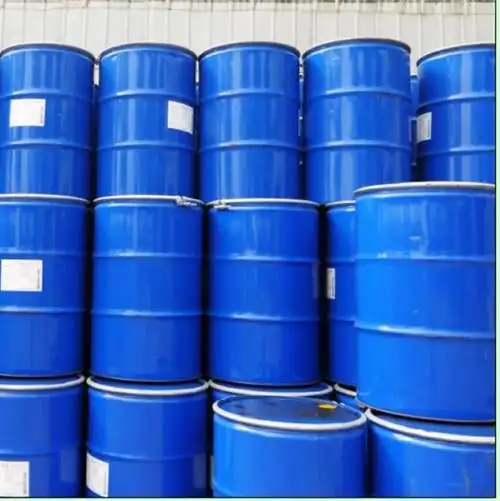
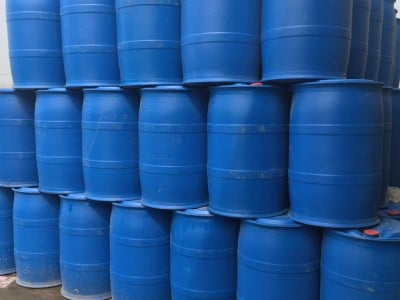
- Package: 200kg Iron Drum or 1000kg IBC Tank (Custom packaging available).
Product Description
1,4-Butanediol Diglycidyl Ether is a colorless to pale yellow transparent liquid with very low viscosity. As a bifunctional reactive diluent, it contains two epoxy groups that participate in the cross-linking reaction during curing.
Compared to mono-functional diluents, BDGE offers superior mechanical properties and chemical resistance. It is specifically designed to wet out fibers (glass, carbon) rapidly, making it ideal for vacuum infusion processes. It also improves the flexibility, adhesion, and thermal shock resistance of the final epoxy system.
Physicochemical Properties
The following specifications represent our standard export quality (General type 669 equivalent):
| Property | Specification / Value |
|---|---|
| Appearance | Colorless to pale yellow transparent liquid |
| Epoxy Equivalent Weight (EEW) | 120 – 138 g/eq |
| Viscosity (at 25°C) | 10 – 25 mPa·s (cps) |
| Color (APHA/Hazen) | ≤ 40 |
| Hydrolyzable Chlorine | ≤ 0.02% |
| Inorganic Chlorine | ≤ 0.005% |
| Water Content | ≤ 0.1% |
| Flash Point | > 110°C |
| Density (at 25°C) | 1.10 ± 0.05 g/cm³ |
Applications
BDGE is a versatile additive used in various high-performance epoxy applications:
- Composite Materials:
- Widely used in wind turbine blades, automotive parts, and aerospace components via Vacuum Infusion (VARTM) or RTM processes due to its ability to lower viscosity and improve fiber wetting.
- Coatings & Flooring:
- Used in solvent-free epoxy floor coatings, self-leveling floors, and anti-corrosion coatings to improve flow and leveling.
- Electronic Encapsulation:
- Used in potting compounds and casting resins for electronic components (insulators, transformers) to reduce bubbles and improve penetration.
- Adhesives:
- Acts as a toughening agent and diluent in structural epoxy adhesives.
- Civil Engineering:
- Used in concrete repair compounds and crack injection resins.
Storage Conditions
- Environment: Store in a cool, dry, and well-ventilated warehouse. Avoid direct sunlight and rain.
- Temperature: Keep away from fire and heat sources. Optimal storage temperature is ambient (5°C – 35°C).
- Sealing: This product can absorb moisture. Keep containers tightly closed when not in use.
- Shelf Life: 12 months from the production date in original unopened packaging.
Safety Precautions
- Skin Contact: BDGE is a skin irritant and potential sensitizer. Avoid direct contact. Wear chemical-resistant gloves and protective clothing.
- Eye Contact: Can cause serious eye irritation. Wear safety goggles or a face shield. If contact occurs, rinse immediately with plenty of water for at least 15 minutes and seek medical advice.
- Inhalation: Use in well-ventilated areas. Avoid breathing vapors or mists.
- First Aid:
- Skin: Wash thoroughly with soap and water.
- Ingestion: Do not induce vomiting. Seek medical attention immediately.
FAQ - Technical & Supply Chain
-
Q:
What is the primary function of Butanediol Diglycidyl Ether CAS 2425-79-8 in epoxy formulations?
A: Butanediol Diglycidyl Ether (CAS 2425-79-8) is chemically characterized as a bifunctional reactive diluent, which reduces the viscosity of standard epoxy resins (like Bisphenol A types) to facilitate easier processing and better impregnation of fibers, while reacting into the final cured network. -
Q:
Does this diluent affect the flexibility of the cured product?
A: Yes, this material typically improves the flexibility and toughness of the cured epoxy system compared to unmodified resins, making it suitable for applications requiring impact resistance and thermal shock durability.
Documents and Product Support
For product review and sourcing evaluation, supporting documents can be coordinated according to the product type, inquiry stage, and order requirements.
- COA for batch-based quality reference
- TDS for key physical and chemical information
- SDS / MSDS for handling, storage, and safety reference
- Packing information for sample, trial, and bulk orders
- Technical communication based on application and specification requirements
Information to Confirm Before Quotation
Clear sourcing information helps reduce specification mismatch and allows a more accurate quotation before sample or bulk order discussion.
- Product name and CAS number
- Application or intended end use
- Required purity, grade, or specification
- Sample quantity, trial order, or bulk demand
- Preferred packing form or net weight
- Destination country or port
- Required documents or compliance expectations
Packaging, Storage, and Handling Notes
Packaging form, storage conditions, shelf life, and shipment arrangements should be confirmed according to the product characteristics, package size, and destination requirements.
Before order confirmation, buyers are advised to review the corresponding product documents and confirm whether any special storage, labeling, or handling requirements apply.
Sample, Bulk Order and Repeat Supply Support
Support can be arranged for sample discussion, bulk supply planning, packaging confirmation, and routine sourcing communication based on the actual product and order requirements.
For repeat-use formulations or long-term procurement plans, buyers may discuss specification consistency, packaging preferences, delivery expectations, and document coordination in advance.


