










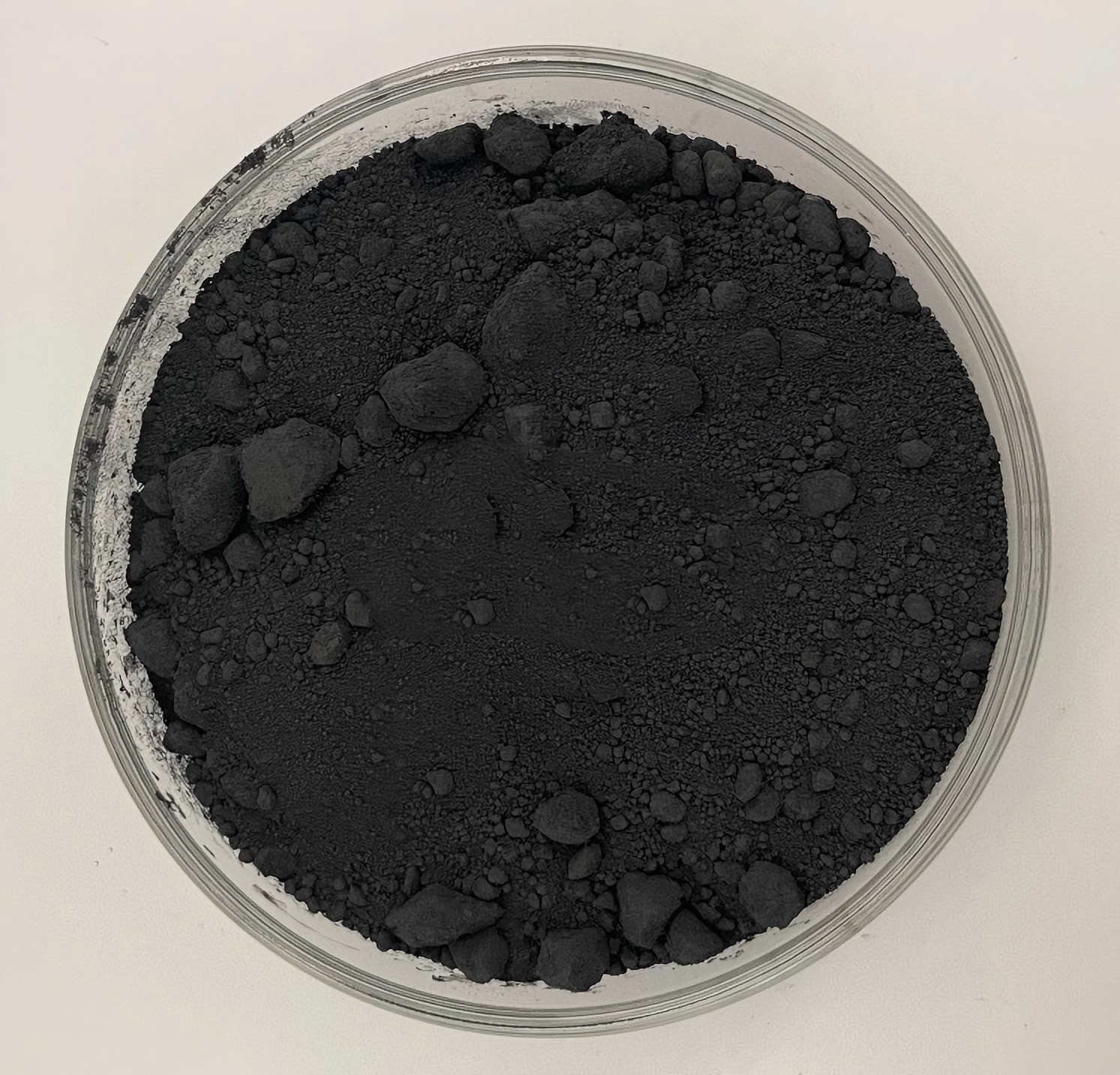
Molybdenum Disulfide (CAS 1317-33-5) is a premier solid lubricant utilizing its laminar crystal structure to reduce friction in extreme pressure and high-vacuum environments. Chemically identified as Molybdenum(IV) sulfide or Moly sulfide, this lustrous dark gray powder functions to prevent metal-to-metal contact and seizing where liquid lubricants fail. As a highly stable Inorganic sulfide, it is extensively integrated into lubricating greases, friction materials, and dry film coatings to extend the service life of automotive and industrial machinery. We ensure bulk supply capabilities for this material, providing access to competitive factory pricing and customized specifications to meet specific particle size distribution needs (e.g., Technical Grade vs. Super Fine). Full technical documentation, including MSDS, TDS, COA, is available to support compliance and safety protocols.
Molybdenum Disulfide CAS 1317-33-5
- CAS: 1317-33-5
- Synonyms: Molybdenum(IV) sulfide, Moly sulfide, Molybdenum sulphide, MoS2 powder
- Einecs: 215-263-9
- Molecular Formula: MoS2
- Grade: Technical Fine Grade / Superfine Grade / Grease Grade
- Package: 25kg Fiber Drum or Multi-wall Paper Bag (with PE liner)
Product Description
Our Molybdenum Disulfide is processed through advanced purification and jet-milling technologies to ensure low impurity levels and precise particle size control.
Key Performance Advantages:
- Load Bearing: Excellent Extreme Pressure (EP) properties; prevents metal-to-metal contact and galling under heavy loads.
- Friction Reduction: Provides a low friction coefficient (0.05 – 0.09) due to its lamellar structure which slides easily.
- Temperature Resistance: Stable from cryogenic temperatures up to 400°C in air (and up to 1200°C in vacuum/inert gas).
- Chemical Stability: Insoluble in water and resistant to most acids and solvents.
Physicochemical Properties
The following specifications reflect the Superfine Grade (Micronized) commonly requested for high-performance grease and plastic additives.
| Test Item | Specification (Superfine Grade) |
|---|---|
| Appearance | Dark gray to black powder |
| MoS2 Content (Purity) | ≥ 98.5% (Standard) / ≥ 99.0% (High Purity) |
| Acid Insoluble Matter | ≤ 0.50% |
| Iron (Fe) | ≤ 0.30% |
| Molybdenum Trioxide (MoO3) | ≤ 0.15% |
| Water / Moisture | ≤ 0.20% |
| Oil Absorption Number | 20 – 30 g/100g |
| Particle Size (FSSS – Fisher) | 0.6 – 0.9 μm (Superfine) / 1.0 – 2.0 μm (Fine) |
| Sieve Residue (325 Mesh) | ≤ 0.05% |
| Bulk Density | 0.5 – 0.8 g/cm³ (Loose) |
| pH Value | 5.0 – 8.0 |
Applications
- Lubricating Greases: The most common application. Added (typically 1% – 3%) to Lithium or Lithium Complex greases to manufacture “Moly Grease” for automotive CV joints, heavy machinery bearings, and chassis points.
- Friction Materials: Used in brake linings, brake pads, and clutch facings to stabilize friction, reduce noise (anti-squeal), and reduce wear at high temperatures.
- Engineering Plastics: Blended into Nylon (PA), PTFE, and POM to create self-lubricating wear parts like gears, bushings, and slider pads.
- Solid Lubricant Coatings: Used in dry film lubricants (bonded coatings) for aerospace and automotive fasteners where liquid lubricants attract dust or evaporate.
- Carbon Brushes: Improves the service life and conductivity of brushes in electric motors.
Storage Conditions
- Environment: Store in a cool, dry, and well-ventilated warehouse.
- Moisture Control: Crucial. MoS2 powder must be kept dry. If exposed to moisture and air for long periods, it can slowly oxidize to form Molybdenum Trioxide (MoO3), which is abrasive.
- Packaging: Keep containers tightly sealed when not in use.
- Shelf Life: 24 months in original unopened packaging.
Safety Precautions
- General: Molybdenum Disulfide is generally considered non-toxic and is chemically inert.
- Inhalation: As a fine powder, dust may cause mechanical irritation to the respiratory tract. Use effective dust extraction.
- PPE: Wear a dust mask (N95 or FFP2) and safety goggles during handling to prevent dust inhalation and eye contact.
- Skin Contact: Wash thoroughly with soap and water after handling.
- Reactivity: Avoid contact with strong oxidizing agents (e.g., Hydrogen Peroxide) as violent reactions may occur.
FAQ - Technical & Supply Chain
-
Q:
Chemically, why is Molybdenum Disulfide CAS 1317-33-5 effective as a lubricant?
A: Molybdenum Disulfide (CAS 1317-33-5) is chemically characterized by a layered hexagonal crystal lattice, where weak Van der Waals forces between sulfur layers allow them to slide easily over one another, providing exceptional lubricity. -
Q:
Is this material suitable for high-temperature grease formulations?
A: Yes, this product is typically applied as a critical additive in extreme pressure (EP) greases and oils, maintaining its lubricating performance at temperatures and loads where conventional oils would decompose or squeeze out.
Documents and Product Support
For product review and sourcing evaluation, supporting documents can be coordinated according to the product type, inquiry stage, and order requirements.
- COA for batch-based quality reference
- TDS for key physical and chemical information
- SDS / MSDS for handling, storage, and safety reference
- Packing information for sample, trial, and bulk orders
- Technical communication based on application and specification requirements
Information to Confirm Before Quotation
Clear sourcing information helps reduce specification mismatch and allows a more accurate quotation before sample or bulk order discussion.
- Product name and CAS number
- Application or intended end use
- Required purity, grade, or specification
- Sample quantity, trial order, or bulk demand
- Preferred packing form or net weight
- Destination country or port
- Required documents or compliance expectations
Packaging, Storage, and Handling Notes
Packaging form, storage conditions, shelf life, and shipment arrangements should be confirmed according to the product characteristics, package size, and destination requirements.
Before order confirmation, buyers are advised to review the corresponding product documents and confirm whether any special storage, labeling, or handling requirements apply.
Sample, Bulk Order and Repeat Supply Support
Support can be arranged for sample discussion, bulk supply planning, packaging confirmation, and routine sourcing communication based on the actual product and order requirements.
For repeat-use formulations or long-term procurement plans, buyers may discuss specification consistency, packaging preferences, delivery expectations, and document coordination in advance.


