









Chemical products
  • N-Octadecane CAS 593-45-3

N-Octadecane CAS 593-45-3

N-Octadecane (CAS 593-45-3) is a linear hydrocarbon alkane utilizing its specific melting point (~28°C) as a highly efficient Phase Change Material (PCM) for thermal energy storage. Chemically identified as Octadecane or C18 Paraffin, this white crystalline solid or colorless liquid functions to absorb and release heat energy during phase transitions, maintaining stable ambient temperatures. As a high-purity Straight-chain alkane, it is extensively integrated into microencapsulated textiles, temperature-regulating building materials, and cold chain logistics packaging to provide passive thermal management. We ensure bulk supply capabilities for this material, providing access to competitive factory pricing and customized specifications to meet specific purity requirements (e.g., >99% for PCM grade). Full technical documentation, including MSDS, TDS, COA, is available to support compliance and safety protocols.

  • CAS: 593-45-3
  • Synonyms: N-Octadecane / Octadecane
  • Einecs: 209-790-3
  • Molecular Formula: C18H38
  • Grade: Industrial Grade / PCM Grade / Reagent Grade
  • Package: 150kg Iron Drum or 750kg IBC Tank
Request a quote
Share:

Product Description

Our N-Octadecane is produced through advanced distillation and purification processes, ensuring a purity of over 99%.

Why is it special?

  1. Thermal Regulation (PCM): With a phase change temperature of ~28°C, it is ideal for “smart textiles” (e.g., cooling bedding, sportswear) and building insulation. It absorbs heat as it melts and releases heat as it solidifies, maintaining a comfortable temperature range.
  2. Chemical Stability: It is chemically inert, stable under normal conditions, and non-corrosive, making it safe for encapsulation.
  3. High Enthalpy: It possesses a high latent heat capacity, meaning it can store a significant amount of thermal energy relative to its mass.

Physicochemical Properties

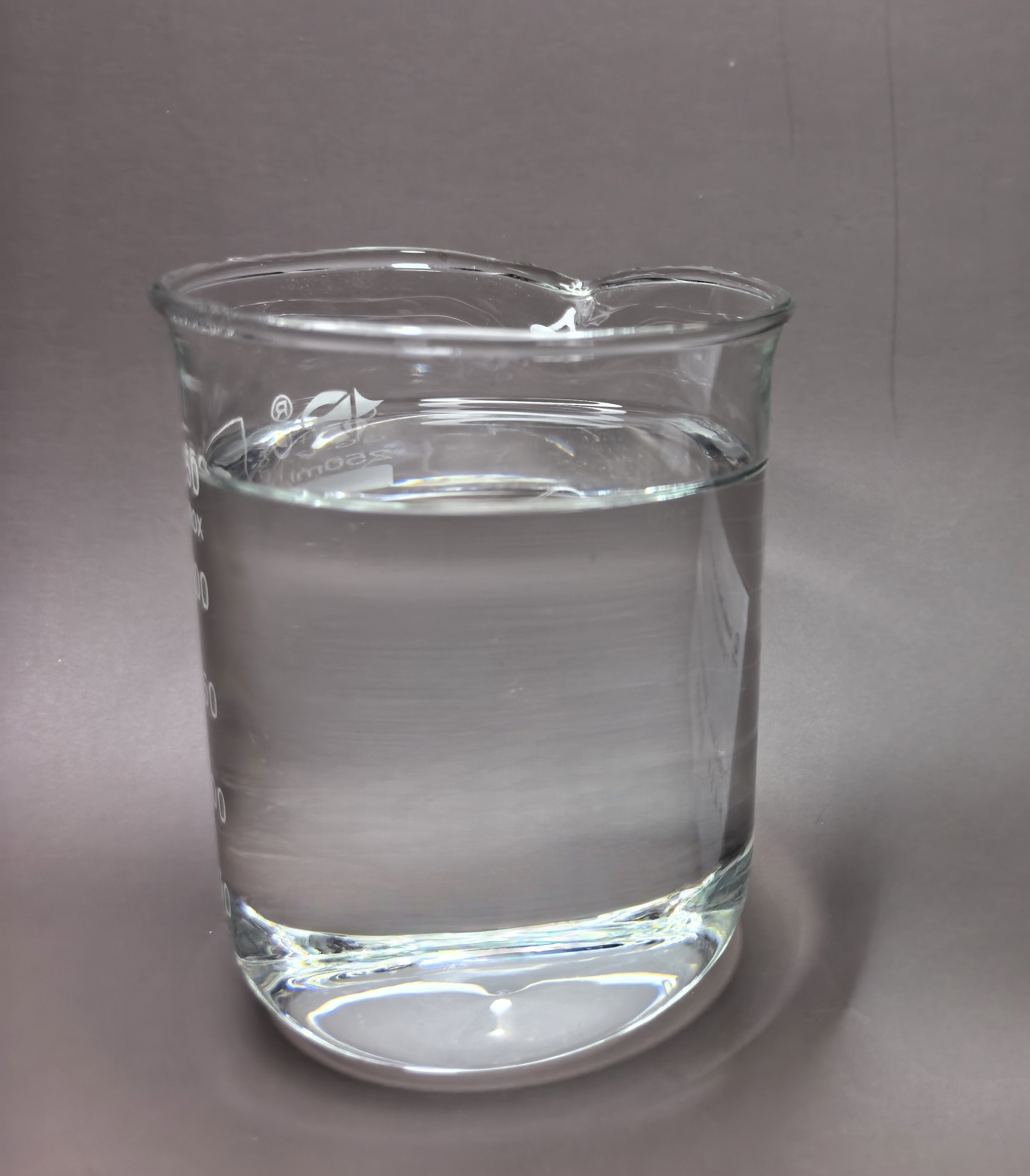
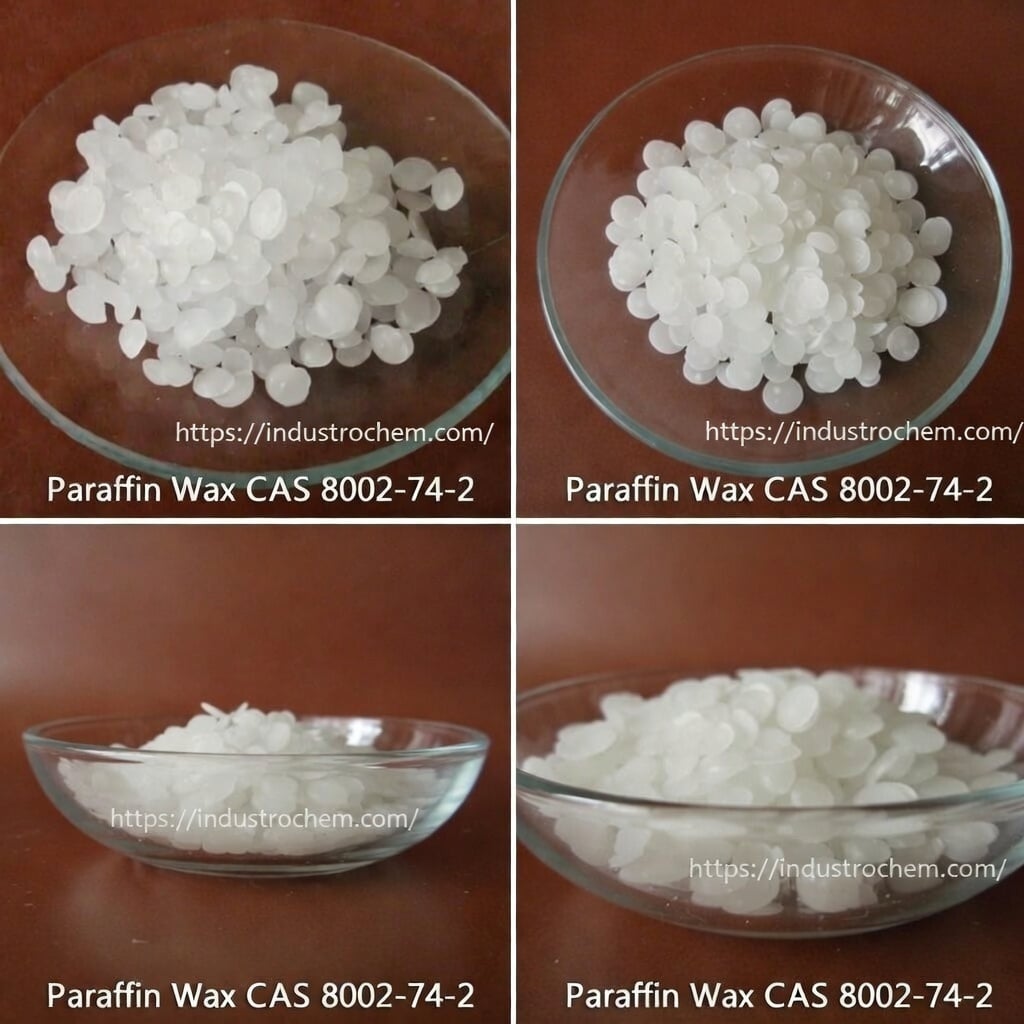
N-Octadecane is sensitive to temperature. Note: It may appear as a white solid in winter or a colorless liquid in summer/heated warehouses.

Test ItemSpecification (Standard)
Appearance ( < 28°C )White crystalline solid or flakes
Appearance ( > 28°C )Colorless, transparent liquid
Assay (GC Purity)≥ 99.0%
Melting Point28.0°C – 30.0°C
Boiling PointApprox. 317°C
Density (20°C)0.777 g/mL (Solid/Liquid transition zone)
Flash Point> 165°C
Refractive Index1.4390
Water Content≤ 100 ppm
Sulfur Content≤ 2 ppm
SolubilityInsoluble in water; Soluble in ethanol, ether, acetone

Applications

  1. Phase Change Materials (PCM):
    • Textiles: Microencapsulated into fibers for temperature-regulating clothing and bedding (cool-touch fabrics).
    • Construction: Incorporated into wallboards or roofing materials to balance indoor temperatures and save energy.
    • Cold Chain Logistics: Used in shipping containers to maintain specific temperature ranges for pharmaceuticals.
  2. Chemical Synthesis: Used as a raw material for producing surfactants and emulsifiers.
  3. Laboratory & Analysis: acts as a reference standard in Gas Chromatography (GC) for determining retention times of petroleum fractions.
  4. Solvents: A non-polar solvent used in specialized organic reactions.

Storage Conditions

  • Temperature: Store in a cool place, preferably below 25°C to keep it in solid form, though liquid storage is also acceptable.
  • Ventilation: Store in a well-ventilated area away from direct sunlight.
  • Fire Safety: Keep away from open flames, sparks, and heat sources. It is a combustible hydrocarbon.
  • Packaging: Keep containers tightly closed. Ensure drums are not damaged, as the product may leak if it melts during transport in hot weather.

Safety Precautions

  • Flammability: Combustible liquid/solid. In case of fire, use foam, dry chemical, or carbon dioxide extinguishers. Do not use a direct water jet.
  • Handling: Avoid prolonged contact with skin. It acts like a wax or oil and may cause mild irritation or clog pores.
  • Inhalation: Avoid breathing vapors or mists, especially if the product is heated.
  • Spills: If spilled in liquid form, it will solidify as it cools. Scrape up the solid or absorb the liquid with sand/earth.
  • PPE: Wear safety glasses and protective gloves (nitrile or neoprene) when handling bulk quantities.

FAQ - Technical & Supply Chain

  • Q:

    What is N-Octadecane CAS 593-45-3?

    A: N-Octadecane CAS 593-45-3, also called octadecane or C18 paraffin, is a straight-chain saturated alkane with the formula C18H38 and a molecular weight of about 254.5 g/mol. It is supplied as a high-purity solid or liquid depending on storage temperature.
  • Q:

    Why is the melting point of N-Octadecane important for phase-change applications?

    A: Its melting point is around 28 C, close to comfortable indoor and body-contact temperatures. As it melts it absorbs latent heat, and as it solidifies it releases that stored heat, making it suitable for passive thermal buffering without electrical input.
  • Q:

    How is N-Octadecane used in textiles, building materials and cold-chain packaging?

    A: The material can be encapsulated and incorporated into cooling bedding, sportswear, wallboards or packaging to moderate temperature swings. It absorbs heat when ambient conditions rise and releases heat as they cool, helping keep the surrounding environment within a narrower temperature range.
  • Q:

    Is N-Octadecane chemically stable enough for encapsulation?

    A: As a non-polar paraffin, n-octadecane is chemically inert under normal conditions and non-corrosive. These properties help it remain compatible with encapsulation systems and reduce the risk of attacking container, shell or construction materials during repeated melting and freezing cycles.
  • Q:

    What are the key specifications and appearance changes of this product?

    A: The product page specifies GC purity of at least 99.0% and a melting point of 28-30 C. Below about 28 C it appears as a white crystalline solid or flakes, while above 28 C it becomes a colorless transparent liquid; boiling point is about 317 C and flash point is above 165 C.
  • Q:

    How should temperature-sensitive N-Octadecane be stored?

    A: Store it in a cool, ventilated area in tightly closed steel drums or IBC tanks. Because its physical state changes near 28 C, avoid unnecessary exposure to high heat and ensure the container remains suitable for either solid flakes or liquid product.

Ordering & Documentation

Key information for document requests, quotations, and supply planning.

Documents

COA, TDS, SDS/MSDS and packing details are available on request.

Quotation

Send the CAS number, grade, quantity, packing preference and destination.

Sample & Supply

Support is available for samples, trial orders, bulk and repeat supply.

Storage & Shipping

Product-specific conditions are confirmed before order.

Contact Form

Use our contact form to send us your questions, suggestions or comments. We will respond as soon as possible.