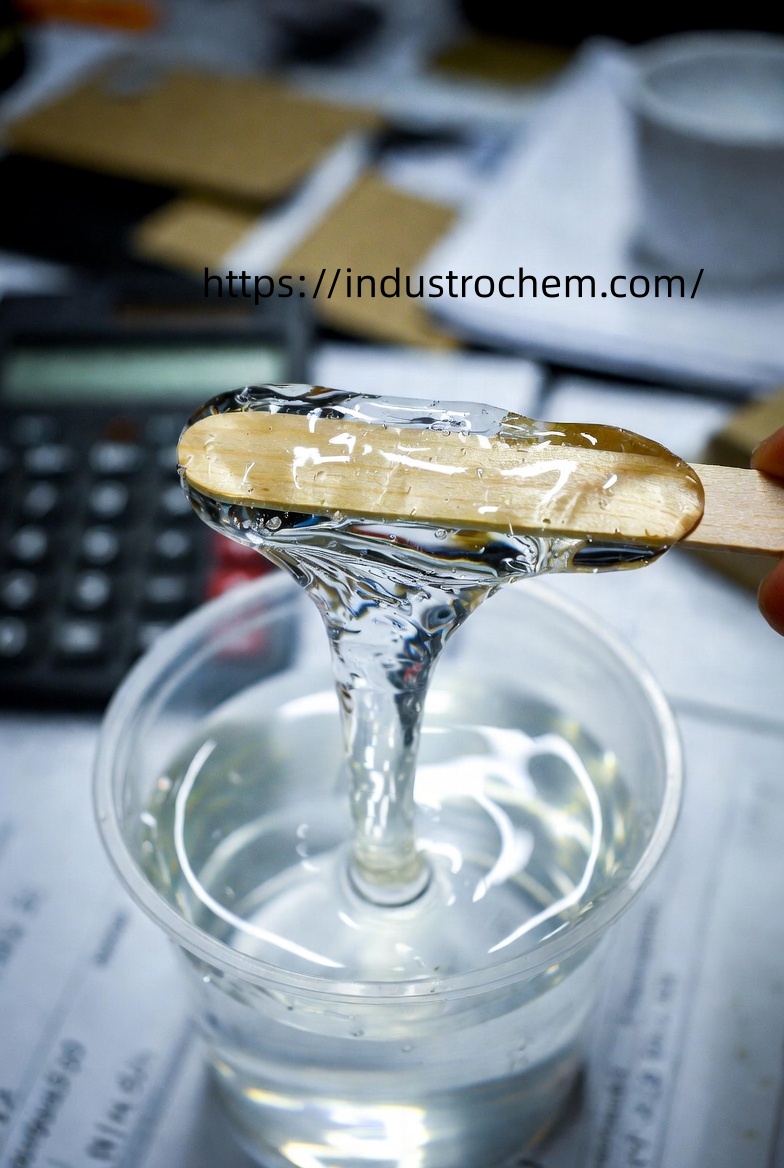



Neodecanoic Acid Glycidyl Ester, CAS 26761-45-5, is also known as glycidyl neodecanoate. This low-viscosity liquid is a monofunctional epoxy raw material used in resin synthesis and as a reactive diluent. Epoxy-group content, viscosity, colour and impurity limits help select a grade for the intended coating or resin formulation.
Neodecanoic Acid Glycidyl Ester CAS 26761-45-5
- CAS: 26761-45-5
- Synonyms: Glycidyl neodecanoate; 2,3-Epoxypropyl neodecanoate; Neodecanoic acid glycidyl ester
- Einecs: 247-979-2
- Molecular Formula: C₁₃H₂₄O₃
- Grade: Industrial coating and resin grades; epoxy-group content, epoxy equivalent weight, colour and water specified with the quotation.
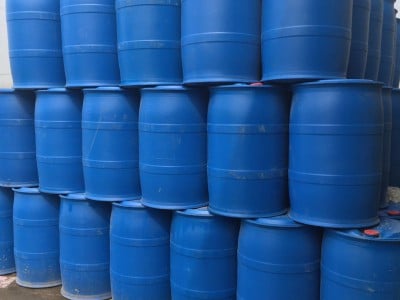
- Package: Drums or IBCs; compatible container materials, pack size and delivery conditions agreed with the quotation.
Product Description
Chemical identity and resin applications
Glycidyl neodecanoate is the glycidyl ester of highly branched C10 carboxylic-acid isomers. It has one epoxide group per molecule, molecular formula C₁₃H₂₄O₃ and molecular weight 228.33 g/mol. Its ester linkage distinguishes it from a glycidyl ether; CAS 26761-45-5 also distinguishes it from diisodecyl phthalate, CAS 26761-40-0.
It is used in coating-resin synthesis, including modified acrylic and polyester systems, and as a reactive diluent in suitable bisphenol A epoxy resin formulations. The epoxide can react with suitable functional groups during resin manufacture or curing. Viscosity reduction and final coating properties depend on the resin, reaction route and formulation.
Neodecanoic acid is the related upstream acid, not an epoxy-functional substitute. For diluent selection, butanediol diglycidyl ether has two epoxide groups, whereas glycidyl neodecanoate has one. This difference affects the formulation and curing network, so they should not be exchanged on an equal-dose basis.
Glycidyl methacrylate (GMA) has a polymerizable methacrylate group as well as an epoxide group. It is a different resin-modification monomer. Glycidyl neodecanoate has no methacrylate double bond and does not serve the same role in acrylic copolymerization.
Quality specifications and supply documents
Key specifications include epoxy-group content or epoxy equivalent weight, colour, water and relevant chlorine impurities. Report the unit and test method for epoxy content. Viscosity must include its measurement temperature; a typical viscosity is not a universal sales limit for every grade. Inorganic chloride, hydrolysable chlorine and total chlorine are different measurements and should not be treated as interchangeable results. Where residual epichlorohydrin is specified, it is assessed separately from chlorine content, using an appropriate method such as gas chromatography (GC).
The supplied material is guaranteed to meet the specification agreed for the order. We can provide a Certificate of Analysis (COA), Technical Data Sheet (TDS) and Safety Data Sheet (SDS), together with applicable epoxy-content, water, colour and chlorine-test information, plus GC chromatograms for residual epichlorohydrin when included in the agreed test scope. The specification and analytical reporting basis are stated for the quoted grade.
Packaging and quotation
Keep the material in compatible, tightly closed containers and follow the grade-specific SDS for storage and handling. Packaging size, storage conditions and delivery arrangements are specified with the quotation. Send the product name or CAS number, approximate quantity and destination; the intended resin system or a required commercial grade helps match the offer to the application.
FAQ - Technical & Supply Chain
-
Q:
Are glycidyl neodecanoate and neodecanoic acid glycidyl ester the same material?
A: Yes. Both names refer to CAS 26761-45-5, a glycidyl ester derived from highly branched C10 acid isomers. It is different from glycidyl methacrylate and from diisodecyl phthalate. Use the full chemical name and CAS number when specifying the material. -
Q:
Is glycidyl neodecanoate equivalent to a difunctional epoxy diluent?
A: No. Glycidyl neodecanoate has one epoxide group per molecule, while a diglycidyl ether such as butanediol diglycidyl ether has two. Their effects on viscosity and the cured network differ. Selection and dosage need to suit the complete resin formulation. -
Q:
How do epoxy content and epoxy equivalent weight compare?
A: Epoxy equivalent weight (EEW), in g/eq, is the mass containing one equivalent of epoxide groups. For the same analytical result, epoxy content in mmol/kg equals 1,000,000 divided by EEW, and content in eq/100 g equals 100 divided by EEW. For example, 240 g/eq corresponds to about 4167 mmol/kg or 0.417 eq/100 g. This is a conversion example, not a guaranteed grade specification. -
Q:
Does the CAS number guarantee equivalence to Cardura E10P?
A: No. Cardura E10P is a named commercial grade; a shared CAS number does not establish the same sales specification or performance. If a particular grade is required, include its name and the relevant epoxy-content, viscosity and impurity requirements in the inquiry so the proposed material can be compared on the same basis. -
Q:
What information is needed for a glycidyl neodecanoate quotation?
A: The product name or CAS number, approximate quantity and destination are enough to begin. Add the intended resin system, required grade or key specification limits when known. We can provide COA/TDS/SDS and analytical information for the quoted material, with suitable packaging and delivery details.
Ordering & Documentation
Key information for document requests, quotations, and supply planning.
Documents
Tell us which documents your procurement team needs. Before an order, we will check whether the quoted source can provide them for the offered lot.
Quotation
Send the CAS number, grade, quantity, packing preference and destination.
Sample & Supply
Ask whether samples, trial quantities or repeat orders are possible. We will check each request against the sourced product and current offer.
Storage & Shipping
Product-specific conditions are confirmed before order.